
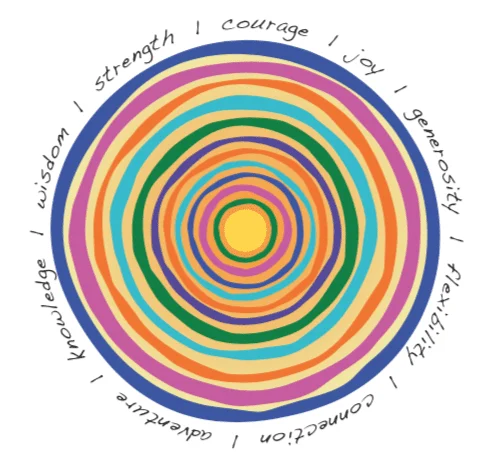
Our society, often characterized by its relentless pursuit of youth, frequently sidelines and undervalues the aging population. This pervasive societal bias, while unfortunate, presents an opportunity for individuals and communities to cultivate a proactive and positive approach to growing older, a concept championed by initiatives like "Aging with Gusto." This movement, spearheaded by organizations such as the Vital Aging Network, aims to foster resilient mindsets that embrace the entirety of the human lifespan, transforming perceptions of aging from a decline into an opportunity for continued growth and fulfillment.
The psychological impact of societal attitudes towards aging is significant and demonstrably influences the aging process itself. Research, including studies cited by the Aging with Gusto program, indicates a direct correlation between one’s perception of aging and their longevity. Individuals who harbor more positive views regarding their later years have been observed to live, on average, 7.5 years longer than those who hold more negative perspectives. This extended lifespan is not merely a statistical anomaly; it is often linked to a greater sense of purpose, engagement, and overall well-being. Conversely, the belief that one’s elder self is a burden can lead to diminished self-worth, a higher risk of depression, and increased social isolation. These factors, often termed "silent killers" for older adults, can have devastating consequences on both physical and mental health, underscoring the critical importance of fostering positive aging narratives.
The Power of Positive Perceptions
Donna Comer, a coordinator and facilitator for the "Aging with Gusto" program, emphasizes the transformative power of mindset. "How we think about aging has a big impact on how we age," she states. "Raising awareness of aging and increasing appreciation for how people of all ages contribute to our families and our communities is an essential first step in adopting a more positive view of both retirement and aging." This perspective is echoed by Jo Ann Jenkins, CEO of AARP and author of "Disrupt Aging: A Bold New Path to Living Your Best Life at Every Age." Jenkins’ work champions the idea that modern aging is not just about living longer but also about living better, actively defying outdated stereotypes and embracing a dynamic approach to life at any age.
The persistent, often inaccurate, stereotypes surrounding aging were vividly illustrated at an arts and aging conference attended by the author several years ago. During a keynote presentation, audience volunteers were asked to physically embody what 70, 80, and 90 years of age looked like. The volunteer portraying 70 adopted slow, tentative steps. The individual representing 80 used a cane, pausing frequently for breath. The 90-year-old analog was confined to a make-believe wheelchair. This staged performance was dramatically contrasted when an actual 90-year-old marathon runner sprinted onto the stage, instantly dismantling the audience’s preconceived notions of frailty and immobility associated with advanced age. This anecdote serves as a potent reminder of how deeply ingrained societal biases can be, and how easily they can be challenged by lived experience.
A similar initiative by AARP, featured in a widely circulated video, further underscored this point. In the video, millennials were tasked with demonstrating what "old" looked like, performing exaggeratedly clumsy actions like struggling to send a text message or navigate imaginary stairs. The stark contrast emerged when these millennials then interacted with actual older adults who effortlessly performed these tasks and more, showcasing their vitality and competence. The millennials’ surprise highlighted a generational disconnect in understanding the realities of modern aging. While ageism—the tendency to view older persons as debilitated or less valuable—is a significant societal issue, it does not have to be an inherent component of the aging process itself.
Challenging Ageist Narratives Through Data and Example
The disconnect between societal perceptions and the lived realities of older adults is a recurring theme in discussions about aging. Longevity expert Dan Buettner, author of "The Blue Zones: Lessons for Living Longer from the People Who’ve Lived the Longest," provides a compelling framework for understanding how to not only live longer but to live healthier and more fulfilling lives. His research, focused on regions of the world with exceptionally high concentrations of centenarians, identifies nine common habits that contribute to exceptional longevity and well-being. These habits, consistently observed across diverse populations, offer tangible strategies for individuals seeking to embrace a more vibrant and robust aging experience.
Buettner’s "Blue Zones" research, which spans decades and continents, has identified distinct geographical areas where people live significantly longer and healthier lives than the global average. These regions, including Okinawa (Japan), Sardinia (Italy), Nicoya (Costa Rica), Icaria (Greece), and Loma Linda (California, USA), share common lifestyle factors that contribute to their inhabitants’ remarkable longevity. The nine habits identified by Buettner, distilled from extensive anthropological and epidemiological studies, are not prescriptive medical advice but rather insights into natural, sustainable ways of living that foster physical, mental, and social well-being.
The Nine Habits of the Blue Zones:
-
Move Naturally: This principle emphasizes incorporating natural movement into daily life, such as walking, gardening, or doing household chores, rather than relying solely on structured exercise. The sedentary nature of modern life is a significant contributor to chronic diseases, and the Blue Zones inhabitants demonstrate that consistent, low-intensity physical activity is more effective for long-term health than sporadic, high-intensity workouts. For instance, in Okinawa, elders regularly participate in gentle exercises and gardening, maintaining mobility well into their nineties.
-
Purpose (Ikigai/Plan de Vida): Having a sense of purpose in life, or "ikigai" in Japanese and "plan de vida" in Nicoya, is a powerful motivator for longevity. This is not necessarily about grand ambitions but about having a reason to wake up each morning, whether it’s caring for grandchildren, pursuing a hobby, or contributing to the community. Research has linked a strong sense of purpose to reduced stress levels and a lower risk of cardiovascular disease.
-
Down Shift: This habit involves incorporating stress-reducing routines into daily life. In Ikaria, Greece, for example, people often take midday naps, a practice scientifically proven to reduce the risk of heart attacks. Other Blue Zone populations engage in prayer, meditation, or simply spend time in nature to unwind. The chronic stress of modern life has been implicated in numerous health problems, and finding effective ways to manage it is crucial for healthy aging.
-
80% Rule: This principle, often described as "Hara Hachi Bu" in Okinawa, encourages stopping eating when one’s stomach is 80% full. This practice helps prevent overeating and the associated health risks, such as obesity and diabetes. By listening to their bodies and stopping before feeling completely satiated, individuals in Blue Zones naturally consume fewer calories, contributing to healthier weight management and improved metabolic health.
-
Plant Slant: The diet in Blue Zones is predominantly plant-based, with meat consumed sparingly, typically only a few times a month and in small portions. Legumes, fruits, vegetables, and whole grains form the cornerstone of their meals. This dietary pattern is rich in fiber, antioxidants, and essential nutrients, while being lower in saturated fat and cholesterol, all of which are protective against chronic diseases. Beans are a staple in many Blue Zones diets, providing a significant source of protein and fiber.
-
Wine @ 5: Moderate consumption of alcohol, particularly wine, with meals and in social settings, is a common practice in several Blue Zones, notably Sardinia and Ikaria. This is not about binge drinking but about enjoying a glass or two of red wine, rich in antioxidants, as part of a social ritual. Studies suggest that moderate alcohol consumption, especially red wine, may have cardiovascular benefits, though it is crucial to emphasize that this is not a recommendation to start drinking if one does not already.
-
Belong: Having a strong social network and a sense of community is vital for well-being. In Blue Zones, strong family ties and active participation in social groups are common. This sense of belonging combats loneliness and social isolation, both of which are significant risk factors for premature death. Whether it’s attending religious services, participating in community events, or simply spending time with loved ones, social connection is a powerful determinant of a long and healthy life.
-
Loved Ones First: Family is a central pillar in the lives of Blue Zone inhabitants. Prioritizing family relationships and actively caring for aging parents and other relatives is a common thread. This intergenerational connection not only strengthens family bonds but also provides support systems that benefit all members. The respect and care shown to elders in these cultures contribute to a positive aging experience.
-
Right Tribe: Choosing to surround oneself with people who share similar healthy lifestyle choices is a crucial factor. The "Right Tribe" concept highlights the influence of social circles on individual behavior. If your friends and family are active, eat healthily, and have a positive outlook, you are more likely to adopt similar habits. This concept underscores the power of social contagion in promoting well-being.
Broader Implications and Future Directions
The implications of shifting societal perspectives on aging are far-reaching. By embracing the principles of "Aging with Gusto" and adopting the lessons learned from Blue Zones, individuals can not only extend their lifespans but also enhance the quality of those years. This proactive approach can lead to reduced healthcare costs, greater economic productivity from an experienced workforce, and richer, more intergenerational communities.
Organizations like the Vital Aging Network and AARP are at the forefront of this paradigm shift, developing programs and resources to empower individuals to redefine their understanding of aging. Their efforts aim to foster environments where older adults are valued, respected, and encouraged to remain active and engaged participants in society. The success of these initiatives hinges on a collective commitment to challenging ageist stereotypes and celebrating the multifaceted contributions of people across all stages of life.
The ongoing dialogue surrounding aging is critical. As demographics shift and populations age globally, understanding and promoting positive aging is not just a matter of individual well-being but a societal imperative. By fostering an "aging with gusto" mindset, we can move beyond simply living longer to truly living better, enriching both our own lives and the communities we inhabit. The resources provided by "AgingWithGusto.com" and "BlueZones.com" offer valuable starting points for anyone seeking to embark on this journey of embracing a more vibrant and fulfilling later life. The conversation continues through platforms like podcasts that explore themes of retirement, aging well, and learning from the wisdom of those who have navigated these transitions with grace and resilience.
The related podcast episodes, such as "Retirement Planning Includes Getting Good at Getting Older" with Rabbi Laura Geller, "What Can You Do to Age Better?" with Anna Dixon, "What Can We Learn from Blue Zones?" with Richard Eisenberg, and "We’re All Ageing. Are You Up for a Bolder Approach?" with Carl Honoré, further exemplify the diverse perspectives and practical advice available for individuals looking to embrace a more positive and proactive approach to aging. These resources collectively underscore the growing recognition that aging is not an endpoint but a dynamic phase of life that can be approached with intention, optimism, and a commitment to continued personal growth and contribution.

