
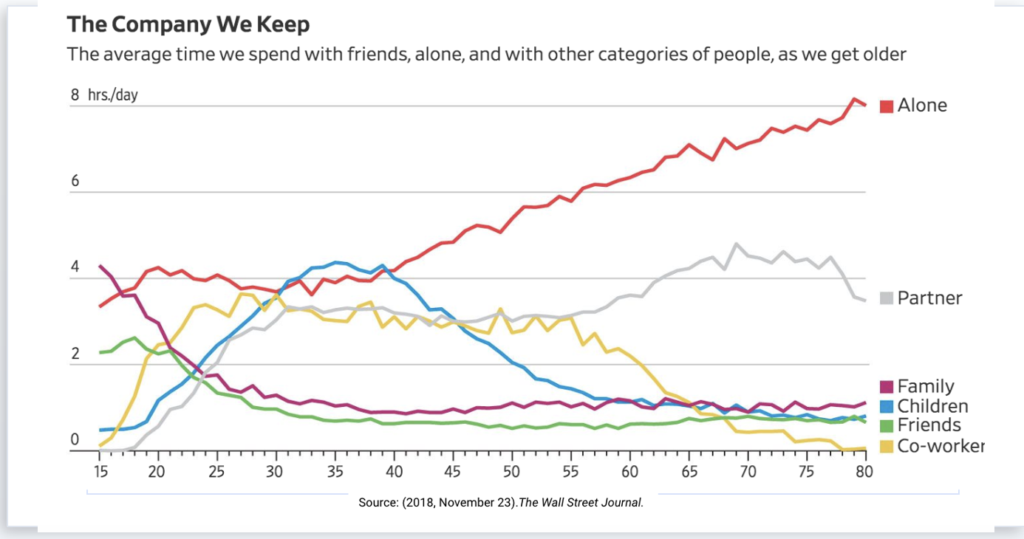
Retirement, a phase marked by newfound freedom and the shedding of daily professional obligations, often ushers in an unexpected companion: an abundance of solitary time. This solitude, while anticipated by some, can surprise others with its intensity, revealing that the most significant dialogues one engages in during this period are not external, but internal. These are the ceaseless conversations with oneself, a crucial aspect of navigating life’s transition into a new chapter.
The nature of this internal dialogue is multifaceted. It can encompass forward-thinking planning, imaginative exploration, and reflective contemplation. Conversely, it can also devolve into cycles of worry, regretful replaying of past events, persistent questioning, self-criticism, and blame. As highlighted in recent discussions on The Retirement Wisdom Podcast, the quality of these inner conversations can significantly influence whether retirement narrows one’s life or facilitates an intentional and expansive opening to what lies ahead.
The Science of Inner Dialogue: Shifting Mindsets
Central to understanding this phenomenon is the work of Dr. Marilee Adams, founder and CEO of The Inquiry Institute and author of the newly updated fifth edition of "Change Your Questions, Change Your Life." Dr. Adams posits that the questions we ask ourselves are instrumental in shaping our mindset. Her research identifies two primary operational mindsets: the "Judger" and the "Learner."
The Judger mindset is characterized by backward-looking or inward-focused inquiries, often imbued with a sense of blame or negativity. Examples include "What’s wrong with me?", "Why did this happen?", and "Why bother?". These questions tend to reinforce limitations and foster a sense of helplessness. In contrast, Learner questions propel individuals toward curiosity, agency, and possibility. They manifest as inquiries like, "What do I want now?", "What can I contribute?", and "How else can I think about this?". These questions are designed to open up new perspectives and encourage proactive engagement with life.
The transition into retirement amplifies the importance of this distinction. The absence of the structured environment, professional identity, and regular feedback loops inherent in the workplace can allow Judger questions to gain momentum. However, adopting "wise questions" can effectively redirect attention toward core values and desired outcomes, such as increased meaning, joy, contribution, stronger relationships, and continued personal growth.
Parallel research by Dr. Ethan Kross, director of the Emotion & Self Control Laboratory at the University of Michigan and author of "Chatter: The Voice in Our Head, Why It Matters, and How to Harness It," delves into the science of self-talk. Dr. Kross distinguishes between ordinary negative thoughts and "chatter," which he defines as a repetitive, looping pattern of worry, rumination, and catastrophizing. While acknowledging that negative emotions, in measured doses, can serve as valuable learning experiences, Dr. Kross emphasizes that the primary issue arises when individuals become trapped in these negative emotional states.
Converging Insights: Awareness and Intentional Response
The work of Dr. Adams and Dr. Kross converges on a critical point: the objective is not to silence the inner voice but to engage with it more skillfully. Both experts underscore the universal presence of an inner critic, which must be acknowledged and accepted. A fundamental tenet of their research is that heightened awareness of one’s internal dialogue creates choice, allowing for a shift from automatic reactions to intentional responses.
Dr. Adams’s contribution lies in the elegant framework of "The Choice Map," which provides a practical language and pathway for navigating internal conversations. This model encourages individuals to recognize when they are operating from a Judger mindset, to pause, and then to consciously transition into a Learner mindset. A particularly potent switching question proposed by Dr. Adams is, "Who do I choose to be in this moment?" This question empowers individuals to assert agency and define their response irrespective of external circumstances or internal critiques.
Dr. Kross offers a "toolbox approach" to managing chatter, recognizing that different situations may necessitate distinct strategies. His recommendations include "distance self-talk," where individuals address themselves by name and coach themselves as they would a trusted friend. He also advocates for "mental time travel," prompting individuals to consider how they will perceive a current problem in the future, such as six months or a year from now. Incorporating physical activity, like a walk in nature, is also presented as a valuable ritual for managing internal states, thereby fostering a more effective "chatter advisor" role for oneself.
Retirement and the Evolving Inner Landscape
The transition into retirement, often occurring between the ages of 55 and 70 for many individuals in developed nations, represents a significant life juncture. Data from the U.S. Bureau of Labor Statistics indicates that the proportion of individuals aged 65 and over in the labor force has been increasing, suggesting a trend towards later retirement. This demographic shift underscores the growing importance of adapting to a post-work life, a period where the inner dialogue can become particularly pronounced.
Historically, retirement was often viewed as a period of leisure and reduced activity. However, contemporary perspectives emphasize the potential for continued engagement, personal growth, and contribution. The psychological impact of this transition is profound, as individuals re-evaluate their identity, purpose, and social connections. The internal conversations that arise during this period are not merely reflections of an individual’s personality but are deeply influenced by the societal and personal narratives surrounding aging and retirement.
The implications of unchecked negative self-talk during retirement can be far-reaching. Beyond personal dissatisfaction, it can contribute to social isolation, reduced engagement in community activities, and even exacerbate existing health concerns. Conversely, cultivating a more positive and constructive inner dialogue can lead to greater life satisfaction, improved mental well-being, and a more fulfilling post-career existence.
Practical Strategies for Cultivating a Wiser Inner Voice
Both Dr. Adams and Dr. Kross offer actionable strategies for enhancing one’s relationship with their inner voice. These techniques are designed to be integrated into daily life, fostering a more mindful and intentional approach to thought patterns.
Harnessing Awareness and Intentionality:
- Elevate Awareness: The foundational step is to consciously observe one’s internal conversations. This involves paying attention to the recurring themes, tones, and content of self-talk.
- The "Stop. Breathe. Be." Practice: Inspired by Dr. Aditi Nerurkar, this simple yet powerful technique, advocated by Dr. Adams, involves a physical pause to interrupt the momentum of thought. Taking a moment to stop, breathe deeply, and simply be present can create the necessary space for a more deliberate response.
- Question Interrogation: Once awareness is established, the next step is to identify the nature of the questions being asked. Are they Judger questions, perpetuating negativity, or Learner questions, opening avenues for growth? This critical self-assessment is key to initiating change.
- Navigating the "Judger Pit": When caught in a negative feedback loop, the "Switching Lane" move, as described by Dr. Adams, is crucial. This involves intentionally posing a Learner question to shift the mindset and disrupt the detrimental pattern.
- Reframing Through External Perspectives: Dr. Kross’s techniques offer practical methods for gaining distance from distressing thoughts.
- Changing the Voice: Addressing oneself by name and asking, "What advice would I give a good friend facing this?" can depersonalize the issue and foster a more compassionate and objective perspective.
- Shifting the Time Frame: Asking, "How important will this feel six months from now?" can help to contextualize current challenges and reduce their perceived magnitude.
- The Role of Supportive Relationships: While internal dialogue is paramount, external support remains vital. Seeking out individuals who offer empathy and can help broaden perspective is essential for preventing the perpetuation of negative loops. Venting, while sometimes cathartic, can inadvertently reinforce negative thought patterns if not balanced with constructive dialogue.
Broader Impact and Future Considerations
The insights from Dr. Adams and Dr. Kross are not confined to retirement but have implications for individuals across all life stages. However, the unique context of retirement—a period of significant personal adjustment and redefined purpose—makes these strategies particularly relevant. The increasing longevity of populations worldwide necessitates a greater focus on the quality of life in later years, moving beyond mere existence to a state of thriving.
The implications of mastering one’s inner dialogue extend to public health and societal well-being. By equipping individuals with the tools to manage their thoughts and emotions, we can foster greater resilience, reduce the incidence of mental health challenges, and promote more engaged and meaningful lives in retirement. Future research may further explore the long-term effects of these techniques on cognitive function, social engagement, and overall life satisfaction in aging populations.
In conclusion, while retirement bestows the gift of freedom, its true potential is realized when paired with a wise approach to our internal world. Through conscious practice and the adoption of skillful strategies, the inner voice can transform from a relentless critic into a valuable ally and a trusted coach, guiding individuals toward a more fulfilling and purposeful chapter of life.
Further Exploration and Resources:
For those interested in delving deeper into these concepts, several resources are available:
- Podcast Conversations:
- "Change Your Questions, Change Your Life in Retirement" with Marilee Adams, PhD.
- "Chatter & Your Inner Voice" with Ethan Kross, PhD.
- "Shift" with Ethan Kross, PhD.
- Books:
- Change Your Questions, Change Your Life, 5th Edition by Marilee Adams, PhD.
- Chatter: The Voice in Our Head, Why It Matters, and How to Harness It by Ethan Kross, PhD.
- Shift: Managing Your Emotions So They Don’t Manage You by Ethan Kross, PhD.
- Tools and Surveys:
- The Choice Map from The Inquiry Institute.

