

Mark Uyeda, who held the reins as acting chair of the U.S. Securities and Exchange Commission (SEC) before Paul Atkins’ official confirmation, has revealed a significant strategic pivot in the agency’s approach to cryptocurrency enforcement. The decision to drop a series of civil cases against prominent crypto companies, initiated under the previous administration, was a deliberate move to pave the way for a "180-degree change" in the SEC’s rulemaking and enforcement philosophy concerning digital assets. This revelation offers a crucial insight into the internal dynamics and policy considerations that shaped the agency’s recent actions.
Speaking at the Psaros Center for Financial Markets and Policy’s Financial Markets Quality Conference on Wednesday, Commissioner Uyeda elaborated on the rationale behind these decisions. He stated that the SEC opted to withdraw these cases in early 2025, as continuing them would have jeopardized the agency’s credibility in future legal proceedings. The core issue, as articulated by Uyeda, was the potential for ongoing litigation to conflict with the SEC’s impending shift in regulatory direction. He underscored that there were "significant concerns" regarding the legal justification for these past enforcement actions, hinting at a fundamental disagreement within the commission about the applicability of existing securities laws to the evolving digital asset landscape.
"I’m not about to have our litigators, even though they’re having cases that were authorized under the prior administration, stand up in court and have a commission interpretation be issued that is a 180-degree change from what they’d been arguing for that court," Commissioner Uyeda stated during the panel discussion. "I think that hurts [our] credibility as an agency." This candid admission points to a deliberate effort to avoid presenting a fractured or inconsistent front to the judiciary, thereby preserving the SEC’s authority and public trust as it embarks on a new regulatory chapter.
A Strategic Withdrawal: Setting the Stage for Policy Evolution
The cases that were subsequently dropped by the SEC involved major players in the cryptocurrency industry, including Kraken, Ripple Labs, and Coinbase, among others. These enforcement actions, many of which were initiated during the tenure of former SEC Chair Gary Gensler, had been viewed by industry participants and critics as aggressive and, in some instances, politically motivated. The timing of the withdrawals, under Uyeda’s interim leadership, coincided with a period of significant political transition in Washington D.C.
The administration of President Donald Trump had previously signaled a critical stance toward Gensler’s regulatory approach. During his 2024 campaign, Trump had pledged to remove Gensler from his position "on day one" if elected. Gensler subsequently resigned on the same day President Trump assumed office, a move that many interpreted as a direct consequence of the administration’s stated intentions. The decision by the SEC under Uyeda to drop these high-profile cases was thus seen by some as a move to de-escalate potential conflicts with the new administration and to signal a willingness to reassess prior enforcement strategies.
Background: A Contentious Enforcement Era
The period preceding the case withdrawals was marked by heightened regulatory scrutiny of the cryptocurrency sector. Under Gary Gensler’s chairmanship, the SEC pursued an assertive enforcement strategy, often characterizing many digital assets and their associated activities as unregistered securities. This approach led to a series of high-stakes legal battles, including the SEC’s landmark lawsuit against Ripple Labs over its XRP token, which became a focal point for debates surrounding the definition of a security in the context of cryptocurrencies.
Critics argued that the SEC’s enforcement-first approach stifled innovation and created an uncertain regulatory environment for digital asset businesses. They contended that the agency failed to provide clear, tailored guidance for the industry, instead opting to apply existing securities laws in a manner that many believed was ill-suited to the unique characteristics of blockchain technology and digital assets. The volume of enforcement actions initiated during this period led some to label it a "politically motivated campaign" against the industry, particularly as the 2024 presidential election drew nearer.
The timing of the withdrawal of these cases, particularly those involving companies that had expressed public support for the Trump campaign or faced significant backlash under the prior administration, fueled speculation about political motivations behind the SEC’s actions. However, Commissioner Uyeda’s recent remarks suggest a more nuanced rationale rooted in regulatory strategy and the preservation of institutional credibility.
The Credibility Imperative: A Legal Tightrope
Commissioner Uyeda’s emphasis on agency credibility highlights a fundamental challenge for regulatory bodies when navigating shifts in policy and leadership. When an agency litigates a position in court based on a particular interpretation of the law, and then subsequently adopts a significantly different interpretation, it can indeed undermine its standing with the judiciary. This is particularly true in evolving fields like cryptocurrency, where legal precedents are still being established.
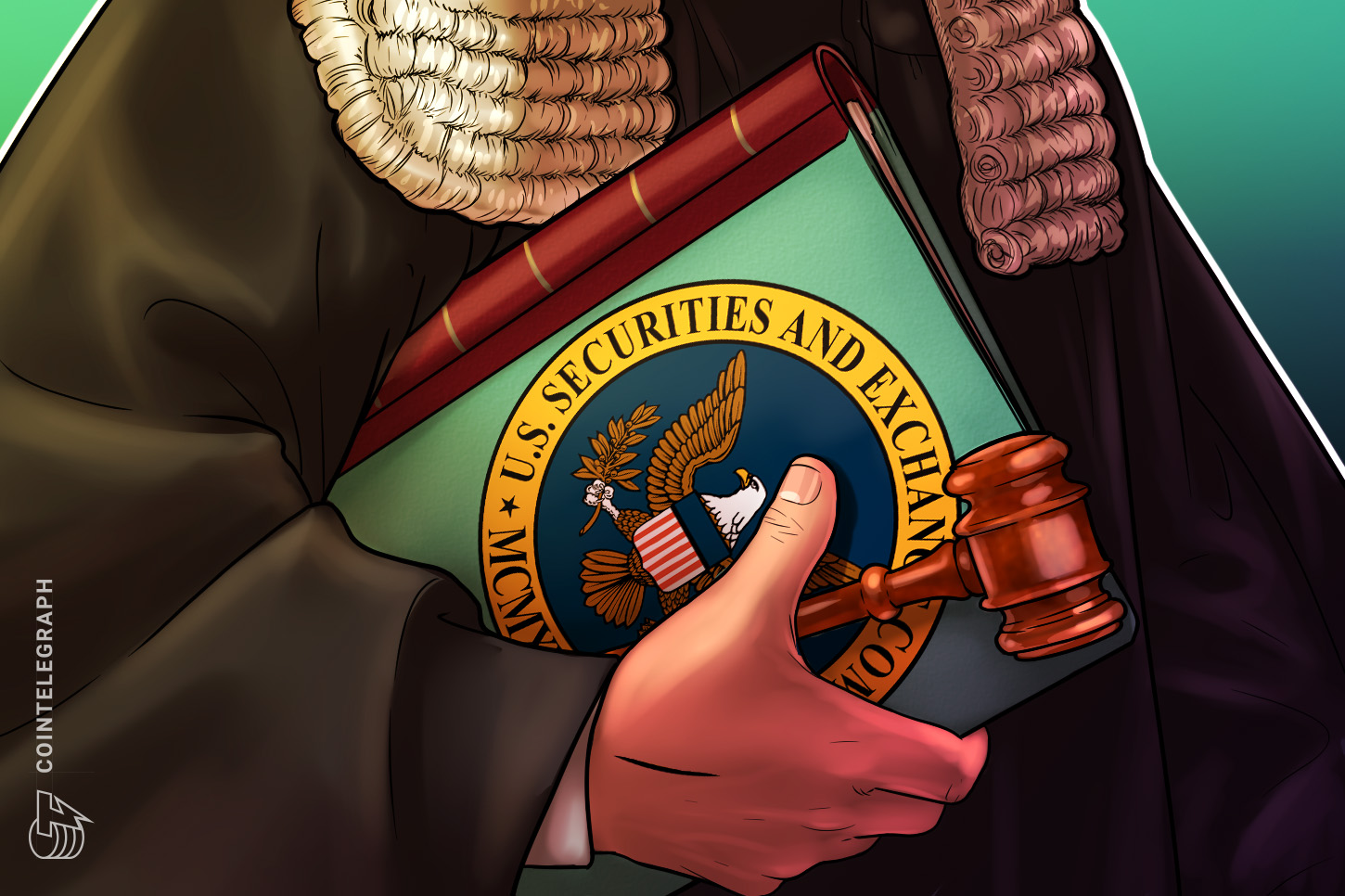
The SEC’s previous stance, as embodied in the cases filed, often hinged on the argument that most cryptocurrencies and crypto-related activities fell under existing securities regulations. If the agency were to then pivot and declare that many of these same activities were, in fact, not subject to those regulations or required a different regulatory framework, it would create a direct contradiction. Such a contradiction could weaken the SEC’s arguments in future cases and potentially lead to unfavorable judicial rulings, setting back its regulatory objectives.
Uyeda’s statement suggests that the commission recognized this risk. By dropping cases that were authorized under a prior administration with a different enforcement philosophy, the SEC under Uyeda’s interim leadership was able to avoid being bound by prior arguments in court. This allowed for a clean slate, enabling the agency to articulate its new policy positions without the encumbrance of past litigation strategies that might soon be rendered obsolete.
Supporting Data and Industry Reactions
While the article does not provide specific figures on the value of the dropped cases or the financial impact on the companies involved, the entities targeted by the SEC were significant market participants. Kraken, for instance, is one of the oldest and largest cryptocurrency exchanges globally. Ripple Labs has been engaged in a protracted legal battle with the SEC over its XRP token, which has had far-reaching implications for the broader digital asset market. Coinbase, a publicly traded company, is a leading platform for cryptocurrency trading and services.
The cryptocurrency industry has largely welcomed the shift in enforcement strategy. Many industry leaders have expressed a desire for clearer regulatory frameworks rather than a reliance on enforcement actions. The decision to drop these cases, coupled with the promise of a revised rulemaking approach, has been seen as a positive development that could foster greater clarity and encourage legitimate innovation within the sector.
However, some consumer advocacy groups and market watchdogs have expressed concern that a less aggressive enforcement posture could potentially leave investors more vulnerable to fraud and manipulation. They argue that robust enforcement is crucial for maintaining market integrity and protecting the public. The balance between fostering innovation and ensuring investor protection remains a critical challenge for the SEC.
A Shifting Commission Landscape
Mark Uyeda has served as an SEC Commissioner since 2022, and his tenure has been characterized by a more cautious and deliberative approach to regulation compared to some of his predecessors. He currently serves alongside Commissioner Hester Peirce, another voice within the SEC often seen as more supportive of the cryptocurrency industry’s development, and Chair Paul Atkins.
The composition of the SEC’s leadership panel is set to change. Commissioner Hester Peirce’s departure is anticipated in November. This would leave the commission with only two of its five members on its leadership panel, a situation that could impact its ability to make decisions and advance its agenda. As of the reporting date, President Trump had not announced any nominations for potential replacements, creating a period of potential uncertainty regarding the SEC’s future direction and operational capacity. The absence of full leadership could further complicate the agency’s ability to implement new rulemaking or enforcement strategies effectively.
Implications for the Future of Crypto Regulation
The strategic shift announced by Commissioner Uyeda has significant implications for the future of cryptocurrency regulation in the United States. The promise of a "180-degree change" in rulemaking suggests that the SEC is likely to move away from a purely enforcement-driven approach and toward developing more comprehensive and tailored regulatory frameworks for digital assets.
This could involve:
- Clearer Definitions: The SEC may seek to provide clearer definitions of what constitutes a security within the digital asset space, offering more guidance to businesses and investors.
- New Rulemaking: The agency might propose new rules specifically designed for cryptocurrencies and blockchain technology, addressing issues such as token offerings, decentralized finance (DeFi), and stablecoins.
- Cooperative Approach: A more collaborative approach with industry participants and other regulators could be adopted, aiming to build consensus and foster a more predictable regulatory environment.
The success of this new approach will depend on the SEC’s ability to develop effective and practical regulations that strike a balance between investor protection, market integrity, and the promotion of innovation. The ongoing developments within the SEC’s leadership structure will also play a crucial role in shaping the agency’s capacity to execute its revised strategy. The market will be closely watching for concrete proposals and actions that materialize from this announced shift in direction, as it holds the potential to redefine the regulatory landscape for digital assets in the United States.

