
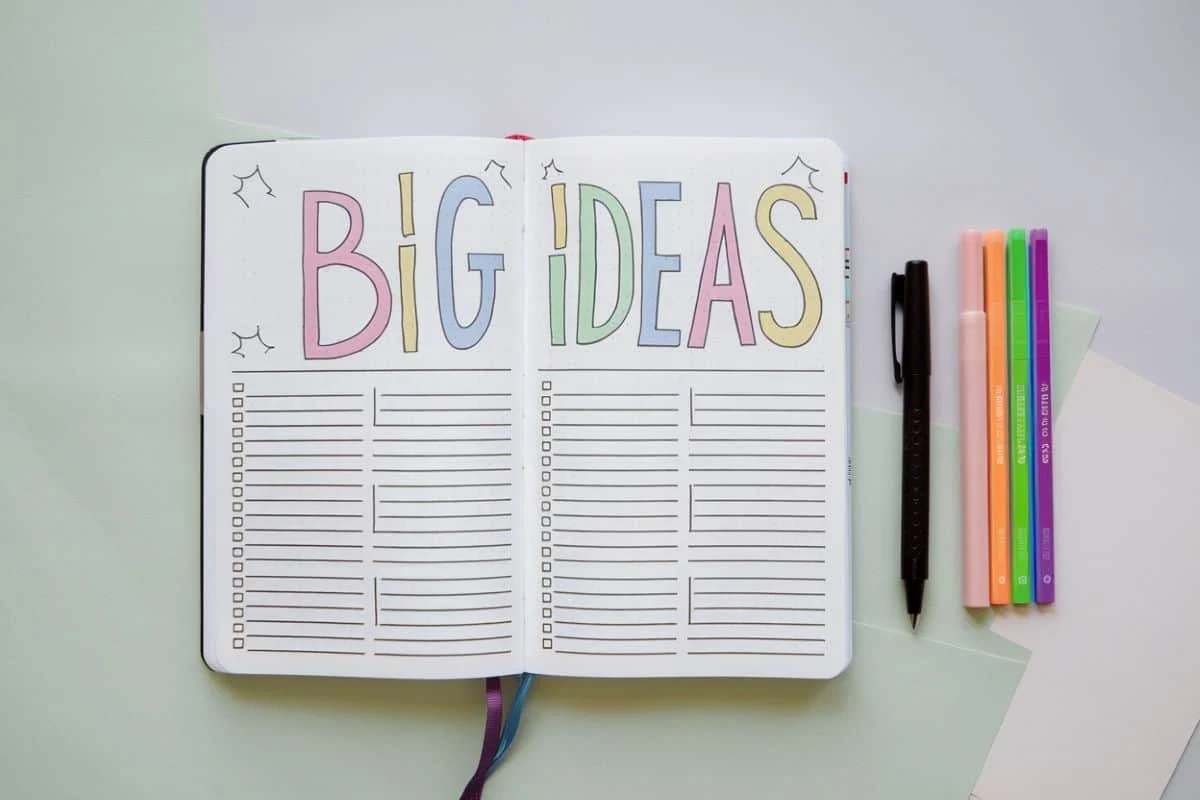
For individuals seeking to inject structure, inspiration, and creativity into their daily lives, the bullet journal (BuJo) has emerged as a powerful and adaptable tool. This customizable system, rooted in the principles of rapid logging and flexible organization, offers a unique alternative to traditional planners. With an ever-expanding universe of potential layouts and trackers, the initial setup can sometimes feel overwhelming. However, the core philosophy of bullet journaling emphasizes personalization and functionality, encouraging users to tailor the system to their specific needs and interests. This article explores the fundamental aspects of bullet journaling and presents a comprehensive collection of 97 page ideas designed to ignite a passion for planning, productivity, personal growth, and creative expression.
What Is A Bullet Journal?
At its heart, a bullet journal is a method of personal organization developed by designer Ryder Carroll. It operates on a framework of symbols and rapid logging, allowing users to systematically record tasks, events, and notes. Unlike pre-formatted planners, a bullet journal begins as a blank notebook, which the user then populates with custom spreads and collections. This can include monthly and daily logs, habit trackers, goal-setting pages, mood journals, and creative outlets. The adaptability of the bullet journal system means it can serve a multitude of purposes, from enhancing productivity and managing personal finances to fostering mindfulness and tracking creative projects. Its open-ended nature ensures that the journal evolves with the user, reflecting their changing priorities and aspirations.
Why Use A BUJO?
The appeal of the bullet journal lies in its ability to provide clarity and focus in an increasingly complex world. By offering a centralized system for organizing thoughts and commitments, BuJo users often report a reduction in stress and an improvement in their ability to manage time effectively. The act of physically writing down tasks and reflections can also promote greater mindfulness and intentionality in daily activities. Research consistently points to the cognitive benefits of handwriting, including enhanced memory retention and deeper processing of information, which directly contribute to the effectiveness of a bullet journal. Furthermore, the visual representation of progress through trackers and goal-setting pages can serve as a significant motivational factor, encouraging users to make consistent, intentional progress towards their objectives. The system’s inherent flexibility allows individuals to experiment with different tracking methods and organizational strategies, ensuring that the journal remains a relevant and valuable tool for personal and professional development.

Tips For Using A Bullet Journal
To maximize the benefits of a bullet journal, it is crucial to approach its setup with a clear understanding of personal needs and preferences. The cardinal rule is to prioritize functionality over aesthetic perfection, especially in the initial stages. Overly complex designs can become a barrier to consistent use.
-
Pick Your Supplies: The foundation of any bullet journal is a notebook and a pen. While a dot-grid notebook is highly recommended for its balance of structure and creative freedom, any notebook will suffice to begin. The choice of pen is also personal, but opting for a smooth-writing, non-bleeding ink is advisable for a clean and pleasant journaling experience. The cost of supplies can range from budget-friendly to premium, allowing for accessibility for all users. Pre-numbered pages can be a convenience, but manually numbering them is a simple and effective alternative.
-
Create the Basic Layouts: Regardless of the complexity of a user’s journal, certain foundational pages are essential for effective organization. These core layouts act as the backbone of the bullet journaling system.

-
Index: This is a crucial page that lists the content of your journal and its corresponding page numbers. As you add new spreads and collections, you’ll update the index, making it easy to locate specific information later. This acts as a searchable directory for your personal information.
-
Future Log: This spread typically covers several months, allowing you to record events, appointments, and deadlines that fall outside the current month. It serves as a long-term planning tool, preventing important dates from being overlooked.
-
Monthly Log: This spread provides an overview of the current month, often featuring a calendar view and a list of tasks or goals for the month. It helps in planning and tracking monthly objectives.

-
Daily Log: This is where the rapid logging takes place. Each day, you jot down tasks, events, and notes using a system of symbols. This forms the core of your day-to-day organization.
-
These basic layouts provide a solid framework upon which to build a personalized bullet journal. Once these fundamental elements are in place, users can begin to explore a wider array of creative and functional pages.
97 BUJO Ideas To Try
The true power of the bullet journal lies in its infinite customizability. Beyond the essential logs, a vast landscape of specialized pages can be incorporated to cater to virtually any interest or goal. These pages transform the journal from a mere organizer into a comprehensive personal development tool.

Wellness and Self-Care Page Ideas
Prioritizing mental and physical well-being is paramount, and the bullet journal offers numerous ways to track and cultivate healthy habits.
- Habit Tracker: Monitor daily habits such as drinking water, exercising, meditating, or getting enough sleep. This visual representation can highlight patterns and motivate consistency.
- Mood Tracker: Record your daily emotional state, often using colors or simple symbols, to identify triggers and understand emotional fluctuations.
- Gratitude Log: Dedicate space to jot down things you are thankful for each day, fostering a more positive outlook.
- Sleep Log: Track sleep duration, quality, and any factors that might affect it.
- Water Intake Tracker: A simple visual to ensure adequate hydration throughout the day.
- Fitness Tracker: Log workouts, duration, intensity, and any personal bests.
- Meal Planner: Plan your weekly meals to save time, reduce stress, and encourage healthier eating.
- Recipe Collection: A dedicated section to record favorite recipes, making meal preparation more efficient.
- Self-Care Ideas List: Brainstorm and list activities that help you recharge and de-stress.
- Mindfulness Exercises: Document different mindfulness techniques you practice and their effects.
- Symptom Tracker: For individuals managing chronic conditions, this can help track symptoms and potential correlations.
- Meditation Log: Record meditation sessions, duration, and any insights gained.
- Journal Prompts: A list of questions or themes to guide reflective writing sessions.
- Affirmation Page: Write down positive affirmations to boost self-esteem and confidence.
- Digital Detox Tracker: Monitor time spent away from screens to encourage a healthier digital balance.
Finance and Budgeting Pages
Financial literacy and responsible money management are key to long-term security, and bullet journals can be invaluable for tracking expenses and planning savings.
- Budget Tracker: Outline income and expenses, categorizing spending to identify areas for potential savings.
- Savings Tracker: Visualize progress towards savings goals, whether for a down payment, vacation, or emergency fund.
- Debt Payoff Tracker: Monitor progress in reducing outstanding debts, providing motivation and a clear roadmap.
- Bill Payment Tracker: Keep track of due dates and confirm payments to avoid late fees.
- Income Tracker: Record all sources of income to get a clear picture of financial inflow.
- Expense Log: A detailed record of daily expenditures, essential for accurate budgeting.
- Net Worth Tracker: Periodically calculate your net worth to assess your overall financial health.
- Investment Tracker: Monitor the performance of your investments over time.
- Wish List: A list of desired purchases, helping to differentiate between wants and needs and plan for future acquisitions.
- Financial Goals: Outline short-term and long-term financial objectives.
- Subscription Tracker: Keep track of all recurring subscriptions to avoid unnecessary spending.
Personal Development Page Ideas
Growth and self-improvement are ongoing journeys, and a bullet journal can serve as a companion in this process.

- Goal Setting Pages: Break down large goals into smaller, actionable steps with deadlines.
- Skill Development Tracker: Identify skills you wish to acquire or improve and track your progress.
- Book List: Keep a record of books read, with space for reviews and key takeaways.
- Learning Log: Document new knowledge gained from courses, articles, or experiences.
- Personal SWOT Analysis: Identify your Strengths, Weaknesses, Opportunities, and Threats.
- Future Self Letter: Write a letter to your future self, reflecting on current aspirations and offering advice.
- Bucket List: Compile a list of experiences and achievements you want to accomplish in your lifetime.
- Vision Board: A visual representation of your dreams and aspirations.
- Quote Collection: Jot down inspiring quotes that resonate with you.
- Personal Growth Goals: Specific objectives aimed at improving character, knowledge, or abilities.
- Reflection Pages: Dedicate space for introspection on experiences, lessons learned, and personal insights.
Creative Outlet Pages
The bullet journal is not just for planning; it’s also a canvas for creative expression.
- Doodle Pages: Unleash your creativity with spontaneous drawings and sketches.
- Bullet Journal Spreads: Experiment with different artistic layouts and designs for your logs and trackers.
- Lettering Practice: Dedicate pages to practicing calligraphy and different lettering styles.
- Art Journaling: Combine writing with visual art to express emotions and ideas.
- Collage Pages: Use cutouts from magazines, photos, and other materials to create visual narratives.
- Brainstorming Pages: A free-form space for generating new ideas for projects, stories, or art.
- Color Palette Swatches: Experiment with and record color combinations you enjoy.
- Creative Project Tracker: Document the progress of personal creative endeavors, such as writing a book, learning an instrument, or starting a craft project.
- Inspiration Board: Collect images, quotes, and ideas that spark your creativity.
Home and Organization Pages
Maintaining a well-organized living space can significantly reduce stress and improve efficiency.
- Cleaning Schedule: Outline daily, weekly, and monthly cleaning tasks to maintain a tidy home.
- Decluttering Challenge: Set goals for decluttering specific areas of your home over a period.
- Home Inventory: Keep a record of valuable possessions for insurance purposes.
- Gardening Log: Track planting schedules, plant care, and harvest yields.
- Meal Prep Tracker: Plan and log your meal preparation sessions.
- Wardrobe Inventory: List your clothing items to help with outfit planning and identify gaps.
- Gift Ideas List: Keep a running list of gift ideas for friends and family.
- Maintenance Schedule: Track routine home maintenance tasks, such as changing air filters or servicing appliances.
Travel and Adventure Page Ideas
Documenting journeys and planning future explorations can be a rewarding aspect of bullet journaling.

- Travel Itinerary: Detail your travel plans, including flights, accommodation, and daily activities.
- Places to Visit: A list of destinations you dream of exploring.
- Travel Journal: Record memories, experiences, and observations from your trips.
- Packing List: Create customized packing lists for different types of trips.
- Budget for Trips: Plan and track expenses for upcoming travel.
- Road Trip Planner: Outline routes, stops, and points of interest for road trips.
Relationships and Social Life Pages
Nurturing connections and maintaining a social life are vital for overall well-being.
- Birthday Tracker: Never forget a birthday again with a dedicated list.
- Contact List: Keep important contact information organized.
- Date Night Ideas: A list of activities to enjoy with a partner.
- Friendship Log: Reflect on important friendships and set intentions for nurturing them.
- Social Events Tracker: Keep track of invitations and commitments.
Academic and Professional Pages
For students and professionals, the bullet journal can be an indispensable tool for managing workload and career development.
- Class Schedule: Outline your academic timetable.
- Assignment Tracker: List all assignments, deadlines, and their completion status.
- Exam Schedule: Plan your study schedule leading up to exams.
- Project Planner: Break down large academic or professional projects into manageable steps.
- Meeting Notes: Record key discussion points and action items from meetings.
- Professional Development Goals: Outline career aspirations and steps to achieve them.
- Networking Log: Track connections made and follow-up actions.
- Career Milestones: Document significant achievements and promotions.
Miscellaneous and Fun Page Ideas
Add personality and enjoyment to your bullet journal with these unique and playful pages.

- Movies to Watch List: Keep track of films you want to see.
- TV Shows to Watch: Log your favorite series and what you’re currently watching.
- Wish List (Non-Financial): List books, articles, or resources you want to explore.
- Monthly Favorites: Document your favorite things from the month, such as music, food, or experiences.
- Dream Journal: Record and analyze your dreams.
- Funny Moments Log: Jot down humorous anecdotes and memories.
- Quote Collection: A compilation of inspiring or humorous quotes.
- Pet Care Tracker: Log your pet’s feeding, exercise, and vet appointments.
- Plant Care Log: Keep track of watering and care for your houseplants.
Planning and Scheduling Page Ideas
Beyond the basic monthly and daily logs, specialized planning pages can enhance organization and goal achievement.
- Yearly Goals Overview: A high-level view of your main objectives for the year.
- Quarterly Goals: Break down yearly goals into more manageable quarterly targets.
- Weekly Spread Variations: Explore different weekly layouts to suit your planning style, from time-blocking to task lists.
- Time Blocking: Allocate specific blocks of time for different activities to optimize productivity.
- Event Planning: A dedicated spread for planning parties, gatherings, or significant events.
- Project Timelines: Visualize the duration and milestones of projects.
- Priority Matrix: Use a framework like the Eisenhower Matrix to categorize tasks by urgency and importance.
- Future Event Planning: A more detailed look at upcoming events beyond the immediate future.
The sheer volume of possibilities for bullet journal pages underscores its versatility. Whether the goal is to enhance productivity, foster creativity, track personal growth, manage finances, or simply organize daily life, the bullet journal offers a customizable and evolving solution. The key to success lies in experimentation, personalization, and a commitment to making the journal work for the individual, rather than the other way around. By embracing the flexibility and iterative nature of the system, users can transform a blank notebook into a powerful tool for achieving their aspirations and living a more intentional life.
Bullet Journal Pages: Wrap Up
The bullet journal stands as a testament to the power of personalized organization, offering a dynamic platform for planning, creativity, and self-discovery. Its fundamental principles of rapid logging and flexible indexing empower users to craft a system that precisely aligns with their unique needs and objectives. Whether the focus is on meticulous goal tracking, mindful habit cultivation, diligent financial management, or vibrant creative expression, the bullet journal provides an adaptable framework. The journey begins with establishing essential foundational layouts, such as the index, future log, monthly log, and daily log. From this solid base, the true magic unfolds as users explore a vast array of specialized pages. These can range from wellness trackers and financial planners to creative outlets and academic organizers, each designed to support specific aspects of life. The underlying ethos is one of continuous adaptation and experimentation; users are encouraged to try new layouts, refine their methods, and discover what resonates most effectively. Ultimately, the bullet journal is more than just a planner; it is a dynamic companion that evolves alongside its user, fostering inspiration, driving productivity, and promoting a profound sense of control and intentionality in navigating the complexities of modern life.

