
The agricultural landscape of the United States is bracing for a significant downturn in its rice sector, with official forecasts indicating the nation’s rice harvest is set to reach its lowest level in 33 years. This stark projection, issued by the U.S. Department of Agriculture (USDA), arrives amidst a backdrop of surging commodity markets, where CBOT rough rice futures – the primary benchmark for US long-grain rice before milling – have seen an alarming increase of 69% year-to-date, reflecting an acute tightening of supply. As summer draws to a close, these futures continue their upward trajectory, signaling potential further price hikes for a staple grain that underpins global food security.
A Shrinking Harvest and Acreage Alarms
The USDA’s latest market outlook paints a concerning picture, forecasting total rice production for the current season at 158.2 million hundredweight (cwt). This figure represents a substantial 23% reduction compared to last year’s harvest of 206.7 million cwt. The primary driver behind this anticipated decline is a dramatic decrease in harvested acreage, projected at a mere 2.057 million acres. This acreage level is not just a year-on-year dip but marks the lowest expanse dedicated to rice cultivation since the 1972/73 season, a historical low point that underscores the severity of the current situation.
The implications of such a sharp reduction in planting are multifaceted. Farmers’ decisions to allocate fewer acres to rice are typically influenced by a confluence of factors including relative profitability of alternative crops, escalating input costs, and critical environmental conditions such as water availability. In recent years, competition from other cash crops like corn and soybeans, which have often commanded more favorable prices, has consistently pressured rice acreage. Additionally, persistent drought conditions in key rice-producing states, particularly California, have significantly constrained water allocations for irrigation, forcing many growers to reduce their rice footprint or fallow land entirely.
In its detailed report, the USDA elaborated on the dynamics contributing to the 33-year low in production, stating, "While beginning stocks are raised 4.6 million cwt to a 40-year high of 58.4 million cwt, production is reduced 0.2 million cwt to 158.2 million, a 33-year low, as a reduced forecast for harvested area more than offsets a higher yield." This highlights a critical nuance: despite a slight improvement in expected yield per acre, the sheer scale of the acreage reduction is overwhelming any potential gains, leading to the overall production shortfall.
Historical Context and Chronology of Decline
The 1972/73 season, which saw similarly low harvested acreage, was a period marked by distinct agricultural and economic pressures. At that time, global food demand was rising, but domestic policies, combined with fluctuating commodity prices and weather patterns, influenced planting decisions. Revisiting such a low point decades later suggests a complex interplay of contemporary challenges.

Over the past few decades, U.S. rice acreage has experienced fluctuations, often influenced by global demand, domestic support programs, and environmental factors. For instance, the mid-2000s saw relatively stable acreage, but the past decade has witnessed a gradual decline, exacerbated by economic pressures and climate-related challenges. The current forecast is not merely an anomaly but rather an intensification of these underlying trends.
The timeline of price movements for rough rice futures mirrors this evolving supply concern. After years of relatively stable prices, CBOT rough rice futures began their significant ascent earlier in the year. The 69% surge year-to-date, pushing prices to approximately $16 per hundredweight, represents a sharp acceleration. This trajectory puts the commodity on track to potentially re-test or even surpass the $19.65 high observed in the summer of 2023, indicating sustained market tension and robust demand against a backdrop of shrinking supply. The end-of-summer surge further underscores market participants’ reactions to the latest production forecasts and the anticipation of tighter supplies in the coming months.
A Buffer Against Shortfall: The Role of Beginning Stocks
Despite the grim production outlook, there is a silver lining in the form of substantial beginning stocks. The year commenced with a robust 58.4 million cwt in inventories, marking a 40-year high. This significant supply buffer is crucial, providing a much-needed cushion against the projected production losses and mitigating an immediate crisis. These carryover stocks are a result of previous seasons’ harvests exceeding demand or being held back from the market for various reasons, including strategic reserves or slower-than-expected export paces.
However, even with this considerable buffer, the USDA anticipates a significant draw-down of inventories. Its forecast indicates that ending inventories for the current season are expected to shrink to 40.4 million cwt, representing a substantial 31% reduction from the previous year’s closing stock levels. This projected decline in ending stocks signals a "notable shift to a relatively tight U.S. supply situation," as described by the USDA, moving from a period of comfortable reserves to one where the margin for error is considerably smaller. This tightening supply scenario is the fundamental force driving the upward pressure on prices.
Economic Implications: Farm Prices and Consumer Impact
The tightening supply-demand dynamics are directly reflected in pricing. The USDA’s forecast for the all-rice season-average farm price stands at $14.90 per hundredweight, a significant increase of approximately 20% compared to the previous year. While this higher price might offer some relief to rice farmers struggling with elevated input costs and reduced acreage, it simultaneously translates into increased costs for processors, distributors, and ultimately, consumers.
For farmers, the decision to plant rice is a complex economic calculus involving projected market prices, input costs (fertilizer, fuel, labor, seeds), and the opportunity cost of planting alternative crops. When rough rice futures are surging, it can incentivize some growers to increase acreage in subsequent seasons, provided other constraints like water availability and overall profitability align favorably. However, the current situation indicates that even with rising prices, the deterrents to planting, particularly water scarcity in critical regions like California, remain potent.

The ripple effect of higher farm prices will inevitably reach household budgets. Rice is a dietary staple for millions of Americans and a key ingredient in numerous food products. Increased wholesale prices for rice will likely lead to higher retail prices for packaged rice, rice-based snacks, and processed foods containing rice, contributing to broader food inflation.
Broader Market Context: Regional and Global Impacts
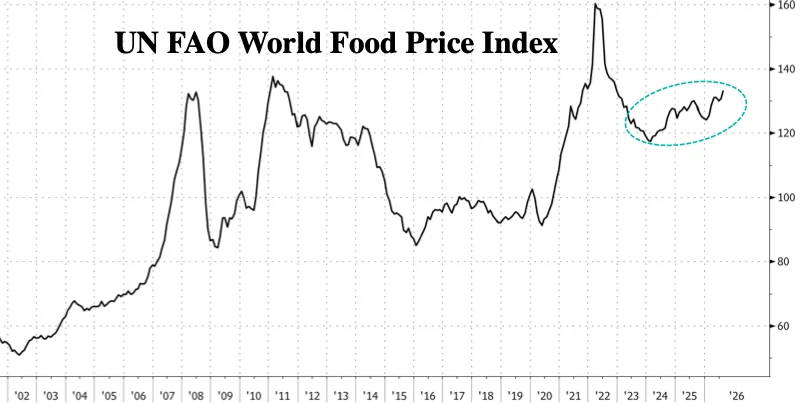
The CBOT rough rice futures primarily track US long-grain rice, which is a significant component of both domestic consumption and export markets. However, the phenomenon of rising rice prices is not isolated to the United States. International markets are also experiencing upward price pressures. Notably, prices in Thailand, a major global rice exporter, have also surged. This confluence of rising prices across different rice-producing and exporting regions suggests a global rather than merely localized supply challenge.
Several factors contribute to this global dynamic. Climate phenomena like El Niño are frequently cited as catalysts for agricultural market volatility. Goldman Sachs analysts, for instance, have estimated that the current El Niño event could push global food commodity prices up by more than 15%. El Niño typically brings altered weather patterns, including increased drought in some key rice-producing regions of Asia and excessive rainfall in others, disrupting planting and harvest cycles.
Adding to the global supply concerns, major rice exporters like India have, at times, imposed export restrictions to ensure domestic food security, sending shockwaves through international markets and compelling importing nations to seek alternative sources or pay higher prices. When a significant exporter like India curtails shipments, the burden often shifts to other major suppliers, including Thailand, Vietnam, Pakistan, and the United States, putting additional strain on their inventories and driving up prices.
The global demand for rice remains robust, driven by population growth and its integral role in diets across Asia, Africa, and Latin America. Any significant disruption to supply from major producers or exporters inevitably creates market imbalances, leading to price spikes and heightened food security concerns.
Official Responses and Industry Perspectives
The USDA, through its regular World Agricultural Supply and Demand Estimates (WASDE) reports, serves as a critical source of information for market participants, policymakers, and the public. Its detailed forecasts and analyses are pivotal in shaping expectations and guiding decisions within the agricultural sector. The repeated emphasis on a "notable shift to a relatively tight U.S. supply situation" from last year’s harvest to this year’s underscores the gravity of the department’s assessment.

Industry stakeholders, including rice farmers’ associations, millers, and food manufacturers, are closely monitoring these developments. Farmers, while potentially benefiting from higher prices, are simultaneously grappling with the challenges that led to reduced planting – high input costs, labor shortages, and water access issues. For millers and food manufacturers, the rising cost of raw rice means increased operational expenses, which they may have to absorb or pass on to consumers. Export companies face the challenge of fulfilling international contracts amidst tighter domestic supplies and higher acquisition costs, potentially impacting the competitiveness of U.S. rice in global markets.
Future Outlook and Implications for Food Security
The current scenario, characterized by a historic low in U.S. rice production and soaring prices globally, is not merely an economic blip but a potent indicator of underlying vulnerabilities in the global food system. The grain that feeds half the world is becoming more expensive in multiple regions, suggesting that household budgets will face continued pressure from food inflation.
Looking ahead, the trajectory of rice prices and production will depend on several critical factors. Weather patterns in the coming planting seasons will be paramount, particularly the influence of El Niño and subsequent climate phenomena. Government policies, including agricultural subsidies, water management regulations, and trade policies, will also play a crucial role in shaping farmer incentives and market dynamics. Furthermore, the global geopolitical landscape, including potential trade disputes or supply chain disruptions, could further complicate the situation.
The current forecast for the U.S. rice harvest serves as a stark reminder of the interconnectedness of agriculture, climate, economics, and global food security. As the world navigates these complex challenges, robust data, transparent market analysis, and proactive policy responses will be essential to ensure a stable and affordable food supply for all. The immediate future suggests a period of elevated prices and tighter supplies, necessitating careful monitoring and strategic planning from producers to consumers.

