
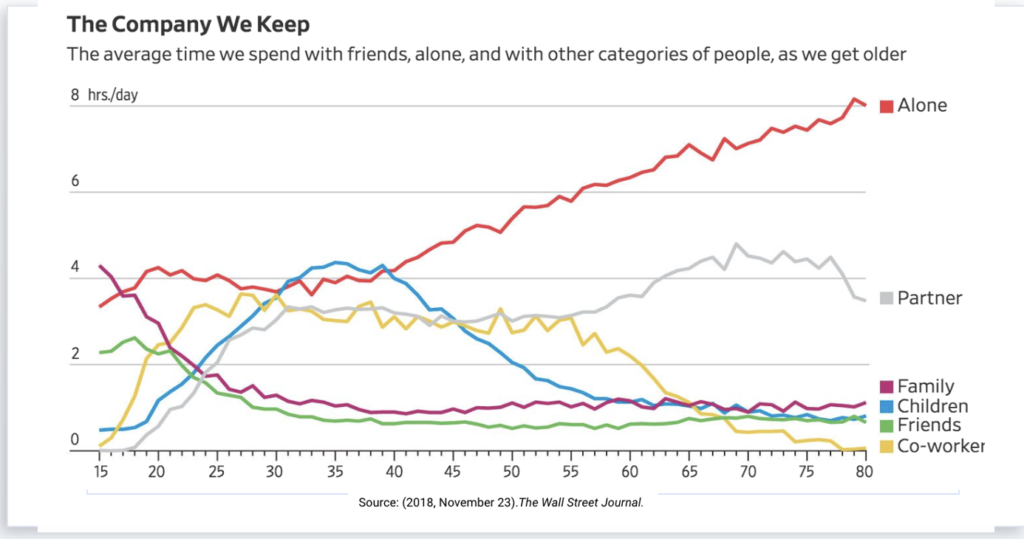
The transition into retirement, while often heralded for its promise of newfound freedom, presents a unique and often underestimated challenge: navigating an amplified inner dialogue. As the structured environments of professional life recede, individuals find themselves spending considerably more time in the company of their own thoughts. This shift, while expected in its solitude, can be surprising in its intensity and its impact on overall well-being. The critical conversations that unfold within this private mental space are emerging as a significant factor in how retirees adapt to their next chapter, with experts highlighting the profound influence of self-talk on mental health, purpose, and life satisfaction.
This phenomenon has been a focal point of discussion on platforms like The Retirement Wisdom Podcast, where recent episodes have delved into the profound implications of our internal monologues. These conversations, often unheard by anyone else, can either serve as a powerful catalyst for personal growth and intentional living or, conversely, contribute to feelings of stagnation and self-doubt. The nature of these internal dialogues, whether they lean towards constructive planning and reflection or devolve into cycles of worry, rumination, and self-criticism, can significantly shape the retiree’s experience.
Central to understanding this dynamic is the work of Dr. Marilee Adams, Founder and CEO of The Inquiry Institute. Her latest book, "Change Your Questions, Change Your Life," now in its fifth edition, underscores a fundamental principle: the questions we pose to ourselves are instrumental in shaping our cognitive frameworks and emotional states. Dr. Adams posits that individuals operate from one of two primary mindsets: the "Judger" or the "Learner."
The Judger mindset is characterized by questions that are often backward-looking, self-critical, and laden with blame. Examples include "What’s wrong with me?" "Why did this happen?" or "Why bother?" These inquiries tend to foster a sense of helplessness and can trap individuals in negative patterns of thought. In stark contrast, Learner questions are forward-looking, curiosity-driven, and open to possibilities. They might take the form of "What do I want now?" "What can I contribute?" or "How else can I think about this?" This shift towards inquiry, according to Dr. Adams, cultivates agency, promotes a growth mindset, and unlocks new avenues for personal and professional exploration.
The timely relevance of this distinction cannot be overstated as individuals enter retirement. This major life transition, marked by the shedding of established routines, professional identities, and external feedback mechanisms, can amplify the influence of internal questioning. Without the external scaffolding of work, Judger questions can readily gain traction, leading to a pervasive sense of unease or dissatisfaction. Conversely, adopting a Learner mindset and engaging in wise questioning can help redirect attention toward what truly matters, such as fostering deeper meaning, cultivating joy, contributing to society, nurturing relationships, and pursuing ongoing personal development.
Further insights into the science of self-talk come from Dr. Ethan Kross, Director of the Emotion & Self Control Laboratory at the University of Michigan, and author of "Chatter: The Voice in Our Head, Why It Matters, and How to Harness It." Dr. Kross distinguishes between ordinary negative thoughts and what he terms "chatter"—a relentless, repetitive loop of worry, rumination, and catastrophizing. While acknowledging that negative emotions, in moderation, can serve as valuable learning experiences, Dr. Kross emphasizes the detrimental effects of becoming trapped in these cyclical thought patterns.
A significant point of convergence between the work of Dr. Adams and Dr. Kross lies in their shared conviction that the objective is not to silence the inner voice but to engage with it more skillfully. Both researchers stress the universal presence of an inner critic and the importance of acknowledging its existence. Crucially, they both highlight that increased awareness of one’s internal dialogue creates a crucial space for choice, enabling a transition from automatic, reactive responses to more intentional and considered actions.
Dr. Adams’s "The Choice Map" provides an elegant framework for navigating this internal landscape. It offers a practical pathway: to recognize when the Judger mindset is active, to pause, and then to consciously shift into the Learner mindset. A particularly powerful "switching question" proposed by Dr. Adams is: "Who do I choose to be in this moment?" This question empowers individuals to actively shape their present experience rather than passively being shaped by their thoughts.
Dr. Kross, on the other hand, champions a "toolbox approach" to managing internal dialogue, recognizing that different situations call for different strategies. His recommendations include "distance self-talk," where individuals address themselves by name, coaching themselves as they would a trusted friend. He also advocates for "mental time travel," encouraging individuals to consider how a current problem will appear in a broader temporal context, such as six months or a year into the future. Integrating these techniques with simple rituals, like a walk in nature, can help individuals become more adept "chatter advisors," equipped with a personalized toolkit for managing their inner world.
Emerging Strategies for a Healthier Inner Dialogue
The insights from leading researchers like Dr. Adams and Dr. Kross offer actionable strategies for retirees seeking to cultivate a more positive and productive inner life. The foundational step involves increasing self-awareness regarding one’s internal conversations.
Cultivating Mindfulness and Intentionality
Drawing from Dr. Adams’s work, a simple yet effective practice is to introduce a physical pause. This act of stopping can interrupt the momentum of negative thought loops. A technique learned from Dr. Aditi Nerurkar, MD, and advocated by Dr. Adams is the "Stop. Breathe. Be." protocol. This brief interlude allows for a conscious re-centering before engaging with internal thoughts.
Following this pause, the crucial step is to actively "catch" one’s questions. By noticing the specific inquiries being directed inward, individuals can begin to identify whether they are operating from a Judger or a Learner perspective. If one finds themselves in what Dr. Adams terms the "Judger Pit"—a state of being stuck in a negative cycle—the "Switching Lane" move becomes paramount. This involves intentionally posing a Learner question to facilitate a shift in mindset.
Re-framing and Temporal Perspective
From Dr. Kross’s research, a key strategy is to alter the "voice" of self-talk. By using one’s own name and adopting a coaching stance, individuals can externalize and re-frame their internal narrative. For instance, asking, "What advice would I give a good friend facing this situation?" can foster a more compassionate and objective perspective.
Another powerful tool is shifting the temporal frame of reference. Asking oneself, "How important will this feel six months from now?" can effectively diminish the perceived magnitude of current stressors, promoting a more balanced outlook.
The Role of Social Support
Finally, recognizing the dynamics of social interaction is also vital. While individual internal work is crucial, the article also touches upon the importance of seeking supportive relationships. Noticing when one is primarily "venting" can be a sign that the negative loop is being reinforced rather than resolved. Identifying individuals who offer genuine empathy and can help broaden perspective is an essential component of a holistic approach to managing one’s inner dialogue.
Broader Implications for Well-being and Adaptation
The collective findings from these experts underscore a critical implication for the retirement landscape: the capacity to effectively manage one’s inner voice is directly linked to the quality of life and overall well-being during this significant life stage. As retirement offers unprecedented freedom, this freedom is most potent when coupled with a refined approach to one’s thoughts and emotional landscape.
The increasing prevalence of retirement, driven by demographic shifts such as the aging of the Baby Boomer generation, places a greater emphasis on understanding and supporting this transition. With an estimated 76 million Baby Boomers in the United States, a substantial portion of the population will be navigating this phase in the coming years. Research consistently shows that a positive retirement experience is not solely dependent on financial security but also on psychological preparedness and the ability to find meaning and purpose outside of paid employment.
The data suggests that individuals who enter retirement with strong coping mechanisms for managing their internal dialogue are more likely to report higher levels of life satisfaction, reduced instances of depression and anxiety, and a greater sense of purpose. Conversely, those who struggle with persistent negative self-talk may experience increased social isolation, a decline in physical health, and a diminished overall quality of life.
The insights offered by Dr. Adams and Dr. Kross provide a proactive and empowering framework for addressing these challenges. By equipping retirees with practical tools and a deeper understanding of their internal processes, they can transform their inner voice from a potential source of distress into a valuable ally and a trusted coach. This internal recalibration is not merely about managing negative emotions; it is about actively cultivating a mindset that supports growth, resilience, and a fulfilling engagement with the opportunities that retirement presents. The ongoing research in this area, including the development of accessible resources like podcasts and self-assessment tools, indicates a growing recognition of the profound impact of our inner conversations on our journey through life’s later chapters.
Ready to Learn More?
Listen to my podcast conversation with Marilee Adams: [Link to Marilee Adams Podcast]
Take the Survey & Download: The Choice Map: [Link to Choice Map Survey]
Read: Change Your Questions, Change Your Life, 5th Edition: [Link to Amazon 5th Edition]
Listen to my two podcast conversations with Ethan Kross:
Chatter & Your Inner Voice – Ethan Kross: [Link to Chatter Podcast]
Read: Chatter: The Voice in Our Head, Why It Matters, and How to Harness It: [Link to Amazon Chatter Book]
Shift – Ethan Kross: [Link to Shift Podcast]
Read: Shift: Managing Your Emotions–So They Don’t Manage You: [Link to Amazon Shift Book]

