

A stark surge of 420% in on-chain malware activity this year has been predominantly driven by state-sponsored hacking groups, with North Korea and Iran identified as the primary culprits, according to a recent report by blockchain analysis firm Chainalysis. These sophisticated actors are increasingly leveraging public blockchains to embed malware instructions and infrastructure details, a tactic that significantly enhances the resilience of their malicious campaigns. This alarming trend underscores a critical evolution in cyber warfare, where the immutable and transparent nature of blockchains is being exploited for persistent and evasive attacks.
The Chainalysis report reveals that state-linked hackers are responsible for approximately two-thirds of the new on-chain malware activity. This means that a substantial portion of the malicious code and operational data is being stored directly on public blockchains, making it exceptionally difficult to remove even if primary attack vectors are disrupted. The report specifically identified UNC5342, a group with documented ties to North Korea, for previously unattributed malicious activities across the Tron, Aptos, and BNB Smart Chain networks. This discovery highlights the expanding operational footprint of these state-sponsored entities within the decentralized ecosystem.
The strategic advantage of using public blockchains for malware deployment lies in their inherent durability. Unlike traditional web infrastructure that can be taken offline through domain seizures or server shutdowns, information embedded on a blockchain is designed to be permanent. This means that even if a command-and-control server is dismantled or a malicious website is taken down, the instructions for the malware can persist on the blockchain, ready to be activated or repurposed. This was a technique previously observed in 2025, when North Korean hackers employed a method known as EtherHiding. In that instance, they concealed cryptocurrency-stealing code within smart contracts on Ethereum, demonstrating a sophisticated understanding of blockchain vulnerabilities and a willingness to adapt their methods for maximum impact.
North Korea’s Strategic Infiltration: Leveraging Foreign Talent for Financial Gain
Adding another layer to the complexity of North Korea’s cyber operations, a separate report indicates that the Democratic People’s Republic of Korea (DPRK) is actively recruiting remote workers from third countries, including Iran and Lebanon. These individuals are reportedly used as intermediaries to pass job interviews for positions within legitimate companies, primarily in the United States. Once the positions are secured, North Korean operatives are then inserted to take over the roles. The ultimate objective of this elaborate scheme is to infiltrate these companies, gain access to sensitive information, and ultimately siphon funds to finance the regime’s weapons programs, according to a report by NBC. This multi-pronged approach, combining sophisticated on-chain malware with human-based infiltration, signifies a significant escalation in the DPRK’s cyber warfare capabilities and its determination to circumvent international sanctions through illicit financial activities.
The implications of this tactic are far-reaching. By using foreign nationals as a front, North Korea can obscure its direct involvement, making attribution and subsequent legal or diplomatic action more challenging. The ability to infiltrate U.S. companies not only provides a direct revenue stream but also offers opportunities for espionage and the acquisition of advanced technologies, further bolstering the regime’s strategic objectives. The reliance on these third-country nationals also suggests a growing need for skilled personnel, potentially indicating a strain on North Korea’s domestic cybersecurity workforce or a desire to diversify operational risks.

Global Regulatory Scrutiny Intensifies: From South Korea to Southeast Asia
The global response to the burgeoning digital asset space continues to be characterized by a mix of innovation and stringent regulatory oversight. In South Korea, authorities have taken a hard line against decentralized prediction markets, with users of platforms like Polymarket being referred to prosecutors. The government’s stance is that these transactions constitute illegal gambling under the country’s Criminal Act, as users are staking assets on outcomes that cannot be predicted with certainty. This decision reflects a broader concern among many jurisdictions regarding the potential for illicit activities and consumer protection issues within the DeFi sector.
Meanwhile, Hong Kong is navigating a dynamic period, seeking to solidify its position as a global cryptocurrency hub. In a move to address recent controversies, Metaplanet has significantly reduced its Series 10 stock pool by 41%, a decision that follows backlash over a previous plan to allocate a substantial portion of its shares to executives. The company has also announced plans to establish a subsidiary in Hong Kong. This adjustment aims to extinguish over $220 million in warrant value and increase the company’s Bitcoin holdings per fully diluted share by approximately 8.8%. This recalibration by Metaplanet suggests a response to market sentiment and regulatory pressures, highlighting the ongoing efforts of companies to align their corporate strategies with evolving investor expectations and the broader financial landscape.
Furthermore, the failure of the CLARITY Act vote in the United States has presented Hong Kong with what industry insiders describe as a "critical strategic window." This legislative setback in the U.S. has spurred calls for Hong Kong to accelerate its own regulatory framework for digital assets. Experts like Allen Ding, director of Bitfire Research, emphasize the importance of seizing this opportunity to position Hong Kong as a leader in the digital asset space. Shawn Yan, founder of Cregis Technology, advocates for Hong Kong to focus on building robust infrastructure that can operate seamlessly across different regulatory jurisdictions, rather than waiting for any single country to define the market. This strategic pivot could allow Hong Kong to attract talent and capital, further cementing its role in the global digital economy.
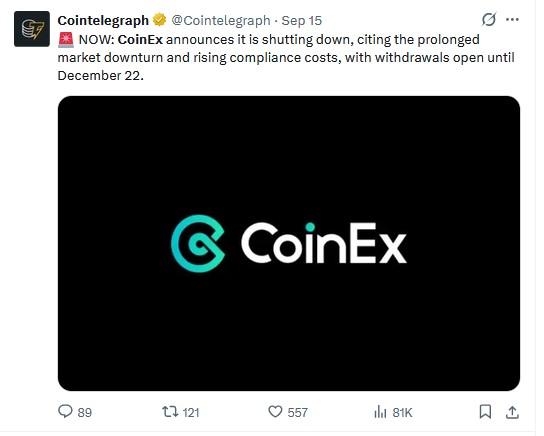
Adding to the shifts in the region, CoinEx, a cryptocurrency exchange founded in Hong Kong, has announced it will cease operations after nine years. The exchange cited a significant contraction in trading volumes and liquidity during the bear market, coupled with escalating regulatory and compliance costs, as the primary reasons for its closure. Withdrawals will remain open until December 22nd, providing users with a window to retrieve their assets. This decision by CoinEx reflects the challenging economic environment and the increasing operational burdens faced by cryptocurrency exchanges globally.
India’s Leap into Tokenized Finance and Enhanced Crypto Enforcement
India is making significant strides in the tokenization of traditional financial instruments. The Securities and Exchange Board of India (SEBI), in conjunction with the Reserve Bank of India (RBI), has launched a pilot program for tokenized corporate bonds. This initiative has already seen three companies issue a combined 10.25 billion rupees (approximately $107 million) through this new market infrastructure. The Demat 2.0 project enables corporate bonds to be issued and held as digital tokens on a distributed ledger managed by the country’s statutory depositories. This system integrates with the RBI’s wholesale central bank digital currency (CBDC) via its Unified Market Interface, signifying a crucial step towards modernizing India’s financial markets and exploring the practical applications of blockchain technology.

In parallel, India’s Parliamentary Standing Committee on Finance has concluded its year-long review of cryptocurrency policy. The government is expected to respond to the committee’s findings next week, paving the way for the formal submission of its report. This comprehensive review indicates a concerted effort by the Indian government to develop a clear and coherent regulatory framework for cryptocurrencies, balancing innovation with risk mitigation.
Furthermore, India’s Enforcement Directorate (ED) is set to bolster its capabilities in investigating economic crimes, with a particular focus on cryptocurrencies. The agency aims to finalize such investigations within an 18-month timeframe, signaling a commitment to enhancing its capacity to track and prosecute crimes involving digital assets. This move underscores the growing concern among law enforcement agencies worldwide regarding the use of cryptocurrencies for illicit purposes and the need for specialized expertise to combat these evolving threats.
Vietnam’s Strategic Embrace of Blockchain and Digital Assets
Vietnam is emerging as a key player in the global blockchain and digital asset landscape. Bitcoin Suisse, a prominent Swiss crypto service provider, plans to relocate up to half of its jobs from Switzerland to Bratislava and Vietnam. The company, founded in 2013, offers a range of services including crypto trading, custody, staking, and lending. The establishment of a new center in Vietnam will focus on back-office and administrative functions, highlighting the country’s growing appeal for skilled labor and its potential as a strategic outsourcing destination for global fintech firms.
Vietnamese regulators are actively developing new mechanisms to monitor crypto-asset service providers and investor transactions, drawing guidance from the Financial Action Task Force (FATF). This proactive approach demonstrates Vietnam’s commitment to aligning its regulatory framework with international standards and combating financial crime.
In a significant development for the region, Binance, the world’s largest cryptocurrency exchange, has signed a Memorandum of Understanding (MOU) to support the development of the Vietnam International Finance Center in Ho Chi Minh City. This partnership signifies Binance’s commitment to Vietnam’s growth as a financial hub and its potential to foster innovation in the digital asset space.
Singapore’s Regulatory Clarity and Regional Market Dynamics
Singapore continues to solidify its position as a leading financial center in Asia, with its exchange receiving approval to offer U.S. perpetuals. The Singapore Exchange (SGX) has become the first major Asian TradFi exchange to obtain authorization from the U.S. Commodities Futures Trading Commission (CFTC) to provide Bitcoin and Ethereum perpetual futures to U.S. institutions. This development is a significant milestone, opening up new avenues for institutional investors in the U.S. to gain exposure to digital assets through regulated traditional finance channels.
In a notable legal development, Singapore’s High Court has provided guidance on the valuation of crypto assets in legal claims. A recent decision has set a precedent that deviates from traditional breach-date damage assessment principles. Law firm Reed Smith noted that the court is unlikely to permit claimants to delay mitigation efforts for extended periods and then seek damages based on higher present-day market prices. This ruling offers clarity for legal professionals and market participants involved in crypto-related litigation, emphasizing the importance of timely action and reasonable mitigation strategies.
The region has also seen significant law enforcement action. Six Malaysian men have been sentenced in Singapore to lengthy prison terms, some exceeding 12 years, along with caning, for an armed robbery in 2024. The heist involved the theft of crypto, cash, and luxury items valued at approximately $4.9 million, underscoring the persistent risks associated with digital asset holdings and the need for robust security measures.
Thailand’s Stablecoin Regulations and Malaysia’s Crypto-Friendly Stance
Thailand’s Securities and Exchange Commission (SEC) has proposed new regulations for stablecoins, including a daily transfer cap of 5 million baht (approximately $151,000). This measure aims to enhance consumer protection and prevent illicit activities by limiting large-scale transactions. The proposed regulations reflect a cautious yet progressive approach to managing the risks associated with stablecoins within the Thai financial system.
In contrast, Malaysia is recognized as one of the more crypto-curious Islamic nations, according to Fitch Ratings. The local Securities Commission has declared Bitcoin, Ethereum, Ripple, and Stellar as Sharia-compliant, signaling a relatively open and supportive stance towards certain cryptocurrencies within the Malaysian context. This classification could encourage greater adoption and integration of these digital assets within the country’s financial ecosystem, particularly among its Muslim majority population.
The evolving landscape of digital assets, from sophisticated state-sponsored cyber threats to innovative regulatory frameworks and market developments across Asia, underscores the dynamic and complex nature of this rapidly advancing sector. As jurisdictions grapple with the opportunities and challenges presented by cryptocurrencies and blockchain technology, the focus remains on fostering innovation while ensuring robust security, investor protection, and financial stability. The ongoing efforts to integrate digital assets into traditional finance, combat illicit activities, and establish clear regulatory guidelines will shape the future trajectory of this transformative technology.

