
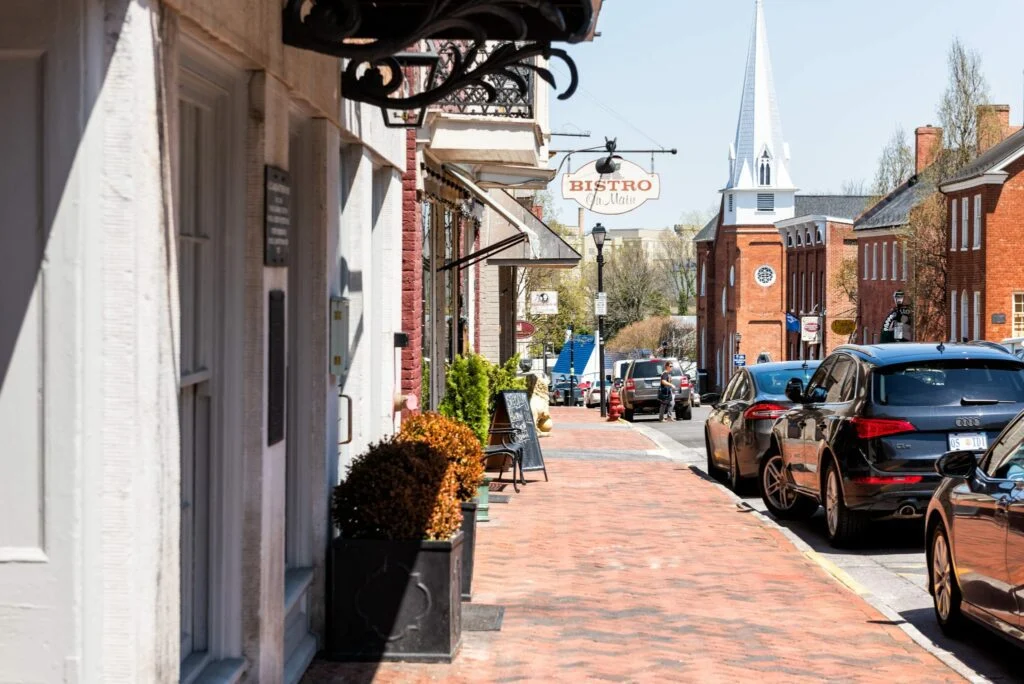
The decision of where to spend one’s retirement years is a significant one, offering newfound freedom to relocate away from the constraints of a career-based city. This crucial choice, however, can be a complex puzzle for many, involving a delicate balance of personal desires, practical considerations, and the evolving landscape of community resources. As individuals approach this life transition, a growing emphasis is being placed on "livability" – a multifaceted concept that extends far beyond mere climate or aesthetic appeal.
The Evolving Retirement Landscape and the Quest for Livability
Traditionally, retirement planning often focused on financial security and proximity to family. However, as the Baby Boomer generation, known for its active and engaged lifestyle, increasingly enters retirement, the priorities have shifted. This demographic is seeking communities that not only offer comfort and affordability but also foster continued engagement, well-being, and access to essential services. The traditional approach of relying on scattered "best places to retire" lists, often curated by various publications, has proven insufficient for many who require a more nuanced and personalized evaluation.
Individuals like Matt Pittman and Kris Jennings meticulously track these annual rankings, seeking inspiration and data points. Katherine and Barry Johnson, on the other hand, immerse themselves in travel shows and "retire here" websites, visually exploring potential locales. Rob Kirby and his partner John have even developed a unique system, a bespoke Excel spreadsheet dubbed "Could We Retire Here?", used during their travels to systematically assess potential hometowns against their specific criteria, which notably include access to cooperative housing and proximity to university resources. This anecdotal evidence highlights a widespread desire for a more structured and data-driven approach to retirement location selection.
AARP’s Livability Index: A New Frontier in Retirement Planning
Addressing this growing need, AARP has launched a significant digital resource: The Livability Index – Great Neighborhoods for All Ages. This comprehensive online tool aims to simplify the complex process of comparing and contrasting neighborhoods across the United States by providing a standardized framework for evaluating key aspects of livability. Developed by AARP, a non-profit organization dedicated to empowering people 50 and older, the index underscores a critical insight: the quality of the environment in which individuals age significantly impacts their well-being and longevity.
"Because where we live as we age is a good indicator of how well and even how long we’ll live," explains Jay Haapala, AARP Minnesota Associate State Director, Community Engagement. "All places are not equal in this way, and there’s much more to livability than nice weather. Plus, when we plan for older adults, we plan for everyone." This statement encapsulates the core philosophy behind the index: that designing communities to be livable for older adults inherently benefits all age groups and fosters more inclusive and robust neighborhoods.
Defining a Livable Community: A Multifaceted Approach
According to AARP’s framework, a truly livable community is characterized by its ability to support individuals of all ages, abilities, and income levels. This encompasses a broad spectrum of factors that contribute to a high quality of life and sustained well-being. While the original article provided a framework for these characteristics, a deeper dive reveals their interconnectedness and critical importance.
Key Pillars of Livability:
- Affordability: This extends beyond housing costs to include the overall cost of living, encompassing utilities, transportation, food, and healthcare. A community where essential expenses are manageable allows residents to maintain their financial independence and reduce stress. Data from the U.S. Bureau of Labor Statistics consistently shows significant regional variations in the cost of living, impacting the real purchasing power of retirement income. For instance, a retiree on a fixed income might find a lower cost of living in a Midwestern city significantly more advantageous than a seemingly similar-sized city on the coasts.
- Housing Options: A livable community offers a diverse range of housing types to accommodate varying needs and preferences. This includes single-family homes, apartments, condominiums, townhouses, and importantly, options for accessible and age-in-place living, such as single-story dwellings and communities with built-in support services. The availability of affordable and suitable housing is a critical factor in enabling seniors to remain in their communities as their needs change. According to the National Council on Aging, a significant percentage of older adults wish to age in place, but many homes are not adequately equipped for this.
- Transportation: Accessible and reliable transportation is paramount. This includes well-maintained public transit systems, safe and walkable streets, accessible sidewalks, and availability of ride-sharing services or senior transportation programs. For those who no longer drive or wish to reduce their reliance on personal vehicles, robust public transportation is a lifeline, facilitating access to essential services, social activities, and community engagement. The Federal Transit Administration’s data highlights the critical role of public transit in connecting seniors to vital resources and reducing social isolation.
- Access to Health and Wellness Services: Proximity to quality healthcare providers, hospitals, pharmacies, and community health centers is a fundamental requirement. Beyond medical facilities, a livable community also promotes well-being through access to parks, recreational facilities, fitness centers, and opportunities for social interaction and lifelong learning, which are crucial for both physical and mental health. The Centers for Disease Control and Prevention (CDC) emphasizes the link between social connectedness and positive health outcomes in older adults.
- Community Engagement and Social Capital: This refers to the presence of opportunities for social interaction, volunteerism, civic participation, and cultural enrichment. Vibrant community centers, libraries, senior centers, and active civic organizations foster a sense of belonging and purpose, combating isolation and promoting active aging. Research from the Institute for Healthcare Improvement consistently points to the positive impact of social connection on health and longevity.
- Safety and Security: Residents need to feel safe in their homes and communities. This includes low crime rates, well-lit public spaces, and effective emergency services. A sense of security contributes significantly to overall peace of mind and quality of life.
- Environmental Quality: Clean air and water, access to green spaces, and a well-maintained urban environment contribute to a healthier and more pleasant living experience.
Navigating The Livability Index: A Data-Driven Approach to Decision-Making
The Livability Index empowers individuals to move beyond anecdotal evidence and subjective preferences by providing a data-driven platform for evaluating potential retirement destinations. The process is designed to be intuitive and user-friendly. Users can simply input an address, city, state, or ZIP code to receive a comprehensive score, ranging from 0 to 100, across seven critical areas that directly influence an individual’s quality of life.
The Seven Key Areas of Assessment:
- Housing: Evaluates the affordability, availability, and diversity of housing options.
- Transportation: Assesses the accessibility, affordability, and efficiency of public transit, walkability, and bikeability.
- Health: Measures the proximity and quality of healthcare facilities, as well as access to health and wellness programs.
- Community: Examines opportunities for social engagement, volunteerism, and civic participation.
- Environment: Considers factors like air and water quality, access to green spaces, and overall environmental health.
- Technology: Assesses the availability and accessibility of broadband internet and digital literacy resources, increasingly important for staying connected and accessing services.
- Civic Engagement: Gauges the level of community involvement, access to information, and opportunities for participation in local governance.
A particularly valuable feature of The Livability Index is its comparative functionality. Users can compare up to three locations side-by-side, allowing for direct assessment of how different communities stack up against each other. Furthermore, the index offers customization options, enabling users to prioritize the criteria that are most important to their individual lifestyles and needs.
"You can even see how the west side of a town differs from the east side," notes Haapala, highlighting the granular level of detail available. "Plus, you can drill down into the specific criteria that are important to you." This ability to refine searches allows for a highly personalized experience. For a book enthusiast who enjoys author readings, the index can reveal the proximity of a potential new residence to a public library. Similarly, an individual who relies on public transportation to visit grandchildren can assess the stroller-friendliness and accessibility of a city’s transit system.
Implications and Broader Impact
The development and widespread adoption of tools like AARP’s Livability Index have significant implications for retirement planning and urban development. For individuals, it democratizes access to information, empowering them to make informed decisions that align with their long-term well-being and lifestyle aspirations. This data-driven approach can lead to greater satisfaction in retirement, reducing the likelihood of costly and emotionally taxing relocation decisions down the line.
From a societal perspective, the emphasis on livability for all ages encourages cities and towns to prioritize inclusive infrastructure and services. When communities are designed to be accessible, affordable, and engaging for older adults, they often become more desirable for people of all generations, fostering stronger social cohesion and economic vitality. This shift in focus can influence urban planning policies, public investment decisions, and the development of new housing and transportation solutions.
The COVID-19 pandemic further underscored the importance of a well-designed and supportive living environment. With many individuals spending more time at home and experiencing limitations on travel and social gatherings, the quality of their immediate surroundings became paramount. The Livability Index offers a safe and accessible way to explore potential future homes, particularly when physical travel may be restricted.
In conclusion, as individuals contemplate their retirement journey, the concept of livability has emerged as a central tenet. Tools like AARP’s Livability Index provide a powerful and accessible means to navigate this complex decision, moving beyond superficial rankings to a data-informed evaluation of communities that truly support a high quality of life for all ages. By considering the multifaceted aspects of livability, retirees can make more informed choices that lead to fulfilling and vibrant lives in their golden years.

