
A profound re-evaluation of urban design is gaining momentum, advocating for a fundamental shift from automobile-centric infrastructure to environments built primarily for people. This paradigm proposes that prioritizing human experience—walkability, cycling, and public spaces—over vehicle accommodation could unlock unprecedented benefits across health, wealth, and societal well-being. Proponents of this radical urban redesign suggest it could be the single most impactful change for global populations, addressing a multitude of contemporary challenges in one sweeping initiative.
The Case for Human-Centric Urbanism
The core argument posits that current urban planning, heavily influenced by the rise of the automobile in the 20th century, has inadvertently created cities that are less efficient, less healthy, and more costly. By dedicating vast expanses of valuable land to roads, parking lots, and sprawling intersections, cities have inadvertently pushed essential services, residences, and social hubs further apart, making car ownership a perceived necessity rather than a choice. This design philosophy has entrenched a cycle of dependency, where the need for cars dictates further car-friendly infrastructure, perpetuating congestion, pollution, and sedentary lifestyles.
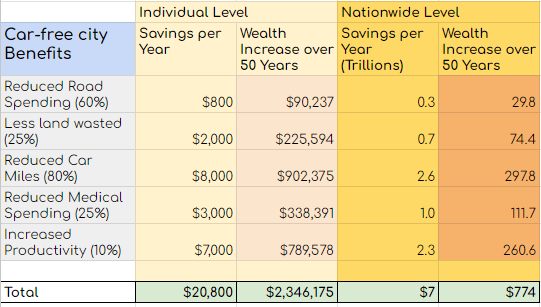
The potential benefits of reversing this trend are projected to be staggering. Economic analyses suggest a life boost exceeding $20,000 per person annually, accumulating to over two million dollars per adult lifetime in savings and increased productivity. On a national scale, a shift to human-centric urbanism in the United States could theoretically boost national wealth by approximately seven trillion dollars per year, compounding to an estimated $770 trillion over five decades. This sum is projected to surpass the current total global human wealth, underscoring the immense economic inefficiencies embedded in car-dependent urban models. These financial gains would stem from reduced transportation costs, lower healthcare expenditures due to more active lifestyles, increased property values in desirable walkable areas, and a reallocation of land previously dedicated to vehicle infrastructure.
Beyond economics, the vision promises a significant upgrade in quality of life. Homes could be more affordable, beautiful, and spacious, as land is utilized more efficiently for living rather than parking. Public and private investment accounts could see surpluses from reduced expenses and increased economic activity, fueling an investment and prosperity boom. Personal health metrics are also expected to improve dramatically, with increased physical activity leading to stronger bodies and healthier brains, subsequently reducing healthcare costs and improving overall vitality.
Understanding the Current Urban Predicament
The prevailing urban landscape, characterized by wide roads, extensive parking facilities, and dispersed amenities, is a direct consequence of decades of planning focused on vehicle throughput. This approach, often managed by municipal committees tasked with maintaining the status quo, has largely overlooked the long-term human and economic costs. Such committees, often influenced by established industries and resistant to disruptive change, have perpetuated a system that, while seemingly functional, is deeply inefficient and detrimental to community well-being.
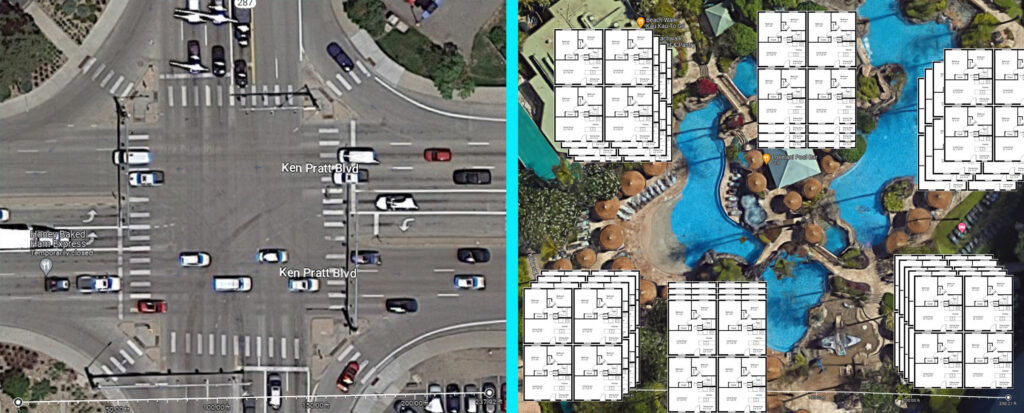
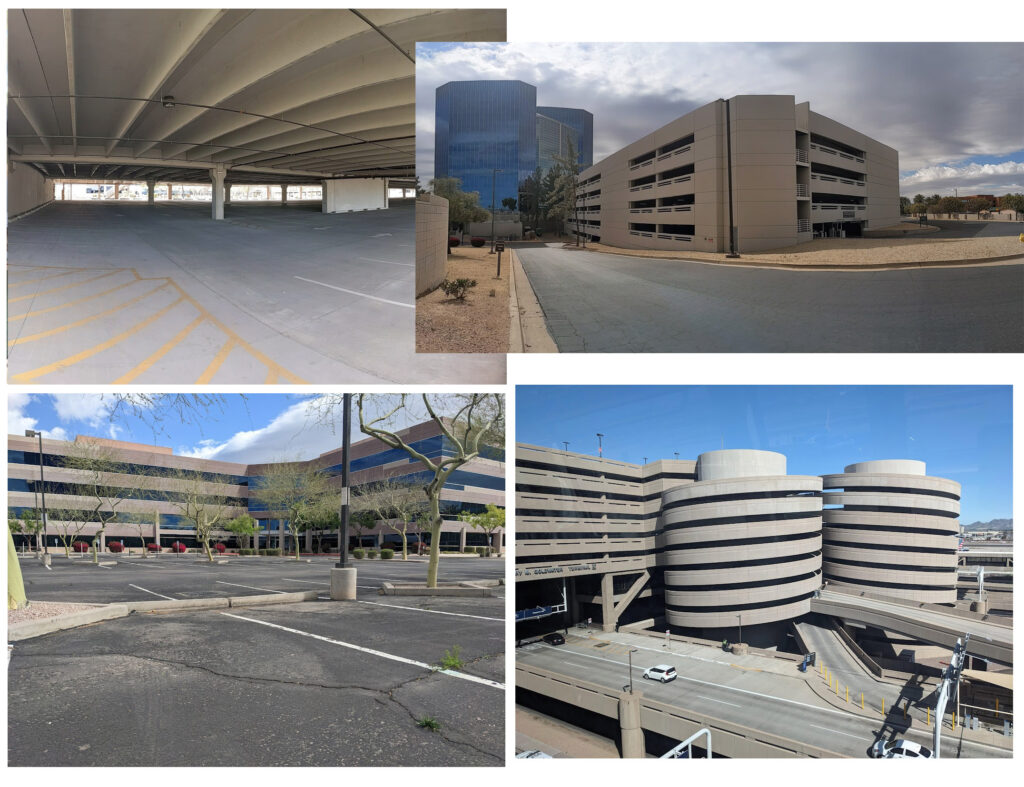
Visualizing this inefficiency reveals the stark contrast in land use. A single two-bedroom apartment, offering comfortable living space for a family, occupies roughly the same footprint as just two small car parking spaces. Extending this observation to larger scales, a typical large intersection, spanning approximately 250 by 250 feet, consumes about 1.5 acres of land. This seemingly innocuous space, often perceived as a fleeting passage, could instead house around 200 people in a resort-like setting, complete with amenities such as a pool, a dog park, a grocery store, and multiple restaurants. The city of Phoenix, for instance, exemplifies this car-centric obsession, with vast expanses dedicated to parking lots and multi-lane roads, much of which lies underutilized during significant portions of the day.
This extensive allocation of land to cars creates a self-fulfilling prophecy: the sheer distance and often unpleasant, dangerous conditions for pedestrians or cyclists between destinations necessitate car use. The very infrastructure designed to facilitate driving inadvertently creates the primary reason people feel they must drive.
Addressing Common Concerns and Alternatives
The idea of drastically reducing car dependency often elicits questions, primarily concerning continued mobility. Critics frequently inquire, "How are we going to keep driving our cars just as much as we do now?" This question, however, fundamentally misunderstands the proposal. The central premise is that by eliminating the vast, inefficient spaces currently dedicated to automobiles, the need for frequent car use diminishes significantly. Cities can be rewoven into compact, mixed-use communities where daily necessities and leisure activities are within easy walking or cycling distance.
In such human-centric designs, conventional public transit, while valuable, may even see reduced reliance for short-to-medium distances due to the enhanced efficacy of active transportation. For distances under two miles, walking becomes the primary mode, offering health benefits and direct routes. For distances up to 15 miles, electric bicycles (e-bikes) emerge as a superior urban transport solution. E-bikes are often faster than cars in congested urban environments, offer exercise, and contribute to a more enjoyable commute. When 90% of land currently wasted on accommodating cars is repurposed, active transport becomes exponentially more efficient and appealing. This transformation promises faster travel times, lower costs, and a more engaging experience for everyone. While light rail and faster buses would still serve regional connectivity, and ride-sharing services or personal vehicles would be available for specific needs, their overall frequency of use would drastically decrease.
Culdesac Tempe: A Blueprint for the Future

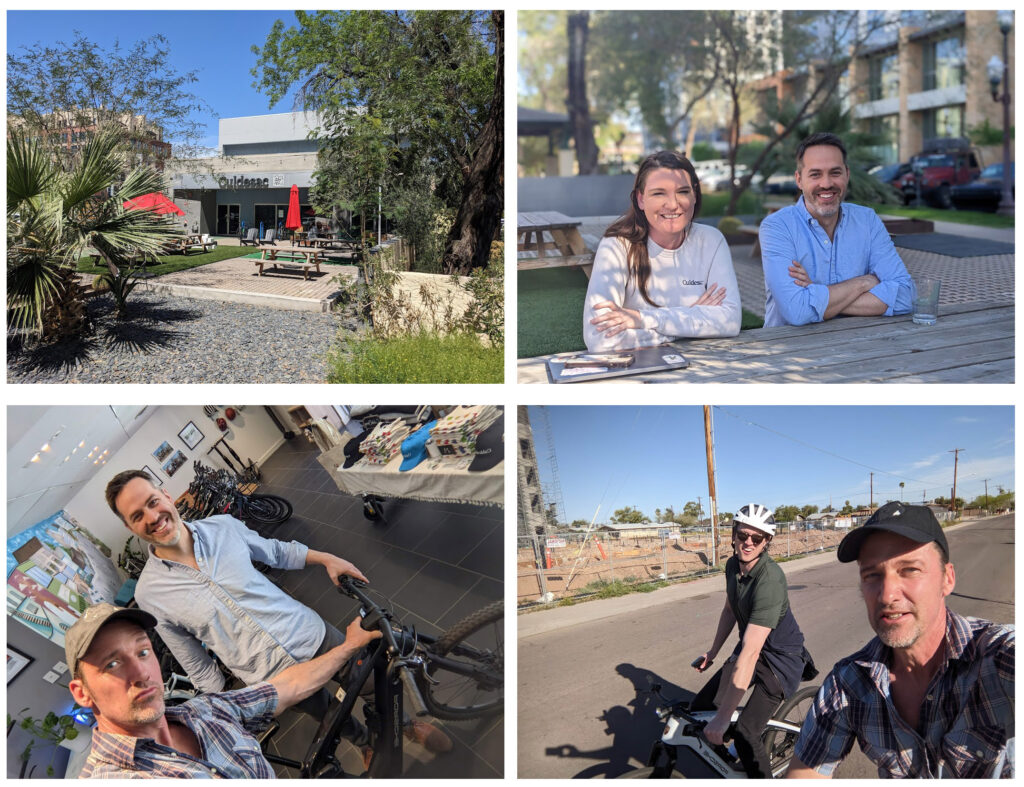
While the vision for car-free cities is compelling, its practical implementation has historically faced significant bureaucratic and logistical hurdles. However, groundbreaking progress is being made by innovative developers. Culdesac Tempe, the United States’ first purpose-built car-free neighborhood, stands as a tangible proof-of-concept. Located in Tempe, Arizona, this 1000-person community, currently in its initial phases, offers a glimpse into the future of urban living.
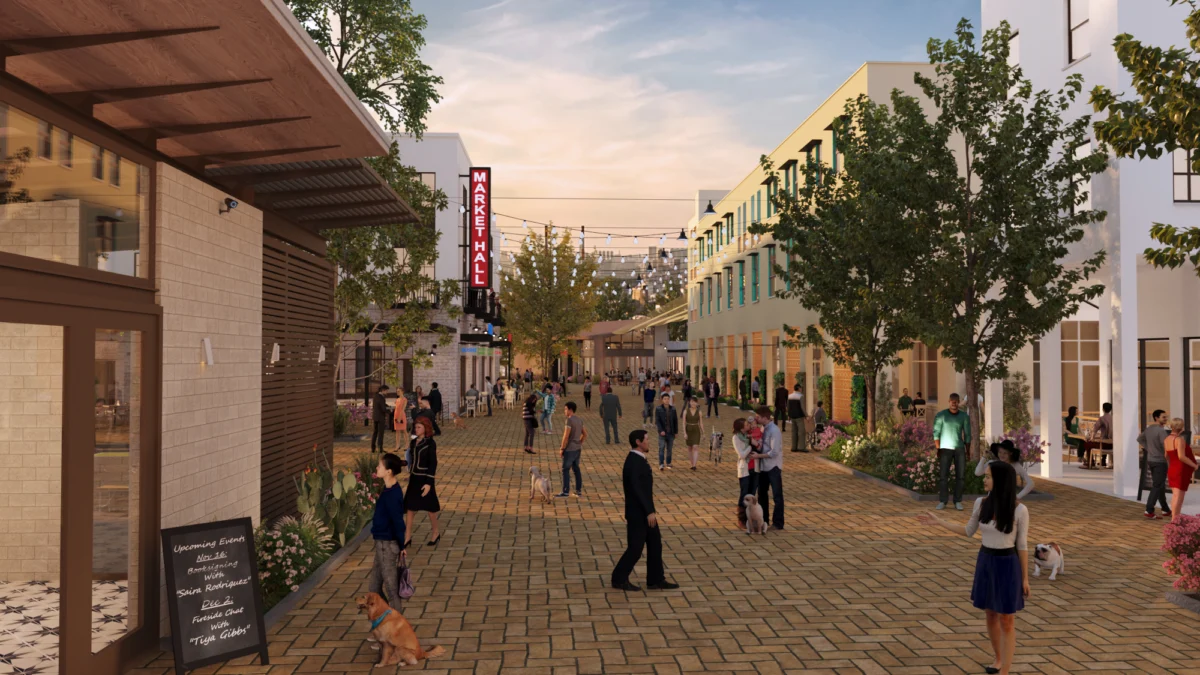
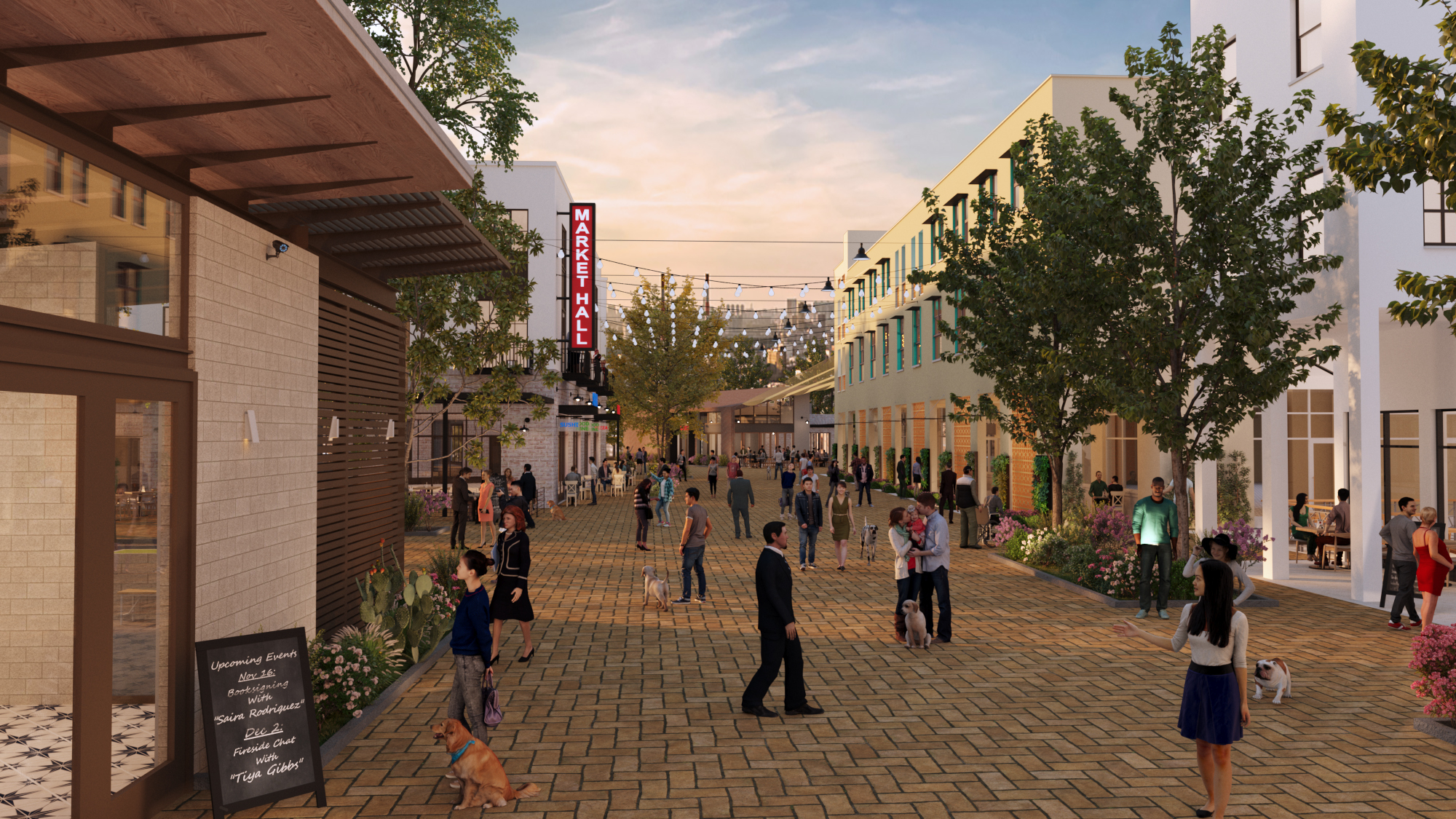
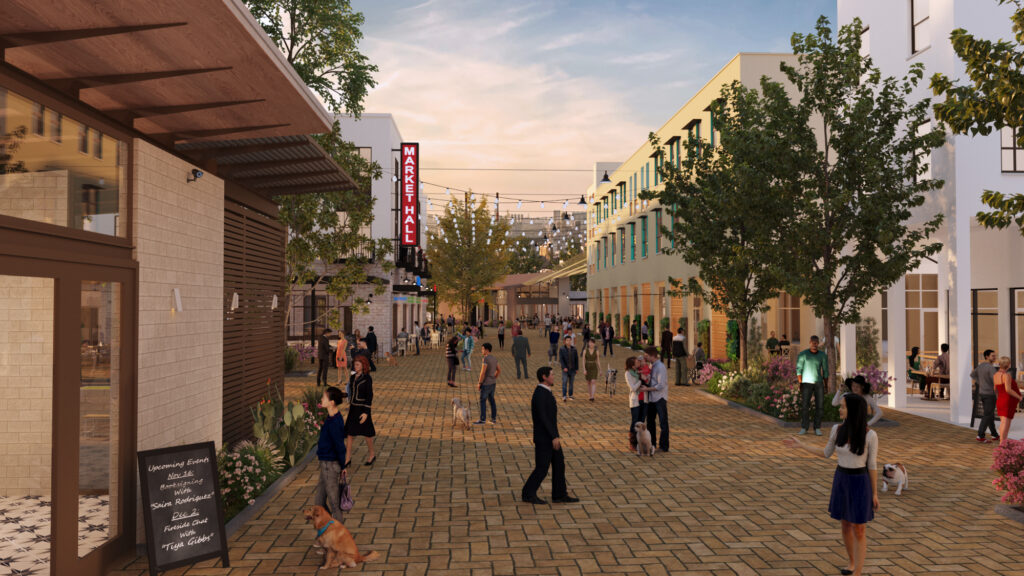
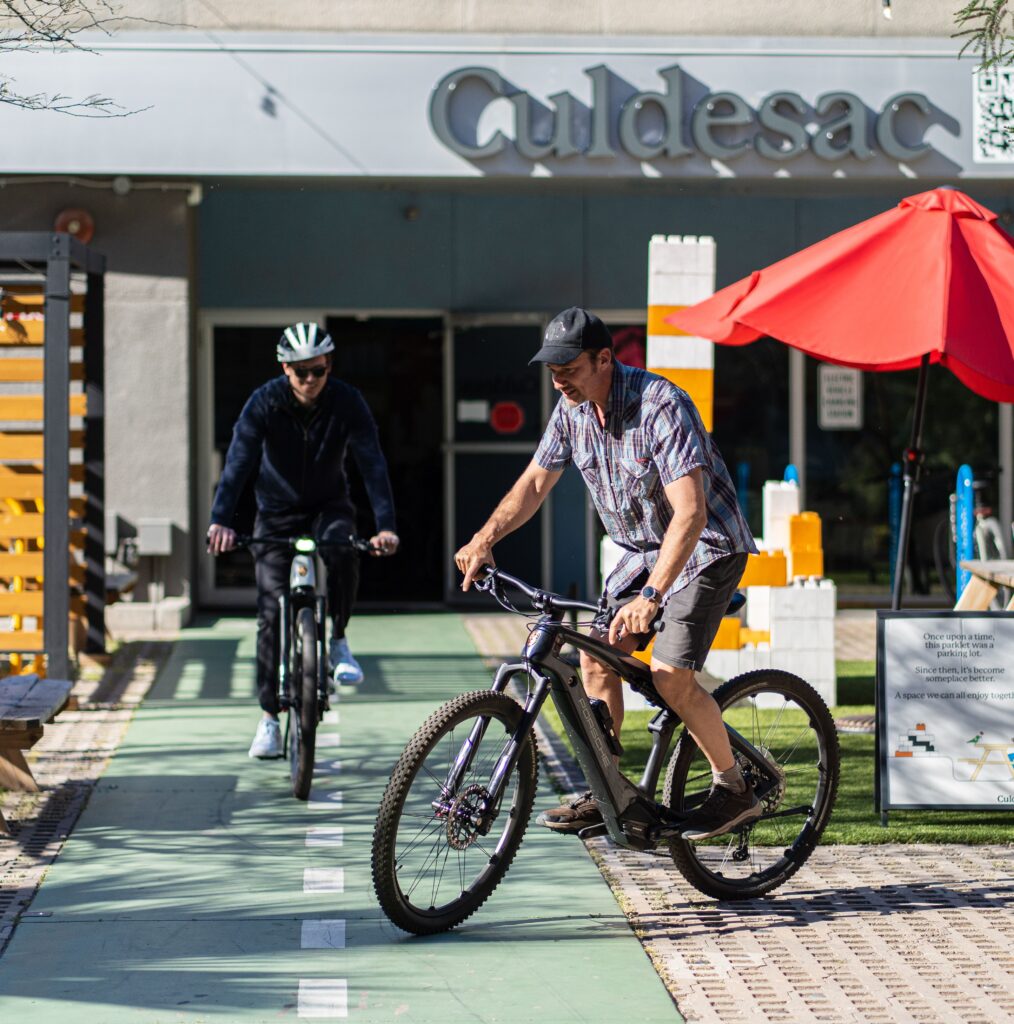
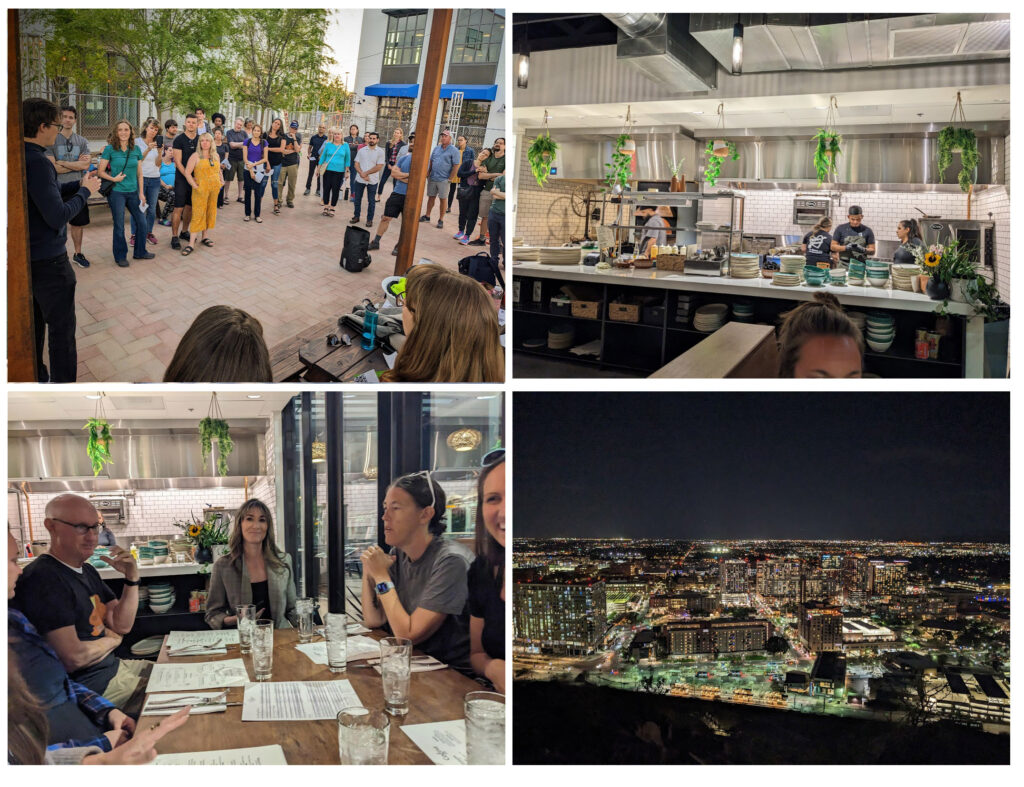
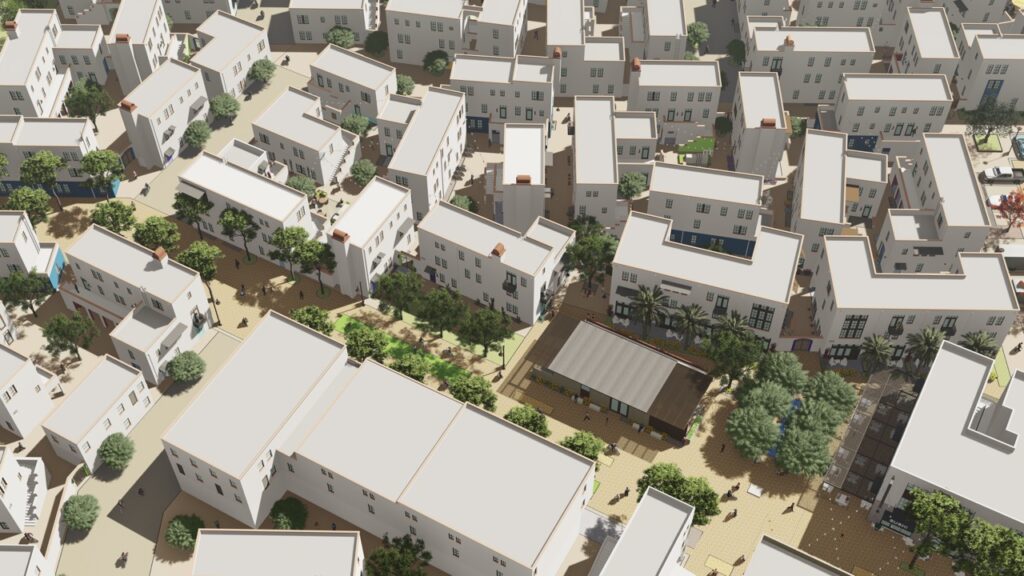
Culdesac Tempe spans 17 acres and reimagines land use by replacing traditional parking lots with expansive, aesthetically pleasing walking paths and communal gathering areas. The development strategically integrates daily amenities directly into the neighborhood fabric, eliminating the need for residents to drive for basic errands. These include diverse restaurants, a grocery store, a coffee shop, a fitness center, co-working spaces, a swimming pool, a dog park, and dedicated event areas and outdoor markets. The architectural design, inspired by Mediterranean aesthetics, incorporates elements for passive cooling, such as shade structures and breezeways, crucial for the hot desert climate. The presence of palm trees, leafy gardens, and year-round flora capitalizes on the region’s mild winters, fostering a vibrant outdoor environment.

Strategic location is key to Culdesac’s success. Situated in the heart of the Phoenix metropolitan area, it offers convenient access to Arizona State University and is directly adjacent to a light rail stop. This connectivity allows residents to reach almost any destination within the metro area, including the airport, without a personal vehicle. An annual pass to the public transit system is included with rent, further incentivizing public transportation use. For journeys beyond walking or cycling range, or for specific needs like mountain excursions, Culdesac provides a fleet of electric rideshare cars for residents. This comprehensive approach to mobility ensures residents enjoy unparalleled freedom of movement without the burden and expense of car ownership.
The Visionary Master Plan
Culdesac Tempe is not merely an isolated project but rather a pilot for a much grander vision. The developers aim to demonstrate the financial viability and superior lifestyle offered by car-free communities. Their master plan involves:
- Replicating Success: Developing more Culdesac-style neighborhoods in various locations, refining the model with each iteration.
- Scalability: Gradually increasing the size of these developments, progressing from 1,000-person neighborhoods to 20,000-person towns, and ultimately to 100,000-person cities.
- Influence and Transformation: Using the demonstrated success of these new communities to influence the retrofitting and redesign of existing car-dependent cities. The ultimate goal is to convert large, inefficient spaces, such as vast shopping center parking lots, into vibrant, mixed-use, human-centric urban centers.
This ambitious roadmap acknowledges that transformative change requires compelling proof. By showcasing profitable, desirable, and sustainable car-free living at increasing scales, Culdesac aims to shift public perception and policy towards a future where human well-being, not automotive convenience, dictates urban form.
Pathways to a Car-Free Future
For individuals and communities interested in supporting this transformative movement, several avenues exist:
- Advocacy and Awareness: Engage in discussions, share information, and educate others about the benefits of human-centric urban planning. Amplifying the successes of projects like Culdesac Tempe can shift public opinion and create demand for similar developments.
- Local Engagement: Actively participate in local zoning meetings and city council discussions. Advocate for policy changes that support walkable, bikeable communities, reduce parking minimums, and encourage mixed-use development.
- Developer Support: Encourage and support developers who are pursuing innovative, human-centric projects. This can involve expressing interest in living in such communities or investing in related ventures.
- Political Action: Support politicians and policymakers who champion progressive urban planning initiatives and sustainable development. Their leadership is crucial for overcoming regulatory hurdles and driving systemic change.
The implications of adopting human-centric urbanism are profound, extending far beyond traffic reduction or environmental benefits. It represents an opportunity to fundamentally re-engineer societal structures to foster healthier, wealthier, and more connected communities. Urban planning, often perceived as a mundane administrative task, holds the key to unlocking immense economic and social prosperity, akin to discovering a simple, universally applicable cure for chronic societal ailments. The stakes are undeniably high, with the potential for an explosive upward trajectory in personal and national well-being for generations to come. The question remains whether communities are ready to embrace this vital shift towards a more vibrant and sustainable future.

