
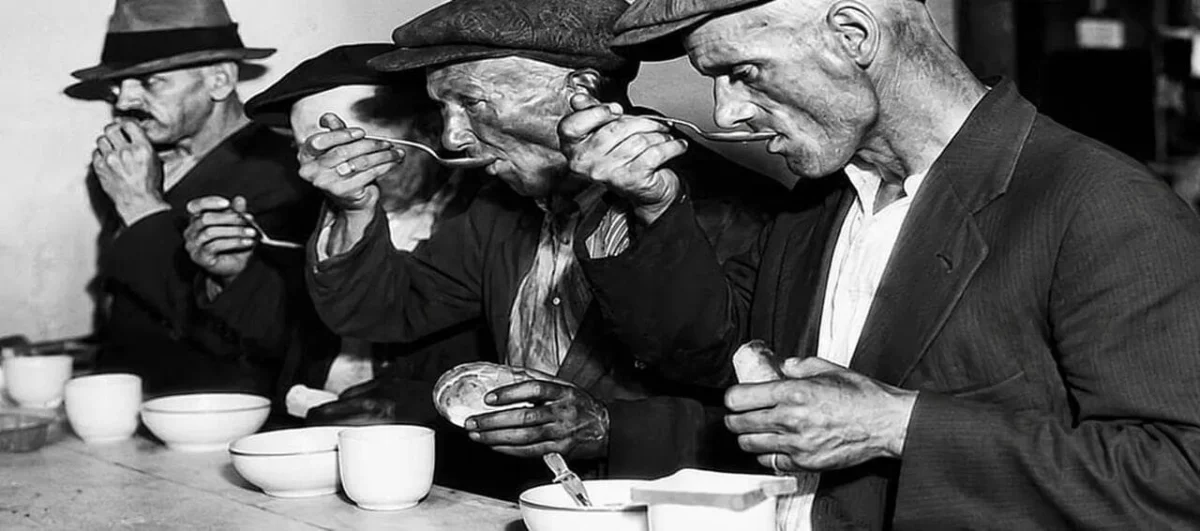
The Great Depression, a cataclysmic economic downturn that gripped the world in the 1930s, offers stark lessons in human resilience and resourcefulness, insights that remain profoundly relevant in an era of increasing global uncertainty. While nearly a century separates us from its peak, the mechanisms of economic vulnerability – speculative bubbles, systemic debt, and the sudden evaporation of capital and opportunity – echo through contemporary discourse. The period was not merely a historical footnote but a crucible that forged an indelible understanding of survival, transforming societal norms and individual habits across generations.
The Genesis of Crisis: A Precarious Prosperity
The decade preceding the Great Depression, often romanticized as the "Roaring Twenties," was characterized by an explosion of industrial output, technological innovation, and a burgeoning consumer culture. However, beneath the veneer of prosperity lay significant structural weaknesses. Agricultural sectors had been in decline since the post-World War I boom ended, leaving farmers struggling with falling prices and mounting debt. Wealth inequality was rampant, with a small percentage of the population controlling a disproportionate share of national assets, limiting broad-based consumer demand. Crucially, the stock market became an arena for rampant speculation, fueled by easily accessible credit and an optimistic, almost irrational, belief in perpetual growth. Individuals and institutions borrowed heavily to invest in stocks, often on thin margins, creating an unstable financial edifice.
Chronology of Collapse: Key Milestones
October 29, 1929 – Black Tuesday: The catastrophic stock market crash marked the beginning of the Depression. Following days of nervous trading, the market experienced its most devastating single day. The Dow Jones Industrial Average plummeted 12%, wiping out billions of dollars in market value. This was not the cause of the Depression but rather a powerful symptom and accelerator, shattering investor confidence and initiating a domino effect across the economy.
1929-1932 – Industrial Paralysis and Banking Crises: In the immediate aftermath, industrial production began to contract sharply. Factories closed, demand evaporated, and unemployment surged. The banking system, already fragile due to lax regulation and speculative lending, experienced widespread failures. Over 9,000 banks closed between 1930 and 1933, erasing savings and further crippling economic activity as credit markets froze. The lack of federal deposit insurance meant that when a bank failed, depositors lost everything.
1932-1933 – The Nadir of Despair: By 1932, the U.S. economy had shrunk by roughly 50% from its 1929 levels. Unemployment peaked at an astonishing 25% nationally, meaning one in four American workers was jobless. In some industrial cities, this figure soared even higher, exceeding 50%. Millions faced eviction, leading to the proliferation of "Hoovervilles" – shantytowns named derisively after President Herbert Hoover, whose administration was perceived as inadequate in its response. The Dust Bowl, a series of severe dust storms caused by decades of unsustainable farming practices and drought in the Great Plains, exacerbated the crisis, forcing hundreds of thousands of "Okies" and "Arkies" to migrate westward in search of work and arable land.
1933-1939 – The New Deal Era and Gradual Recovery: The election of Franklin D. Roosevelt in 1932 ushered in a period of unprecedented government intervention. The "New Deal" programs, initiated from 1933 onwards, aimed at providing "Relief, Recovery, and Reform." Key initiatives included:
- Emergency Banking Act: Reopened solvent banks and restored public confidence.
- Civilian Conservation Corps (CCC): Employed young men in conservation projects.
- Works Progress Administration (WPA): Funded public works projects, employing millions.
- Agricultural Adjustment Act (AAA): Aimed to stabilize agricultural prices.
- Social Security Act (1935): Established a national system of social insurance, including unemployment benefits and old-age pensions, laying the foundation for the modern welfare state.
Despite these efforts, full recovery remained elusive, and the economy experienced a sharp recession in 1937-1938.
1941 – The End of the Depression: It was the massive mobilization for World War II that ultimately pulled the United States out of the Depression. The demand for war materials, coupled with widespread military conscription, absorbed the remaining unemployment and kickstarted industrial production to an unprecedented degree.
Supporting Data: The Hard Realities
The economic data from the Great Depression paints a grim picture:
- Gross Domestic Product (GDP): From 1929 to 1933, real GDP fell by approximately 30%.
- Unemployment: Rose from 3.2% in 1929 to a peak of 24.9% in 1933.
- Industrial Production: Declined by 47% from 1929 to 1933.
- Farm Income: Fell by 50% during the same period.
- Bank Failures: Over 9,000 banks failed between 1930 and 1933, representing roughly 40% of all banks.
- Housing Market: Foreclosure rates soared, with approximately 250,000 families losing their homes in 1932 alone.
These figures represent not just abstract economic indicators, but the lived experience of profound hardship for millions of Americans.
Official Responses and Broader Implications
The initial response from the Hoover administration was largely based on a belief in minimal government intervention and the self-correcting nature of markets. Hoover initiated some public works projects and established the Reconstruction Finance Corporation (RFC) to lend money to struggling businesses, but these measures were deemed too little, too late.

Franklin D. Roosevelt’s New Deal marked a radical departure, fundamentally altering the relationship between the government and its citizens. It established the principle that the federal government had a responsibility to ensure the economic well-being of its people and stabilize the economy. This shift led to the adoption of Keynesian economic principles, advocating for government spending to stimulate demand during downturns. The legacy of the New Deal includes not only specific programs but also a permanent expansion of the federal government’s role in regulating the economy and providing a social safety net, including the Securities and Exchange Commission (SEC) to prevent future stock market abuses and the Federal Deposit Insurance Corporation (FDIC) to protect bank deposits.
Culturally, the Depression instilled a deep-seated frugality and a distrust of financial institutions. It also reinforced the importance of community and mutual aid, as formal support systems were often inadequate or nonexistent.
Lessons in Resilience: A Field Manual from the Past
The collective experience of the Great Depression generated a unique body of practical knowledge for survival, an unwritten "field manual" forged in adversity. These lessons transcend mere economics, speaking to human ingenuity, community spirit, and the sheer will to endure.
Securing Livelihoods: Adaptability in Labor
When traditional employment vanished, individuals and families developed innovative strategies to generate income and sustain themselves.
- Clan Movement (1): Families often migrated together, pooling resources and labor. This strategy, seen in the Dust Bowl migrations, ensured that collective strength could offset individual vulnerability.
- Following the Harvest (2): Many families became migrant farmworkers, chasing seasonal crops across states. This transient lifestyle, though arduous, provided a crucial source of income.
- Job Flexibility (3): Pride became a luxury. Men who had held white-collar jobs took on manual labor; women previously confined to homemaking entered the workforce in whatever capacity available. The focus was on securing any work, not ideal work.
- Full Family Engagement (4): Children sold newspapers or gathered recyclables; grandparents contributed by caring for younger family members, freeing adults to work. Every able-bodied person contributed to the household’s economic survival.
- Scavenging and Resourcefulness (5): Discarded items—driftwood for fuel, scrap metal for cash, bones for glue—were repurposed, turning refuse into value.
- Engaging Government Programs (6): New Deal initiatives like the CCC and WPA, while temporary, provided employment, skills training, and wages. Wise individuals took advantage of these opportunities while remaining self-reliant.
- Continuous Work (7): The concept of retirement was foreign to many. Work continued as long as the body allowed, often into old age, reflecting a profound commitment to self-sufficiency.
- Patchwork Income (8): Rather than a single full-time job, many cobbled together multiple part-time positions, maximizing income from diverse sources.
- Proactive Job Seeking (9): Waiting for job advertisements was not an option. Individuals walked the streets, knocking on doors, offering their labor directly.
- Entrepreneurial Spirit (10): Necessity spurred micro-enterprises. Women baked and sold goods; men offered repair services, creating informal economies.
- Cultivating Versatility (11): Specialists struggled, but generalists thrived. The ability to perform multiple trades—carpentry, plumbing, basic mechanics—increased employability significantly.
- Payment in Kind (12): Bartering services or goods for food or other necessities was common, especially in rural areas, where cash was scarce.
Resourceful Shelter and Home Management
Maintaining shelter and managing household resources efficiently were critical for survival.
- Crowding Under One Roof (13): Extended families often lived together, pooling resources and sharing the burden of rent or mortgage, saving on heating and other costs.
- Vehicle as Shelter (14): For those who lost their homes, cars or trucks became mobile shelters, parked in discreet locations.
- Building from Scrap (15): Shantytowns, or Hoovervilles, were constructed from salvaged materials like packing crates, corrugated tin, and tar paper, providing basic, albeit precarious, shelter.
- Desperate Insulation (16): Walls were stuffed with anything available—mud, newspapers, old coats—to retain heat and block wind.
- Indoor Coats (17): To conserve fuel, families often kept thermostats low, wearing layers of clothing indoors.
- Evaporative Cooling (18): Wet sheets hung in doorways offered a rudimentary form of air conditioning in stifling summer heat.
- Refinancing (19): Aggressive renegotiation of mortgages was a common strategy to avoid foreclosure, buying precious time.
- Cashing Safety Nets (20): Life insurance policies, often viewed as savings, were cashed in to meet immediate needs, prioritizing the living over future beneficiaries.
Food Security: From Scarcity to Sustenance
Feeding a family became the paramount challenge, leading to extreme resourcefulness in food procurement and preparation.
- Barter Economies (21): Direct exchange of goods or services for food was prevalent, bypassing the need for scarce currency.
- Begging Without Shame (22): Asking for food, especially from restaurants or sympathetic individuals, became a necessary act of survival.
- Distrust of Banks (23): Many learned to keep cash and valuables hidden at home, rather than in banks that could fail and wipe out savings.
- Loose Credit (24): Local storekeepers often extended credit to regular customers, based on trust and community ties, hoping for repayment in better times.
- Digging in the Dirt (25): Home gardening, even in small city plots, was crucial. Lawns were converted to vegetable patches.
- Hunting and Fishing (26): Wildlife became a vital food source, with hunting and fishing skills being essential for sustenance.
- Foraging (27): Knowledge of wild edible plants—berries, nuts, dandelions, cattails—was passed down and utilized.
- Canning and Preservation (28): Home canning became widespread, ensuring a food supply through lean winter months.
- Eating the Unconventional (29): Foods previously considered undesirable, or even inedible, like certain plant shoots or offal, became staples.
- Whole Animal Utilization (30): Every part of a slaughtered animal—organs, feet, bones—was used, minimizing waste.
- Stretching Fats (31): Bacon grease and lard were meticulously saved and used to flavor and enrich meals.
- Community Gardens (32): Vacant lots were transformed into shared gardens, fostering collective food production.
- Swapping Surplus (33): Neighbors traded excess produce or goods, diversifying diets and strengthening community bonds.
- Cooking from Scratch (34): Processed foods were rare and expensive. Meals were prepared from basic ingredients: flour, water, salt, vegetables.
- End-of-Day Shopping (35): Smart shoppers frequented markets just before closing, when vendors often discounted perishable items.
- Keeping Livestock (36): Even a single chicken or goat could provide eggs, milk, or meat, offering a direct food source.
- Filling with Starch (37): Meals were bulked up with inexpensive, high-calorie starches like potatoes, bread, and noodles.
- Boiling Bones for Soup (38): Soup became the ultimate adaptable meal, stretching meager ingredients and providing warmth and nutrition.
Frugality and Material Conservation
Resourcefulness extended to clothing and household goods, with a strong emphasis on repair and reuse.
- Mending Soles (39): Shoes were repaired repeatedly, often with salvaged materials like old tires or leather scraps.
- Sewing from Sacks (40): Feed and flour sacks, typically made of sturdy cotton, were repurposed into clothing, curtains, and household linens.
- Abandoning Vanity (41): Fashion was irrelevant. Clothing’s primary purpose was warmth and coverage, worn until completely threadbare.
- Passing Down Garments (42): Clothes were handed down through multiple children and even across families, maximizing their lifespan.
- Ripping for Rags (43): Even when fabric was beyond repair, it was salvaged for cleaning rags, quilt stuffing, or rug yarn, ensuring nothing was wasted.
Community and Mindset: The Social Fabric of Survival
Beyond individual actions, the collective spirit and a resilient mindset were crucial for navigating the hardships.
- Abandoning Entitlement (44): The crisis stripped away any illusion of inherent entitlement. Survival depended on hard work, adaptability, and self-reliance.
- Helping the Striving (45): Charity and assistance were often extended to those actively trying to help themselves, reinforcing a sense of earned dignity.
- Tightening Community Weave (46): Neighbors shared tools, labor, and support, creating robust informal safety nets.
- Lending with Strings (47): Welfare loans from local organizations were often viewed as debts of honor, expected to be repaid when possible, fostering accountability.
- Valuing the Collective (48): Individual independence gave way to interdependence. Asking for and offering help became essential for group survival.
- Expecting Loss (49): The experience taught a harsh but liberating lesson: possessions and security were temporary, fostering mental preparedness for change.
- Keeping Walking (50): Above all, survivors maintained forward momentum. Despair was acknowledged but not allowed to paralyze, embodying an unwavering will to endure and rebuild.
Conclusion: Enduring Lessons for a Modern World
The Great Depression stands as a powerful testament to humanity’s capacity for survival in the face of systemic collapse. The photograph of gaunt men, eyes fixed on a distant hope, serves as a timeless reminder of the thin margin between order and chaos, abundance and extreme want. While our contemporary global economy is vastly more complex and interconnected, the underlying principles of resilience, resourcefulness, and community remain universal.
The lessons gleaned from that era – the adaptability in securing livelihoods, the ingenuity in managing scarce resources, the profound frugality in material use, and the unwavering reliance on community and a resilient mindset – are not merely historical curiosities. They are foundational principles for navigating future uncertainties, whether economic, environmental, or social. As global systems face increasing stress, understanding how a previous generation confronted and overcame an existential crisis offers invaluable guidance. The stubbornness, ingenuity, and collective spirit of those who endured the Great Depression remind us that while external circumstances can be devastating, the human capacity to adapt, to support one another, and to persist, is a powerful and enduring force. The "field manual written in blood and hunger" remains a potent guide, reminding us that with less, we can still find enough, and that with collective will, we can indeed make it through another winter and ultimately, see the spring.

