
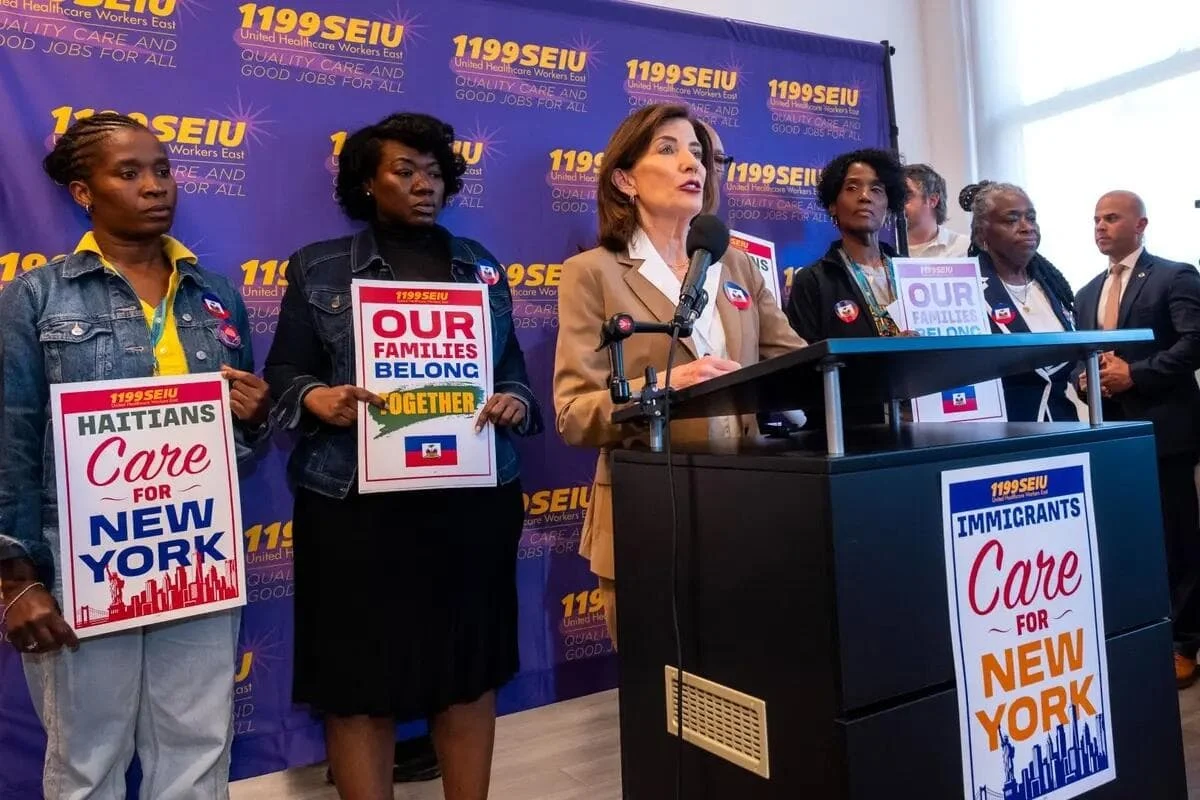
A pivotal federal court decision on August 18 effectively concluded Temporary Protected Status (TPS) for the last of 13 nationalities, a series of revocations initiated by the Department of Homeland Security (DHS) during President Donald Trump’s second term. This ruling has far-reaching consequences, leaving more than a million foreign nationals residing in the United States vulnerable to deportation. The affected countries include Haiti, Syria, Yemen, Afghanistan, Cameroon, Nepal, Honduras, Nicaragua, Venezuela, South Sudan, Burma, Somalia, and Ethiopia. The legal landscape shifted significantly in June when the Supreme Court upheld the Trump administration’s authority to terminate TPS for Syrians and Haitians, establishing a precedent that subsequently led to the lifting of judicial blocks on similar cases involving other nationalities.
The implications of this judicial resolution are profound, transforming the legal standing of these individuals from protected residents to, technically, undocumented aliens. The immediate aftermath has already seen concrete actions, with the first deportation flight to Haiti departing on August 20, carrying over 160 individuals, including former TPS holders. The DHS has publicly urged affected foreign nationals to consider voluntary departure, offering incentives such as free flights home and a $2,600 financial stipend, or face forced removal. This development marks a significant turning point in U.S. immigration policy, signaling a stricter enforcement posture regarding the temporary nature of TPS designations.
Understanding Temporary Protected Status: A Background
Temporary Protected Status (TPS) is a humanitarian immigration program established by the Immigration Act of 1990. It provides temporary relief from deportation and grants work authorization to foreign nationals from countries deemed unsafe for return due to ongoing armed conflict, environmental disasters, or other extraordinary and temporary conditions. The Secretary of Homeland Security holds the authority to designate a country for TPS, and is also responsible for periodically reviewing these designations to determine whether the conditions warranting protection still exist. If the Secretary determines that conditions have improved sufficiently, the status can be terminated.
The program was designed with the explicit intent of being temporary, offering a haven until conditions in the home country stabilize. Designations are typically granted for periods of six, 12, or 18 months and are subject to renewal. Over the decades, however, for some countries, TPS has been extended repeatedly across multiple U.S. administrations, leading to situations where individuals have resided in the U.S. under TPS for many years, establishing deep roots, families, and careers. Critics of the program, particularly those advocating for stricter immigration enforcement, have often characterized these prolonged extensions as a "de facto amnesty," arguing that the program’s temporary nature was being circumvented. The recent actions by the Trump administration and subsequent court rulings represent a concerted effort to realign TPS with its original, temporary mandate.
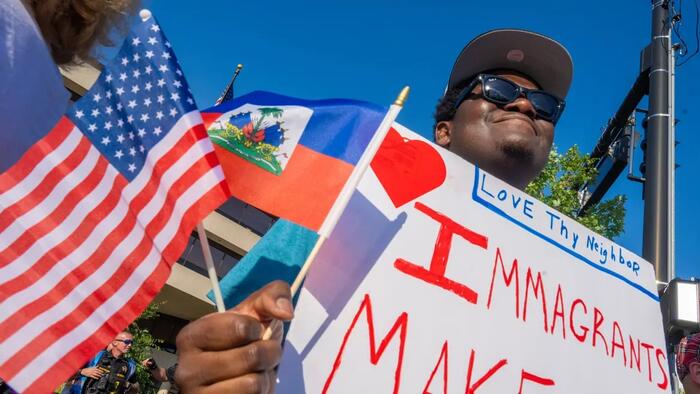
A Timeline of Terminations and Legal Challenges
The Trump administration began its efforts to terminate TPS designations for numerous countries during its tenure, asserting that the original extraordinary conditions had sufficiently abated. These decisions were met with immediate and widespread legal challenges from immigrant advocacy groups and affected communities.
Initial Terminations and Legal Resistance (2017-2019):
- Late 2017 – Early 2018: The Trump administration announced its intention to terminate TPS for several countries, including El Salvador, Haiti, Nicaragua, and Sudan, citing improved conditions in their respective nations. These announcements sparked immediate outcry and legal action.
- Procedural Challenges: Lawsuits were filed in various federal courts, primarily arguing that the DHS had failed to follow proper administrative procedures, such as adequately reviewing current country conditions, before making termination decisions. These challenges often invoked the Administrative Procedure Act (APA), which governs how federal agencies develop and issue regulations.
- Lower Court Injunctions: Several federal judges initially sided with the plaintiffs, issuing preliminary injunctions or administrative stays that temporarily blocked the terminations for some countries. These judicial blocks provided a temporary reprieve for hundreds of thousands of TPS holders, allowing them to maintain their protected status while the legal battles unfolded. Notable cases involved protections for nationals from El Salvador, Haiti, Honduras, Nepal, and Nicaragua.
The Supreme Court’s Decisive Intervention (June 2023):
- Pivotal Ruling: In June 2023, the U.S. Supreme Court issued a landmark decision concerning the termination of TPS for Syrians and Haitians. The high court’s majority agreed with the administration’s argument that federal judges generally lacked the authority to review the DHS’s substantive TPS determinations.
- Judicial Review Bar: Crucially, the Supreme Court highlighted a specific section of the Immigration and Nationality Act (INA) that bars judicial review of the DHS Secretary’s decisions regarding TPS designations and terminations. The Court clarified that this bar applied even to procedural challenges brought under the Administrative Procedure Act, effectively limiting the ability of lower courts to second-guess the DHS’s discretionary powers in this area. This ruling dismantled a key legal avenue previously used to challenge TPS terminations.
The Final Judicial Blocks Fall (August 2023):
- Widespread Compliance: Following the Supreme Court’s precedent, lower courts that had previously issued injunctions or stays began to lift them. By August 18, all remaining judicial blocks against the termination of TPS for the 13 nationalities had fallen, paving the way for the administration’s original decisions to take full effect.
- Judicial Delays and Public Pressure: Some lower court judges faced criticism from DHS officials for perceived delays in issuing orders consistent with the Supreme Court’s ruling. James Percival, a special counsel for DHS, publicly highlighted these delays on social media platform X, specifically calling out District Judge Brian Murphy for waiting over 50 days to lift an administrative stay on Ethiopia’s TPS termination. This public pressure underscored the administration’s eagerness to finalize the revocations.
Lingering Legal Maneuvers:

- "Bare Animus" Claims: Despite the Supreme Court’s broad ruling, some plaintiffs continue to explore new legal avenues. Lawyers representing former TPS holders from Nepal, Honduras, and Nicaragua are attempting to amend their initial lawsuit with a "bare animus" claim. This argument posits that the Trump administration’s efforts to end protected status were unconstitutional because they were motivated by explicit animosity and a desire to harm TPS holders, rather than legitimate policy concerns.
- Rejection of Similar Claims: However, federal government lawyers argue that these claims have no prospect of success, pointing to an August 7 decision in Burma’s TPS lawsuit. In that case, District Judge Matthew Kennelly of the Northern District of Illinois rejected a similar attempt, distinguishing between a "bare desire to harm TPS holders" and "animus against TPS policy." He noted that the Supreme Court’s reasoning leaned towards the latter, which falls within the executive’s discretion, rather than the former, which might suggest unconstitutional intent.
- "Ultra Vires" Claim: In Ethiopia’s case, Judge Brian Murphy denied the plaintiff’s motion to postpone termination but granted a motion to amend their complaint with an "ultra vires" claim. This argument contends that the then-acting DHS Secretary exceeded her legal authority in ending protected status, a procedural challenge distinct from those directly barred by the Supreme Court’s ruling on judicial review of the merits of TPS designations.
- Expert Skepticism: Legal experts, such as former federal prosecutor Neama Rahmani, remain largely skeptical about the success of these ongoing challenges. Rahmani noted, "They can sue, but they’re probably gonna lose. It’s been pretty clear the executive branch can remove these protections." This sentiment suggests that the legal battle, while not entirely over, has largely concluded in favor of the administration’s authority to terminate TPS.
What’s Next for Over a Million Foreign Nationals?
With the cessation of TPS for these 13 nationalities, the legal status of more than a million individuals in the United States has fundamentally changed. They are now, from a legal standpoint, considered undocumented, opening them up to the possibility of deportation.
Immediate Risk of Deportation:
- Shift in Status: The "designation is gone. That protection disappears," as stated by Neama Rahmani. While this doesn’t automatically mean mass deportations overnight, it removes a critical shield against removal.
- First Deportation Flight: The departure of a deportation flight to Haiti on August 20, just two days after the final judicial block fell, underscores the immediate and tangible consequences. This flight carried not only former TPS holders but also Haitians who had completed prison sentences in the U.S., signaling a coordinated effort by immigration authorities.
DHS Guidance and Enforcement:
- Voluntary Departure Offer: The Department of Homeland Security has explicitly urged affected foreign nationals to "self-deport." This offer includes a free flight to their home country and a financial incentive of $2,600. This policy aims to streamline removals and potentially reduce the burden on enforcement agencies.
- Public Stance: DHS’s strong statement on X (formerly Twitter) declared, "For decades, TEMPORARY Protected Status was used as a [de facto] amnesty program. Those days are OVER. Those with terminated TPS are now in our nation ILLEGALLY. They must leave now or be swiftly DEPORTED." This public declaration signals a firm commitment to enforcement.
- Enforcement Challenges: Despite the strong rhetoric, the logistical challenge of identifying, apprehending, and deporting over a million individuals is immense. Rahmani acknowledged that while protections are gone, "that doesn’t mean a million people get deported… They still have to go through the normal removal proceeding." This process can be lengthy and complex. Some individuals might self-deport, while others may face removal under pre-existing orders or eventually be apprehended. Many may opt to continue living "under the radar" in the U.S. without legal status, relying on the sheer scale of the task to avoid immediate detection.
Limited Alternative Legal Avenues:
- Asylum Claims: Foreign nationals can attempt to claim asylum, but Rahmani noted this is "very difficult to do now in the United States." Asylum requires demonstrating a "well-founded fear of persecution or torture" in their home countries, a high legal bar. The current asylum system is also heavily backlogged.
- Marriage to U.S. Citizens: For some, marriage to an American citizen could offer a pathway to legal status, provided it is a "bona fide marriage" and not fraudulent. Rahmani described this as potentially "the quickest and easiest way for a foreign national to gain status." However, this option is only available to a subset of the affected population.
Profiles of Affected Countries and Durations
The 13 nationalities losing TPS represent a diverse group of countries, each designated for unique reasons and for varying lengths of time. The program’s temporary nature has often been tested by protracted crises, leading to multi-decade extensions for some.

- Somalia: Holding the longest TPS designation among the 13, Somalia has been under protected status since September 1991. Three decades of persistent armed conflict, political instability, and humanitarian crises warranted continuous extensions across numerous U.S. administrations, illustrating how "temporary" can become exceptionally long-term in practice.
- Syria: Designated in March 2012 due to a brutal civil war, Syrian nationals received protection as their country descended into widespread conflict and displacement.
- Haiti: Following a catastrophic 7.0-magnitude earthquake in 2010 that devastated the island nation, Haiti was granted TPS. The country has since grappled with political instability, gang violence, and recurring natural disasters, making safe return challenging.
- Nepal: A powerful 7.8-magnitude earthquake in 2015 led to Nepal’s TPS designation, providing relief to those unable to return to their shattered homes and infrastructure.
- Honduras and Nicaragua: Both countries received TPS in 1998 after Hurricane Mitch, one of the deadliest and most destructive hurricanes in Atlantic history, ravaged Central America, causing widespread death and infrastructural damage.
- Yemen, Afghanistan, Cameroon, Venezuela, South Sudan, Burma, and Ethiopia: These nations also received TPS due to various severe conditions, including ongoing armed conflicts, humanitarian crises, and political instability. For example, Venezuela’s designation reflected the severe economic and political crisis in the country.
The Next in Line: El Salvador:
Beyond the 13 countries already impacted, approximately 170,000 Salvadorans living in the United States are slated to lose their deportation protections on September 9. El Salvador has been under TPS since March 2001, following a series of catastrophic earthquakes. This upcoming termination highlights the continuing trend of ending long-standing TPS designations.
The Broader Debate: Humanitarian Concerns vs. Program Integrity
The termination of TPS for these nationalities has ignited a vigorous debate between those prioritizing humanitarian concerns and those emphasizing the legal integrity and temporary nature of the TPS program.
Advocacy for Continued Protection:
- Humanitarian Crisis Argument: Advocacy groups and many Democratic lawmakers have vehemently criticized the Trump administration’s decisions, arguing that many of the 13 countries remain unsafe and unstable, making it perilous for their nationals to return. They point to ongoing armed conflicts, political turmoil, economic collapse, and the lingering effects of natural disasters.
- Judicial Voices of Concern: Even some judges, while compelled to lift their injunctions in light of the Supreme Court’s ruling, expressed strong reservations. District Judge Allison Burroughs, overseeing Somalia’s case, noted in her order that Somalis previously under TPS face a humanitarian crisis in their home country. She highlighted their integration into American society, describing them as "productive members of our communities who have lived here for years, built a life here, worked here and raised their families here."
- Economic Impact: Political leaders have also voiced concerns about the economic ramifications. New York Gov. Kathy Hochul, in a letter to DHS Secretary Markwayne Mullin, urged the reinstatement of protected status, warning that the deportation of foreign nationals would have a "heavy impact" on various industries within her state’s workforce. She condemned the White House’s actions as "reckless and inhumane," particularly given ongoing humanitarian crises.
- Legislative Efforts: Rep. Ayanna Pressley (D-Mass.) called for the Senate to reconvene and pass legislation specifically extending TPS for Haiti, citing the "ongoing humanitarian crisis" there. The House of Representatives had already passed such legislation earlier in the year with a 224-204 vote, indicating significant support for continued protections among some lawmakers.
Arguments for Program Termination:
- Temporary by Design: Federal officials and proponents of the terminations consistently reiterate that TPS was always intended to be a temporary measure, not a pathway to permanent U.S. citizenship. They argue that prolonged extensions undermine the program’s statutory intent and create a parallel system of immigration that bypasses established legal channels.
- Sovereign Discretion: The Supreme Court’s ruling reinforced the executive branch’s broad discretion in immigration matters, particularly concerning TPS designations and terminations. This perspective emphasizes the federal government’s sovereign right to determine who may reside within its borders and under what conditions.
- Restoring Integrity: From this viewpoint, terminating TPS for countries where initial conditions have ostensibly improved, or where the "temporary" status has extended for decades, is seen as an essential step to restore the program’s integrity and ensure it operates as intended by Congress.
The culmination of these legal and policy shifts marks a significant moment in U.S. immigration history, reshaping the lives of hundreds of thousands and reigniting a national debate about the balance between humanitarian concerns, immigration enforcement, and the interpretation of statutory mandates. The long-term societal and economic impacts of these mass terminations will undoubtedly continue to unfold and be closely monitored by policymakers, advocacy groups, and affected communities alike.

