
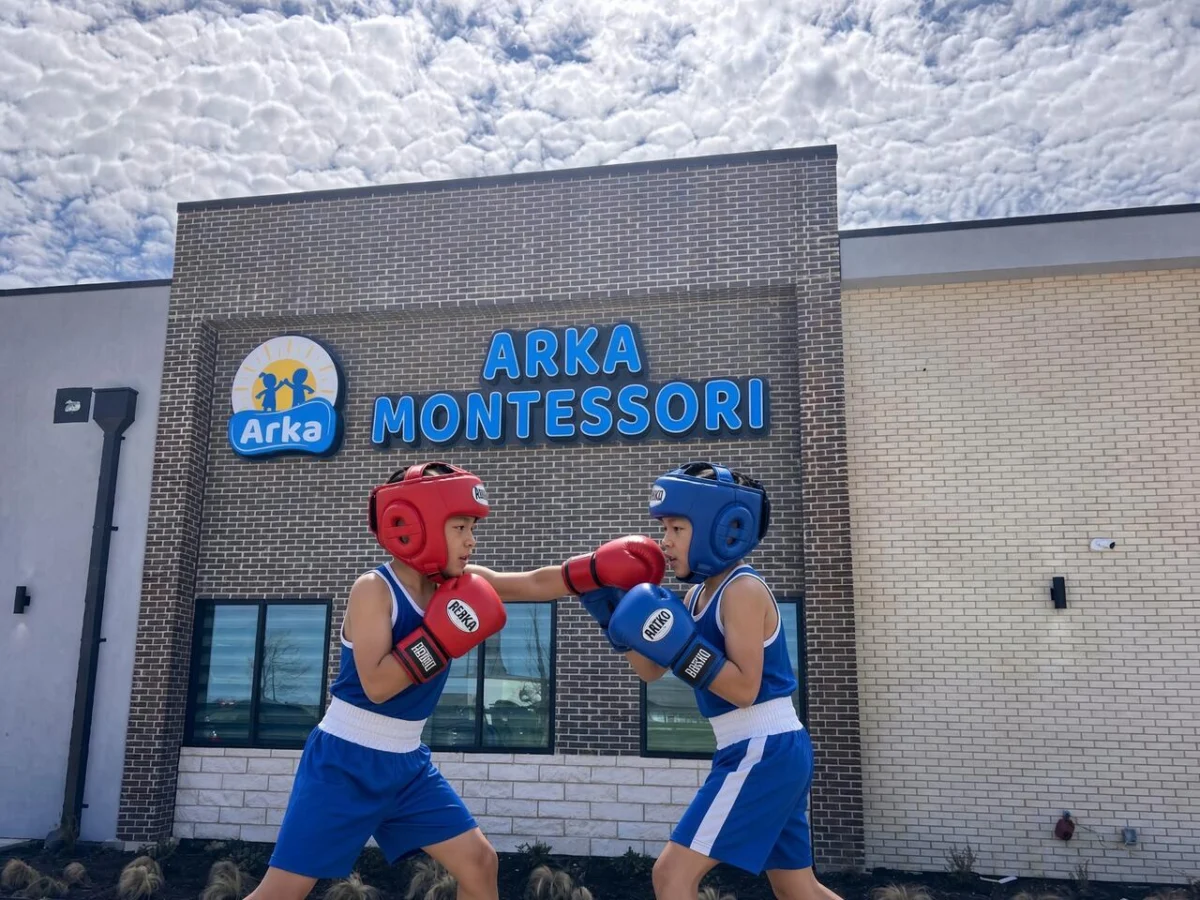
A Fort Worth, Texas daycare center, Arka Montessori Academy of Risinger, is currently embroiled in a severe legal and investigative battle following disturbing allegations of child abuse, including claims that staff members orchestrated a "toddler fight club" among young children. The incident has sent shockwaves through the community, drawing national attention to the critical issues of childcare oversight, staff vetting, and the safety of vulnerable children entrusted to professional care. This egregious case highlights the profound responsibility of childcare providers and the devastating consequences when that trust is breached.
The Alarming Discovery and Legal Action
The alarming allegations came to light when Heather Harris, a concerned mother, picked up her 4-year-old son from the Arka Montessori Academy of Risinger daycare, located on West Risinger Road in Fort Worth. Her son was reportedly crying uncontrollably and covered in unexplained bruises, raising immediate red flags. Daycare employees initially offered explanations, stating her son had merely fought with another child. However, these accounts were inconsistent and failed to satisfy Ms. Harris or her husband, Richard Harris, prompting them to demand access to the classroom’s surveillance footage.
What the Harrises allegedly witnessed on the surveillance video was profoundly disturbing and formed the basis of a lawsuit filed on September 4th. The footage reportedly depicted staff members engaging in highly inappropriate and abusive behavior, including swinging a child around "like a rag-doll" and actively attempting to force one child to physically fight another. These harrowing images not only contradicted the daycare’s initial explanations but also painted a grim picture of systematic abuse within the facility. The family’s legal counsel subsequently described the scene as resembling a "child fight club," a moniker that has since garnered widespread attention and condemnation.
The lawsuit, filed by Heather and Richard Harris against Arka Risinger Educators LLC, the entity operating the Fort Worth child care center, was lodged in Tarrant County’s 48th District Court. The complaint levies serious charges against the center, including negligence, gross negligence, and a fundamental failure to properly hire, train, and supervise its employees. These accusations suggest a systemic breakdown in the daycare’s operations, extending beyond isolated incidents to potentially encompass a culture of neglect and abuse. The Harris family is seeking more than $1 million in damages, with the final amount to be determined by a jury, underscoring the severe emotional, psychological, and potentially physical trauma inflicted upon their son and the profound distress caused to their family.
A Pattern of Violations: Regulatory History of Arka Montessori
The current lawsuit and the disturbing allegations of a "toddler fight club" are not isolated incidents in the history of Arka Montessori Academy of Risinger. State regulators, specifically the Texas Health and Human Services Commission’s (HHSC) Child Care Regulation Division, have a documented history of investigations and citations against the facility. This pattern of non-compliance raises critical questions about the effectiveness of regulatory oversight and the processes in place to ensure child safety.
According to public records, the Texas HHSC’s Child Care Regulation Division has cited Arka Montessori for a staggering 16 violations since January 2024 alone. These investigations uncovered at least 21 distinct safety deficiencies within the daycare. The nature of these violations is particularly concerning, as they directly pertain to the welfare and proper treatment of children. Cited infractions include:
- Improper Discipline: This broadly encompasses disciplinary methods that are punitive, harmful, or developmentally inappropriate for young children.
- Prohibited Punishments: Specific examples cited include grabbing and pulling children, which are physical actions deemed unacceptable and potentially injurious.
- Yelling at Children: This form of verbal abuse can be psychologically damaging and is strictly prohibited in licensed childcare facilities.
- Failure to Intervene: This critical violation indicates that staff members either ignored or did not adequately address harmful interactions or situations among children, potentially allowing abuse or injury to occur.
Further compounding these concerns, the most recent investigation reportedly unearthed employee accounts alleging that a staff member, identified as "Johnson" in earlier reports, had a history of yelling at children or handling them aggressively. Such allegations suggest a potentially entrenched pattern of misconduct by certain individuals within the facility, which should have been identified and addressed by management and regulatory bodies much earlier. The continued operation of Arka Montessori Academy of Risinger despite this extensive and serious list of documented violations has become a significant point of contention and concern for parents, child advocacy groups, and the wider public, prompting calls for stricter enforcement and potentially a review of licensing procedures.
The Broader Context: Childcare Safety and Regulatory Challenges
The incident at Arka Montessori Academy of Risinger serves as a stark reminder of the broader challenges inherent in ensuring the safety and well-being of children in daycare settings across the nation. While the vast majority of childcare providers are dedicated professionals committed to nurturing environments, cases of abuse, neglect, and systemic failures continue to emerge, underscoring the need for robust regulatory frameworks and vigilant parental involvement.
National Landscape of Child Abuse in Daycare:
According to the U.S. Department of Health and Human Services (HHS) Child Maltreatment report, a sobering 2,341 victims of abuse by daycare providers were counted in 2024 alone. This figure represents a tragic segment of the larger issue of child maltreatment and highlights the specific vulnerabilities children face when entrusted to non-parental care. These statistics are not merely numbers; they represent countless children who have endured trauma and families whose trust has been irrevocably broken. The data underscores the critical need for continuous vigilance, enhanced preventative measures, and swift, decisive action when allegations of abuse surface.

Texas Regulatory Framework and Enforcement:
In Texas, the HHSC Child Care Regulation Division is responsible for licensing, monitoring, and investigating childcare facilities to ensure compliance with state standards designed to protect children’s health and safety. These standards cover a wide range of areas, including staff qualifications, staff-to-child ratios, facility cleanliness, emergency preparedness, and disciplinary practices. When violations are identified, the HHSC has various enforcement tools at its disposal, ranging from corrective action plans and administrative penalties to, in severe cases, license suspension or revocation. However, the repeated nature and severity of violations at Arka Montessori raise questions about the speed and effectiveness of these enforcement mechanisms in preventing ongoing harm.
The Role of Surveillance Footage:
This case powerfully illustrates the indispensable role of surveillance footage in uncovering abuse and holding perpetrators accountable. Without Heather Harris’s insistence on reviewing the video, the alleged "toddler fight club" and other abusive acts might have remained hidden, perpetuating harm to other children. The availability and mandatory review of high-quality surveillance footage in all childcare settings is increasingly advocated by child safety experts as a crucial tool for transparency and accountability. It serves not only as a deterrent but also as undeniable evidence when suspicions arise, providing parents with a vital mechanism to verify the safety of their children.
Challenges in Staffing and Vetting:
The childcare industry frequently grapples with high staff turnover rates and the constant pressure to fill open positions quickly. This operational reality can, at times, inadvertently compromise the thoroughness of background checks, reference verifications, and comprehensive training programs for prospective employees. While state regulations mandate certain background checks, the depth of vetting can vary, and subtle behavioral red flags might be missed in the rush to maintain required staff-to-child ratios. This incident underscores the critical importance of robust hiring practices that prioritize child safety above all else, regardless of staffing pressures.
Implications and Future Outlook
The allegations against Arka Montessori Academy of Risinger carry profound implications for all stakeholders involved – the victims and their families, the daycare industry, regulatory bodies, and the wider community.
Impact on Families and Children:
For the Harris family, the journey ahead will undoubtedly involve navigating complex legal proceedings and, more importantly, addressing the psychological and emotional trauma inflicted upon their young son. Children who experience abuse in care settings often suffer from anxiety, fear, trust issues, and developmental setbacks. Providing comprehensive support and therapeutic interventions for these children is paramount. The broader impact extends to other families who had children at the facility, now facing the agonizing question of what their own children might have endured.
Scrutiny for the Childcare Industry:
This case will undoubtedly intensify scrutiny on childcare facilities nationwide. It will likely prompt parents to be more diligent in their selection process and demand greater transparency. Industry associations may face pressure to review and strengthen best practices, emphasizing zero-tolerance policies for abuse and neglect, and promoting cultures of accountability. There may also be increased calls for mandatory, unannounced inspections and more frequent regulatory reviews.
Calls for Regulatory Reform:
The documented history of violations at Arka Montessori raises serious questions about the effectiveness of current regulatory oversight in Texas. Child advocacy groups and concerned citizens may advocate for stricter enforcement mechanisms, clearer guidelines for facility closure, and potentially increased funding for regulatory agencies to conduct more thorough and frequent inspections. The case may serve as a catalyst for legislative action aimed at strengthening child protection laws and enhancing the powers of regulatory bodies.
Parental Due Diligence as a First Line of Defense:
While regulations and oversight are crucial, parents remain the first and most critical line of defense for their children. The Arka Montessori incident powerfully illustrates the necessity of proactive parental involvement. Experts advise parents to:
- Thoroughly Research Facilities: Check the state’s licensing records for any past violations or complaints. In Texas, the HHSC Child Care Regulation website provides public access to inspection reports.
- Conduct In-Person Visits: Tour facilities, observe staff-child interactions, and ask detailed questions about discipline policies, staff training, and emergency procedures.
- Inquire About Staff Vetting: Understand the daycare’s process for background checks, reference checks, and ongoing staff development.
- Seek References: Talk to other parents who use or have used the facility.
- Trust Your Instincts: If something feels off, investigate further. The Harris family’s insistence on viewing surveillance footage was pivotal.
Conclusion
The alleged "toddler fight club" at Arka Montessori Academy of Risinger is a deeply troubling case that underscores the profound vulnerabilities of young children and the immense responsibility placed upon childcare providers. As the legal proceedings unfold in Tarrant County and investigations continue, the focus remains on securing justice for the victims and ensuring that such egregious acts are prevented in the future. This incident serves as a critical call to action for parents, policymakers, and the childcare industry alike to collectively reinforce the safeguards necessary to protect the most precious members of our society. The tragic events in Fort Worth highlight that vigilance, transparency, and unwavering commitment to child safety are not merely ideals, but absolute necessities.

