
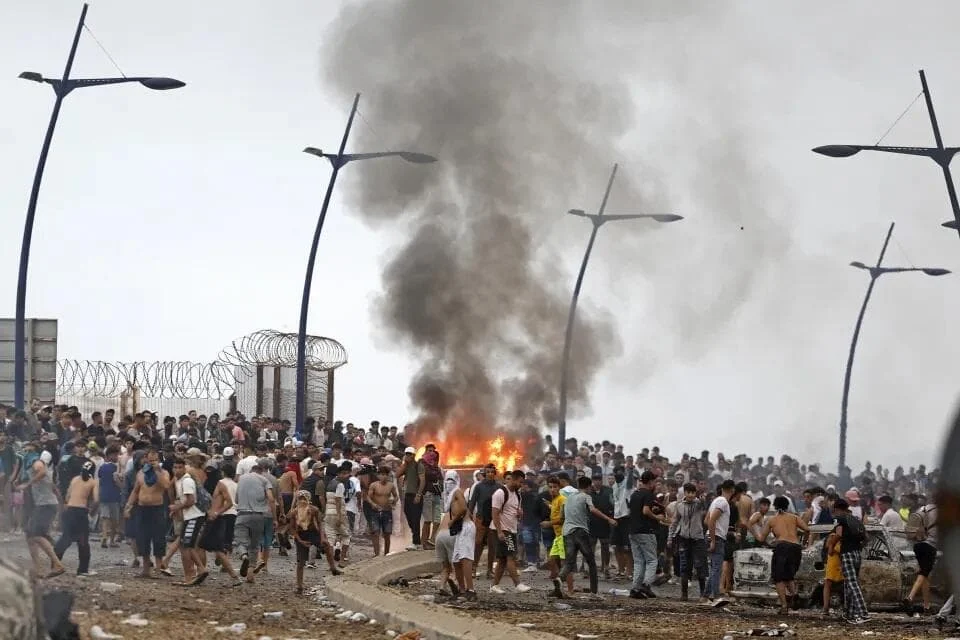
In May 2021, the Spanish autonomous city of Ceuta, an enclave on the North African coast, became the focal point of a significant and unprecedented migrant surge, highlighting the persistent and complex challenges of migration, border management, and international diplomacy in the European Union. Over a period of just 48 hours, an estimated 10,000 to 12,000 individuals, including many minors, crossed into Ceuta from Morocco, overwhelming local authorities and drawing swift international attention. The incident ignited intense debates across Europe regarding immigration policies, national sovereignty, and humanitarian responsibilities.
The Ceuta Crisis: A Detailed Account
The influx began on Monday, May 17, 2021, when Moroccan border guards reportedly relaxed controls along the fence separating Morocco from Ceuta. This unexpected shift in enforcement allowed thousands of people, primarily young men and families from Morocco and other sub-Saharan African countries, to bypass the usual stringent security measures. Migrants scaled border fences, swam around breakwaters, and walked along beaches during low tide to enter Spanish territory. Videos and images widely circulated showed vast numbers of people making their way across the border, some using inflatable boats, others simply wading or swimming. The sheer volume of arrivals quickly overwhelmed the small Spanish enclave, which has a population of approximately 85,000.
The immediate aftermath saw scenes of chaos and humanitarian concern. Spanish military and police forces were deployed to the border to manage the influx and restore order. While many migrants sought to enter peacefully, there were reports of some engaging in vandalism, petty theft, and confrontations with local residents and authorities, particularly in the initial hours of the surge. These incidents, though not representative of all migrants, contributed to heightened tensions and alarm. Spanish emergency services, the Red Cross, and other humanitarian organizations struggled to provide basic necessities such as food, water, and medical care to the thousands who had arrived. Makeshift shelters were set up, and many were left to sleep in public spaces.
The demographics of the arrivals were notably diverse, comprising a significant number of unaccompanied minors. Estimates suggested that between 1,500 and 2,000 children and adolescents were among those who entered Ceuta. This presented a particular challenge for Spanish social services, which are legally obliged to care for unaccompanied minors found on Spanish soil. The situation underscored the vulnerability of these young individuals and the humanitarian imperative to ensure their safety and well-being, even amidst border security concerns.
Spanish Policy and Diplomatic Tensions
Spain’s reaction to the crisis was multifaceted, balancing immediate security concerns with humanitarian obligations and diplomatic considerations. Prime Minister Pedro Sánchez swiftly condemned the unprecedented border breach, describing it as a serious challenge to Spain’s territorial integrity and the EU’s external borders. He affirmed Spain’s commitment to protecting its borders and announced the deployment of additional military and police units to Ceuta. Within days, Spanish authorities began the process of expelling thousands of adults who had entered irregularly, citing bilateral agreements with Morocco that allow for rapid repatriation. However, the process for minors was more complex due to international child protection laws.
The backdrop to this crisis included Spain’s long-standing, often fraught, relationship with Morocco, particularly concerning migration and territorial claims over Ceuta and Melilla, Spain’s other North African enclave. While Moroccan authorities typically cooperate with Spain on border control, the relaxation of controls during the Ceuta surge was widely interpreted as a retaliatory measure by Morocco. This diplomatic spat stemmed from Spain’s decision in April 2021 to provide medical treatment to Brahim Ghali, the leader of the Polisario Front, a Western Sahara independence movement that Morocco considers a terrorist organization. Morocco views Western Sahara as its southern provinces and has long sought international recognition of its sovereignty over the disputed territory. Spain’s move was perceived as a significant affront by Rabat, leading to a rapid deterioration in bilateral relations.
Spanish Prime Minister Pedro Sánchez has indeed, since taking office in 2018, adopted a more accommodating stance on migration compared to some of his European counterparts. His government has advocated for a more humane approach to asylum seekers and has emphasized the need for European solidarity in managing migration flows. This policy orientation, however, has also been subject to domestic criticism and has at times been challenged by practical realities at the border. Notably, a Spanish Supreme Court ruling issued days before the Ceuta surge stipulated that migrants arriving by sea could not be immediately deported without individual assessment, a decision that some analysts believe may have inadvertently contributed to the perception of a more permissive entry environment.
European Union Response and Broader Implications
The events in Ceuta quickly escalated into a European issue, with EU institutions and member states expressing solidarity with Spain and condemning Morocco’s actions. European Commission President Ursula von der Leyen and European Council President Charles Michel voiced support for Spain, emphasizing that Spain’s border is also a European border. The European Union’s border agency, Frontex, offered to deploy additional resources to assist Spain in managing the situation, underscoring the collective responsibility for protecting the bloc’s external frontiers.
The crisis reignited the perennial debate within the EU regarding a common migration policy, border security, and the equitable sharing of responsibility among member states. Southern European countries, often frontline states for irregular migration, have long called for greater solidarity from their northern partners, including financial assistance and the relocation of asylum seekers. The Ceuta incident served as a stark reminder of the vulnerability of these borders and the potential for geopolitical disputes to trigger migration surges.
Humanitarian organizations across Europe called for a response that prioritized human rights and the protection of vulnerable individuals, particularly the unaccompanied minors. They urged Spanish and European authorities to ensure due process for all arrivals, provide adequate care, and avoid mass expulsions. The incident highlighted the tension between national security imperatives and international humanitarian obligations, a recurring theme in European migration debates.
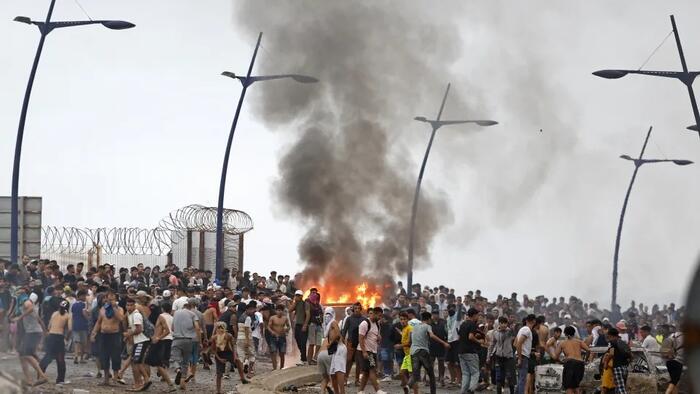
Drivers of Migration from Third Countries
The Ceuta crisis, while triggered by specific diplomatic tensions, also reflects broader, long-standing drivers of migration from North Africa and sub-Saharan Africa towards Europe. Economic disparities remain a primary push factor. Many individuals in these regions face high unemployment, limited opportunities for economic advancement, and pervasive poverty. The prospect of a better life, including access to jobs, higher wages, and improved living standards in Europe, acts as a powerful pull factor.
Political instability, conflict, and persecution in various African countries also compel people to seek safety and refuge elsewhere. While many of the Ceuta arrivals were Moroccan, indicating economic motivations, the larger context of migration across the Mediterranean includes individuals fleeing violence in countries like Syria, Libya, and various sub-Saharan African nations. Environmental factors, such as climate change-induced desertification, droughts, and resource scarcity, increasingly contribute to displacement and migration, impacting agricultural livelihoods and exacerbating existing vulnerabilities.
Furthermore, established diaspora networks in Europe often provide information and support for new arrivals, creating pathways and encouraging further migration. Social media and communication technologies also play a role, disseminating images of perceived prosperity in Europe and influencing migration decisions. The combination of these push and pull factors creates a complex web of motivations that drive individuals to undertake perilous journeys towards Europe’s borders.
Challenges of Integration and Societal Impact
Mass migration events, whether sudden surges or gradual flows, present significant challenges for host societies. In Ceuta, the immediate strain on public services was evident, from housing and sanitation to healthcare and education. While the majority of the Ceuta arrivals were swiftly repatriated, such events highlight the potential long-term strain on resources and infrastructure in areas that receive large numbers of migrants.
Beyond immediate logistical challenges, the integration of migrants into host societies is a complex process with diverse outcomes. It involves access to the labor market, education, language acquisition, and social cohesion. Debates often arise concerning the economic impact of migration, including its effects on wage levels, employment rates, and the sustainability of welfare systems. While migrants can contribute significantly to the economy through labor, entrepreneurship, and remittances, rapid influxes can also lead to social tensions, particularly if integration policies are inadequate or if there are perceptions of unfair resource distribution.
Security concerns, though often amplified by isolated incidents, also become part of the public discourse. The reported instances of looting and clashes in Ceuta, while limited, fueled anxieties among some local residents and contributed to a narrative of disorder. Addressing these concerns requires effective law enforcement, clear communication, and robust integration strategies that foster mutual understanding and respect between migrant and host communities.
The Global Migration Debate: Policy Approaches and Future Outlook
The Ceuta incident serves as a stark reminder that migration is a multifaceted global phenomenon requiring comprehensive and cooperative solutions. Policy approaches typically oscillate between humanitarian imperatives, border security, and diplomatic engagement with countries of origin and transit.
One key area of debate is border management. Some advocate for stricter border controls, increased surveillance, and rapid repatriation mechanisms to deter irregular migration. Others emphasize the need for legal and safe pathways for migration, arguing that restrictive policies only push migrants into more dangerous routes, enriching human traffickers. The EU’s New Pact on Migration and Asylum, introduced in 2020, attempts to strike a balance by proposing a more efficient and fair system for managing migration, including stronger external border controls, faster asylum procedures, and a "solidarity mechanism" for sharing responsibility among member states. However, the Pact has faced significant hurdles in gaining full consensus among member states.
International cooperation and development aid are also crucial components of a long-term strategy. Addressing the root causes of migration, such as poverty, conflict, and lack of governance in countries of origin, is seen as essential for sustainable solutions. Investing in education, healthcare, and economic development in these regions can provide incentives for people to remain in their home countries and contribute to their own societies.
The role of international law, including the 1951 Refugee Convention and human rights frameworks, remains central to the debate. These instruments establish obligations for states to protect individuals fleeing persecution and to ensure humane treatment for all migrants, regardless of their legal status. Balancing these obligations with national sovereignty and security concerns is an ongoing challenge for governments worldwide.
The Ceuta migrant surge of May 2021 was a dramatic illustration of the complex interplay of geopolitical tensions, humanitarian crises, and socio-economic disparities that define contemporary global migration. It underscored the immediate pressures on frontline states, the diplomatic intricacies involved in border management, and the ongoing need for robust, coherent, and humane migration policies at both national and international levels. The incident served as a powerful call to action for Europe to solidify its approach to external borders, foster greater internal solidarity, and engage proactively with its neighbors to manage migration flows in a way that upholds both security and human dignity.

