
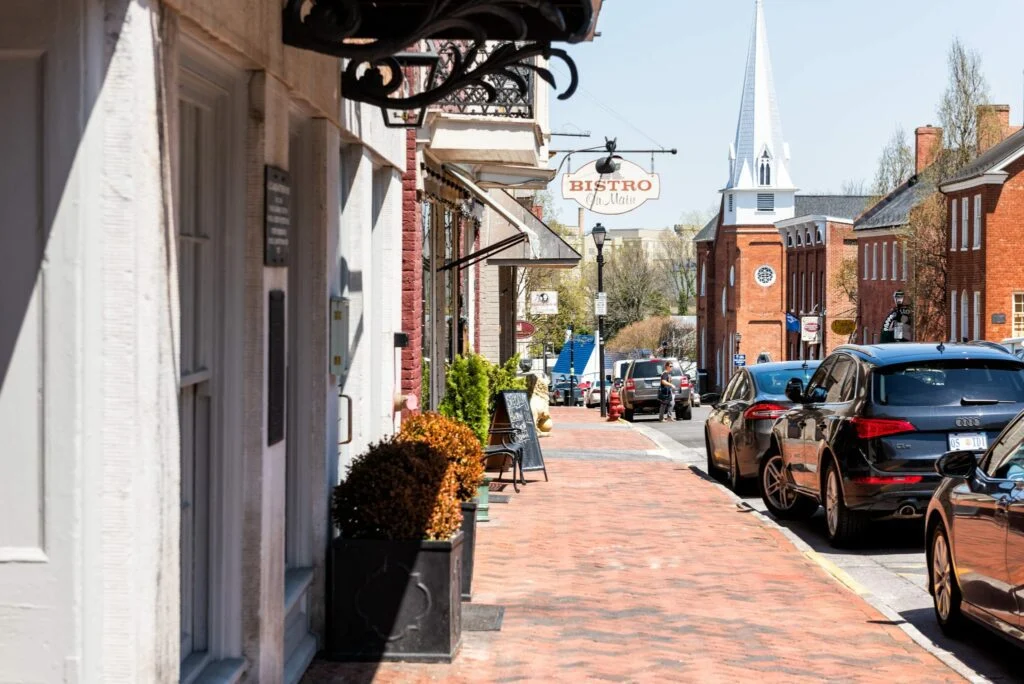
For many individuals approaching or entering retirement, the prospect of relocating to a new city or town represents one of the most significant freedoms afforded by this new life stage. No longer bound by the geographical constraints of employment, retirees often find themselves contemplating a broad spectrum of potential destinations. However, the sheer volume of choices can be overwhelming, prompting a critical question: how does one make this pivotal decision effectively?
This challenge is one that numerous individuals are actively grappling with. Matt Pittman and Kris Jennings, for instance, meticulously track the annual "best places to retire" lists compiled by various publications, seeking to glean insights from expert rankings. Meanwhile, Katherine and Barry Johnson dedicate their weekend afternoons to immersing themselves in travel shows and exploring dedicated "retire here" websites, a visual and digital approach to destination research. Rob Kirby and his partner John have even developed a sophisticated personal tool: a game they call "Could We Retire Here?" This game, played during their travels, utilizes an Excel spreadsheet to systematically evaluate potential hometowns against a set of personalized criteria, including their desire for a co-operative living environment and proximity to a university.
In response to this widespread need for informed decision-making, AARP has launched a new online resource designed to simplify the process: The Livability Index—Great Neighborhoods for All Ages. This comprehensive tool empowers users to compare and contrast neighborhoods across the United States based on a diverse array of livability factors, providing a data-driven approach to retirement planning.
The Paramount Importance of Livability
Jay Haapala, AARP Minnesota Associate State Director for Community Engagement, underscores the profound significance of livability in retirement planning. "Because where we live as we age is a good indicator of how well and even how long we’ll live," Haapala stated. "All places are not equal in this way, and there’s much more to livability than nice weather. Plus, when we plan for older adults, we plan for everyone." This perspective highlights that a truly livable community is one that fosters well-being and longevity for all its residents, irrespective of age. The concept extends beyond superficial amenities to encompass the fundamental infrastructure and social fabric that support a high quality of life.
Defining a Livable Community: A Multifaceted Approach
According to AARP’s framework, a livable community is characterized by its ability to accommodate individuals of all ages, abilities, and income levels. This inclusive definition suggests that a robust community thrives when it offers equitable access to resources and opportunities for its entire population. While the original article did not fully enumerate these specific criteria, research into AARP’s broader livability initiatives consistently points to several key pillars:
- Affordability: The ability for residents to maintain a comfortable standard of living without undue financial strain, encompassing housing costs, transportation, healthcare, and daily necessities.
- Health and Well-being: Access to quality healthcare services, opportunities for physical activity, healthy food options, and environments that promote mental and emotional wellness.
- Mobility and Transportation: Accessible and reliable public transportation options, safe and walkable streets, and infrastructure that supports various modes of travel for individuals of all physical capabilities.
- Housing: Availability of diverse housing options that cater to different needs and budgets, including accessible units, multi-generational housing, and affordable rental and ownership opportunities.
- Social and Civic Engagement: Opportunities for community participation, access to social services, cultural amenities, and environments that foster intergenerational connections and a sense of belonging.
- Environment: Access to green spaces, clean air and water, and sustainable practices that contribute to a healthy and resilient community.
- Safety and Security: Low crime rates, well-lit public spaces, and community initiatives that promote a sense of safety and security for all residents.
These interconnected elements form the bedrock of a community where individuals can not only reside but truly thrive throughout their retirement years and beyond.
Navigating the Livability Index: A User-Centric Tool
The Livability Index is designed for intuitive use. Prospective retirees and interested individuals can simply input an address, city, state, or ZIP code to generate a comprehensive score (ranging from 0 to 100) for any given community. This score is derived from an evaluation across seven crucial areas that directly impact quality of life. While the original article did not detail these seven areas, they are understood to represent the core components of a livable environment, likely encompassing the pillars mentioned above.
The index offers a powerful comparative function, allowing users to examine up to three locations side-by-side. This feature is invaluable for individuals who have identified several potential retirement destinations. Furthermore, the tool facilitates customization of results based on individual preferences, enabling users to prioritize specific factors that are most important to their envisioned retirement lifestyle. "You can even see how the west side of a town differs from the east side," Haapala noted. "Plus, you can drill down into the specific criteria that are important to you."
This granular level of detail is particularly beneficial. For example, a user with a passion for literature could use the index to ascertain the proximity of a potential new residence to public libraries, complete with information on author reading events or other literary programming. Similarly, an individual who relies on public transportation for outings with grandchildren could assess the stroller-friendliness and accessibility of a city’s transit system, even if they no longer drive. This ability to align a community’s offerings with personal needs and desires transforms the abstract concept of "livability" into concrete, actionable information.
Broader Implications and the Future of Retirement Planning
The development and promotion of tools like the Livability Index by organizations such as AARP reflect a growing understanding of the complex factors that contribute to a successful retirement. Beyond financial preparedness, the geographical and social environment in which retirees live plays a critical role in their overall well-being, health outcomes, and longevity.
The COVID-19 pandemic has further amplified the importance of home and community. With many individuals spending more time at home and experiencing limitations on travel and social gatherings, the quality of one’s immediate surroundings has become more apparent than ever. The Livability Index offers a valuable means of virtually exploring and evaluating potential future homes, particularly during periods when in-person scouting is challenging.
This data-driven approach to retirement location selection represents a significant evolution from traditional methods. While "best places to retire" lists offer general guidance, and personal exploration provides anecdotal evidence, the Livability Index provides a standardized, quantifiable assessment. This allows for a more objective comparison and a deeper understanding of how a community’s infrastructure, services, and social environment align with individual retirement goals.
The implications of widespread adoption of such tools are far-reaching. Communities that prioritize livability—by investing in accessible infrastructure, diverse housing options, robust public transportation, and opportunities for social engagement—are likely to become more attractive destinations for retirees. This, in turn, can lead to economic benefits for these communities through increased local spending and a more diverse demographic mix. Conversely, communities that lag in these areas may find themselves less appealing to a growing segment of the population seeking fulfilling and sustainable retirement living.
As the demographic landscape continues to shift, with an increasing number of individuals entering retirement, the demand for resources that facilitate informed decision-making will only grow. The Livability Index stands as a testament to the ongoing efforts to equip individuals with the knowledge and tools necessary to make choices that not only support their immediate post-work years but also contribute to a higher quality of life for decades to come. The ability to make intentional choices about where to spend one’s retirement years, grounded in a comprehensive understanding of community livability, is an empowering prospect for millions.

