
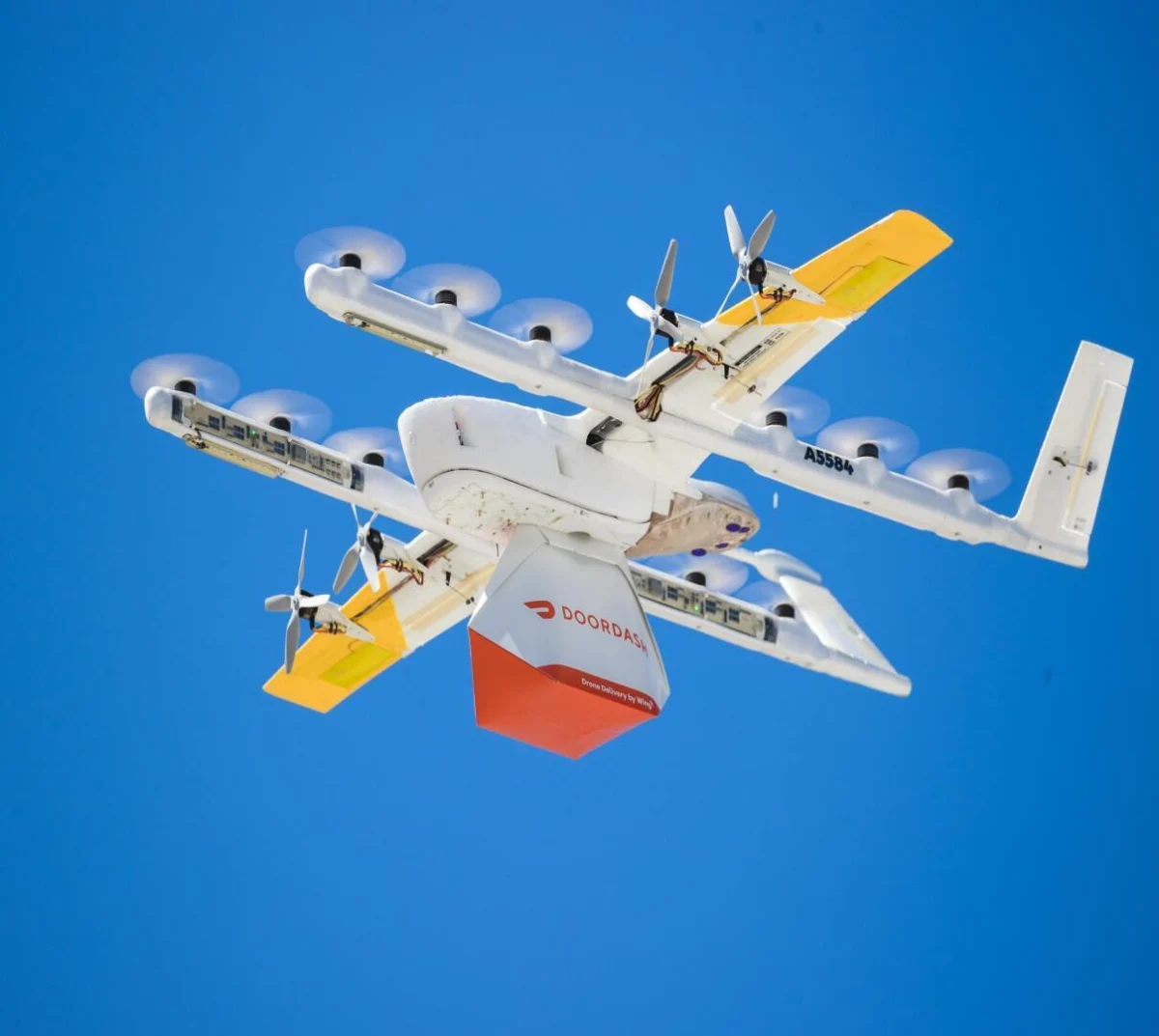
DoorDash, the San Francisco-based food and grocery delivery behemoth, has officially cleared a monumental federal regulatory hurdle, receiving Federal Aviation Administration (FAA) Part 135 air carrier certification. This pivotal approval, announced on July 29, positions DoorDash to transition from experimental drone operations to building a comprehensive, in-house commercial drone delivery network across the United States. The certification, which is the same stringent authorization required for commercial airlines to transport passengers or cargo for pay, marks DoorDash as only the eighth drone operator in the nation to achieve this elite designation, signaling a significant leap forward in the burgeoning field of autonomous last-mile logistics.
The Genesis of DoorDash Air: A Strategic Imperative
The establishment of "DoorDash Air" as the company’s dedicated in-house drone delivery operation underscores a strategic pivot towards diversifying its delivery ecosystem. For years, the vision of airborne delivery has captivated logistics companies, promising unprecedented speed and efficiency. DoorDash’s foray into this space is not merely about technological novelty; it addresses tangible inefficiencies within its vast network. The company reported that in 2025, over 20% of its orders traversed distances between three and five miles. These intermediate-range deliveries, while seemingly modest, often consumed nearly a quarter more time than shorter trips, largely due to human drivers’ preference for clustered short-haul deliveries in busy commercial zones over single, longer hauls that might take them away from high-density areas. This operational friction has presented a clear economic incentive for automation.
Initial pilot programs and partnerships, which likely informed DoorDash’s internal development, demonstrated the potential. The company’s existing drone operations (presumably through partnerships) reportedly completed deliveries in approximately 25 minutes on average, leading to an estimated 30% increase in order volume in some trial locations. While these figures, provided by DoorDash, await independent verification, they paint a compelling picture of the operational advantages drones could offer. The Part 135 certification is therefore not just an approval; it is an endorsement of a strategic imperative to enhance service speed, expand geographic reach, and ultimately, improve customer satisfaction and operational profitability.
Navigating the Regulatory Labyrinth: The FAA Part 135 Gauntlet
The path to FAA Part 135 certification is arduous and intentionally rigorous, designed to ensure the highest standards of safety and operational integrity, akin to those governing manned aviation. Federal regulators subjected DoorDash to an exhaustive five-phase review process, scrutinizing every facet of its proposed drone operation. This included a detailed examination of:
- Aircraft Design and Airworthiness: Assessing the drone’s structural integrity, flight characteristics, and overall safety mechanisms.
- Maintenance Procedures and Programs: Ensuring robust protocols for inspecting, servicing, and repairing the drone fleet.
- Operational Safety Management Systems (SMS): Reviewing comprehensive plans for identifying, assessing, and mitigating operational risks.
- Pilot Training and Certification: Verifying the qualifications and rigorous training of remote pilots responsible for operating the drones.
- Manuals and Documentation: Evaluating the completeness and clarity of all operational, maintenance, and emergency procedures.
This meticulous vetting process, often perceived by some as a bureaucratic bottleneck slowing innovation, is fundamentally critical for integrating uncrewed aircraft into the national airspace safely. Industry analysts suggest that the FAA’s cautious yet progressive approach reflects a commitment to fostering innovation while safeguarding public safety and ensuring the security of the nation’s airspace. DoorDash’s ability to successfully navigate this gauntlet demonstrates a significant investment not only in technology but also in regulatory compliance and safety culture. This achievement places them in an exclusive club alongside pioneering drone operators such as Wing (an Alphabet subsidiary), UPS Flight Forward, Amazon Prime Air, Zipline, Flytrex, Matternet, and Volansi, all of whom have also secured Part 135 certification and are actively developing or deploying drone delivery solutions.
A Commitment to Domestic Innovation and Supply Chain Resilience
A notable aspect of DoorDash’s strategy, highlighted in their announcement, is the commitment to domestic manufacturing. The company explicitly states that its delivery drones will be designed and built in the United States, with the majority of their components sourced domestically. This decision aligns squarely with a growing national imperative to reduce reliance on foreign, particularly Chinese, technology in critical infrastructure and supply chains.
The push for domestic sourcing is driven by multiple factors, including national security concerns, economic resilience, and the desire to foster American innovation and job creation. By investing in U.S.-based design and manufacturing, DoorDash not only strengthens its own supply chain against geopolitical disruptions but also contributes to the broader ecosystem of advanced manufacturing and aerospace technology within the country. This strategic choice may also help mitigate potential public and political resistance, framing drone delivery not just as a convenience but as a driver of American economic and technological leadership. It signals a proactive approach to addressing concerns about data security and hardware integrity that have become prominent in recent years.
The Economic and Logistical Promise of Drone Delivery
The potential economic and logistical benefits of widespread drone delivery are substantial. For DoorDash, the immediate gains are projected to be:

- Enhanced Efficiency and Speed: Drones can bypass traffic congestion, navigate more direct routes, and potentially reduce delivery times significantly, especially in suburban and rural areas where road infrastructure can be less efficient. The reported 25-minute average delivery time for existing drone operations is a compelling metric in an on-demand economy.
- Increased Capacity and Order Volume: Faster deliveries mean drones can complete more trips per hour than human drivers, potentially boosting the overall capacity of the delivery network. The 30% climb in order volume observed in trial locations suggests a strong consumer appetite for rapid service.
- Reduced Operational Costs (Long-Term): While the initial investment in drone technology and infrastructure is high, the long-term operational costs per delivery could decrease due to lower labor costs per trip (for drone operations), reduced fuel consumption (electricity vs. gasoline), and optimized routing.
- Expanded Geographic Reach: Drones can access areas that are challenging or uneconomical for traditional vehicle-based delivery, such as sparsely populated rural communities or locations with difficult terrain, thereby expanding DoorDash’s market penetration.
- Sustainability: Electric drones offer a more environmentally friendly alternative to gasoline-powered vehicles for many deliveries, potentially reducing carbon emissions and contributing to corporate sustainability goals.
The global drone delivery market is projected for explosive growth. Reports from market research firms such as Grand View Research and MarketsandMarkets estimate the market size to reach tens of billions of dollars within the next decade, driven by increasing demand for instant delivery, technological advancements, and supportive regulatory frameworks. DoorDash’s early entry and FAA certification position it favorably to capture a significant share of this evolving market.
Coexistence, Not Replacement: The Human Element
Crucially, DoorDash has emphasized that human Dashers "are not going anywhere." The company envisions a symbiotic relationship where drones complement, rather than replace, its vast network of human drivers. The "Autonomous Delivery Platform" will intelligently assign each order to the most appropriate delivery method – a human Dasher, a ground-based delivery robot, or a drone – based on factors such as distance, item size, destination type, and prevailing conditions.
This complementary model recognizes the inherent limitations of current drone technology. Drones cannot yet navigate complex indoor environments like apartment stairwells, carry large catering orders, handle specialized deliveries requiring direct customer interaction, or operate reliably in all weather conditions. Human Dashers will continue to be indispensable for these scenarios, likely focusing on higher-value, more complex, or urban core deliveries where their adaptability and customer service skills are paramount.
While DoorDash’s statements aim to allay fears of widespread job displacement, the integration of autonomous systems into the gig economy will inevitably spark discussions about the future of work. Labor groups and advocates may raise concerns about the long-term impact on driver earnings, job security, and the evolving nature of gig work. DoorDash’s strategy suggests a gradual shift in the composition of its delivery workforce, with drones handling the most efficient segments, potentially freeing human drivers for more nuanced or profitable tasks.
Hurdles Beyond Federal Approval: The Road Ahead
Despite the monumental achievement of FAA Part 135 certification, DoorDash Air is still a considerable distance from widespread commercial deployment. The federal approval is a critical first step, but numerous other regulatory and logistical challenges remain:
- Airspace Authorization: DoorDash will need to secure specific airspace authorizations for its intended operating routes and altitudes, requiring coordination with air traffic control and local authorities.
- Beyond Visual Line of Sight (BVLOS) Waivers: For drones to operate at scale across large geographic areas, they must be able to fly beyond the direct line of sight of a remote pilot. Obtaining BVLOS waivers from the FAA is a complex process, requiring robust safety cases and advanced detect-and-avoid technologies.
- Local Zoning and Infrastructure: Establishing launch and landing sites, drone hubs, charging stations, and maintenance facilities will require approvals from local zoning boards and community planning departments. This infrastructure development is a significant undertaking.
- Community Acceptance and Noise Concerns: Public perception and potential community pushback are substantial factors. Concerns about drone noise in residential areas, privacy implications of aerial surveillance (even if unintentional), and general safety anxieties could shape where and how DoorDash is ultimately permitted to operate.
- Weather and Environmental Factors: Drones are more susceptible to adverse weather conditions (high winds, heavy rain, snow) than ground vehicles, which can impact reliability and service availability.
- Cybersecurity and Data Privacy: Ensuring the security of drone operations against cyber threats and protecting customer data collected during deliveries will be paramount.
DoorDash has not yet announced its first markets for drone deployment or a definitive launch date, indicating that these remaining hurdles are significant and will require careful planning and engagement with various stakeholders.
Broader Implications and the Future Landscape
DoorDash’s FAA Part 135 certification is more than just a company milestone; it is a significant indicator of the accelerating pace of innovation in autonomous logistics. It signals a future where multiple modes of delivery – human, robotic, and aerial – converge to create a highly efficient, responsive, and resilient supply chain.
This development will undoubtedly intensify competition in the last-mile delivery sector, prompting rivals like Uber Eats, Grubhub, and traditional logistics giants to accelerate their own autonomous delivery initiatives. It will also spur further technological advancements in drone design, battery technology, AI-driven navigation, and safety systems.
Ultimately, DoorDash’s achievement reflects a private company’s willingness to invest substantially in cutting-edge American manufacturing and to diligently clear complex federal hurdles, rather than waiting for regulatory shortcuts. It sets the stage for a transformative era in on-demand delivery, promising faster service, expanded reach, and a new dimension to how goods and sustenance arrive at our doorsteps. The journey ahead involves not only technological refinement but also careful integration into the fabric of communities, balancing innovation with public acceptance and safety.

