

The cryptocurrency industry is facing a new frontier in its ongoing battle against sophisticated cyberattacks, as access to the most powerful artificial intelligence models designed to bolster code security remains a privilege enjoyed by only a select few. This uneven distribution of cutting-edge AI capabilities is creating a significant security disparity, leaving many major players in the digital asset space vulnerable to an increasingly potent array of AI-enhanced threats. While some industry leaders have managed to secure limited access to these advanced tools, a vast majority are still on the outside, advocating for greater inclusivity to defend the billions of dollars entrusted to their platforms.
The current landscape sees companies like Anthropic and OpenAI, developers of leading AI models, imposing restrictions on their most cyber-capable systems. This cautious approach, while understandable given the potential for misuse, is now raising concerns within the crypto community. As open-source alternatives with rapidly advancing capabilities become more accessible, there is a palpable fear that crypto firms will be left to contend with AI-driven attacks using less sophisticated defensive tools, thereby exacerbating the inherent risks in an industry that operates 24/7 and handles immense financial value.
A Glimpse of Exclusive Access: Coinbase and Zcash
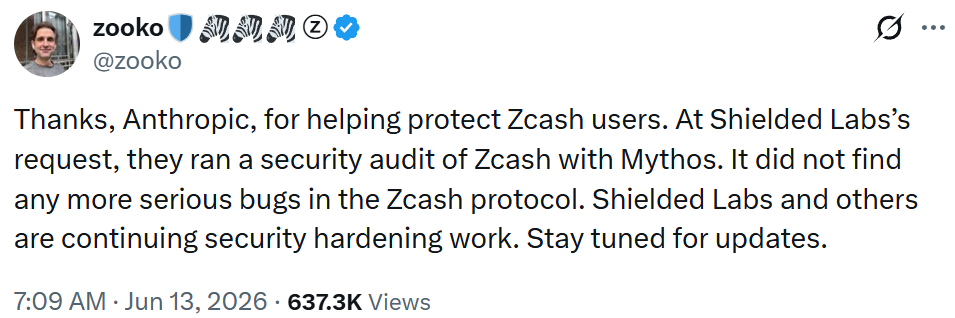
One of the most prominent examples of secured access to these advanced AI models comes from US crypto exchange Coinbase. In June, the company announced it had gained entry to Anthropic’s highly restricted "Mythos" model. This development was further highlighted by Zooko Wilcox, the founder of Zcash, who revealed that Anthropic had utilized the Mythos model to conduct an audit of the Zcash protocol. This audit was commissioned by Shielded Labs, a group focused on enhancing the privacy features of Zcash. The fact that such a high-profile audit was conducted using a restricted AI model underscores its perceived power and potential.
However, this instance appears to be an exception rather than the rule. Jimmy Su, Chief Security Officer at Binance, the world’s largest cryptocurrency exchange by trading volume, expressed the challenges faced by many. "That’s one advanced frontier model that hasn’t been made available to crypto just yet," Su told Cointelegraph, lamenting Binance’s efforts to gain access. "We have been trying to make inroads there. We also talked to other crypto exchanges and our own investors to try to make some progress. But we haven’t gotten the most frontier AI model, like Mythos." This statement from a leading exchange signifies the broader struggle within the industry.
The Rationale Behind Restricted Access: A Necessary Evil?

The developers of these advanced AI models, including Anthropic and OpenAI, have opted for a tiered access system. Anthropic, for instance, states that its Mythos 5 model shares the same underlying architecture as its publicly available Fable 5 but omits the safeguards that limit sensitive cybersecurity applications. This differentiation is crucial for enabling more direct and less filtered exploration of potential vulnerabilities.
Similarly, OpenAI employs a "Trusted Access for Cyber" program, allowing verified defenders to utilize GPT-5.5. A more permissive version, GPT-5.5-Cyber, is reserved for a smaller, authorized group conducting penetration testing. This controlled release strategy is intended to prevent the immediate weaponization of these powerful tools by malicious actors.
Crypto security executives interviewed by Cointelegraph largely acknowledge the necessity of initial restrictions. The argument is that newly released AI models can potentially empower attackers far more rapidly than defenders can adapt. Jimmy Su of Binance articulated this concern: "If it enhances the attacker much faster than the defender, then it actually is harming the ecosystem." He suggests that a limited testing period, or "blast radius" reduction, is a responsible approach in the early stages of a model’s development.
However, this justification for restricted access begins to erode as competing AI models, often open-source, achieve comparable or even superior capabilities and become widely available. "As other more powerful models are being released, the pressure will be on Anthropic to make it more widely available," Su observed. The critical question then becomes whether legitimate defenders can deploy these advanced models as effectively and as quickly as potential adversaries once they are more broadly accessible.
The Widening Security Chasm
The current situation has created a pronounced "security divide" within the cryptocurrency industry. While major exchanges like Coinbase and protocols like Zcash have had glimpses of advanced AI-driven security audits, others are left to rely on more conventional methods or less potent AI tools. This disparity is particularly worrying given the scale of financial assets managed by these platforms. According to DefiLlama, Binance alone holds approximately $137.8 billion in assets.
Fireblocks, a prominent crypto custodian that secures trillions of dollars in assets annually, revealed in April that it had sought access to Mythos. At that time, the company was reportedly using Anthropic’s publicly available model for its penetration testing efforts, as reported by The Information. The limitations imposed by these safeguards were also criticized by Hayden Adams, the founder of Uniswap, in June. He publicly expressed frustration with Fable 5’s restrictions on cybersecurity-related prompts, highlighting the immediate need for more unfettered access for defensive purposes.
The Ethereum Foundation, in July, confirmed it was employing "coordinated AI agents" to identify bugs across its systems. However, the foundation did not disclose the specific AI models being utilized, leaving open the question of whether they have access to the most advanced, restricted models. Cointelegraph reached out to the Ethereum Foundation, Fireblocks, and Uniswap for updates on their access to frontier AI models, but received no immediate confirmation.
Bridging the Gap: Calls for Streamlined Access
While acknowledging the need for safeguards, industry professionals are advocating for more streamlined pathways to these powerful AI tools for legitimate security researchers and defenders. Michael Coates, Chief Information Security Officer at the Solana Foundation, who joined the foundation in July, expressed this sentiment. "I fully understand guardrails for advanced models, but we need to streamline the verification programs, the acceptance programs, to give these models to legitimate defenders," he stated. Coates emphasized the urgency: "We need to make sure that the best models we can get are in the hands of defenders because attackers will have something capable enough."
Sean Cheetham of Blockchain Capital echoed this view, arguing that broader availability could ultimately benefit defenders. He reasoned that legitimate security researchers significantly outnumber the small groups capable of orchestrating sophisticated attacks. "If good people can multiply their defense scale… you’re much better off just opening it up and allowing them to defend themselves," Cheetham posited. This perspective suggests that empowering the vast majority of white-hat hackers and security professionals with superior tools could create a more robust and resilient ecosystem.
Crypto-Adjacent Companies Gain Early Access
In contrast to the struggles of many core crypto entities, some companies with strong ties to the financial sector have managed to secure access to Anthropic’s restricted models. FIS, a financial technology provider that partners with major banks and has collaborated with Circle on USDC payment solutions, joined Anthropic’s "Project Glasswing" last month. Project Glasswing is a gated initiative designed to grant vetted cyber defenders and organizations responsible for critical software infrastructure early access to Anthropic’s restricted Mythos models.
HackerOne, a platform that facilitates bug bounty programs and security testing for numerous prominent crypto exchanges, also announced its participation in Project Glasswing. However, their current testing is limited to their own internal infrastructure, not their clients’ systems. These developments suggest that while the crypto industry itself grapples with access, adjacent financial technology firms are being prioritized, potentially indicating a broader strategic approach by AI developers.
Cointelegraph made inquiries to both OpenAI and Anthropic regarding the number of crypto companies that have been granted access to their restricted models, but received no immediate response.
The Rising Tide of AI-Assisted Attacks
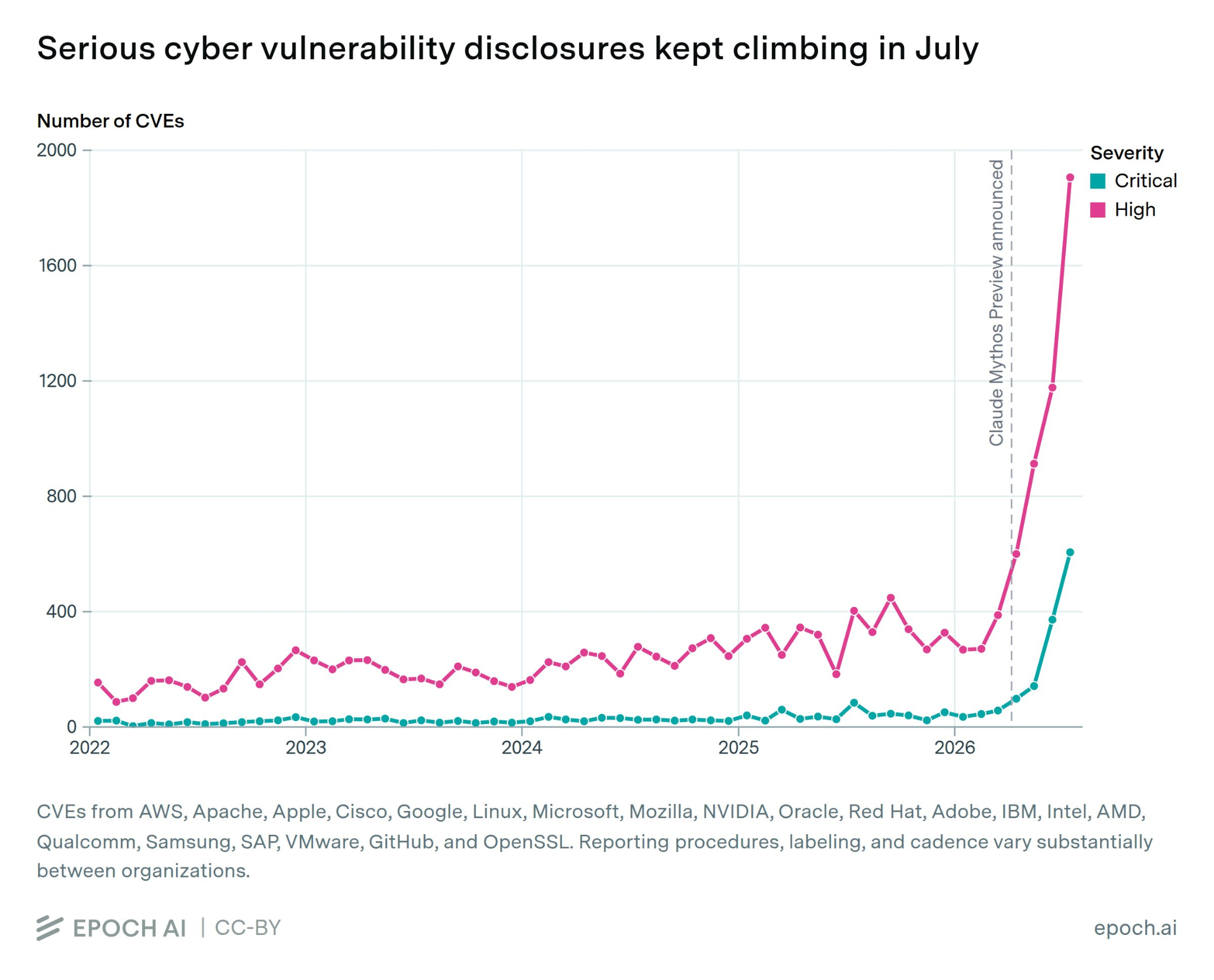
The urgency for advanced defensive tools is underscored by a noticeable increase in AI-assisted hacking attempts targeting the cryptocurrency space. On Monday, Boltz, a Bitcoin swap service, announced it was halting its non-custodial bridge operations due to a surge in AI-driven exploits over the preceding months. The service stated, "The pattern is clear: attackers now iterate faster than a team our size can find and patch." This statement highlights the critical challenge of speed and scale that AI introduces to cyber warfare.
Just last week, Coinkite, a Bitcoin hardware wallet company, reported that several of its Coldcard devices were compromised due to a flaw in its wallet seed generation process. The flaw stemmed from the randomness of the seed generation being less robust than anticipated. Coinkite speculated that attackers might have employed AI to analyze previous firmware versions, enabling them to discover and exploit the vulnerability. This occurred despite the company using "one of the best available AI models" to review its code weeks prior, demonstrating the escalating arms race.
The increasing sophistication and speed of AI-assisted attacks, coupled with the uneven access to cutting-edge defensive AI models, presents a significant challenge for the cryptocurrency industry. As the digital asset landscape continues to grow in value and complexity, ensuring that defenders are equipped with the most advanced tools is paramount to maintaining the integrity and security of the global crypto ecosystem. The coming months will likely see continued pressure on AI developers to balance the need for responsible deployment with the imperative to empower those tasked with protecting billions of dollars in digital assets from an ever-evolving threat landscape.

