
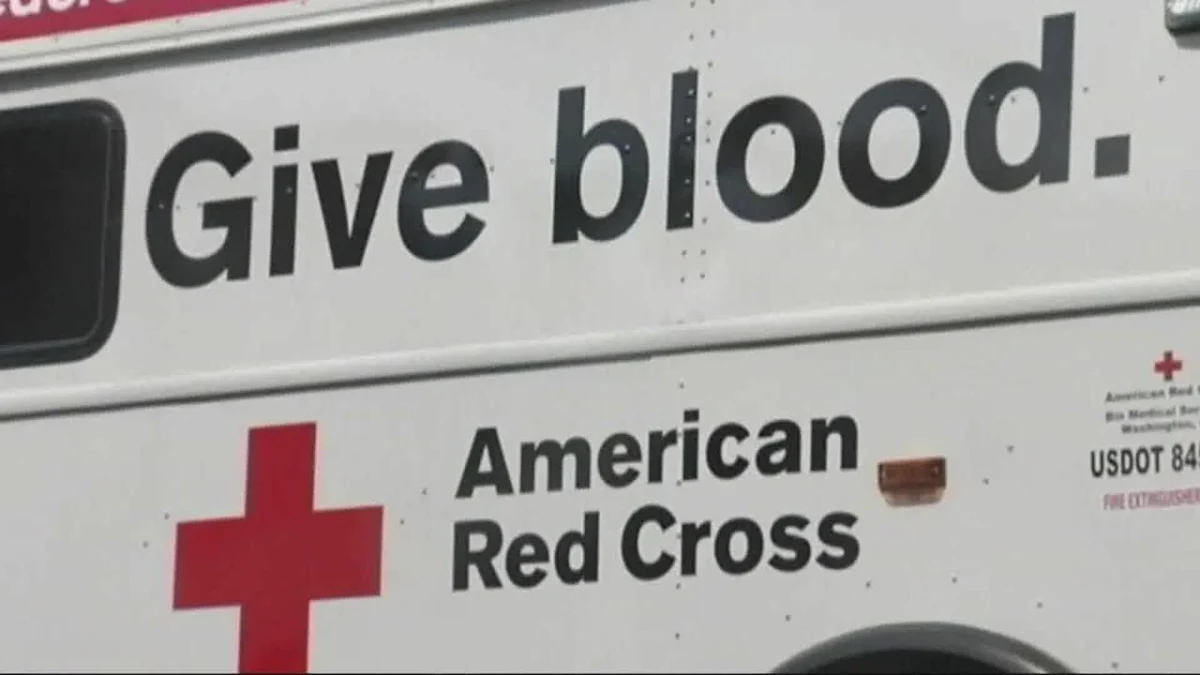
The American Red Cross has declared a national blood crisis, signaling an urgent and unprecedented challenge to the nation’s healthcare system. This critical announcement, made on Monday, reveals a precipitous drop in the supply of type O positive blood, which has fallen below a single-day national inventory. Compounding this alarming situation, summer donations have registered their lowest levels in four years, exacerbating an already precarious blood supply chain. The severity of this shortfall has already compelled the Red Cross, the largest single provider of blood products in the United States, to implement restrictions on the distribution of type O blood to hospitals, a measure that forces medical providers to make difficult decisions regarding patient prioritization for life-saving transfusions. In a unified appeal, the Surgeon General’s office has joined the Red Cross in urging all eligible donors to schedule appointments immediately to bolster the dwindling reserves.
The Criticality of Type O Blood: Why the Shortfall is Dire
Understanding the gravity of the current crisis requires an appreciation for the indispensable role of Type O blood. Representing approximately 60% of all Red Cross blood distributions, Type O blood is a cornerstone of both routine medical care and emergency trauma treatment. Within this category, Type O positive holds particular significance, as it is the most commonly transfused blood type, safely compatible with about 80% of patients. Its widespread utility means that a shortage in O positive blood directly impacts a vast majority of patients requiring transfusions for a myriad of medical conditions.
Equally vital, and often referred to as the "universal donor," is Type O negative blood. This rare and precious blood type can be safely administered to patients of any blood type when their specific blood type is unknown, a common scenario in acute emergencies such as severe accidents, battlefield injuries, or mass casualty incidents where immediate transfusions are critical to patient survival. The ability to administer O negative blood without delay can be the difference between life and death, making its availability non-negotiable for emergency medical services and trauma centers across the country. According to the Red Cross, Type O negative blood constitutes only about 7% of the U.S. population, yet it is disproportionately relied upon in critical situations. A one-day supply of O positive blood, therefore, does not just indicate scarcity; it reflects a systemic vulnerability that could have catastrophic consequences for patient care nationwide. The shelf life of red blood cells, typically 42 days, and platelets, a mere 5 days, underscores the continuous and relentless demand for fresh donations, making sustained donor engagement absolutely essential.
Unpacking the Decline: Factors Fueling the Summer Shortage
The current crisis is not merely a statistical anomaly but a convergence of seasonal challenges and unforeseen environmental and public health obstacles. While blood demand generally experiences an uptick during the summer months due to increased travel, outdoor activities leading to accidents, and scheduled elective surgeries, this year’s collection efforts have demonstrably failed to keep pace. Red Cross officials have pinpointed several key factors contributing to this alarming gap, painting a picture of a summer besieged by impediments to donation.
One significant deterrent has been the widespread occurrence of extreme heat across various regions of the country. Soaring temperatures not only make it physically uncomfortable and potentially dangerous for donors to travel to donation centers but also pose logistical challenges for mobile blood drives, which often rely on community participation in outdoor or less climate-controlled settings. Individuals feeling unwell due to heat-related stress are rightly deferred from donating, further reducing the eligible donor pool.
Concurrently, poor air quality, frequently a consequence of wildfires or industrial pollution, has presented another formidable barrier. Elevated levels of particulate matter and ozone can exacerbate respiratory conditions, making it unsafe for some individuals to donate blood. Furthermore, public health advisories often recommend limiting outdoor activities during periods of poor air quality, inadvertently deterring potential donors from attending scheduled appointments.
Adding to these environmental hurdles, a surge in widespread foodborne illnesses has temporarily disqualified a notable number of would-be donors. Individuals who have recently experienced symptoms of gastrointestinal distress are typically required to observe a waiting period before they can donate blood to ensure their full recovery and prevent any potential transmission risks. These simultaneous challenges have created a perfect storm, drastically shrinking the pool of eligible and available donors during a period of heightened demand. The cumulative effect of these factors has pushed the nation’s blood supply to its lowest summer levels in four years, a clear indication that routine seasonal dips have escalated into an acute emergency.
Echoes of the Past: A Troubling Chronology of Blood Supply Challenges
The declaration of a national blood crisis marks only the second time in the American Red Cross’s venerable history that such a dire warning has been issued, underscoring the severity of the present situation. The first national blood crisis was declared in January 2022, amidst a complex confluence of adversities. That period saw the raging Omicron variant of the COVID-19 pandemic, which not only led to donor deferrals due to illness and exposure but also caused significant staffing shortages at blood collection centers. Simultaneously, severe winter storms disrupted travel and canceled blood drives across vast swathes of the country, further compounding the supply deficit. That crisis served as a stark reminder of the fragility of the blood supply chain in the face of widespread public health and environmental disruptions.
Following the 2022 crisis, the Red Cross affirmed its commitment to implementing additional safeguards and strategies aimed at preventing a recurrence of such a critical shortage. These measures included enhanced donor recruitment efforts, operational adjustments to improve collection efficiency, and public awareness campaigns. However, despite these proactive steps, the current crisis indicates that the systemic challenges are proving to be persistent and formidable.
More recently, in 2024, the Red Cross issued a warning about an "emergency blood shortage," a designation that, while serious, did not escalate to the level of a "crisis." This distinction is crucial; an emergency shortage implies a significant reduction in supply that necessitates careful management and calls for increased donations, whereas a crisis signifies an immediate and critical threat to patient care, with inventories dipping to dangerously low levels that directly impact hospital operations and patient outcomes. The escalation from an "emergency shortage" in 2024 to a full-blown "national crisis" this year highlights a worrying trend of increasing instability in the national blood supply, suggesting that the underlying vulnerabilities have not been fully addressed or have been overwhelmed by new pressures. These historical precedents underscore that the current situation is not an isolated incident but rather a more severe manifestation of ongoing challenges to maintain a robust and resilient blood supply.
Healthcare Under Strain: The Far-Reaching Implications of a Blood Drought
An extended shortage of blood products, particularly of the widely used Type O, carries profound and potentially devastating implications for the entire healthcare ecosystem. The immediate and most visible impact is often felt in the scheduling of elective surgeries. Procedures such as hip and knee replacements, certain cardiac interventions, and various cancer-related operations, while not immediate emergencies, are vital for improving patients’ quality of life, extending their longevity, or preventing the progression of serious diseases. When blood supplies are critically low, hospitals are forced to postpone these surgeries, leading to increased patient anxiety, prolonged discomfort, and in some cases, a worsening of their underlying conditions. The ripple effect extends to surgical teams, operating room schedules, and overall hospital efficiency, creating a backlog that can take weeks or even months to clear.
Beyond elective procedures, a severe blood shortage gravely complicates trauma care. Victims of accidents, gunshot wounds, or other severe injuries often require massive transfusions of blood products to survive. In such critical scenarios, rapid access to Type O negative blood as a universal donor, and large quantities of O positive, is paramount. Delays in obtaining suitable blood can lead to irreversible organ damage, increased mortality rates, and more complex, prolonged recovery periods for survivors. Emergency departments and trauma centers operate on the principle of immediate availability, and a compromised blood supply directly undermines their ability to deliver life-saving care when every second counts.
Furthermore, patients battling chronic illnesses are particularly vulnerable. Individuals with conditions like sickle cell anemia, thalassemia, and various cancers often rely on regular blood transfusions to manage their symptoms, prevent complications, and sustain their lives. For these patients, a consistent and reliable blood supply is not just a treatment; it is a lifeline. A shortage can lead to delayed transfusions, increased risk of complications, and a significant decline in their quality of life. Pregnant women experiencing complications during childbirth, such as postpartum hemorrhage, also represent a group for whom immediate access to blood can be life-saving. The Red Cross estimates that a single car accident victim can require up to 100 units of blood, while a patient undergoing liver transplant surgery might need up to 40 units. These figures highlight the immense demand and the potential for severe consequences when supply falters.
Hospitals facing these constraints often implement blood conservation strategies, such as using cell salvage techniques during surgery or employing pharmacological agents to reduce bleeding. However, these measures can only mitigate, not eliminate, the fundamental need for donated blood. The psychological toll on medical staff, forced to make difficult rationing decisions, and on patients awaiting critical care, cannot be overstated. The national blood crisis, therefore, is not merely an inventory problem; it is a profound threat to the operational integrity of the nation’s healthcare system and the well-being of countless individuals.
Rallying the Nation: Official Appeals and Donor Incentives
In response to this escalating crisis, the American Red Cross has launched an urgent appeal to the public, emphasizing the immediate need for blood donations. Chris Hrouda, president of Red Cross Biomedical Services, underscored the organization’s unwavering commitment to its vital role, stating, "The Red Cross takes its responsibility as the nation’s largest single provider of blood products incredibly seriously and has worked tirelessly to strengthen the blood supply for our hospital partners." He acknowledged the proactive measures taken since the 2022 crisis but stressed that "this summer, blood donations simply are not keeping pace with hospital demand, and inventories, especially type O blood, remain under significant strain. Every donation has the potential to help save lives, and we urgently need everyone who is eligible to make an appointment to give blood as soon as possible." His words convey both the gravity of the situation and the critical role of individual action.
The call to action has been amplified by the Surgeon General’s office, lending significant governmental weight to the Red Cross’s plea. This high-level endorsement serves to underscore the national importance of the issue and encourages a broader segment of the population to consider donating. Eligibility criteria for blood donation are generally straightforward but designed to protect both the donor and the recipient. Donors must typically be at least 17 years old (16 with parental consent in some states), weigh at least 110 pounds, and be in good general health. Specific waiting periods apply after certain medical procedures, travel to malaria-risk areas, or for those taking certain medications. Potential donors are encouraged to visit the Red Cross website or consult their local blood drive organizers for detailed eligibility information.
To incentivize immediate action and recognize the selfless act of donation, the Red Cross has announced special promotions for eligible donors. Those who give blood by July 31, 2026, will receive a Fandango Movie Ticket by email, valued at up to $15, including fees. Extending this initiative, donors who contribute between August 1st and August 31st will receive a $20 Amazon gift card by email. While these incentives aim to boost turnout, the primary motivation remains the profound impact a single donation can have: one blood donation has the potential to save up to three lives. The donation process itself is relatively quick, typically lasting about an hour from check-in to post-donation refreshment, with the actual blood collection taking only about 8-10 minutes. This brief commitment offers an unparalleled opportunity to make a tangible difference in the lives of patients in urgent need.
A Call for Collective Action: Sustaining the Lifeline
The current national blood crisis serves as a stark reminder of the fragile balance between supply and demand in a critical public health resource. While immediate action is imperative to address the current shortfall, the episode also highlights the necessity for a sustained, long-term commitment to maintaining a robust national blood supply. Beyond individual donations, community engagement plays a crucial role. Local businesses, schools, places of worship, and civic organizations can actively support blood drives by hosting events, promoting awareness, and encouraging their members to participate. These collective efforts are vital in diversifying the donor base and ensuring a steady stream of donations throughout the year, mitigating the impact of seasonal dips and unforeseen challenges.
Looking ahead, while research into synthetic blood and blood substitutes continues, these innovations are not yet viable for widespread clinical use. Therefore, reliance on voluntary human donations remains the bedrock of the blood supply system. The Red Cross and other blood collection agencies continuously work to refine donor recruitment strategies, enhance operational efficiencies, and adapt to evolving public health landscapes. However, the ultimate resilience of the system rests on the consistent generosity of eligible individuals.
The immediate imperative is clear: the nation needs blood, and it needs it now. The current crisis, marked by dangerously low Type O inventories and unprecedented summer donation lows, is not merely a logistical challenge but a direct threat to patient care across the United States. Every single donation can make a profound difference, offering hope and a chance at life to those facing medical emergencies, critical surgeries, or chronic conditions. The call to action is not just from the Red Cross or the Surgeon General; it is from every patient whose life hangs in the balance, awaiting the gift of blood.

