
By Joe Casey
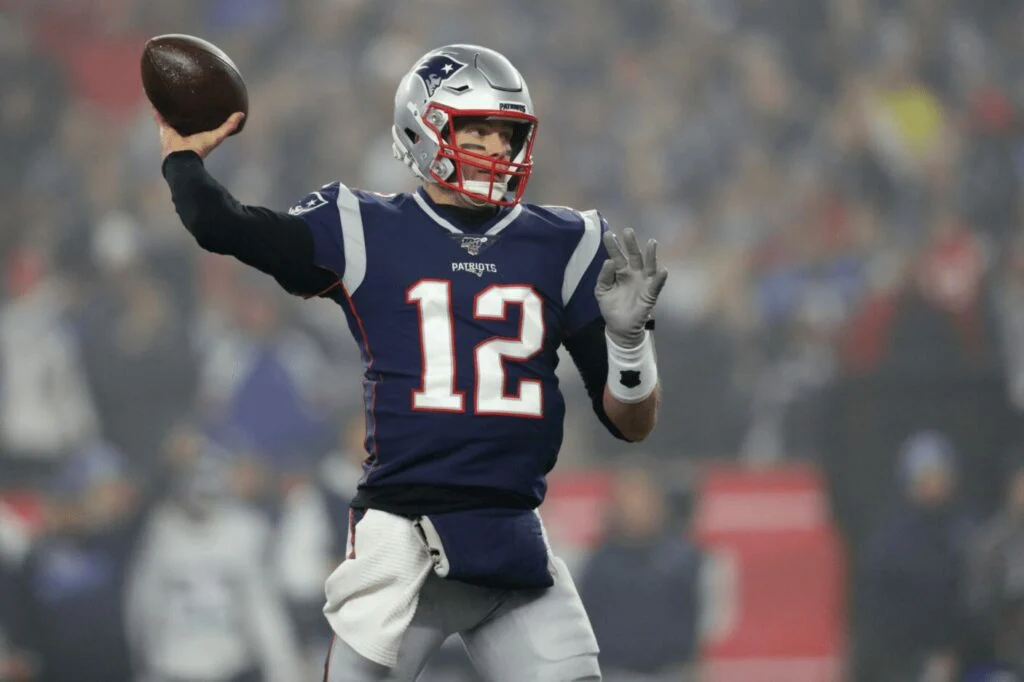
Tom Brady’s decision to retire from the National Football League, announced on February 1, 2023, marked the end of an unparalleled career. While the quarterback’s immense wealth, unparalleled professional achievements, and celebrity status might seem distant from the realities of most individuals, his retirement offers valuable, transferable lessons. Examining the principles behind Brady’s decision can provide actionable insights for anyone contemplating their own career transitions and retirement planning. The enduring success of highly accomplished individuals often stems from a confluence of strategic foresight, self-awareness, and adaptability—qualities that can be cultivated and applied to diverse life circumstances.
The Strategic Timing of Departure
One of the most salient lessons from Brady’s retirement is the importance of understanding when to step away, even if it means deviating from a long-held personal goal. Brady had publicly expressed his ambition to play in the NFL until at least his 45th birthday, a target he ultimately fell short of by one year. His retirement at age 45, after 23 seasons, came after a period of intense deliberation and indicated a shift in priorities or a recognition of his physical and mental readiness to transition. This underscores the need for individuals to regularly assess their feelings about their work and their readiness for a new phase of life, rather than rigidly adhering to pre-set deadlines.
In the broader context of retirement, data from organizations like the Employee Benefit Research Institute (EBRI) consistently show that a significant percentage of individuals are forced into early retirement due to unforeseen circumstances, such as job loss, health issues, or economic downturns. A 2022 EBRI report indicated that while many workers aim to retire in their early to mid-60s, a substantial portion end up retiring earlier than planned. Brady’s proactive, albeit slightly adjusted, decision to retire highlights the advantage of making a conscious choice to transition when the timing feels right, rather than being compelled by external factors. This foresight allows for a more controlled and potentially more satisfying exit.
The Art of Exiting at One’s Peak
Brady’s decision to retire was also characterized by his continued high level of performance. In his final NFL season (2022), he led the league in passing yards with 4,694 and was a strong contender for MVP awards in previous seasons. His consistent performance over two decades, culminating in a Super Bowl appearance in 2021 at age 43, exemplifies the ideal of “going out on top.” This contrasts with the common scenario in professional sports and business where individuals may linger in their roles beyond their peak, potentially impacting their legacy and personal satisfaction.
This principle extends beyond athletic careers. In the corporate world, employees who manage their careers effectively often aim to transition to new roles or retirement while their contributions are still highly valued and their skills are sharp. This proactive approach can lead to more favorable opportunities for post-career endeavors, such as consulting, board memberships, or mentorship roles. The implication is that maintaining a high standard of performance and recognizing when one’s effectiveness might be waning can pave the way for a more celebrated and dignified departure.
Proactive Planning for the Next Chapter
A crucial element of Brady’s retirement strategy was his long-term commitment to building a diverse portfolio of business interests during his playing career. For years, he invested in and developed ventures in health and fitness (TB12), apparel (Brady Brand), and production (199 Productions). This foresight demonstrates the wisdom of laying the groundwork for one’s post-career life well in advance.
This approach offers a model for individuals planning their own retirements. While not everyone can launch multi-million dollar businesses, the underlying principle of cultivating interests and skills outside of one’s primary profession is invaluable. Research from organizations like the AARP consistently points to the importance of purposeful activity in retirement for overall well-being. A 2021 AARP study found that retirees who engage in meaningful activities, whether paid or volunteer, report higher levels of life satisfaction and a greater sense of purpose.
The practical application of this lesson involves dedicating time, even incrementally, to exploring potential post-retirement pursuits. This could involve pursuing educational courses, volunteering in areas of interest, networking with professionals in desired fields, or dedicating time to hobbies that could potentially evolve into income-generating activities. Engaging in informational interviews with individuals who have successfully transitioned into their desired post-career roles can provide invaluable insights and practical guidance.
The Centrality of Family Considerations
Speculation surrounding Brady’s retirement frequently cited family considerations as a significant factor. As individuals age, the demands and priorities of family life often become more prominent. For many, retirement is not solely a personal decision but a shared one, impacting spouses, partners, and children.
A striking statistic from a 2022 Fidelity Investments survey revealed that a significant majority of couples (57%) had incorrect assumptions about their partner’s retirement timeline. This highlights a widespread deficiency in open and ongoing communication about retirement plans within relationships. Brady’s decision, whether driven by a desire to spend more time with his children or to support his wife Gisele Bündchen’s career and personal pursuits, underscores the importance of prioritizing these familial bonds.
Effective retirement planning necessitates robust conversations between partners. These discussions should delve into mutual expectations, financial realities, desired lifestyles, and the emotional aspects of transitioning away from a career. A structured approach, involving multiple conversations over time, can help ensure that both individuals are aligned and prepared for the changes ahead.
Maintaining Grace and Professionalism in Transition
Brady’s retirement announcement, while widely celebrated, faced some criticism regarding his initial omission of the New England Patriots, the team with which he achieved unprecedented success for two decades. While this may have been an oversight or a strategic decision to focus on his immediate team at the time of the announcement, the broader principle of leaving with grace and professionalism remains critical.
In any career transition, whether voluntary or involuntary, the way one departs can have lasting repercussions. Burning bridges, engaging in public disputes, or displaying bitterness can negatively impact future opportunities and professional reputation. The anecdote of a former employee sending a "scorched earth" resignation letter serves as a cautionary tale. Such actions, though potentially cathartic in the moment, rarely benefit the individual in the long run and can become lasting liabilities in professional networks.
The implication for individuals navigating career changes is to prioritize leaving on positive terms. This involves maintaining professional conduct, expressing gratitude for opportunities, and ensuring a smooth handover of responsibilities. Focusing on maintaining strong professional relationships, even with those with whom there may have been past disagreements, is a more prudent long-term strategy.
The Possibility of a "Second Act"
A final, and perhaps most intriguing, lesson from Brady’s career is the concept of "never say never." His retirement was not necessarily an absolute cessation of his engagement with the NFL. Speculation about potential returns to the league, reminiscent of Brett Favre’s numerous retirements and comebacks, highlights the evolving nature of career trajectories.
Studies conducted prior to the COVID-19 pandemic indicated a notable trend of retirees returning to the workforce. Research published in journals like the Journal of Pension Economics & Finance suggested that over 20% of retirees in the US and UK unretired within five years, often driven by a desire for purpose, social engagement, or cognitive stimulation, rather than solely financial necessity.
Brady’s own history, including his unretirement after initially announcing it in 2022, demonstrates that career paths are rarely linear. While his future in the NFL remains uncertain, the possibility of a return underscores the importance of not permanently closing doors. For individuals, this means that retirement does not have to be a final destination but can be a phase of exploration, with the potential for new opportunities to emerge. It suggests a mindset of adaptability and openness to unexpected career developments, even after a formal transition.
Joe Casey is an executive coach specializing in career transitions and post-career life design. He hosts The Retirement Wisdom Podcast, recognized globally for its popularity, and is the author of the forthcoming book, Win the Retirement Game: Outsmart the 9 Forces Trying to Steal Your Joy.

