
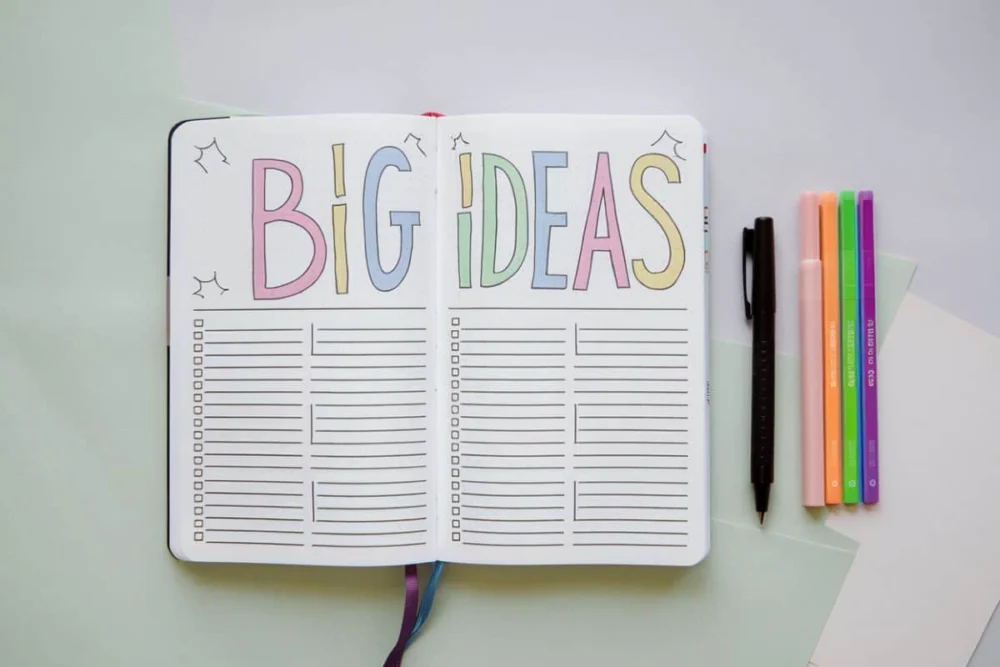
The world of bullet journaling, often abbreviated as BuJo, offers a highly customizable and deeply personal approach to organization, productivity, and creative expression. For individuals seeking to establish or enhance their bullet journal practice, a wealth of ideas and page layouts exist, catering to diverse needs ranging from meticulous planning and financial management to personal growth and artistic exploration. However, the sheer volume of possibilities can often lead to overwhelm, a common hurdle for newcomers and seasoned journalers alike. The fundamental principle of effective bullet journaling lies in its adaptability; the system should serve the user, not the other way around. Therefore, a strategic approach that prioritizes essential elements while allowing for experimentation is key to unlocking its full potential.
At its core, a bullet journal is a system designed by Ryder Carroll, utilizing a framework of bullet points, symbols, and rapid logging to capture information efficiently. It transcends the limitations of conventional planners by integrating daily logs, monthly calendars, habit trackers, goal-setting pages, and reflective spaces into a single, cohesive notebook. This flexibility makes it an invaluable tool for anyone looking to gain clarity, reduce stress, boost productivity, and cultivate intentional progress across various facets of their life, from professional endeavors to personal well-being.
The genesis of the bullet journal system can be traced back to Carroll’s personal struggle with Attention Deficit Disorder (ADD). He sought a method that would help him manage his thoughts and tasks more effectively. His solution, developed in 2013, was the bullet journal – a minimalist, analog system designed to be adaptable to any need. The core components, as outlined by Carroll, include an index, a future log, a monthly log, and a daily log. These foundational elements provide a structure upon which users can build, adding modules and collections that align with their unique requirements and aspirations. The system’s elegance lies in its simplicity, emphasizing functionality over elaborate design, although many users find immense creative satisfaction in decorating and personalizing their journals.

Understanding the underlying philosophy of bullet journaling is crucial for maximizing its benefits. It encourages mindfulness by prompting users to be deliberate about what they commit to paper. This act of writing down tasks, events, and reflections fosters a deeper engagement with one’s commitments and priorities. The visual representation of progress, challenges, and goals can be a powerful motivator, providing tangible evidence of personal development and achievements.
Essential Bullet Journaling Tools and Setup
Embarking on the bullet journaling journey requires minimal investment in terms of supplies. The foundational toolkit consists of a notebook and a pen. For those drawn to the structured yet freeform nature of bullet journaling, dot grid notebooks are particularly popular. The subtle dots offer guidance for writing and drawing without imposing rigid lines, allowing for creative freedom. Premium journals are available, but any notebook with sufficiently thick paper to prevent ink bleed-through will suffice. Many users opt for notebooks with pre-numbered pages to facilitate the creation of an index, a critical component for navigating the journal.
When selecting a pen, prioritize smooth ink flow and minimal bleeding. The choice of writing instrument can significantly impact the journaling experience, so experimenting with different types of pens, such as gel pens, fine liners, or rollerballs, is often part of the process. The emphasis should always be on functionality and personal preference.

The initial setup of a bullet journal typically involves creating a few core layouts that serve as the organizational backbone. These foundational pages ensure that the journal remains a practical tool for managing daily life.
Core Bullet Journal Layouts: The Foundation of Organization
-
The Index: This is the first section of the bullet journal and serves as a table of contents. As new collections or pages are added, their page numbers are recorded here, allowing for quick retrieval of information. For instance, if a "Gratitude Log" is started on page 15, it would be noted in the index as "Gratitude Log – pg 15."
-
The Future Log: This section typically spans several pages and provides an overview of upcoming months. It’s used to record events, appointments, and deadlines that fall beyond the current month. This allows for proactive planning and ensures that no important dates are missed. A common format divides a spread into six sections, one for each month of the upcoming year.

-
The Monthly Log: This spread provides a more detailed view of the current month. It typically includes a calendar view for noting appointments and events, alongside a task list for month-specific objectives. Users often dedicate a page for the calendar and another for the tasks, creating a comprehensive monthly overview.
-
The Daily Log: This is the most dynamic part of the bullet journal, where daily tasks, events, notes, and observations are recorded using rapid logging. Each entry begins with a bullet point, which can be modified with symbols to indicate its status (e.g., a dot for a task, a circle for an event, a dash for a note). Completed tasks are marked with an ‘X’, migrated tasks with an arrow, and so on. This system allows for efficient tracking and review of daily activities.
These basic layouts form the essential structure of any bullet journal, regardless of its intended purpose. They provide a framework for organizing time, tasks, and thoughts, laying the groundwork for more specialized pages.

Expanding Horizons: 97+ Bullet Journal Ideas for Every Aspect of Life
Beyond the foundational elements, the true power of the bullet journal lies in its capacity to be personalized with a vast array of custom pages, or "collections," designed to track, inspire, and organize specific areas of life. The following categories offer a comprehensive selection of ideas, demonstrating the remarkable versatility of the bullet journal system.
Wellness and Self-Care Page Ideas
Prioritizing mental and physical well-being is paramount, and the bullet journal can serve as a dedicated space for this.
- Habit Tracker: Monitor daily habits such as drinking water, exercising, meditating, or getting enough sleep. Visualizing streaks can be a powerful motivator.
- Mood Tracker: Record daily moods using colors, symbols, or brief descriptions. This can reveal patterns and triggers related to emotional states.
- Sleep Log: Track sleep duration, quality, and any factors that might influence it.
- Water Intake Tracker: A simple visual representation of daily water consumption.
- Meditation Tracker: Log daily meditation sessions, noting duration and any insights gained.
- Workout Log: Record exercises performed, duration, intensity, and personal bests.
- Meal Planner: Plan weekly meals to promote healthier eating habits and reduce food waste.
- Recipe Collection: A dedicated space to record favorite recipes, categorized for easy access.
- Self-Care Ideas List: A running list of activities that promote relaxation and rejuvenation.
- Affirmation Page: Write down positive affirmations to reinforce self-belief and a positive mindset.
- Gratitude Log: Daily or weekly entries of things one is thankful for, fostering a positive outlook.
- Journal Prompts: A collection of questions to guide reflective journaling sessions.
- Mental Health Check-in: Regular prompts or spaces to assess current mental state and identify any concerns.
- Hydration Tracker: Similar to water intake, focusing on overall fluid consumption.
- Downtime Tracker: Log periods of rest and relaxation to ensure adequate breaks are taken.
Finance and Budgeting Pages
Gaining control over personal finances is a common goal, and bullet journals can offer a clear overview of income, expenses, and savings.

- Budget Tracker: Allocate funds to different categories (housing, food, entertainment, savings) and track spending against these budgets.
- Expense Tracker: A detailed log of all expenditures, often categorized for analysis.
- Savings Goals Tracker: Set financial goals (e.g., down payment, vacation fund) and track progress towards them.
- Bill Payment Tracker: Keep a record of due dates and payment status for all recurring bills.
- Debt Payoff Tracker: Monitor progress in paying down debts, celebrating milestones along the way.
- Net Worth Tracker: Periodically calculate and record net worth to assess overall financial health.
- Investment Portfolio Tracker: Log investments, their performance, and allocation.
- Subscription Tracker: List all recurring subscriptions to identify potential savings.
- Wishlist: A curated list of desired purchases, helping to differentiate needs from wants.
- Financial Goals Overview: A high-level summary of short-term and long-term financial objectives.
- Income Tracker: Record all sources of income to understand earning patterns.
- No-Spend Challenge Tracker: A dedicated spread for tracking days or weeks without discretionary spending.
- Annual Financial Review: A year-end summary of financial performance and adjustments for the following year.
- Gift Ideas Tracker: Keep track of gift ideas for friends and family, along with budget constraints.
- Emergency Fund Tracker: Monitor the growth of an emergency savings fund.
Personal Development Page Ideas
The bullet journal can be a powerful tool for self-improvement, goal setting, and skill development.
- Goal Setting Pages: Break down large goals into smaller, actionable steps.
- Vision Board/Dream Board: A visual representation of aspirations and future desires.
- Skill Development Tracker: Identify skills to learn and track progress in acquiring them.
- Book Reading List: Track books read, including ratings, reviews, and favorite quotes.
- Movie/TV Show Watchlist: A list of films and series to watch, with space for ratings and notes.
- Personal Strengths Inventory: Identify and document personal strengths and how to leverage them.
- Areas for Improvement: Honestly assess areas where growth is desired and outline strategies.
- Learning Log: Record insights and key takeaways from courses, workshops, or independent study.
- Bucket List: A compilation of experiences and activities to accomplish in a lifetime.
- Personal Philosophy/Values: Document core beliefs and values to guide decision-making.
- Future Self Letter: Write a letter to one’s future self, reflecting on current aspirations and progress.
- Career Goals Tracker: Outline professional aspirations and steps to achieve them.
- Networking Tracker: Log contacts made and follow-up actions to cultivate professional relationships.
- Personal Growth Journal: Dedicated space for deeper reflections on life experiences and lessons learned.
- Success Tracker: Document personal achievements, big or small, to build confidence.
Creative Outlet Pages
For the artistically inclined, the bullet journal can serve as a canvas for creativity and a repository for inspiration.
- Doodle Pages: Unstructured space for freehand drawing and doodling.
- Sketchbook Pages: Dedicate spreads for more intentional sketching and drawing practice.
- Color Palette Swatches: Experiment with color combinations and record favorite palettes.
- Lettering Practice: Dedicated pages for practicing different calligraphy and lettering styles.
- Inspiration Board: Collect images, quotes, and ideas that spark creativity.
- Art Project Ideas: Brainstorm and outline potential art projects.
- Quote Collection: A compilation of inspiring quotes from books, movies, or speakers.
- Poetry or Songwriting Pages: Space for creative writing endeavors.
- Vision Board for Creative Projects: Outline aspirations for artistic endeavors.
- Creative Block Buster Ideas: A list of activities to overcome creative ruts.
- Pattern Design Pages: Experiment with repeating patterns and motifs.
- Collage Pages: Incorporate found images and text to create visual narratives.
- Hand-Lettered Titles/Headers: Practice creating unique lettering for journal entries.
- Visual Journaling: Incorporate drawings, sketches, and visual elements into daily entries.
- Bullet Journal Layout Inspiration: Document layouts from other journals that are admired.
Home and Organization Pages
Maintaining a well-organized living space can significantly reduce stress and improve daily efficiency.

- Cleaning Schedule: Create daily, weekly, and monthly cleaning routines.
- Decluttering Tracker: Set goals for decluttering specific areas of the home.
- Home Maintenance Log: Keep track of appliance maintenance, repairs, and warranties.
- Inventory List: Catalog possessions for insurance purposes or simply to know what one owns.
- Plant Care Tracker: Monitor watering schedules, fertilizing, and other plant needs.
- Pet Care Log: Record feeding schedules, vet appointments, and medication for pets.
- Wardrobe Inventory: List clothing items to facilitate outfit planning and identify gaps.
- Pantry Inventory: Keep track of food items to reduce waste and simplify grocery shopping.
- DIY Project Planner: Outline home improvement or craft projects, including materials and steps.
- Moving Checklist: A comprehensive list for managing a relocation.
- Gift Wrapping Supplies Inventory: Keep track of ribbons, paper, and other gift-wrapping essentials.
- Seasonal Decor Tracker: Organize and inventory seasonal decorations.
- Packing Lists: Create standardized packing lists for different types of trips.
- Home Repair Contact List: A handy reference for plumbers, electricians, and other service providers.
- Meal Prep Schedule: Plan and organize ingredients for weekly meal preparation.
Travel and Adventure Page Ideas
Documenting journeys and planning future explorations can be a rewarding aspect of bullet journaling.
- Travel Itinerary: Detailed plans for upcoming trips, including flights, accommodation, and activities.
- Packing Lists: Customized lists for different destinations and trip durations.
- Travel Budget: Allocate funds for transportation, accommodation, food, and activities.
- Places to Visit List: A compilation of desired travel destinations.
- Travel Journal Entries: Document daily experiences, observations, and reflections during a trip.
- Souvenir Tracker: A place to list or sketch memorable souvenirs acquired.
- Post-Travel Reflections: A space to review the trip, noting highlights and lessons learned.
- Road Trip Planner: Map out routes, stops, and essential supplies for road journeys.
- Wishlist of Experiences: List desired adventures and activities.
- Language Learning Log: Track progress in learning a foreign language for travel.
- Travel Photography Log: Note locations and dates of significant photographs taken.
- Travel Companions Tracker: Log who has been traveled with and to where.
- Adventure Fund Tracker: A dedicated savings goal for future travel.
- Cultural Notes: Record interesting facts or customs about visited places.
- Restaurant Recommendations: List notable dining experiences from travels.
Relationships and Social Life Pages
Nurturing connections with others is vital, and the bullet journal can aid in maintaining social calendars and strengthening bonds.
- Birthday Tracker: Keep track of birthdays and anniversaries of friends and family.
- Gift Ideas for Loved Ones: A personalized list of gift preferences for each person.
- Date Night Ideas: Brainstorm and plan special outings with a partner.
- Friendship Tracker: Note important dates or moments with friends to foster connection.
- Social Event Planner: Organize gatherings, parties, or social outings.
- Conversation Starters: A list of engaging topics for social interactions.
- Acts of Kindness Tracker: Record instances of performing or receiving kindness.
- Family Tree Outline: A simple visual representation of family connections.
- Letters to Write: A reminder to send letters or cards to friends and family.
- Social Media Detox Tracker: Plan and monitor periods of reduced social media usage.
- Family Traditions Log: Document cherished family customs and rituals.
- Relationship Goals: Define aspirations for romantic, familial, or platonic relationships.
- Networking Event Follow-up: Track contacts made and actions to maintain professional relationships.
- Gratitude for Relationships: A space to express appreciation for important people.
- Memory Log: Record significant shared experiences and memories with loved ones.
Academic and Professional Pages
For students and professionals, the bullet journal can be an indispensable tool for managing coursework, projects, and career development.

- Assignment Tracker: List all assignments, deadlines, and their status.
- Study Schedule: Plan dedicated study sessions for different subjects or exams.
- Exam Timetable: A clear overview of exam dates and times.
- Project Planner: Break down large projects into manageable tasks with deadlines.
- Meeting Notes: Record key discussion points, action items, and decisions from meetings.
- Professional Development Goals: Outline aspirations for career advancement and skill enhancement.
- Networking Log: Track contacts made at professional events and follow-up actions.
- Resource List: Compile useful websites, books, or tools for academic or professional pursuits.
- Brainstorming Pages: Dedicate space for generating ideas for projects or solutions.
- Time Management Matrix: Categorize tasks based on urgency and importance (e.g., Eisenhower Matrix).
- Workshops and Conferences Log: Track attended events and key takeaways.
- Performance Review Preparation: Outline achievements and areas for development in preparation for reviews.
- Professional Reading List: Track articles, books, or journals relevant to one’s field.
- Skill Gap Analysis: Identify skills needed for career progression and plan development.
- Client/Project Tracker: For freelancers or consultants, a system to manage client work.
Miscellaneous and Fun Page Ideas
The bullet journal can also be a space for lightheartedness, personal reflection, and unique tracking.
- Dream Journal: Record and interpret dreams.
- Wishlist (General): A broader list of desires, from material items to experiences.
- Favorite Quotes Collection: A personal anthology of inspiring sayings.
- "Things I Love" List: A compilation of simple joys and preferences.
- Bucket List (Fun Edition): A list of playful or whimsical goals.
- Sticker/Washi Tape Inventory: For the decorative journaler, a catalog of supplies.
- Pen Swatches: Test and record the ink colors and characteristics of pens.
- Mood Board for Aesthetics: Collect images and colors that represent a desired aesthetic.
- "Currently" Page: A snapshot of current interests, including books, music, movies, and hobbies.
- Random Thoughts/Ideas Dump: A free-flowing space for capturing fleeting thoughts.
- "Would You Rather" Questions: A fun page for personal reflection or sharing with others.
- Personal Awards: Invent humorous or meaningful awards for oneself or others.
- Favorite Recipes Compilation: A curated collection of culinary delights.
- "Things to Learn" List: A diverse list of subjects or skills to explore.
- A-Z Challenge Pages: Create themed pages for each letter of the alphabet.
The Enduring Appeal of Bullet Journaling
In conclusion, the bullet journal system offers a profoundly adaptable framework for individuals seeking to enhance their organization, productivity, and creative expression. The journey begins with a few fundamental pages—the index, future log, monthly log, and daily log—that provide essential structure. From this solid foundation, users can expand their journals with a myriad of custom pages tailored to their unique needs and aspirations. Whether the focus is on personal wellness, financial management, creative pursuits, professional development, or simply capturing the joys of everyday life, the bullet journal provides a powerful and personalized solution. The key to success lies in embracing simplicity, allowing for experimentation, and consistently adapting the system to serve one’s evolving goals. By treating the bullet journal as a dynamic tool rather than a rigid artistic project, individuals can unlock its full potential, fostering greater clarity, intention, and fulfillment in all areas of their lives. The growing popularity of bullet journaling, evidenced by countless online communities and shared layouts, underscores its enduring relevance as a method for intentional living in an increasingly complex world.

