
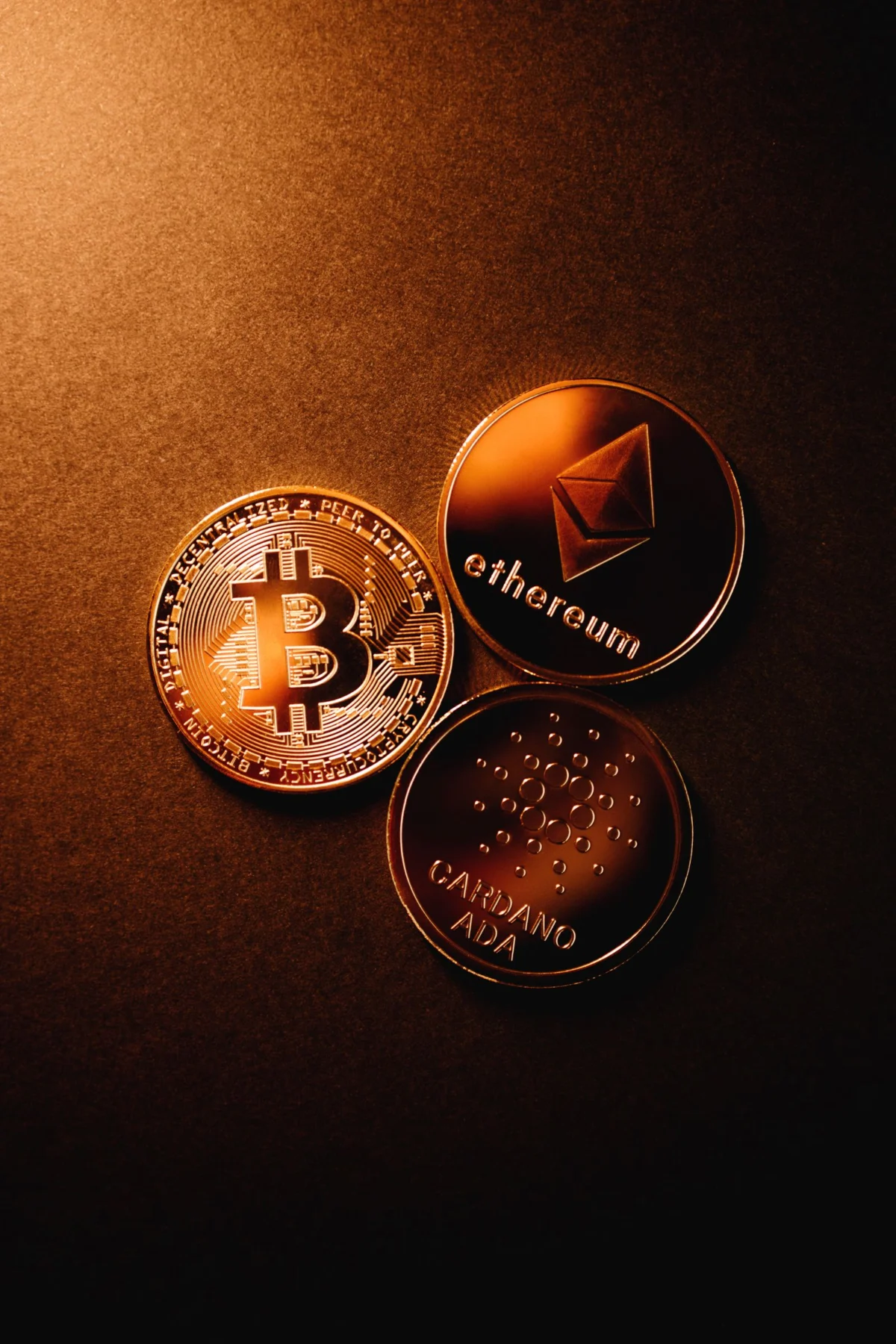
The intersection of "crypto" and "gaming" has historically evoked a mixed response, often characterized by skepticism and weariness. A period marked by a proliferation of games attempting to integrate cryptocurrency elements haphazardly led to a perception that blockchain technology was merely a superficial addition, incapable of salvaging fundamentally mediocre gameplay. However, this initial turbulent phase belies a more nuanced reality: cryptocurrency and its underlying blockchain technology are proving to be a natural and increasingly vital fit within numerous facets of the gaming world, poised to significantly enhance the player experience and reshape digital economies. With an estimated 6.8% of the global population utilizing cryptocurrency in 2024, according to data from Triple-A, understanding these evolving applications is paramount for both industry stakeholders and the broader public.
The Genesis of Skepticism: Early Blockchain Gaming and Its Pitfalls
To comprehend the current advancements, it is crucial to first contextualize the initial challenges that fostered widespread cynicism. The early 2020s witnessed an explosion of "Play-to-Earn" (P2E) games, spearheaded by titles like Axie Infinity. These games often prioritized financial incentives over compelling gameplay, framing the primary objective as earning cryptocurrency or NFTs through in-game activities. While initially attracting a significant user base due to the promise of monetary returns, this model quickly revealed inherent vulnerabilities. The economic sustainability of many P2E games was often precarious, reliant on a continuous influx of new players and rising asset values, creating a Ponzi-like structure that collapsed when market conditions shifted or player engagement waned.
Developers frequently "crowbarred" crypto mechanics into existing game structures without genuine integration, leading to shallow experiences where the "game" aspect felt secondary to the "earn" aspect. Players, accustomed to rich narratives and intricate mechanics, found these offerings lacking in depth and entertainment value. Furthermore, the high barrier to entry, often requiring significant upfront investment in NFTs, coupled with volatile cryptocurrency markets and complex user interfaces, deterred mainstream gamers. This confluence of factors led to a prevailing narrative that crypto gaming was a fleeting gimmick, a speculative bubble rather than a sustainable innovation.
A Paradigm Shift: From Gimmick to Enhancement
The industry, however, has learned critical lessons from these early missteps. The current trajectory sees a fundamental shift from "Play-to-Earn" to "Play-and-Earn" or simply "Play-to-Own," where gameplay and entertainment are paramount, and blockchain elements serve as enhancements rather than the sole purpose. Developers are now focusing on creating immersive, high-quality games that organically integrate blockchain functionalities to empower players, foster genuine digital ownership, and create transparent in-game economies. This evolution marks a maturation of the space, attracting more skilled developers and significant investment from established gaming studios and venture capitalists who recognize the long-term potential beyond speculative trading. The emphasis is now on leveraging blockchain as a foundational technology to build more robust, player-centric ecosystems, rather than as a mere financial layer.
Cryptocurrency as a Superior Payment Mechanism in Gaming
One of the most straightforward and immediately beneficial applications of cryptocurrency in gaming is its utility as a payment method. This integration addresses several limitations inherent in traditional fiat payment systems, offering enhanced security, speed, and global accessibility.
Online Casinos and iGaming: The online casino sector stands as a prime example of successful crypto integration for payments. Online gaming platforms require secure and efficient funding mechanisms for player accounts. Historically, players were limited to conventional banking options, credit cards, or e-wallets. However, a growing number of online casinos now actively embrace a diverse range of digital currencies, including Bitcoin, Ethereum, Litecoin, and others. This shift is driven by several compelling advantages:
- Enhanced Security: Cryptocurrency transactions leverage advanced cryptographic protocols and decentralized networks, making them inherently more secure than many traditional fiat options. Transactions are immutable and recorded on a public ledger, reducing the risk of fraud or chargebacks for operators, and providing users with a verifiable transaction history. Unlike credit card details, which can be vulnerable to breaches, crypto transactions typically involve wallet addresses, adding a layer of pseudonymity and security. Bravos Research highlights that the cryptographic nature of blockchain makes it "far more secure" than fiat options for online transfers.
- Increased Speed and Efficiency: Traditional bank transfers can be subject to processing delays, particularly across international borders, often taking several business days to clear. Cryptocurrency transactions, especially on modern, scalable blockchains, can be processed and confirmed significantly faster, often within minutes. This rapid settlement allows players to fund their accounts and engage in games almost instantaneously, removing friction from the user experience.
- Borderless Transactions and Reduced Fees: The decentralized and global nature of cryptocurrency eliminates the need for intermediaries like banks or payment processors that often impose substantial fees and geographical restrictions. This borderless utility makes online gaming more accessible to a wider international audience, circumventing currency conversion costs and regional banking limitations. For operators, it can translate to lower transaction processing fees, which can then be passed on to players or reinvested into game development and promotions.
- Incentivization through Bonuses: To accelerate adoption, many crypto casinos offer attractive incentives, such as "crypto casino welcome bonuses." These promotions often provide substantial deposit matches (e.g., a 325% deposit match) and free spins when new users make their initial deposit in digital currency. Such bonuses not only boost a player’s starting capital but also encourage exploration of various games and extend their initial playing budget, demonstrating a clear financial advantage for choosing crypto.
Beyond Casinos: General In-Game Purchases: The benefits extend beyond iGaming. As mainstream game developers explore crypto integration, the ability to purchase in-game items, subscriptions, and digital goods directly with cryptocurrency offers similar advantages. It provides players with more payment flexibility and potentially lower transaction costs, while offering developers access to a global player base without the complexities of multiple payment gateways and regional currency conversions. This streamlines the digital storefront experience and reduces operational overhead.
Blockchain Beyond Payments: Empowering Players and Reshaping Ownership
While crypto as a payment method is a significant advancement, the true transformative potential lies in blockchain’s ability to redefine digital ownership and create entirely new gameplay paradigms. The evolution here has been profound, moving away from simplistic "farm-to-earn" models to sophisticated integrations that enhance core gameplay.
True Digital Ownership with NFTs: Non-Fungible Tokens (NFTs) are at the heart of this revolution. Unlike traditional in-game assets, which are merely licensed to players by game developers and reside on centralized servers, NFTs provide verifiable, immutable ownership of digital items. This means players can truly "own" their skins, weapons, characters, land plots, or any other in-game asset.
- Player-Driven Economies: This true ownership fosters vibrant secondary markets where players can buy, sell, and trade their in-game assets peer-to-peer without relying on the game developer as an intermediary. This creates robust, player-driven economies that mirror real-world markets, adding a new layer of strategic depth and economic engagement to games. The market for gaming NFTs reached $2.3 billion in 2021 and is projected to grow substantially, indicating strong interest in digital asset ownership.
- Interoperability: In its most advanced form, NFT-based assets could potentially be interoperable across different games or metaverses, allowing players to carry their digital identities and possessions from one virtual world to another. While still largely aspirational, this vision represents a paradigm shift from siloed gaming experiences to a more open, interconnected digital ecosystem.
- Creator Economy: NFTs also empower content creators within games. Players who design custom skins, build unique structures, or create original game content can tokenize their creations and earn royalties from their sales on secondary markets, fostering a more inclusive and rewarding creator economy.
From P2E to Play-and-Earn (P&E): Prioritizing Fun: The industry has largely abandoned the problematic "Play-to-Earn" label in favor of "Play-and-Earn" or "Play-to-Own." This signifies a crucial philosophical shift: games must first be fun and engaging, with economic incentives serving as an optional bonus or a natural byproduct of excellent gameplay. Modern crypto games aim to create rich, varied gameplay that satisfies users intrinsically, with crypto elements like NFTs or in-game tokens acting as tools or rewards within these worlds, rather than the central facet upon which the entire experience is built. Players might interact with crypto only at specific moments – when buying unique in-game items, unlocking rare characters, or participating in a decentralized governance vote – making the integration feel seamless and value-additive.
Decentralized Autonomous Organizations (DAOs) and Player Governance: Beyond individual asset ownership, blockchain technology enables the creation of Decentralized Autonomous Organizations (DAOs) within gaming. DAOs empower player communities with collective governance over game development, treasury management, and future updates. Holders of governance tokens can vote on critical decisions, such as balancing game mechanics, introducing new features, or allocating development funds. This level of player involvement fosters a stronger sense of community and ownership, aligning the interests of developers and players more closely and ensuring the game evolves in a direction that genuinely serves its community. This represents a significant departure from traditional centralized game development models.
Enhanced Security, Transparency, and Anti-Cheating Measures: Blockchain’s inherent properties of immutability and transparency can significantly combat issues like cheating, hacking, and fraud in online gaming. Game logic or transaction histories recorded on a blockchain are incredibly difficult to tamper with, providing a verifiable audit trail. This can lead to fairer gameplay environments, where the integrity of leaderboards, loot drops, and in-game economies is maintained with greater certainty, fostering trust among players.
Market Growth and Mainstream Trajectory
The blockchain gaming market is experiencing robust growth. Reports indicate that the global blockchain gaming market size was valued at approximately $4.6 billion in 2022 and is projected to reach over $100 billion by 2028, demonstrating an impressive compound annual growth rate (CAGR) of over 68%. This explosive growth is fueled by increasing developer interest, significant venture capital investments, and a growing understanding among players of the benefits blockchain can offer. Major gaming companies are increasingly exploring the technology, with some already launching initiatives or expressing strategic interest.
The influx of skilled developers into the crypto gaming space is also a critical factor. As the technology matures and development tools become more accessible, creators are finding innovative ways to weave crypto and blockchain mechanics into gaming experiences successfully. This renewed focus on quality and sustainable economic models is paving the way for wider adoption. While initial integrations may be subtle – perhaps just accepting crypto for game purchases or offering limited NFT cosmetics – the trend suggests that mainstream games will increasingly incorporate these elements, even if they don’t fundamentally alter core gameplay loops. The increasing global adoption of cryptocurrency itself, with millions of new users entering the ecosystem annually, provides a ready audience for these advancements.
Challenges and the Road Ahead
Despite the immense potential and current growth, the journey for crypto in gaming is not without its challenges.
- Scalability and User Experience: Many blockchains still struggle with scalability, leading to slower transaction speeds and higher fees during peak network congestion. This can hinder real-time in-game interactions that require rapid confirmation. Furthermore, the onboarding process for new crypto users can be complex, involving wallet setup, seed phrase management, and understanding gas fees, which can deter mainstream gamers. Simplifying user interfaces and abstracting away blockchain complexities are crucial for broader adoption.
- Regulatory Uncertainty: The regulatory landscape for cryptocurrencies and NFTs remains fragmented and uncertain across different jurisdictions. This lack of clear guidelines can create legal ambiguities for game developers, impact consumer protection, and potentially stifle innovation. Harmonized global regulations could provide much-needed clarity and stability.
- Environmental Concerns: While newer blockchain consensus mechanisms like Proof-of-Stake (PoS) are significantly more energy-efficient than older Proof-of-Work (PoW) systems, the perception of crypto’s environmental impact persists. Addressing these concerns through sustainable blockchain practices and clear communication is vital for public acceptance.
- Bridging the Gap with Traditional Gamers: A significant segment of traditional gamers remains skeptical or outright hostile towards crypto and NFTs, often due to negative past experiences or concerns about financialization. Overcoming this perception requires a consistent delivery of high-quality games that genuinely enhance the player experience, rather than simply offering speculative assets.
- Economic Sustainability: While moving beyond P2E, developers still need to design sustainable in-game economies that provide value to players without succumbing to hyperinflation or market crashes. This requires sophisticated tokenomics and careful management of supply and demand for digital assets.
In conclusion, while cryptocurrency’s initial foray into the gaming world faced considerable headwinds and a steep learning curve, its underlying technologies are now proving their intrinsic value. From streamlining secure payments in online casinos to empowering players with true digital ownership and governance through NFTs and DAOs, blockchain is fundamentally altering how games are developed, played, and monetized. The industry has evolved, prioritizing engaging gameplay and player empowerment over speculative financial models. As technological barriers are overcome, regulatory frameworks mature, and developers continue to innovate, the synergy between crypto and gaming is poised to deepen, promising a future where digital worlds are more secure, transparent, and genuinely owned by their players. The initial skepticism is giving way to a recognition of enduring potential, affirming that crypto has not just a place, but a growing and transformative role in the future of interactive entertainment.

