
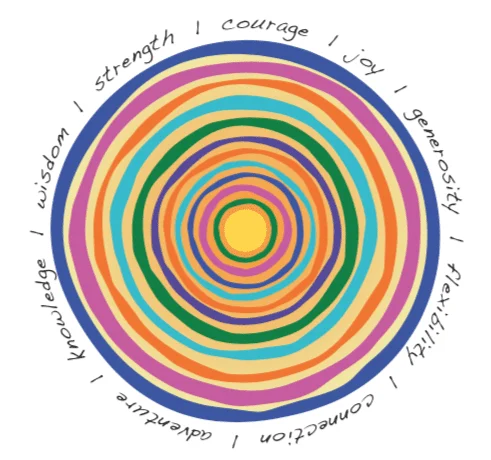
Societal narratives often cast aging in a negative light, emphasizing decline and loss while championing youth. This pervasive cultural bias, however, stands in stark contrast to emerging research and the lived experiences of many, suggesting that our perception of aging profoundly influences its reality. Experts and organizations are increasingly advocating for an "aging with gusto" mindset, one that actively challenges negative stereotypes and fosters a more appreciative and empowered perspective on growing older.
Donna Comer, coordinator and facilitator for the "Aging with Gusto" program, a vital initiative of the Vital Aging Network, underscores the transformative power of our thoughts on aging. "How we think about aging has a big impact on how we age," Comer stated. This simple yet profound observation is backed by compelling data. Research indicates that individuals who hold more positive views of aging tend to live significantly longer, with an average increase of 7.5 years compared to those with negative outlooks. This extended lifespan is not merely a statistical anomaly; it is intrinsically linked to psychological well-being and proactive engagement with life.
The implications of negative perceptions are particularly concerning. When individuals perceive their elder selves as a burden, their sense of self-worth diminishes. This can lead to increased risks of depression and social isolation, conditions that have been aptly termed "silent killers" for older adults. The Vital Aging Network’s "Aging with Gusto" program aims to counteract these detrimental effects by fostering a greater awareness of the multifaceted contributions of people across all age groups, thereby cultivating a more positive outlook on retirement and the aging process itself.
H2: Challenging Ageist Stereotypes: The Power of Perception
The prevailing societal tendency to associate aging with inevitable decline is actively being challenged by prominent figures and organizations. Jo Ann Jenkins, CEO of AARP and author of "Disrupt Aging: A Bold New Path to Living Your Best Life at Every Age," is a leading voice in this movement. Jenkins argues that not only are people living longer, but they are also living better lives, actively defying outdated stereotypes.
A powerful illustration of this point was observed at an arts and aging conference several years ago. The keynote speaker invited audience volunteers to embody different ages: 70, 80, and 90. The volunteer representing 70 moved with tentative, small steps. The 80-year-old hobbled with a cane, pausing frequently to catch their breath. The 90-year-old relied on a simulated wheelchair. This demonstration vividly portrayed common societal perceptions of aging. However, the narrative was dramatically altered when an actual 90-year-old, a seasoned marathon runner, sprinted into the auditorium and effortlessly joined the volunteers on stage. This unexpected arrival instantly shattered the audience’s preconceived notions of what it means to be "old," highlighting the significant gap between societal stereotypes and individual realities.
AARP further amplified this message through a compelling video project. In this initiative, millennials were asked to depict what "old" looks like, engaging in actions such as struggling with text messaging, slowly navigating imaginary stairs, and being unable to perform a push-up. The subsequent reveal featured actual older adults who performed these tasks, and many more ambitious feats, with remarkable ease and proficiency. The millennials’ astonishment underscored a widespread lack of awareness regarding the capabilities and vitality of older individuals.
H3: Understanding Ageism and Its Impact
The phenomenon of ageism – the tendency to regard older persons as debilitated, unworthy of attention, or unsuitable for employment – is a significant societal challenge. While aging is an inevitable biological process, ageism is a learned prejudice that does not have to accompany it. The disconnect between stereotypes and reality is further illuminated by the work of longevity expert Dan Buettner.
H2: Lessons from the Blue Zones: Habits for a Longer, More Vibrant Life
In his seminal work, "The Blue Zones: Lessons for Living Longer from the People Who’ve Lived the Longest," Dan Buettner identifies nine key habits practiced by populations in regions with the highest concentrations of centenarians. These "Blue Zones" offer invaluable insights into cultivating a lifestyle that promotes not only longevity but also overall well-being and a sustained sense of gusto. While the specific details of these nine habits are not elaborated upon in the original article, their inclusion points to a lifestyle approach that emphasizes physical activity, social connection, purposeful living, and balanced nutrition as critical components of healthy aging. Buettner’s research, spanning decades and involving extensive fieldwork, provides a robust, evidence-based framework for individuals seeking to add years and potentially decades to their lives through conscious lifestyle choices.
The implications of embracing such a lifestyle extend beyond mere physical health. The Blue Zones communities often exhibit strong social bonds, a sense of purpose, and a deep connection to their environments. These factors contribute to a holistic sense of well-being that transcends the absence of disease. By adopting similar principles, individuals can proactively mitigate the risks associated with negative aging perceptions and cultivate a life of greater fulfillment and vitality.
H2: Fostering a Positive Aging Culture
The shift towards an "aging with gusto" mindset requires a multi-faceted approach involving individual behavioral changes, community support, and broader societal awareness. Organizations like the Vital Aging Network and AARP are at the forefront of this movement, providing resources and advocating for policies that promote positive aging.
The "Aging with Gusto" program, for instance, offers workshops and educational materials designed to equip individuals with the tools to reframe their perspectives on aging. By focusing on personal growth, continued learning, and active engagement, participants are encouraged to embrace their later years as a period of opportunity rather than decline. This proactive approach can lead to greater resilience in the face of life’s challenges and a more optimistic outlook on the future.
The broader societal impact of challenging ageist stereotypes is significant. A culture that values and respects older adults not only benefits individuals but also strengthens communities. Older adults possess a wealth of experience, wisdom, and skills that can be invaluable to younger generations and society as a whole. By actively dismantling ageist biases, we can unlock the full potential of our aging population, fostering intergenerational understanding and collaboration.
H3: The Role of Continuous Learning and Engagement
The concept of "aging with gusto" is intrinsically linked to a commitment to lifelong learning and active engagement. This involves not only formal educational pursuits but also the cultivation of curiosity, the development of new skills, and the pursuit of passions. As individuals age, maintaining cognitive function and a sense of purpose are paramount. Engaging in mentally stimulating activities, pursuing hobbies, and remaining socially connected are crucial for preserving cognitive health and overall well-being.
The availability of resources such as podcasts offering insights into retirement planning and aging strategies, as exemplified by the related podcast episodes listed in the original article, further supports this ongoing journey. These resources provide valuable perspectives from experts and individuals who have navigated the complexities of aging, offering guidance and inspiration for listeners. Topics ranging from "Retirement Planning Includes Getting Good at Getting Older" to "What Can You Do to Age Better?" highlight the diverse aspects of this evolving field and the importance of continuous self-improvement.
H2: Conclusion: Embracing a Future of Vital Aging
The prevailing societal narrative around aging is undergoing a critical re-evaluation. The understanding that our perceptions shape our reality is gaining traction, supported by research and the lived experiences of vibrant older adults. The "Aging with Gusto" movement, championed by organizations like the Vital Aging Network and AARP, offers a compelling framework for individuals to cultivate positive outlooks, challenge ageist stereotypes, and embrace their later years with vitality and purpose.
By adopting habits inspired by longevity research, fostering a culture of respect and appreciation for older adults, and committing to lifelong learning and engagement, we can collectively redefine what it means to age. The pursuit of "aging with gusto" is not merely about extending lifespan; it is about enriching life, ensuring that each year is met with enthusiasm, purpose, and a profound sense of well-being. The journey of aging, when approached with a positive mindset, can indeed be a period of profound growth, contribution, and unparalleled fulfillment.

