
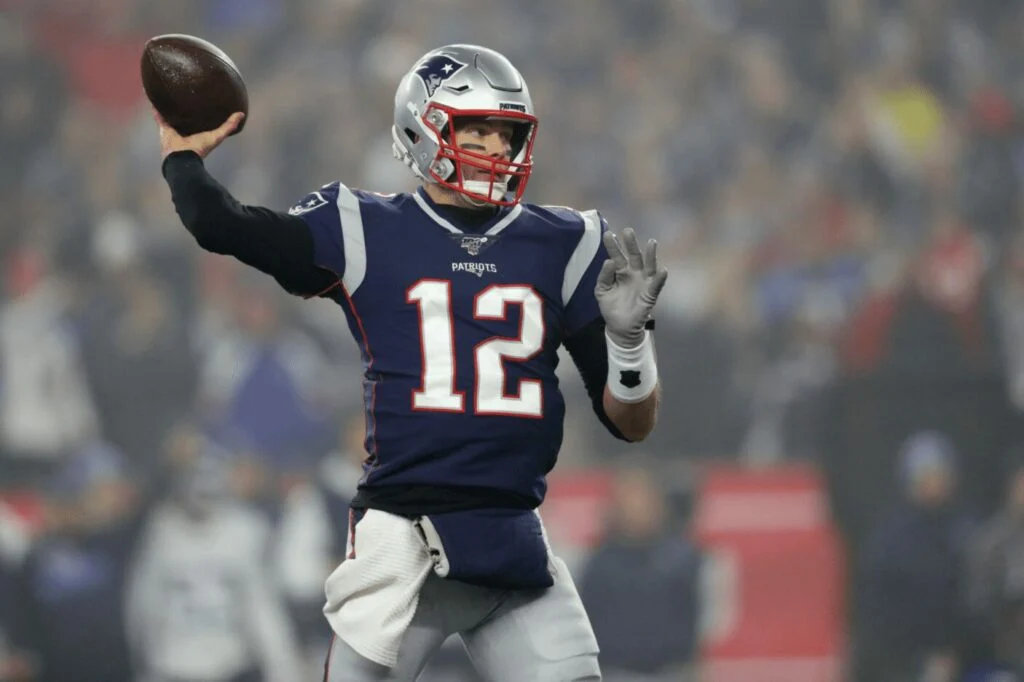
By Joe Casey
Tom Brady’s decision to retire from the National Football League, a move that reverberated through the sports world and beyond, offers a compelling case study for individuals contemplating their own career transitions and the twilight of their professional lives. While Brady’s stratospheric success, unparalleled wealth, and iconic status as arguably the greatest quarterback in NFL history might seem distant from the everyday realities of most people, the underlying principles guiding his departure from the game hold universal relevance. Examining these principles, particularly in the context of his career trajectory and the broader implications of retirement, provides valuable insights for anyone navigating the complex landscape of ending one chapter and beginning another.
The Strategic Timing of Departure
Brady’s retirement announcement on February 1, 2022, marked the end of an illustrious 22-season career. His departure came after a period of intense speculation regarding his future, particularly following his team’s divisional-round playoff loss to the Tampa Bay Buccaneers. For years, Brady had openly expressed his ambition to play until at least his mid-40s, a goal he achieved, playing until he was 44 years old. His ultimate decision to step away, however, came one year shy of his initial stated target. This deviation underscores a crucial lesson: the importance of self-awareness and the ability to recognize when a planned trajectory needs to be adjusted.
The NFL is a demanding profession where physical and mental acuity are paramount. As players age, the physical toll of the sport intensifies, and the ability to consistently perform at an elite level becomes increasingly challenging. Brady, despite his remarkable longevity and continued high-level performance – leading the league in passing yards with 5,316 in his final season and being a strong MVP candidate – ultimately made a decision that prioritized other aspects of his life. This highlights the nuanced nature of knowing "when it’s time." It’s not solely about reaching a predetermined date or numerical milestone, but also about a holistic assessment of one’s physical, mental, and emotional readiness for change.
It is important to note that a significant portion of the workforce does not have the luxury of such a planned and deliberate exit. Data from various sources, including the U.S. Bureau of Labor Statistics, indicates that a substantial percentage of individuals are compelled to retire earlier than anticipated due to economic necessity, health issues, or unforeseen circumstances related to their employment. This disparity emphasizes the value of Brady’s ability to choose his departure, reinforcing the idea that for those who can, attuning oneself to the right moment to transition is a significant advantage. His decision, therefore, serves as a reminder to regularly evaluate one’s professional satisfaction and to remain open to recalibrating retirement plans, even if it means stepping away before an initially envisioned endpoint.
The Principle of "Going Out on Top"
One of the most striking aspects of Brady’s retirement was his sustained excellence until the very end of his playing career. In his final season, he demonstrated that he could still perform at an exceptionally high level, leading the league in passing yards and remaining a top contender for individual accolades. This stands in stark contrast to many athletes and professionals who continue in their fields long after their peak performance has waned, often to the detriment of their legacy and personal satisfaction.
Brady’s commitment to retiring while still at the pinnacle of his profession is a testament to his discipline and his understanding of legacy management. He had often articulated his desire to avoid becoming a player who lingered in the game, impacting his team negatively and tarnishing the image he had built. This principle of "going out on top" is not exclusive to professional sports; it is equally applicable in the business world and other demanding careers.
The implication for individuals is to consider their own performance benchmarks and aspirations. Are you maintaining a level of competence and contribution that aligns with your personal standards and the expectations of your field? The temptation to cling to a position or a career, driven by financial security, ego, or a fear of the unknown, can lead to a prolonged period of diminished impact and potential dissatisfaction. Brady’s decision suggests that proactively stepping away at a high point can preserve one’s reputation and provide a more positive and impactful transition into retirement. It allows individuals to be remembered for their strengths and contributions at their best, rather than for their struggles to keep up.
Proactive Planning for the "Next Act"
A significant takeaway from Tom Brady’s retirement is his foresight in building a foundation for his post-playing career long before he officially hung up his cleats. During his tenure as an active NFL player, Brady strategically invested in and developed a portfolio of business ventures. These included ventures in health and fitness, a clothing line, and a production company. This proactive approach allowed him to cultivate new skills, build professional networks outside of football, and establish revenue streams that would support him after his playing days concluded.
This strategy of "laying the foundation for your next act in advance" is a cornerstone of successful career transitions. For individuals contemplating retirement, it is never too early to begin exploring interests and activities that could occupy their time and provide a sense of purpose in their post-career lives. This might involve pursuing long-held passions, such as writing a book, learning a new skill, engaging in volunteer work, or even starting a small business.
The process of planning for this "next act" should involve thoughtful consideration and research. Envisioning what retirement will look like, beyond simply ceasing full-time employment, is crucial. This includes exploring potential part-time work, consulting opportunities, or travel aspirations. It requires understanding the practical steps involved in realizing these aspirations, which may include acquiring new knowledge, developing specific skills, or building a relevant network.
A practical approach suggested by this principle is to actively seek out individuals who have already transitioned into their desired post-career roles. Engaging in conversations with retired professionals, perhaps over lunch or coffee once a month, can provide invaluable firsthand insights, demystify the realities of different pursuits, and offer guidance on navigating the transition. This networking and information-gathering process, undertaken while still actively employed, can significantly ease the psychological and practical challenges of retirement, ensuring a smoother and more fulfilling shift.
The Indispensable Role of Family Considerations
Tom Brady’s retirement was widely speculated to be influenced by significant family considerations. While specific details remain private, the implicit acknowledgment of family’s role in such a monumental life decision resonates deeply with many individuals. For those who are married, in serious relationships, or have children, retirement is rarely a solitary endeavor; it is a transition that profoundly impacts loved ones.
This underscores a critical aspect of retirement planning that is often overlooked or deferred: open and in-depth communication with one’s partner. A survey conducted by Fidelity Investments revealed that a substantial majority of couples (57%) were incorrect when asked about their significant other’s retirement timeline. This statistic highlights a widespread disconnect in expectations and planning within relationships.
Effective retirement planning necessitates a series of dedicated conversations between partners. These discussions should go beyond superficial agreements and delve into mutual expectations, desires, and potential concerns. It is vital to actively listen to each other’s perspectives, fears, and aspirations for this new phase of life. Assuming one understands their partner’s thoughts on retirement can lead to misunderstandings and conflict. By making time for these conversations, couples can collaboratively shape a retirement vision that is mutually beneficial and supportive, ensuring that the transition is a shared and positive experience. The influence of family is a powerful motivator, and acknowledging and integrating these considerations into retirement plans is essential for long-term marital and familial harmony.
Maintaining Grace and Professionalism in Departure
Brady’s retirement announcement, while widely celebrated, also faced scrutiny regarding his initial message, which notably omitted any direct mention of the New England Patriots, the franchise with which he achieved unparalleled success for two decades. This oversight, whether intentional or not, generated considerable discussion and highlighted the importance of how individuals choose to exit their professional lives.
The principle here is to "be the bigger person on the way out." In any career transition, the temptation to express grievances, settle scores, or engage in public criticism can be strong, especially after years of dedication and perhaps facing perceived slights or unresolved issues. However, the long-term consequences of such actions can be detrimental.
Maintaining a dignified and gracious exit is paramount. Burning bridges, even in moments of frustration, can have unforeseen repercussions. The professional landscape is often more interconnected than it appears, and future opportunities, collaborations, or even simply maintaining a positive professional reputation can be jeopardized by an acrimonious departure.
The anecdote shared about a former employee’s "scorched earth" resignation letter serves as a cautionary tale. Such displays of vindictiveness, while perhaps offering a fleeting sense of catharsis, rarely serve the individual well in the long run. In fact, they can damage credibility and create lasting negative impressions. Brady’s subsequent heartfelt message to Patriots fans and the organization, issued after the initial announcement, demonstrated an understanding of this principle and the importance of acknowledging all stakeholders. The lesson is to rise above pettiness and spite, to leave with integrity, and to preserve relationships and professional goodwill. This approach fosters a more positive legacy and opens doors for future endeavors, rather than closing them with bitterness.
The Possibility of Unretirement: Keeping the Door Ajar
Tom Brady’s retirement was not the first instance of a high-profile athlete stepping away and then returning. His own brief retirement in 2022, followed by a quick reversal and decision to play another season, exemplifies the dynamic nature of career decisions. Furthermore, the phenomenon of "unretirement" is not confined to professional sports; it is a growing trend across various sectors.
Studies conducted prior to the COVID-19 pandemic indicated that a significant percentage of retirees in both the United States and the United Kingdom, often exceeding 20%, unretired within five years of their initial departure. Notably, financial necessity was not always the primary driver for these returns. Many individuals found that retirement left them feeling a lack of purpose or a void in social connections that their previous work provided. Others sought to maintain cognitive sharpness and engagement.
Brady’s own situation, with immediate speculation about a potential return to his hometown team, the San Francisco 49ers, illustrates this concept. The possibility of him engineering a scenario for a comeback, similar to historical figures like Brett Favre, highlights that the decision to retire is not always a definitive, irreversible one.
For individuals contemplating retirement, this suggests the wisdom of not definitively "locking the door" on future professional engagement. While planning for a definitive retirement is essential, maintaining a degree of flexibility and openness to new opportunities can be beneficial. This might involve keeping skills current, staying connected with former colleagues, or identifying potential avenues for part-time work or consulting should the desire or need arise. The experience of many retirees underscores that a sense of purpose, intellectual stimulation, and social camaraderie are vital components of a fulfilling life, and these can sometimes be found in continuing to engage with the professional world, even in a different capacity.
Broader Implications and Enduring Legacy
Tom Brady’s retirement from the NFL, beyond the athletic achievements and business acumen, offers a compelling framework for contemplating life transitions. The lessons derived from his career – the strategic timing of departure, the commitment to excellence, the foresight in planning for the future, the prioritization of family, the grace in leaving, and the inherent flexibility of career paths – are universally applicable.
His departure from the league, marked by a combination of personal choice and sustained high performance, sets a powerful example. It encourages individuals to critically assess their own professional journeys, to consider their personal values, and to plan for the multifaceted nature of life beyond full-time employment. In a world where career paths are increasingly dynamic and the concept of retirement is evolving, Brady’s approach provides a valuable blueprint for navigating these significant life changes with intention, purpose, and a commitment to well-being. His enduring legacy may extend beyond the Super Bowl rings and statistical records to include the profound impact of his retirement decisions as a guide for millions.

