
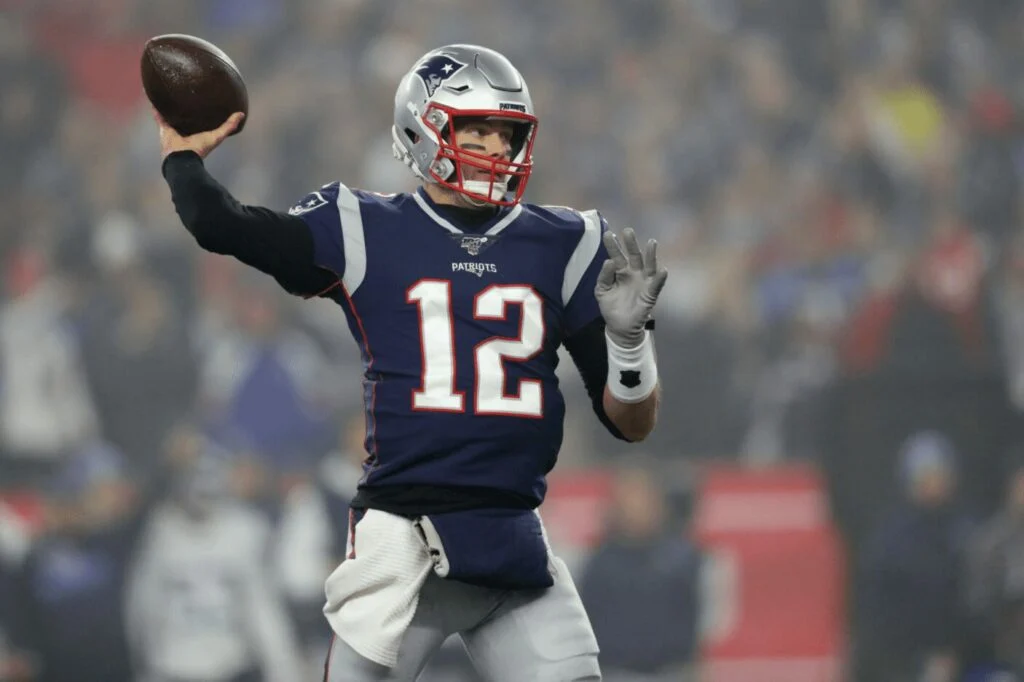
The decision by arguably the greatest quarterback in NFL history, Tom Brady, to retire from professional football, has sparked widespread discussion not only about his unparalleled career but also about the universal themes of transition, legacy, and the pursuit of fulfillment beyond a singular, dominant profession. While Brady’s circumstances—immense wealth, extraordinary athletic achievement, and a celebrated personal life—seem distant from the realities of most individuals, his strategic approach to concluding his playing career offers valuable insights applicable to anyone contemplating a significant life change. Examining the principles underlying his retirement can provide a framework for navigating one’s own professional and personal evolution.
Navigating the Twilight of a Legendary Career
Tom Brady’s announcement on February 1, 2023, marked the end of an era for the National Football League. His retirement, his second and seemingly definitive departure from the game, came after a remarkable 23-season career that saw him achieve an unprecedented seven Super Bowl championships, five Super Bowl MVP awards, and three NFL MVP awards. He holds numerous NFL records, including career passing yards, touchdowns, and completions. This retirement, however, was not a sudden, impulsive act but rather a culmination of years of contemplation and strategic planning, both on and off the field.
1. The Art of Knowing When It’s Time
Brady had publicly expressed his aspiration to play until at least age 45. This goal, seemingly within reach, was ultimately surpassed by a more nuanced understanding of readiness. His decision to step away, even one year shy of his stated target, underscores the importance of internal assessment over rigid adherence to arbitrary deadlines. This principle resonates deeply with individuals planning their own retirements. While many set a target age or financial milestone, the true indicator of readiness often lies in a combination of physical, mental, and emotional preparedness.
Data from the U.S. Bureau of Labor Statistics indicates that while many individuals plan for retirement, a significant portion face circumstances that alter their timeline. In 2022, approximately 27.7% of men and 23.7% of women aged 65 and over were still in the labor force. Conversely, unexpected health issues, economic downturns, or changes in job satisfaction can force earlier departures. Brady’s situation highlights the value of proactive evaluation. Regularly assessing one’s feelings about their current work and envisioning a fulfilling post-career life allows for a more intentional and less reactive transition, even if it means adjusting pre-set goals. The ability to recognize and act upon the internal signal that it is "time" is a crucial component of a successful retirement, whether that aligns perfectly with prior plans or not.
2. The Strategy of "Going Out on Top"
A hallmark of Brady’s career, and particularly evident in his final season with the Tampa Bay Buccaneers, was his continued elite performance. In the 2022 NFL season, he led the league in passing yards, throwing for 4,694 yards, and remained a formidable presence, contending for MVP honors at 45 years old. This sustained excellence allowed him to retire on his own terms, not as a player struggling to keep pace, but as one of the league’s top performers.
This is a powerful lesson for professionals across all industries. The temptation to "hang on" for too long, driven by habit, financial necessity, or a reluctance to relinquish a familiar identity, is a common pitfall. This can lead to diminished performance, decreased job satisfaction, and a less dignified exit. Brady’s decision exemplifies the strategic advantage of concluding one’s primary career at a high point. It preserves one’s legacy, minimizes the risk of reputational damage, and provides a stronger foundation for future endeavors. The question for individuals is not just "When can I retire?" but rather, "Will I be able to leave on my own terms, having maintained my value and contributions?"
3. Laying the Foundation for the "Next Act"
Brady’s retirement was not an abrupt cessation of activity but a calculated transition, a testament to his foresight in cultivating a multifaceted professional identity. During his playing years, he strategically invested in and developed ventures beyond the gridiron. These included TB12, a health and wellness brand focused on performance and recovery; Brady Brand, a lifestyle apparel company; and 199 Productions, a media and production company involved in film and television projects.
This proactive approach to building a "next act" while still actively engaged in his primary career is a critical takeaway. It suggests that the transition to post-retirement life should ideally begin years in advance, not as an afterthought. This involves envisioning what fulfilling activities—whether part-time work, consulting, volunteering, creative pursuits, or extensive travel—will define this new chapter. The process of envisioning allows for research, skill acquisition, and networking, ensuring that the post-career phase is not a void but a deliberate continuation of purpose. Engaging in informational interviews with individuals who have successfully navigated similar transitions can provide invaluable real-world insights and help refine these future plans. This preparatory phase mitigates the shock of change and fosters a sense of continuity and agency.
4. The Paramountcy of Family Considerations
While Brady’s on-field achievements are widely documented, speculation has consistently pointed to family considerations as a significant factor in his retirement decisions. The demands of professional football are immense, requiring extensive travel, rigorous training schedules, and constant mental focus, all of which can impact family life. The decision to prioritize personal relationships and family time is a deeply relatable aspect of retirement for many.
This underscores the necessity of open and ongoing communication within partnerships and families regarding retirement planning. A survey conducted by Fidelity Investments revealed that a substantial 57% of respondents admitted they were incorrect about their significant other’s retirement timing. This disconnect highlights a common failure to engage in deep, substantive conversations about future plans. Retirement is a shared journey, and ensuring alignment between partners’ expectations, desires, and timelines is paramount. It requires dedicated time for dialogue, active listening, and mutual understanding to navigate this significant life transition harmoniously.
5. The Grace of the Exit: Being the Bigger Person
Brady’s retirement announcement, particularly his initial statement, drew some criticism for its perceived omission of gratitude towards the New England Patriots, the franchise that drafted him and where he spent his first two decades. While the exact nuances of his subsequent communications and the team’s response are complex, the underlying principle of leaving with grace is universally applicable.
In professional settings, the temptation to express dissatisfaction, engage in petty grievances, or burn bridges upon departure is often strong. However, such actions rarely serve the departing individual well in the long run. Maintaining a professional and respectful demeanor, regardless of past conflicts or perceived slights, is crucial. This preserves professional relationships, protects one’s reputation, and avoids unnecessary future complications. The anecdote of a former employee’s "scorched earth" resignation letter, which went viral and ultimately hindered their career, serves as a stark reminder. Choosing to rise above immediate frustrations and depart with integrity is a testament to maturity and strategic thinking, fostering goodwill and keeping future doors open.
6. The Open Door: Avoiding Definitive Pronouncements
Perhaps one of the most intriguing aspects of Brady’s career, and one that offers a unique perspective on retirement, is the precedent set by other athletes who have unretired. Studies conducted before the COVID-19 pandemic indicated that a significant percentage of retirees, over 20% in the U.S. and U.K. within five years, returned to the workforce. This phenomenon was often driven not by financial necessity but by a desire for the sense of purpose, social connection, and cognitive stimulation that work provides.
Brady’s own history, including a brief retirement followed by a swift return to play for the 2022 season, exemplifies the notion of "never say never." The ongoing speculation about his potential return to play, possibly with his hometown San Francisco 49ers, further illustrates this point. This fluidity in career decisions suggests that retirement, for some, is not a finality but a pause or a shift in focus. For individuals contemplating retirement, it can be beneficial to avoid rigidly "locking the door" on future possibilities. Maintaining flexibility, exploring transitional work arrangements, or remaining open to new opportunities can lead to continued engagement and fulfillment, preventing the potential for regret or a feeling of being disconnected.
Broader Implications and the Future of Work
Tom Brady’s retirement transcends the realm of professional sports. It serves as a compelling case study for individuals at all career stages, particularly those approaching or considering retirement. His methodical approach to career longevity, his strategic diversification of interests, and his mindful navigation of his exit provide a blueprint for a more intentional and fulfilling transition. The underlying message is clear: success in any field, including retirement, is often a result of careful planning, adaptability, and a deep understanding of one’s personal values and aspirations. As the nature of work continues to evolve, and lifespans extend, the lessons derived from observing how highly successful individuals manage their transitions become increasingly vital for all. The ability to adapt, to build a life of purpose beyond a singular career, and to exit with grace are invaluable assets in navigating the complexities of modern life and achieving lasting satisfaction.

