
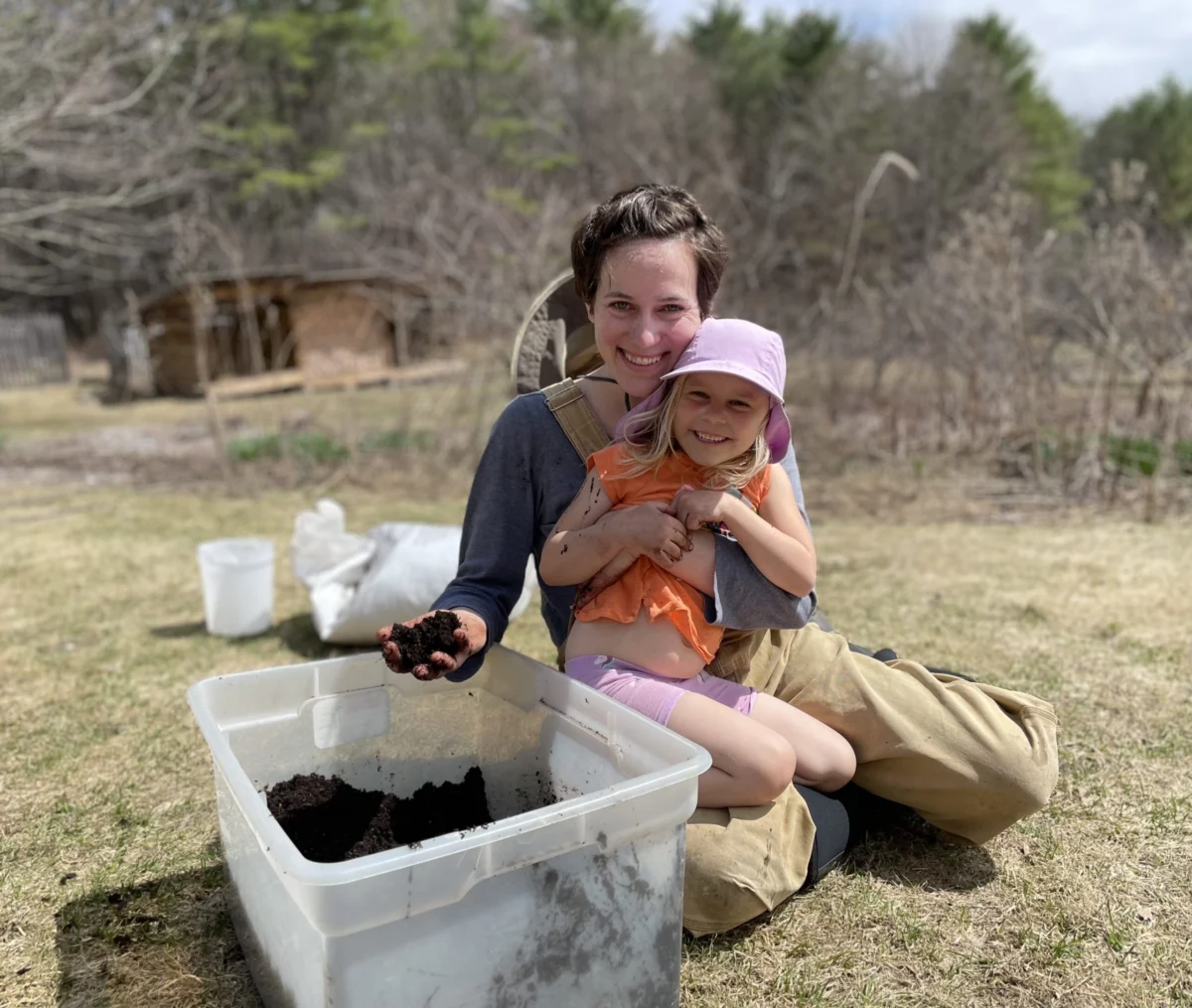
In May 2016, a high-profile relocation from an urban center to the rural interior of Vermont sparked a broader conversation regarding the viability of modern homesteading and the pursuit of total food self-sufficiency. Elizabeth and Nate Willard, known to a global audience through their financial and lifestyle documentation, moved from Boston to a 66-acre estate with the primary objective of decoupling from the traditional "rat race" of city life. Seven years into this experiment, their findings provide a sobering look at the logistical, economic, and psychological barriers to subsistence-style living in the 21st century. The transition from idealistic aspirations to pragmatic land management highlights a significant trend in the "back-to-the-land" movement: the realization that total self-sufficiency is often a full-time, labor-intensive profession that may conflict with the very goals of freedom and leisure that drive such migrations.
The Vision of Total Food Autonomy
The initial impetus for the Willards’ move was rooted in a desire for a "modern-day sustainable, free-range, organic paradise." This vision included not only the cultivation of extensive vegetable gardens but also the potential for animal husbandry, including meat chickens, pigs, goats, and dairy cows. The objective was to produce, preserve, and consume exclusively from their own land, effectively creating a closed-loop food system similar to 19th-century agrarian models.
This aspiration mirrors a broader societal trend observed over the last decade. According to data from the United States Department of Agriculture (USDA), there has been a resurgence in small-scale farming and homesteading, driven by concerns over food security, environmental sustainability, and a desire for a simplified lifestyle. However, the Willard case study illustrates the "gargantuan assumption" that land ownership automatically translates to food production. The reality of rural life often involves unforeseen infrastructure challenges, such as the loss of power and water during extreme weather events, which can jeopardize both stored food supplies and the labor required to maintain them.
A Chronology of the Homesteading Experiment
The Willards’ journey through rural self-sufficiency can be categorized into three distinct phases: the Infrastructure Phase (2016–2017), the Overproduction Crisis (2018–2019), and the Balanced Pragmatism Phase (2020–present).
2016–2017: The Infrastructure Phase
Upon arrival in Vermont, the primary focus was on establishing the physical requirements for large-scale gardening. This included clearing land, testing soil acidity—a common challenge in Vermont’s often rocky and acidic terrain—and installing fencing to mitigate the impact of local wildlife. During this period, the family began small-scale trials with annual vegetables, learning the nuances of the short Vermont growing season, which typically spans from late May to mid-September.

2018–2019: The Overproduction Crisis
The year 2018 served as a pivotal turning point for the family’s homesteading philosophy. In an attempt to maximize their yields, they planted and successfully cultivated 80 kale and chard plants. While the harvest was abundant, the labor required to process the crop was astronomical. The family reported spending multiple days harvesting, washing, blanching, and freezing the greens, utilizing large-scale rinsing stations and industrial-sized tubs.
The "Kale Apocalypse," as it was colloquially termed, exposed the inefficiency of small-scale preservation. Despite the high labor output, a significant portion of the preserved food reached its expiration before it could be consumed, leading to waste. This period highlighted a critical flaw in the self-sufficiency model: without an industrial kitchen or a dedicated labor force, the "harvest window" can become a source of extreme stress rather than a reward.

2020–Present: The Balanced Pragmatism Phase
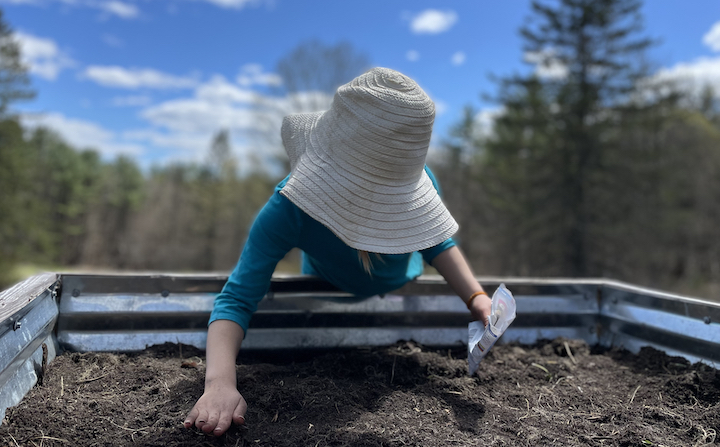
In response to the burnout of previous years, the family shifted toward a "balanced" model. This involved the construction of four raised beds in 2020, positioned closer to the primary residence for ease of access. They also prioritized perennial crops—plants that return year after year—over labor-intensive annuals. By 2023, the homesteading operation had been scaled back to a manageable size, prioritizing the quality of life over the quantity of production.
The Economic and Agricultural Data of Homesteading
The pursuit of food self-sufficiency involves a complex set of variables, including crop maturation timelines, pest management, and environmental volatility. Data from the Willards’ seven-year tenure provides specific insights into these challenges.

Perennial Growth Timelines
One of the most significant barriers to immediate self-sufficiency is the biological timeline of perennial food sources. For example, a standard apple tree typically requires approximately six years of growth before producing its first viable harvest. Similarly, blueberry bushes often require a minimum of two to three years to establish themselves before producing edible fruit. The Willards’ current perennial portfolio includes:
- Fruit Trees: Apple, pear, plum, cherry, and peach.
- Berries: Blueberries, raspberries, and strawberries.
- Other: Asparagus and rhubarb.
Despite having dozens of these plants, the actual yield remains unpredictable due to Vermont’s climate. USDA Hardiness Zones in Vermont range from 3b to 5b, meaning plants must withstand temperatures as low as -35°F. A late spring frost can decimate blossoms, effectively canceling an entire year’s fruit production in a single night.

The Impact of Local Wildlife
A recurring challenge in the Vermont interior is the "Clever Varmint Patrol" (CVP), a term used to describe the local wildlife that competes for crops. The family noted that despite fencing and netting, local fauna—including deer, bears, and wild turkeys—frequently consume harvests the moment they reach peak ripeness. In one instance, a flock of turkeys became trapped within a fenced blueberry patch, necessitating manual intervention to prevent the birds from destroying the crop in their panic. For many homesteaders, the cost of predator-proof infrastructure can outweigh the market value of the food produced.
Societal and Psychological Implications
The Willard case study offers a unique perspective on the "burnout" associated with the back-to-the-land movement. Elizabeth Willard noted that "chaining myself to my vegetable garden is really no different than chaining myself to my desk and computer." This sentiment reflects a growing realization among modern homesteaders: that agricultural labor is, by definition, a form of "rat race" with its own set of relentless deadlines and pressures.

The Shift to Local Interdependence
By 2023, the family had moved away from the goal of total isolation and toward a model of local interdependence. Rather than attempting to grow 100% of their food, they now purchase a significant portion of their needs from professional farmers in their community. This shift supports the local rural economy and acknowledges that professional farmers possess the specialized equipment and expertise to produce food more efficiently than a hobbyist homesteader.
Experts in rural sociology suggest that this "hybrid" model is often more sustainable for long-term rural residency. Supporting local agriculture through Community Supported Agriculture (CSA) programs or farmers’ markets allows transplants to enjoy the benefits of rural life without the debilitating labor of subsistence farming.

Broader Impact on the Homesteading Narrative
The narrative of the "perfect homesteader" is frequently perpetuated through social media and lifestyle blogs, often omitting the grueling labor and frequent failures inherent in the lifestyle. The Willards’ decision to publicly "debunk" their own initial assumptions serves as an important corrective for those considering similar moves.
The broader implications of this shift include:

- Redefining Success: Success in rural life is increasingly being measured by "time wealth"—the freedom to enjoy the land—rather than the volume of canned goods in a larder.
- Infrastructure Realism: Prospective homesteaders are encouraged to focus on "rinse and repeat" systems that require minimal annual labor once established.
- Community Integration: The move from self-sufficiency to community reliance fosters stronger social ties in rural areas, which are essential for resilience during emergencies.
In conclusion, the seven-year journey of the Willard family in Vermont demonstrates that while the dream of the self-sufficient homestead is a powerful motivator, the reality of the work often demands a sacrifice of the very freedom that urban escapees seek. By accepting the limitations of the "amateur" gardener and embracing the efficiency of the professional farmer, modern homesteaders can find a sustainable middle ground that preserves both their land and their lifestyle. The "Kale Apocalypse" of 2018 stands not as a failure, but as a vital lesson in the importance of balance, pragmatism, and the rejection of performative perfection in the pursuit of a rural life.

