

Elizabeth Thames, a prominent analyst in the financial independence movement and author known as Mrs. Frugalwoods, has released a comprehensive accounting of her household’s May expenditures, totaling $4,641.49. The report, issued from the family’s homestead in rural Vermont, highlights a strategic shift toward seasonal infrastructure maintenance, a structured literacy curriculum for the family’s eldest child, and the continued application of hyper-frugal economic principles. The data reflects a household operating within the "Financial Independence, Retire Early" (FIRE) framework, prioritizing long-term value and educational development over conventional consumerism.

Core Financial Data and Expenditure Breakdown
The total expenditure for May, documented at $4,641.49, represents a diverse array of costs ranging from subsistence to significant investments in property maintenance tools. According to the ledger provided by Thames, the highest single category of spending was groceries, which accounted for $879.72. This figure is consistent with regional inflationary trends affecting the Northeastern United States, where food costs have seen sustained volatility.
Following subsistence costs, the family allocated $493.81 to restaurant dining and $469.98 to household supplies and home improvement materials. A notable portion of the monthly budget—$420.00—was dedicated to preschool tuition, an expense the family noted is nearing its conclusion as their youngest child prepares for primary education.

Strategic investments in property maintenance tools were a defining feature of the May report. The family acquired a battery-powered string trimmer for $293.15 and a pole saw attachment for $126.94. These purchases are categorized as essential infrastructure maintenance for a Vermont homestead, where rapid spring growth necessitates robust vegetation management to protect the structural integrity of the home. Furthermore, a new summer and fall wardrobe for Mr. Thames was procured at a cost of $223.91, representing a rare departure from the family’s standard practice of sourcing apparel through secondary markets.
The Implementation of a Progressive Literacy Framework
A significant portion of the Thames report was dedicated to the "Kidwoods Literacy Initiative," a structured reading program designed by Nate Thames (Mr. FW). The program utilizes a tiered progression of literature to advance their seven-year-old daughter’s reading proficiency. The curriculum began with the Fern Hollow series by John Patience, transitioned into the Redwall series by Brian Jacques, and culminated this month with J.R.R. Tolkien’s The Hobbit.
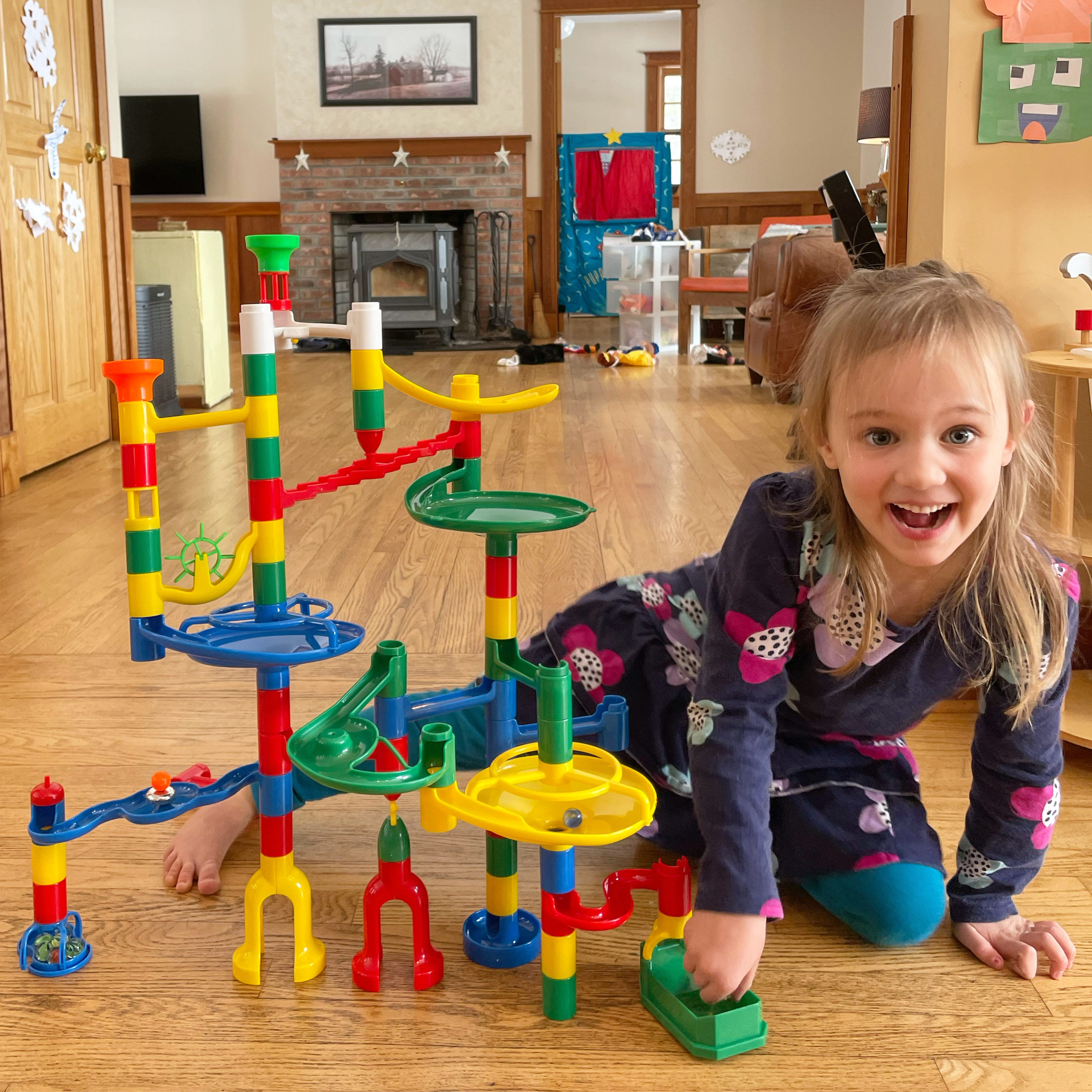
The household reported that the transition to The Hobbit was facilitated by the purchase of a new, illustrated hardcover edition for $22.78. This acquisition is an outlier in the Thames’ financial strategy, as the family typically sources 100% of their literature from public libraries or yard sales. The decision to purchase a new copy was framed as a "special gift" to encourage the child’s engagement with the text.
The literacy program includes a daily afternoon ritual where the child reads aloud to her father. This pedagogical approach serves three primary functions:

- It allows for real-time tracking of reading progress.
- It ensures the correct pronunciation of complex vocabulary and fantastical nomenclature.
- It facilitates immediate comprehension checks and contextual discussions regarding the story’s moral themes.
Elizabeth Thames noted that despite initial concerns regarding the thematic intensity of Tolkien’s work for a seven-year-old, the child has demonstrated a high level of engagement and an ability to articulate the ethical failures of certain characters. The report also indicated a secondary impact: the family’s younger child, referred to as "Littlewoods," has expressed a competitive desire to begin her own literacy journey.
Seasonal Procurement and the Economics of the Used Market
May marks the commencement of the yard sale season in Vermont, a period Elizabeth Thames identifies as critical for the household’s procurement strategy. In collaboration with a local associate, Thames has engaged in early-morning weekend scouting to secure household goods and apparel at a fraction of retail costs.

The Thames report outlines a robust defense of the "used market" philosophy, citing several non-monetary benefits supported by psychological and environmental data:
- Decision Fatigue Mitigation: Citing research popularized by NPR, the report argues that the infinite choices presented by modern retail environments lead to paralysis and decreased happiness. The limited selection of the used market simplifies the decision-making process.
- Environmental Stewardship: By participating in the circular economy, the household reduces the demand for new manufacturing and minimizes the carbon footprint associated with the production and shipping of consumer goods.
- The Endowment Effect: The report suggests that buying used reduces the psychological "endowment effect," where individuals overvalue their possessions. Lower acquisition costs make it easier for the family to part with items once their utility has been exhausted.
- Community Building: The exchange of hand-me-downs and yard sale interactions is credited with strengthening local social ties in their rural community.
Financial Infrastructure and Optimization Strategies
The Thames family continues to utilize sophisticated financial instruments to optimize their cash flow and maximize passive returns. The May report highlights three primary pillars of their financial infrastructure:

1. High-Yield Savings and Interest Optimization
The household maintains its liquid assets in a high-yield savings account, currently yielding approximately 4.00% APY. The report provides a mathematical model for this strategy: a $5,000 balance in a standard 0% interest account remains stagnant, whereas the same balance in a high-yield account generates $200 in passive income annually. This approach aligns with the broader "lazy money" theory, which posits that any capital not actively earning interest is a wasted resource.
2. Cash-Back Credit Strategy
The family executes nearly all transactions via a Fidelity Rewards Visa, which provides a 2% cash-back return on all purchases. In May, $4,081.76 of their total spending was processed through this card, netting a return of $81.64. While seemingly modest, Elizabeth Thames emphasizes that these rewards are "money for nothing," as they are generated by essential spending that would occur regardless of the payment method.

3. Mobile Virtual Network Operator (MVNO) Utilization
One of the most significant cost-saving measures reported is the family’s telecommunications strategy. By using an MVNO—a service provider that leases wireless capacity from major carriers at wholesale prices—the family paid only $28.24 for two active cell phone lines in May. This represents a cost of $14.12 per person, a figure substantially lower than the national average for major carrier plans.
Infrastructure Maintenance and "Kid-Related" Depreciation
The May report includes several entries related to "hidden" costs of homeownership and parenting. The family recorded expenses for replacement cabinet hinges ($17.71), a new doorknob ($10.50), and a replacement toilet paper holder ($12.71). Thames characterizes these as "parenting-induced depreciation," noting that the physical activity of children frequently leads to the mechanical failure of standard household fixtures.

Additionally, the family invested $71.99 in gym rings and a mount for their basement. This purchase is part of a long-term wellness strategy, providing a low-cost, high-utility fitness solution for the Vermont winters and busy homesteading schedule. Other notable maintenance costs included $140.00 for the annual registration of their Subaru Outback and $114.00 for a dental cleaning, paid out-of-pocket due to the family’s lack of traditional dental insurance.
Analysis of Broader Implications
The financial behavior of the Thames household in May serves as a case study in "Value-Based Spending." By minimizing costs on commodity items—such as cell phone service and apparel—the family retains the capital necessary for high-value experiences and investments. For instance, the $493.81 spent on restaurants and the $118.54 spent on social lunches represent intentional allocations toward community and relationship building.

The report also underscores the economic efficiency of solar energy. The family’s electric bill for May was $36.59, which represents the base cost for remaining grid-tied. Having previously invested in a solar array, the family has effectively neutralized one of the most volatile monthly expenses faced by modern households.
Conclusion and Outlook
As the Thames family moves into the summer months, their financial strategy remains focused on the dual goals of homestead sustainability and educational enrichment. The May report demonstrates that even within a framework of extreme frugality, strategic "splurges"—such as a new book or necessary power tools—can be integrated without compromising long-term financial independence. The family’s reliance on data-tracking tools, such as the Empower (formerly Personal Capital) platform, ensures that every dollar spent is accounted for and aligned with their overarching life goals.

The next phase of the family’s financial cycle will likely involve increased agricultural expenditures and seasonal travel, which will be documented in subsequent monthly reports. For now, the "Hobbit" reading program and the successful navigation of yard sale season remain the defining successes of their May fiscal period.

