

The aspiration to own a reliable, comfortable vehicle is a common milestone for many young professionals, often spurred by a sense of financial stability. However, the initial excitement of affording a monthly car payment frequently overshadows the multitude of additional, often substantial, expenses that collectively define the true cost of car ownership. This comprehensive analysis delves into these hidden financial layers, providing a realistic assessment of what it truly costs to keep a vehicle on the road, alongside expert insights and strategies for managing these expenditures.
The Evolving Landscape of Vehicle Costs: A Recent History
The automotive market has witnessed unprecedented shifts in recent years, significantly impacting both vehicle acquisition prices and ongoing ownership costs. Following the onset of the COVID-19 pandemic, a confluence of factors – including supply chain disruptions, semiconductor chip shortages, and elevated consumer demand – propelled new and used car prices to historic highs. In 2022, the average cost of a new vehicle surpassed $47,000, while used cars reached an average of $33,000. These figures represent a substantial increase from pre-pandemic levels, setting a higher baseline for the initial investment in personal transportation.
Organizations like the American Automobile Association (AAA) annually track these costs, providing crucial benchmarks for consumers. While AAA estimated the average annual cost of new car ownership at $10,728 in 2022, equating to approximately $894 per month, this figure often serves as a conservative estimate, particularly for younger drivers and those in urban environments. A more encompassing assessment, factoring in higher insurance premiums for younger demographics and often-overlooked expenses like parking, places the contemporary average monthly cost closer to $940. This revised estimate underscores the importance of a holistic financial perspective when considering vehicle ownership.

The Seven Pillars of Car Ownership Expense
Beyond the initial purchase price, the financial commitment to a vehicle unfolds across seven primary categories, each demanding careful consideration and budgeting.
1. Monthly Financing or Lease Payments: The Primary Outlay
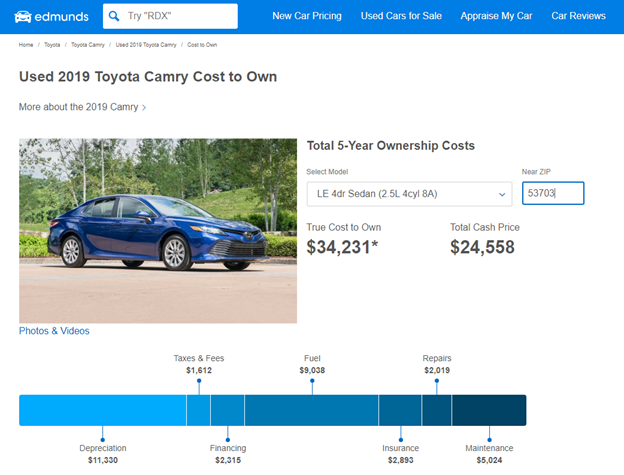
For the vast majority of car owners, the monthly payment for a loan or lease constitutes the single largest recurring expense. The terms of this payment are influenced by the vehicle’s price, the down payment, the interest rate, and the loan or lease duration. For instance, financing a used 2019 Toyota Camry valued at $25,000 with a 20% down payment and a 5% Annual Percentage Rate (APR) over 36 months would typically result in a monthly payment of approximately $485.53. This figure, while substantial, often represents around half of the total monthly ownership cost.
Industry experts frequently advise against extending loan terms beyond 48 months. While longer terms can reduce the immediate monthly payment, they invariably lead to significantly higher total interest paid over the life of the loan. Furthermore, extended terms increase the risk of an "underwater" loan, where the outstanding balance exceeds the vehicle’s market value, particularly as depreciation accelerates. The strategic choice between financing a used car and leasing a new one also carries significant financial implications; financing builds equity towards outright ownership, whereas leasing offers temporary access without asset accumulation, requiring a fresh agreement every few years.
2. Fuel and Charging Costs: A Volatile but Essential Expense
The cost of powering a vehicle remains a significant variable in the ownership equation. For gasoline-powered vehicles, fuel prices are subject to geopolitical events, supply and demand dynamics, and seasonal fluctuations. In late 2022, national average gasoline prices fluctuated around $3.68 per gallon. For a vehicle achieving 30 miles per gallon and driven 15,000 miles annually, this translates to an approximate monthly fuel expenditure of $153.33.
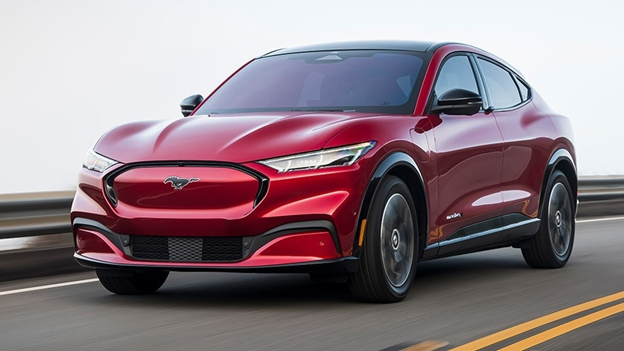
The rise of electric vehicles (EVs) has introduced a new dimension to this expense. While the perception often favors EVs as significantly cheaper to fuel, the reality is more nuanced. Charging an EV at a public station can cost around $0.10 per mile, amounting to $1,500 annually for 15,000 miles of driving. Home charging, leveraging residential electricity rates, is generally more economical at approximately $0.03 per mile, or $450 annually for the same mileage. However, achieving substantial overnight range at home often necessitates the installation of a Level 2 charger, an investment that can range upwards of $2,000. Consequently, unless drivers have access to free or subsidized charging infrastructure, the total energy costs for internal combustion engine (ICE) vehicles and EVs can converge, especially when considering the upfront investment in home charging equipment.
3. Maintenance and Repairs: The Unpredictable Variable
This category presents one of the widest ranges in ownership costs, heavily dependent on the vehicle’s make, model, and age. Maintenance encompasses routine, scheduled services vital for a car’s longevity, such as oil changes, tire rotations, brake inspections, and fluid top-offs. Repairs, conversely, are unforeseen fixes for component failures, ranging from minor electrical issues to major engine or transmission overhauls.
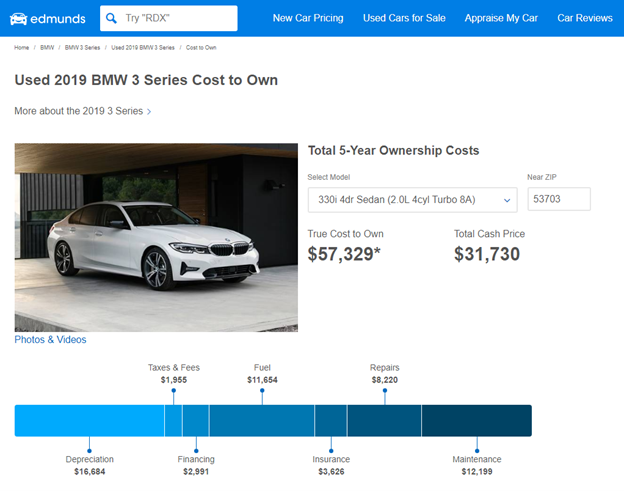
The stark difference in reliability across brands directly impacts these costs. A 2019 Toyota Camry, renowned for its dependability, might incur an average of $7,043 in maintenance and repairs over five years. In contrast, a comparably priced 2019 BMW 3 Series, while offering a premium driving experience, could demand upwards of $20,419 over the same period. This discrepancy, highlighted by resources like Edmunds’ True Cost to Own data, illustrates how a seemingly similar purchase price can conceal vastly different long-term financial commitments. Anecdotal evidence, such as a Lexus IS 350 requiring only $710 in repairs over 15 years versus a Range Rover accumulating over $15,000 in repairs within four years, further underscores the importance of choosing a vehicle with a strong reliability record. Lease agreements typically mitigate some of these costs, as dealers often cover routine maintenance, but purchased vehicles place the full burden on the owner.
4. Auto Insurance: A Non-Negotiable Protection
Auto insurance is a mandatory expense for nearly all drivers, safeguarding against financial liabilities arising from accidents, theft, or damage. The national average for full coverage auto insurance was approximately $1,662 annually, or $138.20 per month, according to PolicyGenius data. However, this average can be significantly higher for younger drivers (under 30), those with less-than-perfect driving records, or individuals residing in high-risk areas. Many loan and lease agreements legally mandate full coverage (liability, collision, and comprehensive) until the vehicle is fully paid off, as the lender retains an ownership interest.
Premiums are determined by numerous factors, including the driver’s age, geographic location, driving history, credit score, vehicle type, and even marital status. Proactive consumers can mitigate these costs by regularly comparing quotes from multiple providers, exploring available discounts (e.g., safe driver, multi-policy, good student), and adjusting deductibles to an affordable level.
5. Registration, Taxes, and Fees: State-Specific Obligations
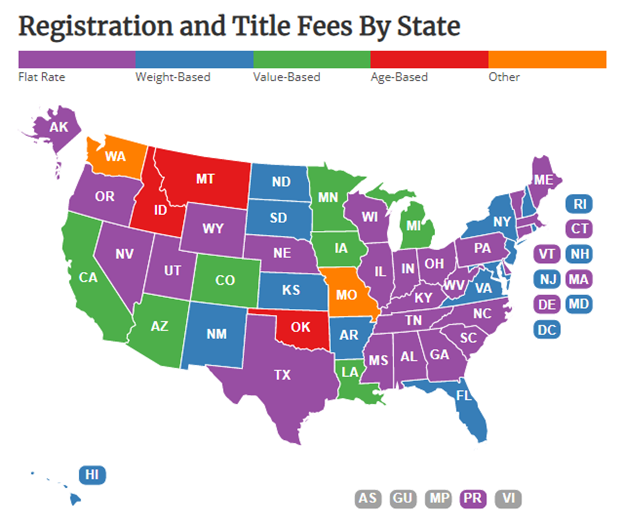
Upon purchasing a vehicle, buyers are typically subject to sales tax, a one-time expense that can represent a significant portion of the initial transaction. Beyond this, annual registration and title fees are mandatory costs, varying considerably by state. The National Conference of State Legislatures (NCSL) provides an interactive map illustrating these diverse state-specific charges. For instance, annual registration in Georgia might be as low as $20, while North Dakota imposes the highest fees at around $274. While these monthly costs average roughly $10-$30, they are non-negotiable legal requirements for roadworthy vehicles.
6. Parking: The Often-Overlooked Urban Expense
One of the most frequently underestimated or entirely omitted expenses in car ownership calculations is parking. While suburban or rural residents might enjoy free parking at home and work, urban dwellers often face substantial monthly fees. SpotHero’s data indicates that monthly parking rates in major U.S. cities can range from $50 in smaller metropolitan areas to upwards of $340 in dense hubs like San Francisco, with a national average hovering around $150. These costs encompass dedicated parking passes for residential buildings or workplaces, as well as transient parking fees for errands, social outings, or events. Failing to account for these localized parking expenses can significantly distort a budget, highlighting the need for prospective buyers to assess their "True Cost to Park" based on their specific lifestyle and location.
7. Depreciation: The Silent Erosion of Value
Depreciation represents the gradual loss of a vehicle’s market value over time and, while not an immediate out-of-pocket monthly expense, it is a critical "true cost" that materializes upon resale or trade-in. It reflects the economic reality that most vehicles are depreciating assets.
The rate of depreciation varies widely based on brand reputation, model popularity, mileage, condition, and market demand. Reliable brands like Toyota and Lexus are renowned for their slow depreciation rates. For example, a Toyota Camry might retain a significant portion of its value, losing approximately $11,330 over five years. This translates to a monthly depreciation cost of about $220.47, effectively reducing the net cost of ownership upon resale. In stark contrast, luxury brands, such as BMW, often depreciate more rapidly due to higher maintenance costs and a perceived shorter lifespan by the secondary market. A BMW 3 Series might lose over 50% of its value in five years, translating to a higher monthly depreciation burden.
Electric vehicles (EVs) present a unique depreciation profile. Concerns over battery degradation, the expiration of battery warranties, and the significant cost of potential battery replacement (estimated between $8,000 and $20,000 after 10 years) can accelerate EV depreciation compared to their ICE counterparts. Furthermore, rapid technological advancements in EV range and charging speeds can quickly render older models less desirable, further impacting their resale value.
The Cumulative Impact and Broader Implications
Aggregating these seven cost categories reveals a sobering reality: the average total cost of owning a car can approach $940 per month. This annual expenditure, exceeding $11,200, represents a substantial drain on household budgets, often rivaling or surpassing other major monthly outlays like housing or education expenses. For many consumers, especially those navigating inflationary pressures and stagnant wage growth, this financial burden necessitates careful planning and strategic decision-making.
The implications extend beyond individual finances. High ownership costs can influence consumer behavior, potentially driving demand towards more economical vehicles, fostering greater interest in public transportation options, or encouraging the adoption of ride-sharing services. Economically, these costs impact personal savings rates, discretionary spending, and even broader economic indicators. From a policy perspective, understanding these total costs is vital for urban planning, infrastructure development (especially for EVs), and consumer protection initiatives.
Strategies for Mitigating Car Ownership Costs
While the cumulative costs of car ownership are substantial, proactive measures can significantly reduce the financial burden. Automotive and financial experts offer several key recommendations:
- Strategic Vehicle Selection: Prioritize reliable, fuel-efficient models known for slow depreciation and lower maintenance costs. Brands like Toyota, Honda, and Lexus consistently rank high in these categories. Opting for a slightly used vehicle (2-3 years old) can also help bypass the steepest initial depreciation curve.
- Optimized Financing: Secure the best possible interest rate by improving your credit score before applying for a loan. Choose the shortest loan term that comfortably fits your budget to minimize total interest paid and build equity faster.
- Proactive Maintenance: Adhere strictly to the manufacturer’s recommended maintenance schedule. Regular oil changes, tire rotations, and inspections can prevent minor issues from escalating into costly major repairs, thereby extending the vehicle’s lifespan and preserving its value.
- Strategic Fuel Management: For gasoline vehicles, utilize fuel rewards programs and credit cards that offer cash back on gas purchases. For EV owners, prioritize home charging whenever feasible, as it is generally more cost-effective than public charging. Explore off-peak charging rates offered by utility providers.
- Savvy Insurance Shopping: Regularly obtain and compare quotes from multiple insurance providers. Inquire about all available discounts, such as those for safe driving, bundling policies (home and auto), or installing anti-theft devices. Adjusting deductibles to a higher, yet manageable, level can also reduce premiums.
- Awareness of Hidden Fees: Factor in local parking costs, annual registration fees, and potential emissions testing charges when budgeting. If moving, research vehicle-related fees in the new state.
- Understanding Depreciation: Be mindful of a vehicle’s depreciation rate when making a purchase decision, especially if you anticipate selling or trading it in within a few years. Vehicles that hold their value better will result in a lower net ownership cost over time.
The Bottom Line
The decision to own a car represents a significant financial commitment that extends far beyond the advertised monthly payment. With an average true cost hovering around $940 per month, a holistic understanding of all seven expense categories—financing, fuel, maintenance, insurance, registration, parking, and depreciation—is indispensable for responsible financial planning. While the costs are undeniable, the comfort, convenience, and freedom a personal vehicle provides can profoundly enhance one’s quality of life. By approaching car ownership with a comprehensive financial perspective and employing strategic cost-saving measures, consumers can make informed choices that align with their budgets and lifestyle needs, ensuring that their vehicle remains an asset rather than an unforeseen liability.

