
The administration of President Donald Trump has escalated its efforts to tighten regulations surrounding international student visas and work authorizations, issuing a stern warning to universities that non-compliance with new guidelines on internship programs could result in the revocation of their certification to enroll foreign students. This move is part of a broader, concerted strategy by the Department of Homeland Security (DHS) to reform the U.S. immigration system, citing concerns over national security and potential fraud within existing programs designed for international scholars.
The latest directive, an August 24 memo from the Student and Exchange Visitor Program (SEVP) under U.S. Immigration and Customs Enforcement (ICE), specifically targets Curricular Practical Training (CPT) authorizations. CPT allows international students holding F-1 visas to gain work experience directly related to their field of study. However, ICE has observed a growing trend of CPT authorizations that, in the agency’s view, appear to deviate from regulatory requirements, which stipulate that such training must be an "integral part of an established curriculum." This emphasis suggests a perceived misuse or overly broad interpretation of the CPT guidelines by some institutions, leading to what the administration views as loopholes in the system.
Heightened Scrutiny on Curricular Practical Training (CPT)
The August 24 memo, identified as BCM_260802.pdf, represents a significant tightening of federal oversight. It explicitly states that "Failure to comply with SEVP regulations may result in an institution losing certification to enroll foreign students." This consequence is substantial, as losing SEVP certification would effectively bar a university from admitting and sponsoring international students, a critical component of many institutions’ academic and financial models. The memo follows an earlier, less direct communication issued in mid-August (BCM260801.pdf), indicating a progressive intensification of regulatory pressure from the federal government.
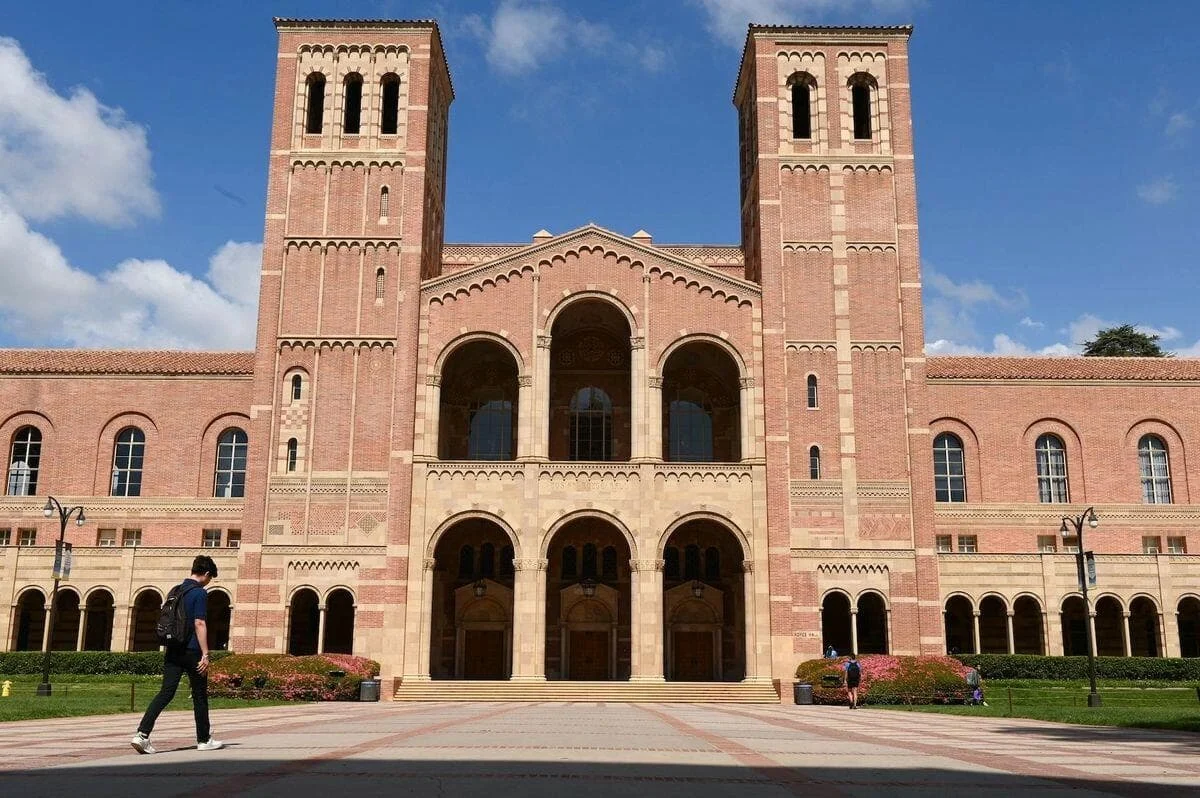
The immediate impact of these memos was evident across various higher education institutions. The University of California, Los Angeles (UCLA), for instance, promptly announced a temporary halt to processing certain CPT authorizations. A UCLA spokesperson confirmed that the university was reviewing the recent federal guidance to determine its next steps, signaling the complexity and potential far-reaching implications of the new directives. Similarly, the international office at the University of California, Berkeley, described the August 24 memo as "more narrow in focus, more direct, and includes content that is more restrictive in nature" compared to its predecessor. UC Berkeley advised international students to plan accordingly, indicating that it was unlikely to process certain work authorization applications "in the near future." However, the university clarified that "degree-requirement" CPT and "Doctoral Dissertation and Master’s Thesis Research CPT" would continue to be processed as usual, highlighting a distinction in the types of training deemed acceptable under the updated interpretation. University officials across the country are now reportedly consulting with legal experts to ensure their processes align fully with the federal government’s refined requirements.
The Department of Homeland Security (DHS), the parent agency of ICE, has underscored that the underlying regulations governing CPT have not fundamentally changed. Instead, the administration’s position is that it is now enforcing existing rules more stringently. A DHS statement articulated this stance clearly: "However, schools and employers should consider themselves on notice: under President Trump, abuse of this generous system will no longer be tolerated." This statement firmly positions the administration’s actions as a crackdown on perceived abuses rather than the introduction of entirely new legislative frameworks.
Broader Context: A Series of Immigration Reforms
The increased scrutiny on CPT is not an isolated event but rather one component of a broader suite of immigration reforms championed by the Trump administration concerning foreign students and temporary visa holders. For years, the administration has articulated a policy agenda centered on national security, economic protectionism (under the "Buy American, Hire American" executive order), and a reduction in perceived immigration fraud.
A significant precursor to the CPT crackdown was the July 2020 completion of a rule change by DHS that ended the long-standing "duration of status" policy for certain non-immigrant visas. Previously, F (academic students), J (exchange visitors), and I (foreign media representatives) visa holders were permitted to remain in the U.S. for the "duration of their status," meaning they could stay as long as they maintained their academic program or exchange visitor status, without a fixed end date on their visa stamp. This system, in place for nearly half a century, allowed for indefinite stays as long as the student or exchange visitor continued to meet program requirements, with a grace period after completion.
The new rule, formally published in the Federal Register on July 17, 2020, and effective September 15, 2020, significantly alters this paradigm. It imposes a fixed maximum stay of four years for most F, J, and I visa holders. Should students or exchange visitors require more time to complete their programs, they must apply for extensions through U.S. Citizenship and Immigration Services (USCIS). These extension applications are subject to additional layers of screening, background checks, and fraud reviews, adding administrative burden and uncertainty for international students. Furthermore, the grace period for departure after the conclusion of studies has been halved, from 60 days to 30 days, compelling students to make expedited arrangements to either depart the country or secure a new visa status.
DHS Secretary Markwayne Mullin, commenting on the "duration of status" change, stated, "For nearly half a century, the outdated ‘duration of status’ system has compromised national security and created an environment ripe for immigration fraud." He added, "By implementing clear, finite limits on these visas, the United States is reclaiming its ability to properly screen, vet, and monitor individuals within our borders." This perspective underscores the administration’s focus on perceived security vulnerabilities and the need for greater control over individuals within U.S. borders.
Legal Challenges and Advocacy Group Responses
The "duration of status" rule, like many of the Trump administration’s immigration policies, has not gone unchallenged. A coalition of unions and advocacy groups swiftly filed lawsuits, arguing that the new rule makes the United States a less attractive and competitive destination for international talent. These groups contend that the added bureaucratic hurdles, increased costs, and uncertainty associated with fixed-term visas and extension requirements could deter prospective students from choosing U.S. institutions, thereby undermining the country’s standing as a global leader in higher education and scientific research. They highlight the economic and cultural contributions of international students, which could be jeopardized by such restrictive policies.

The Optional Practical Training (OPT) Investigation and Allegations of Fraud
The current focus on CPT also builds upon earlier investigations into another crucial post-graduation work program for international students: Optional Practical Training (OPT). OPT allows international students to gain practical experience directly related to their major area of study after completing their academic programs. While CPT is typically undertaken during studies, OPT is generally utilized after graduation, often for a period of 12 months, with STEM (Science, Technology, Engineering, and Mathematics) graduates eligible for an additional 24-month extension.
Earlier in the year, ICE published findings from an extensive investigation into OPT, revealing widespread allegations of fraud. Acting ICE Director Todd Lyons publicly stated that investigators "have identified over 10,000 foreign students who claim to be working for highly suspect employers." The investigation uncovered a variety of deceptive practices, including visits to "empty buildings, locked doors, and addresses associated with hundreds of students who were not involved in the activity they claimed." Lyons also detailed findings of "phantom employees" who never reported to their listed sites, alongside "complex international financial transactions," suggesting sophisticated schemes to exploit the OPT program for purposes other than legitimate work experience. These findings provided a strong narrative for the administration’s claims of systemic abuse within international student work authorization programs, fueling the drive for stricter enforcement.
The Economic and Academic Impact of International Students
International students are a vital component of the U.S. higher education landscape and economy. According to the Open Doors Report, published annually by the Institute of International Education (IIE) with support from the U.S. Department of State, the United States consistently hosts more international students than any other country globally. For the 2018/2019 academic year (the period preceding the full impact of these policy changes and the COVID-19 pandemic), over 1 million international students were enrolled in U.S. higher education institutions.
These students contribute significantly to the U.S. economy. NAFSA: Association of International Educators estimated that international students contributed nearly $41 billion to the U.S. economy and supported over 458,000 jobs during the 2018-2019 academic year. This economic impact comes from tuition and fees, living expenses, and related spending, much of which is funded by sources outside the United States. Beyond financial contributions, international students enrich campuses with diverse perspectives, foster global understanding, and contribute to research and innovation, particularly in STEM fields. Many go on to become highly skilled workers who bolster the U.S. workforce and contribute to its global competitiveness.
The tightening of CPT regulations, alongside the "duration of status" rule change and heightened scrutiny of OPT, poses significant challenges to this ecosystem. Universities face the immediate operational burden of reviewing and potentially overhauling their CPT authorization processes, a task that requires careful legal interpretation and administrative adjustment. The potential loss of SEVP certification, though a severe penalty, underscores the gravity of the federal government’s intent to ensure compliance.
Perspectives and Implications
From the perspective of universities, the new directives introduce an element of uncertainty and could complicate efforts to attract and retain international students. While institutions generally support legitimate efforts to prevent fraud, the administrative overhead and the potential for a more restrictive environment could make the U.S. less appealing compared to competitor countries like Canada, the UK, and Australia, which actively seek international talent and offer clearer, more streamlined immigration pathways. University administrators worry about a potential decline in international student enrollment, which could lead to revenue shortfalls, particularly for institutions heavily reliant on international tuition fees.
International students themselves face a more complex and potentially stressful journey. The need for extensions, increased scrutiny, and a shorter grace period for departure adds pressure to their academic and post-graduation planning. For those relying on CPT and OPT to gain crucial professional experience and potentially secure post-study employment, the stricter enforcement could limit opportunities and create a sense of precarity regarding their future in the U.S.
Legal experts in immigration law have highlighted the potential for increased litigation as universities and advocacy groups challenge the specifics of the new rules and their implementation. Questions regarding due process, the interpretation of "integral part of an established curriculum," and the overall impact on the U.S.’s ability to attract top global talent are likely to be central to these debates. The administration’s focus on national security and fraud prevention is a powerful narrative, but critics argue that overly broad measures risk alienating legitimate students and undermining long-term economic and academic interests.
The evolving landscape of international student policy in the United States reflects a tension between the desire to maintain national security and prevent fraud, and the recognition of the immense academic, cultural, and economic benefits brought by international scholars. The Trump administration’s actions mark a decisive shift towards stricter enforcement and control, placing universities and international students at a critical juncture where compliance and adaptation will be paramount to navigating a rapidly changing regulatory environment. The long-term implications for U.S. higher education’s global standing and its capacity to attract and retain the brightest minds worldwide remain a subject of ongoing concern and debate.
Reuters contributed to this report.

