
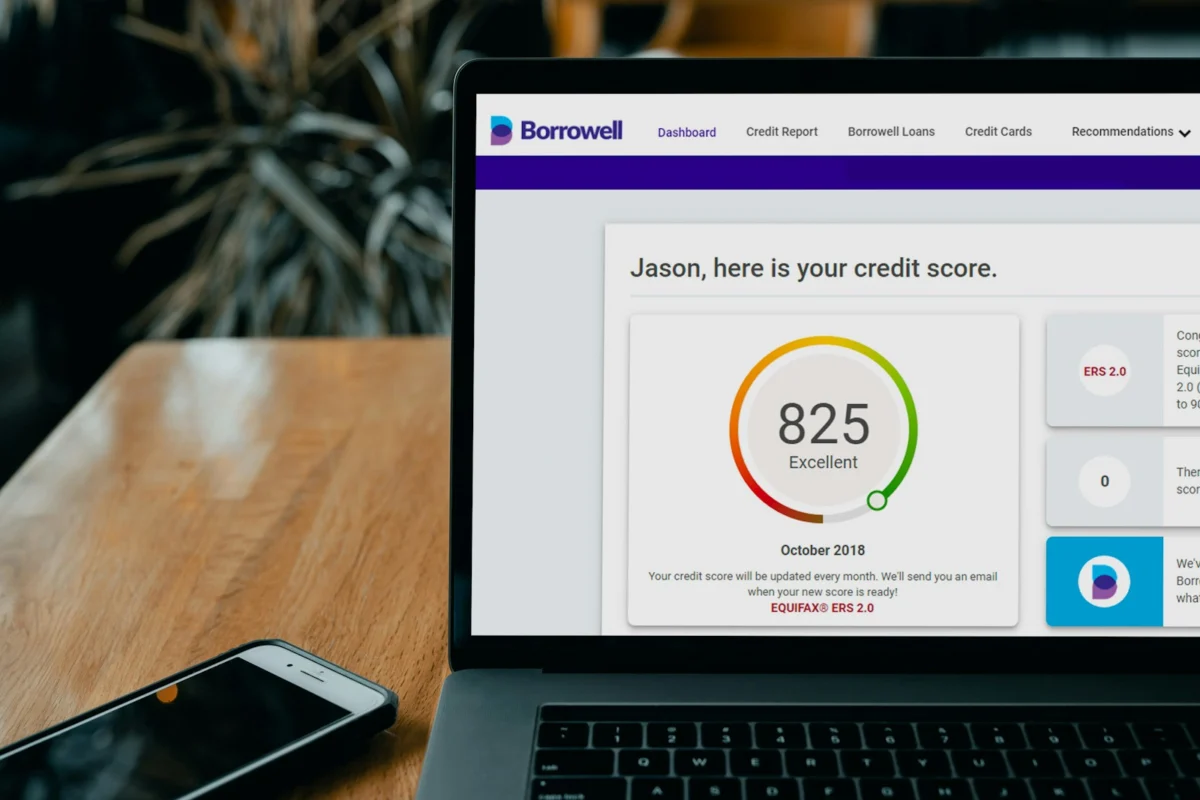
Whether managing daily expenses with cash or leveraging every available credit card, an individual’s credit score profoundly shapes their financial trajectory. This pivotal three-digit number distills a person’s money management history into a concise assessment for potential lenders, landlords, and creditors. It can be the decisive factor in significant life events, from purchasing a home to securing a favorable loan, ultimately saving or costing thousands in interest payments over a lifetime. The pertinent question for many then becomes: what constitutes a "good enough" credit score?
Defining a "Good" Credit Score: Benchmarks and Nuances
In the landscape of credit assessment, a "good" credit score typically begins at 670 within most widely adopted scoring models. Specifically, credit scores are categorized into tiers, with a score between 670 and 739 generally classified as "Good." Scores exceeding 740 ascend into "Very Good" and "Exceptional" or "Excellent" categories, signifying increasingly robust financial standing.
The primary credit score ranges are often delineated as follows:
| Credit Score Category | Credit Score Range |
|---|---|
| Very Poor | 300 to 579 |
| Fair | 580 to 669 |
| Good | 670 to 739 |
| Very Good | 740 to 799 |
| Exceptional or Excellent | 800 to 850 |
It is crucial to understand, however, that the definition of "good" can be fluid, influenced by variations in credit scoring models and how individual lenders interpret this data. For instance, the national average FICO Score in the U.S. stood at 718 as of early 2024, indicating that a score around this mark places an individual squarely within the "Good" to "Very Good" range, often unlocking more favorable financial products.
The Landscape of Credit Scoring Models
Contrary to popular belief, an individual possesses not a single credit score, but rather a multitude derived from their comprehensive credit history. This history, a detailed record of past financial conduct, is processed by various companies using proprietary mathematical formulas to calculate distinct credit scores. These scoring models aim to weigh different aspects of financial behavior to accurately gauge an individual’s creditworthiness.
It is important to distinguish between credit scoring models and credit bureaus. Credit bureaus—primarily Experian, Equifax, and TransUnion—are the data repositories that collect and maintain an individual’s credit history. Scoring models then leverage this raw data from one or more bureaus to generate a score. Each model assigns different weight to specific data points, seeking to present the most predictive assessment of risk.
The two dominant credit scoring models are FICO and VantageScore.
FICO Score: The Industry Standard
The FICO score, launched by the Fair Isaac Corporation in 1958, remains the oldest and most influential credit score, with approximately 90% of lenders and creditors relying on it. It became the widely accepted benchmark for general use in 1989. For a FICO score, a range of 670 to 739 is considered "Good," while 740 to 799 is "Very Good," and 800 or above is "Exceptional," according to Experian, one of the three major credit bureaus. Many banks offer free access to FICO scores for their account holders, and services like myFICO provide scores alongside credit monitoring and identity theft protection.

The FICO scoring model assigns weight to five key components of an individual’s credit history:
- Payment History (35%): The most significant factor, reflecting whether bills are paid on time.
- Amounts Owed (30%): Assesses how much credit is being used relative to available credit (credit utilization). Lower utilization is better.
- Length of Credit History (15%): The longer the history of responsible credit use, the better.
- New Credit (10%): Accounts for recent credit applications and newly opened accounts. Too many inquiries in a short period can be a red flag.
- Credit Mix (10%): Evaluates the diversity of credit accounts, such as revolving credit (credit cards) and installment loans (mortgages, car loans).
VantageScore: A Modern Alternative
VantageScore was developed in 2006 by the three major credit bureaus (Experian, Equifax, and TransUnion) as a direct competitor to FICO. It underwent significant evolution, notably adopting the familiar 300 to 850 scoring range with VantageScore 3.0 in 2013, aligning it with FICO’s scale. The current iteration, VantageScore 4.0, incorporates nuanced updates, such as giving less weight to medical debt and analyzing credit utilization as a trend rather than a static snapshot. Services like Credit Karma often provide VantageScores, offering consumers a free and accessible way to monitor their credit health, even if FICO remains the more prevalent model used by lenders. For VantageScore, a "Good" score falls between 661 and 780, with 601 to 660 considered "Fair" and 781 to 850 deemed "Excellent."
Industry-Specific Models
Historically, various industries, including mortgage lenders and auto dealers, developed their own specialized scoring models with unique ranges and criteria weightings. However, since the late 1980s, most industries, with the notable exception of insurance, have largely transitioned to using FICO scores. When encountering a lender that utilizes a different model, it is prudent to inquire about the specific model in use to accurately interpret the assigned score.
Lender Expectations: What Constitutes "Good Enough"?
The benchmark for a "good" credit score is not uniform across all lenders and financial products. While most lenders primarily use FICO and typically seek a score of 670 or higher, specific requirements can vary widely. Some lenders specialize in serving borrowers with "Fair" or "Poor" credit, accepting scores as low as 620, though often at higher interest rates. Conversely, institutions offering premium credit products, substantial credit lines, or highly competitive interest rates may require "Very Good" or "Exceptional" scores, often above 740.
For conventional mortgages, most private lenders prefer a credit score of 620 or higher. However, government-backed programs like FHA (Federal Housing Administration) mortgage loans or USDA (United States Department of Agriculture) loans are designed to be more accessible, potentially approving borrowers with scores as low as 580. A score below 620 is generally considered "subprime" by most private companies, which can significantly hinder access to unsecured credit or loans.
Prospective borrowers are encouraged to understand their current credit standing and seek financial products tailored to their credit profile. Regular credit score tracking through services like SoFi or Capital One’s CreditWise allows individuals to assess their position before applying for credit, enabling them to proactively improve their score if necessary, thereby increasing their chances of approval and securing more favorable terms.
The Tangible Impact of a Good Credit Score on Your Finances
A robust credit score serves as a vital indicator of financial health, offering a rapid, albeit imperfect, gauge of an individual’s ability to manage financial obligations responsibly. Its influence permeates various aspects of one’s financial life:
Mortgages and Loans: Unlocking Favorable Terms
When applying for significant loans, such as a mortgage, auto loan, or personal loan, lenders meticulously review credit scores to determine eligibility, interest rates, and loan amounts. A higher credit score typically translates to lower interest rates and potentially larger borrowing capacities. Even a seemingly small reduction in interest rate can result in substantial savings over the life of a loan. For instance, on a $300,000, 30-year mortgage, reducing the interest rate by just one percentage point can save tens of thousands of dollars in total interest paid. This direct correlation between credit score and borrowing cost underscores the profound financial benefit of maintaining excellent credit.

Credit Cards: Access and Rewards
Qualifying for desirable credit cards, particularly those with attractive rewards programs, cash back incentives, or low-interest rates, generally requires at least a "Good" credit score. Similar to loans, a higher score typically leads to lower Annual Percentage Rates (APRs). With credit card interest rates varying by as much as 10-20 percentage points, a low APR can save hundreds of dollars monthly if balances are carried, providing a crucial financial buffer.
Renting a Home: Lessor Confidence
Landlords and property management companies often conduct soft credit checks during the rental application process. While they may not directly use a numerical credit score for approval, they scrutinize payment history for indicators of financial reliability. A strong payment history, which is a primary component of a good credit score, signals responsible financial behavior, increasing the likelihood of rental approval. Conversely, a poor payment history can raise red flags, leading to higher security deposits or even denial.
Other Financial Implications: Beyond Loans
The reach of a credit score extends beyond traditional lending. In some states, insurance providers use credit-based insurance scores (derived from credit report data) to calculate premiums for auto and home insurance. Utility companies may also check credit to determine if a security deposit is required for new services. Furthermore, certain employers, particularly for roles involving financial responsibility or security clearances, may conduct credit checks as part of their background investigation, though these are typically soft inquiries and are subject to specific legal regulations.
Strategies for Cultivating a Strong Credit Score
Regardless of one’s current credit standing, individuals possess significant agency in improving their credit score. Since credit scores are fundamentally based on financial behavior, adopting disciplined habits directly impacts one’s score. The weighting of factors may vary slightly between models, but the core principles remain consistent.
Here are nine effective strategies to build or enhance your credit score:
-
Prioritize On-Time Payments: Your payment history is the most critical factor (35% of FICO). Consistently making loan and credit card payments by their due dates demonstrates reliability. Even small, overdue amounts can significantly depress a score. For those without traditional debt accounts, services like Experian Boost can add utility, phone, and streaming service payments to an Experian credit report, leveraging these regular payments to build a positive history.
-
Maintain Low Credit Utilization: The amount owed, particularly credit utilization ratio (total credit used divided by total available credit), accounts for 30% of your FICO score. Keeping this ratio low, ideally below 30% and striving for 0%, is highly beneficial. This can be achieved by paying down balances or by increasing your total available credit (e.g., requesting a credit limit increase or opening a new card, cautiously).
-
Preserve Older Credit Accounts: The length of your credit history (15% of FICO) benefits from older accounts. Keeping old credit cards open, even if unused, lengthens your average account age. If an old card has an annual fee or poses a temptation for overspending, it might be advisable to close it, but generally, keeping established accounts open is advantageous.
-
Diversify Your Credit Mix: While a smaller factor (10% of FICO), having a healthy mix of credit types—revolving credit (credit cards) and installment loans (mortgages, auto loans)—can positively influence your score. This demonstrates the ability to manage various forms of debt responsibly.
-
Strategically Space Out New Credit Applications: Each application for new credit triggers a "hard inquiry" on your credit report, which can cause a small, temporary dip in your score (10% of FICO). While these impacts are usually short-lived, applying for multiple credit cards or loans within a short timeframe can be detrimental. It’s advisable to space out applications, especially before seeking major loans like a mortgage, to allow your score to recover.
-
Regularly Monitor Credit Scores and Reports: Proactive monitoring is key. Checking your credit score frequently (a "soft inquiry" that doesn’t affect your score) provides insight into your financial standing. Services like CreditWise or free annual credit reports from AnnualCreditReport.com allow you to review your credit reports for accuracy, enabling prompt dispute of any errors that could unfairly lower your score.

-
Utilize Secured Credit Cards: For individuals with limited or no credit history, a secured credit card is an excellent starting point. These cards require a refundable security deposit, which typically serves as the credit limit, mitigating risk for the issuer. Responsible use, including on-time payments and low utilization, builds a positive credit history over time, often leading to the deposit’s return and conversion to an unsecured card.
-
Become an Authorized User: Being added as an authorized user on someone else’s credit card can accelerate credit building, provided the primary account holder has a strong payment history and low utilization. Their positive credit activity is then reflected on your credit report, helping to establish your own. It’s crucial, however, that the primary user maintains excellent credit habits.
-
Consider a Credit Builder Loan: Designed specifically for those with thin credit files, credit builder loans function uniquely. Instead of receiving funds upfront, the "loan" amount (e.g., $500-$1,000) is held in a locked savings account or certificate of deposit. You make regular payments over a set period (e.g., 12-24 months), and these payments are reported to credit bureaus. Once the loan is fully repaid, you receive access to the principal amount, having simultaneously built a positive payment history.
Factors That Do Not Influence Your Credit Score
While comprehensive, credit scores do not encompass every aspect of an individual’s financial life. Certain personal and financial details are intentionally excluded to prevent discrimination and ensure that credit decisions are based solely on creditworthiness.
These factors do not affect your credit score:
- Demographic Information: Race, color, religion, national origin, sex, marital status, and age are legally protected characteristics and are not considered in credit scoring models.
- Income, Occupation, or Employment History: While lenders assess income and employment stability during loan applications, these factors are not part of the credit score calculation itself.
- Child Support, Alimony, or Public Assistance: These forms of income or obligations are not factored into credit scores.
- Savings Account Balances: The amount of money held in savings or checking accounts does not directly impact your credit score.
- Rental Payment History (unless reported): Regular rent payments are typically not reported to credit bureaus unless specific services (like Experian Boost or rent-reporting platforms) are utilized to include them.
- Checking Your Own Credit Score: Performing a "soft inquiry" to check your own credit score has no impact. Only "hard inquiries" made by lenders when you apply for new credit can cause a minor, temporary dip.
Frequently Asked Questions
- What is considered a good credit score? A good credit score is generally between 670 and 739 for FICO, or 661 to 780 for VantageScore. Scores above these ranges are considered very good to exceptional.
- What credit score do I need to buy a house? For conventional mortgages, a score of 620 or higher is typically sought. Government-backed loans (FHA, USDA) may accept scores as low as 580.
- Is 700 a good credit score? Yes, a 700 credit score falls comfortably within the "Good" range for both major scoring models, typically granting access to favorable interest rates on various loans and credit cards.
- How can I get a good credit score fast? The fastest ways to improve your score involve reducing credit card balances to lower utilization (30% of FICO) and ensuring all existing bills are paid on time (35% of FICO). These two factors combined account for 65% of your FICO score.
- Does checking my own credit score lower it? No, checking your own credit score is a soft inquiry and does not impact your score. Only hard inquiries, initiated by lenders when you apply for new credit, can cause a small, temporary dip.
- How long does it take to build a good credit score? The timeline varies, but with consistent on-time payments and low credit utilization, many individuals can achieve a "Good" credit score within 12 to 18 months, especially when starting from a "Fair" score. Building credit from scratch may take longer to establish sufficient history.
Conclusion
Grasping the intricacies of your credit score is an indispensable component of sound financial management. A healthy credit score is not merely a number; it is a gateway to crucial financial opportunities, influencing everything from mortgage rates to credit card approvals and even rental applications. By understanding the factors that shape this score and actively implementing strategies to improve it, individuals empower themselves to make informed financial decisions, secure more favorable terms, and navigate their financial lives with greater confidence and control.

