
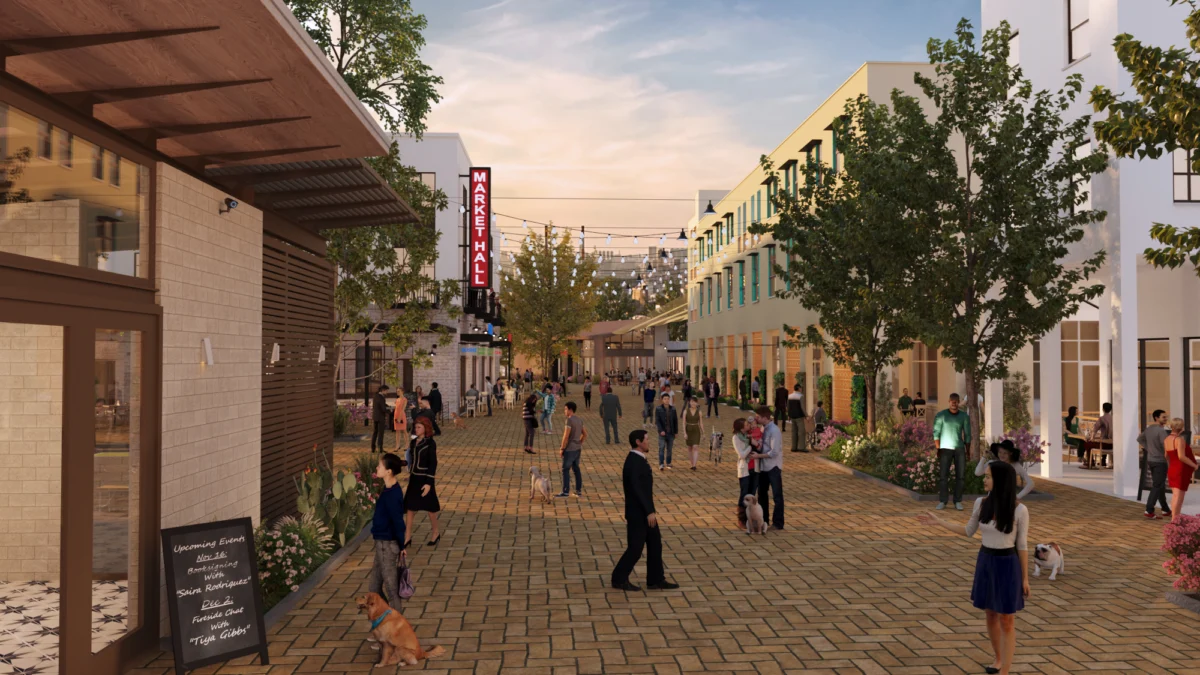
A radical shift in urban planning, advocating for cities designed around human inhabitants rather than automobiles, promises unprecedented economic, health, and social benefits, with proponents estimating a multi-trillion-dollar annual boost to national wealth. This ambitious vision, championed by influential voices in personal finance and lifestyle, posits that reorienting urban spaces to prioritize pedestrian and cyclist access over vehicle accommodation could fundamentally resolve many contemporary societal challenges, from housing affordability and public health crises to environmental degradation and social isolation. The concept is gaining tangible traction through pioneering developments like Culdesac Tempe, America’s first car-free neighborhood, which offers a living blueprint for this transformative urban future.
The Case for Person-Centric Cities: A Paradigm Shift
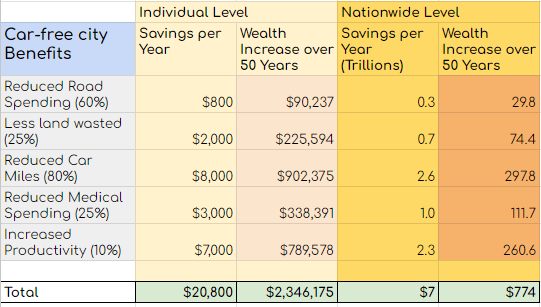
At the core of this urban revolution is a simple yet profound premise: current city planning, heavily biased towards car infrastructure, is inherently inefficient and detrimental. The advocacy for a person-first approach stems from a comprehensive analysis demonstrating that such a redesign would not merely address peripheral issues like traffic congestion or pollution, but rather unlock a synergistic cascade of improvements across virtually every facet of life. The economic implications alone are staggering. Conservative estimates suggest a "life boost" exceeding $20,000 per person annually, accumulating to over two million dollars over an adult lifetime. On a national scale, this translates to an estimated $7 trillion annual increase in the wealth of the United States, which could compound to approximately $770 trillion over the next five decades—a figure surpassing the current total human wealth globally.
These financial gains are not speculative but derive from tangible reductions in expenses and enhanced productivity. Eliminating the pervasive need for personal vehicles drastically cuts household expenditures on car payments, insurance, fuel, maintenance, and parking. Simultaneously, a more active, walkable environment fosters better public health, reducing healthcare costs associated with sedentary lifestyles and chronic diseases. The freed-up capital, both public and private, would then flow into productive investments, stimulating an economic boom characterized by increased prosperity and innovation. Beyond the financial calculus, this transformation promises a richer, healthier, and more enjoyable daily existence, with improved air quality, reduced noise pollution, and vibrant community spaces replacing the sterile expanse of parking lots and multi-lane thoroughfares.
The Hidden Costs of Car Dependency
The current state of urban design, particularly prevalent in North America, is largely a legacy of post-World War II planning principles that prioritized the automobile. The widespread adoption of the car, coupled with massive federal investments in highway infrastructure and the rise of suburbanization, cemented a development model where vast tracts of land were dedicated to roads, parking, and ancillary services for vehicles. This historical trajectory, while initially facilitating rapid growth and mobility, has inadvertently created cities that are economically and socially inefficient.
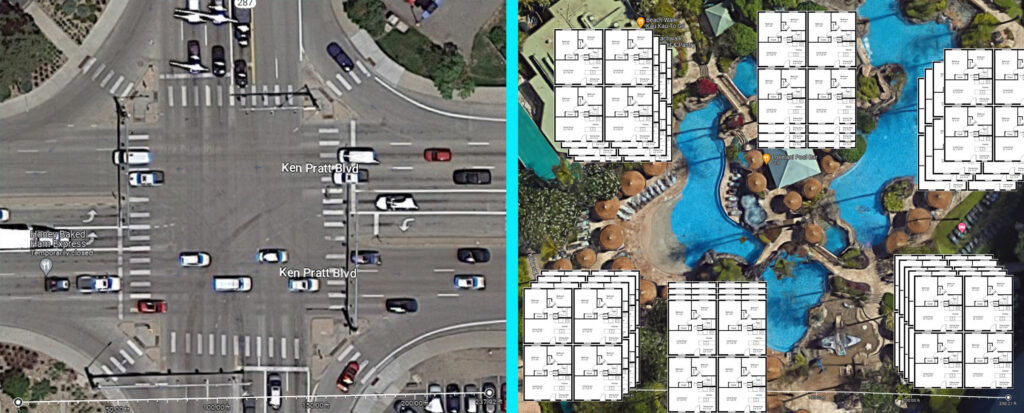
One of the most compelling arguments against car-centric planning lies in its extraordinary waste of space. Consider the stark comparison: the area required for just two modest parking spaces could instead accommodate an entire two-bedroom apartment. Extending this logic, a typical large urban intersection, often spanning approximately 250 by 250 feet, consumes about 1.5 acres. This seemingly innocuous expanse, which often serves merely as a temporary bottleneck for vehicles, could otherwise host a luxurious, resort-like living area complete with a hundred two-bedroom apartments, a swimming pool, a dog park, a grocery store, and several restaurants. Such comparisons reveal that entire cities are effectively permeated by "stupid, expensive wasted space" dedicated to accommodating vehicles.
The issue is cyclical: cities are sprawled out, loud, and often dangerous due to car traffic, making walking or cycling unappealing or impractical. This then reinforces the perceived necessity of owning and operating a car, perpetuating a self-fulfilling prophecy of car dependency. The cumulative costs extend beyond real estate, encompassing environmental damage from emissions, the public health burden of sedentary lifestyles, the financial strain of maintaining extensive road networks, and the human cost of traffic accidents.
Challenging the Status Quo: Overcoming Inertia
Despite the clear benefits, transitioning away from car-centric urban design faces significant resistance. City planning committees, often tasked with maintaining the existing order, tend to be risk-averse, influenced by entrenched interests, and susceptible to public pushback. Objections frequently coalesce around the perceived inconvenience of reducing car usage, with a common refrain being, "How are we going to keep driving our cars just as much as we do now?" This question, however, misses the fundamental point: the entire objective is to diminish the need for extensive car travel by creating compact, mixed-use communities where daily necessities and amenities are within easy walking or cycling distance.
The inertia is not merely bureaucratic; it is also cultural. Decades of car-centric living have ingrained certain expectations about personal mobility and convenience. Overcoming this requires not just policy changes but a fundamental shift in public perception, demonstrating that a car-free or car-lite lifestyle offers superior convenience, enjoyment, and financial freedom.
Mobility Reimagined: Beyond the Automobile
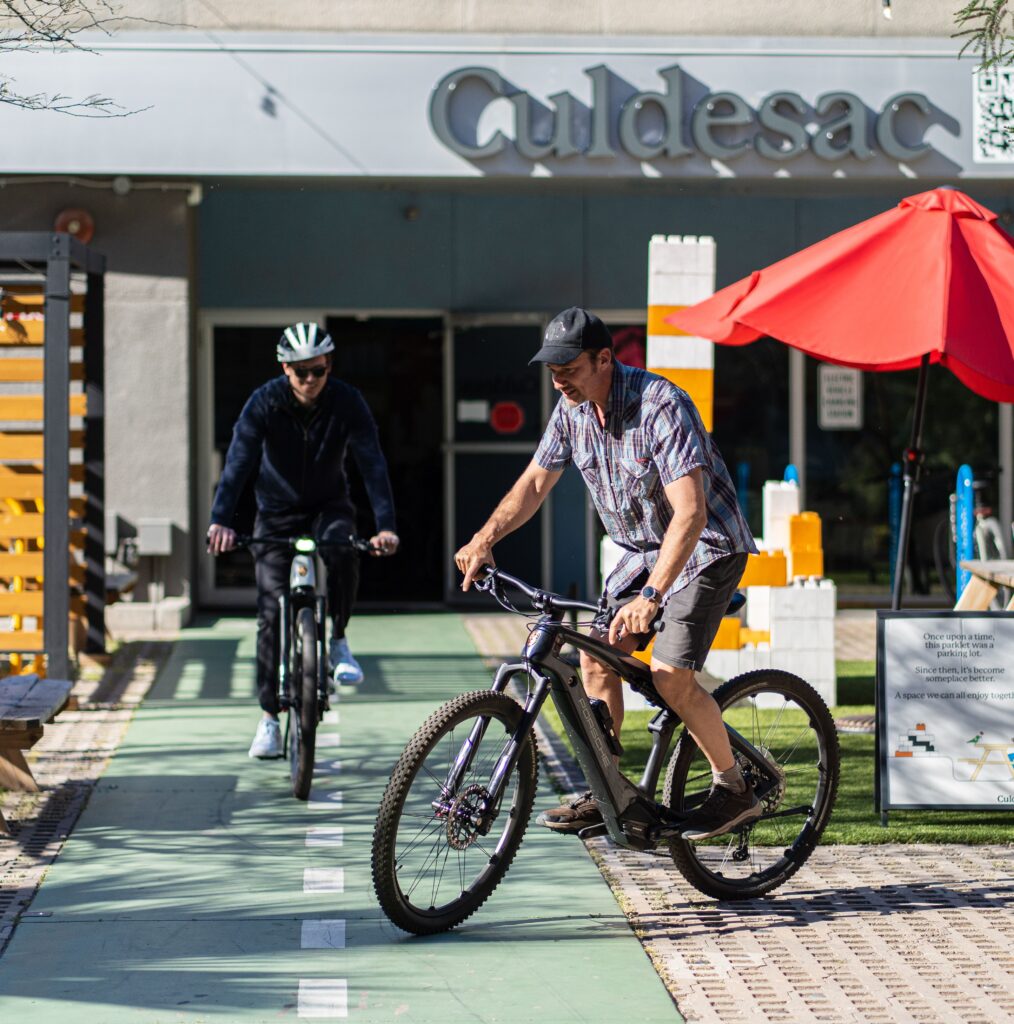
In a person-centric city, transportation is redefined. While public transit (light rail, buses) certainly plays a role, the emphasis shifts to active and on-demand micro-mobility. For shorter distances, walking and cycling become the default. E-bikes, in particular, emerge as a transformative solution for urban transport, offering speed, convenience, and health benefits superior to navigating congested streets by car. They eliminate the physical exertion barrier of traditional cycling, making longer commutes feasible for a wider demographic, and their compact size allows for efficient navigation through pedestrian-friendly zones.
The argument is that by reclaiming the vast swathes of land currently dedicated to cars, cities can be redesigned to make active transport not only viable but superior. Imagine traversing a city ten times faster, at a fraction of the cost, while simultaneously engaging in physical activity and enjoying a more pleasant environment. While essential services like deliveries and emergency vehicles would still require roads, and shared mobility options (rideshare electric cars) would exist for longer or specific trips, the daily reliance on personal automobiles would drastically diminish. This integrated approach to mobility prioritizes individual choice and efficiency, recognizing that the "best" mode of transport depends on the specific journey and individual needs.
Culdesac Tempe: A Blueprint for the Future
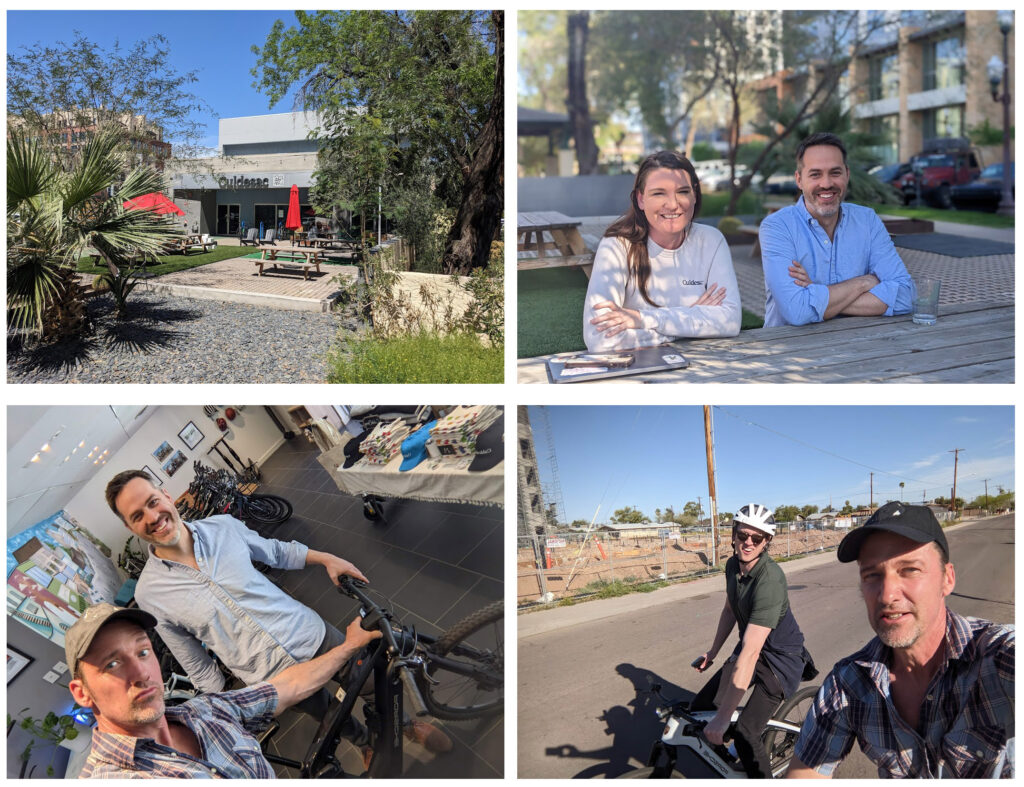
Amidst the theoretical discourse and planning challenges, Culdesac Tempe stands as a tangible, living proof-of-concept for car-free urbanism. Located in Tempe, Arizona, this 1000-person neighborhood is the first of its kind in the United States, representing a bold departure from conventional development. Founded by Jeff Berens and Ryan Johnson, Culdesac aims to demonstrate the financial viability and superior quality of life inherent in car-free communities.
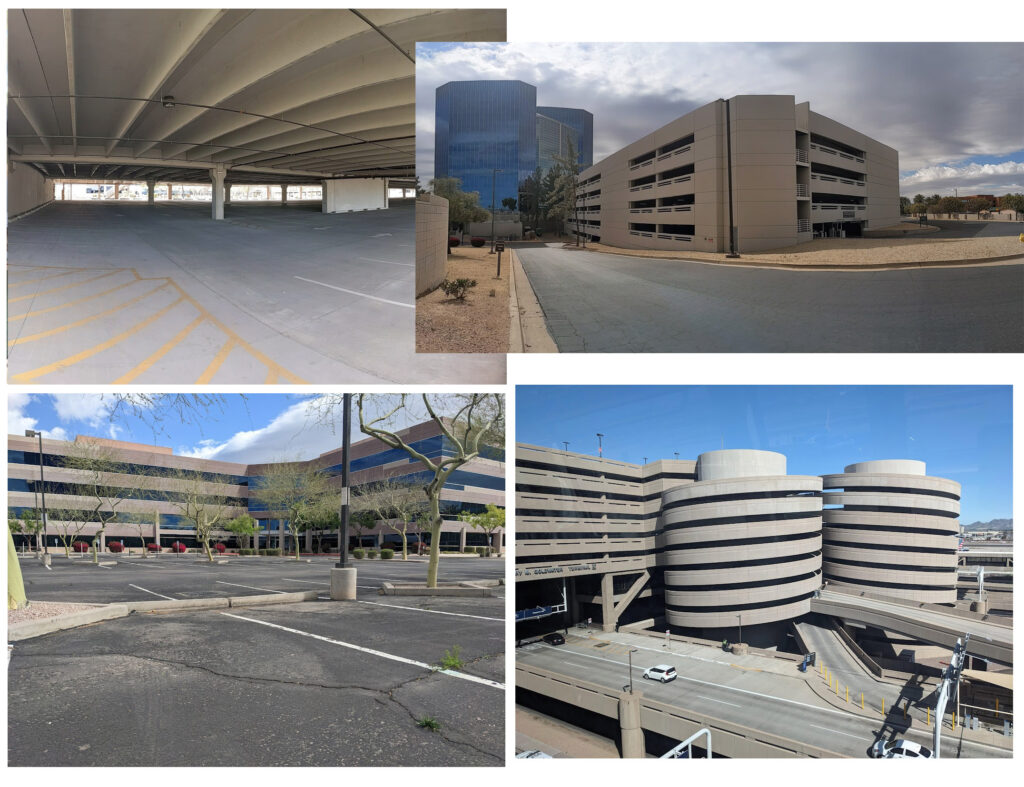
The project spans 17 acres, a significant portion of which, in a traditional development, would be consumed by parking lots. At Culdesac Tempe, this space has been reimagined and reallocated for human interaction and enjoyment. Instead of asphalt, residents find beautifully landscaped walking paths, vibrant gathering areas, and green spaces. The design incorporates mixed-use principles, integrating essential amenities directly into the neighborhood fabric. This includes:
- Dining and Retail: Restaurants, a grocery store, and other retail establishments.
- Wellness: A gym, a pool, and dedicated green spaces for recreation.
- Work and Community: Co-working spaces, and common areas designed to foster social interaction.
The architectural style, with its Mediterranean influences, is tailored to the hot desert climate, prioritizing shade, natural breezes, and heat-reflecting materials. This design ethos creates a comfortable and aesthetically pleasing environment, maximizing outdoor living even in challenging weather conditions.
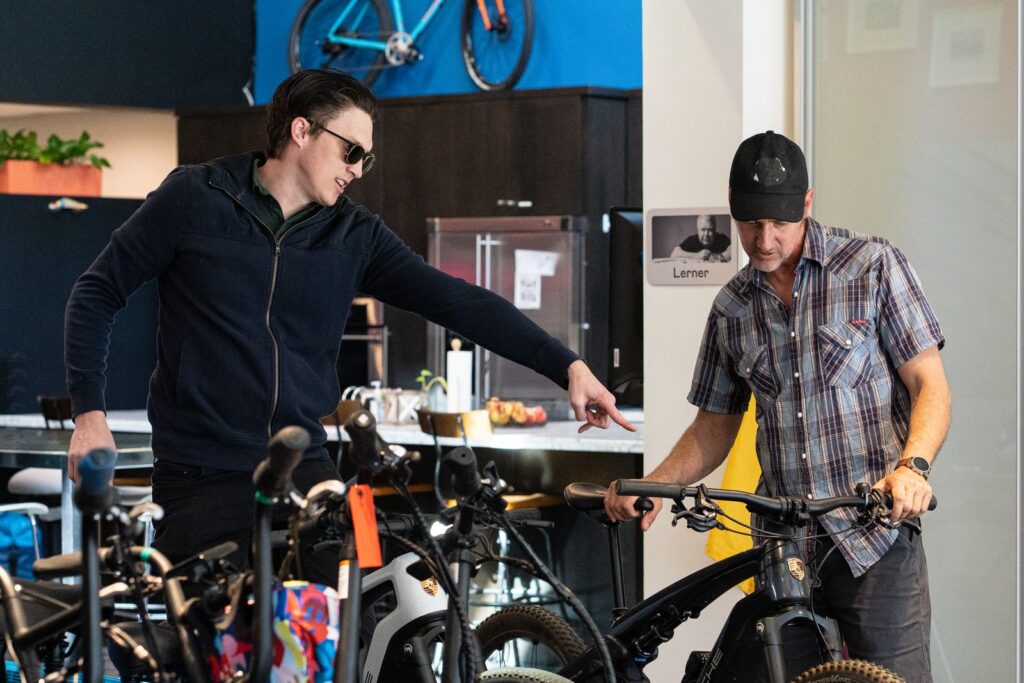
Connectivity is paramount at Culdesac Tempe. Strategically situated in the heart of the Phoenix metropolitan area, it offers excellent access to the main university and is directly adjacent to a light rail stop. Residents receive an annual pass to the public transit system as part of their rent, providing free access to a network that connects them to most of the city, including the airport. For shorter distances, a fleet of 60+ electric bikes and scooters is available, alongside shared electric cars for trips beyond transit or cycling range. This multi-modal approach ensures that residents have diverse, efficient, and cost-effective transportation options without the burden of car ownership. The immersive experience and inherent convenience are so compelling that even Mr. Money Mustache himself plans to relocate there at the end of 2023, seeking an escape from winter and a taste of this innovative lifestyle.
Economic and Social Impact of the Culdesac Model

The financial sustainability of the Culdesac model is a critical factor in its potential for replication. By eliminating the immense capital and ongoing operational costs associated with parking infrastructure—estimated to be a significant percentage of total construction costs in conventional developments—developers can allocate resources to higher-value amenities and more efficient housing. This can lead to more affordable housing options for residents, coupled with a higher quality of life. For individuals, the economic benefits are immediate and substantial: freedom from car payments, insurance premiums, fuel costs, and maintenance expenses.
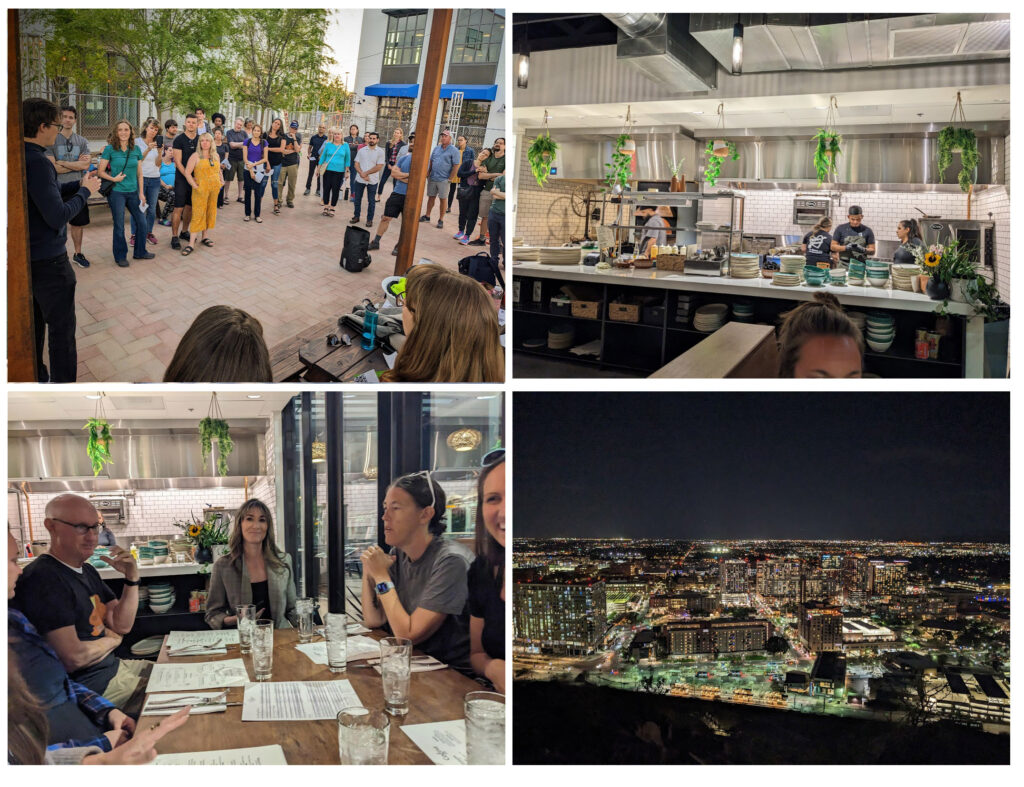
Beyond the monetary gains, the social and health impacts are profound. Increased walkability and cycling promote physical activity, contributing to better public health outcomes and reducing the prevalence of chronic diseases. The design fosters a stronger sense of community, as residents are more likely to encounter and interact with neighbors in shared spaces rather than being isolated in their vehicles. Reduced traffic noise and improved air quality enhance mental well-being and overall quality of life. Culdesac Tempe is not just a housing project; it is an experiment in building healthier, wealthier, and more connected communities.
Scaling the Vision: Culdesac’s Master Plan and Broader Implications
Culdesac Tempe is envisioned as merely the inaugural project in a much larger movement. The founders’ master plan includes proving the profitability and desirability of the car-free model, then replicating it across numerous other major U.S. cities, with initial targets including Phoenix, Denver, Dallas, and Atlanta. The ambition extends to scaling these communities from hundreds to tens of thousands, eventually aiming for 100,000-person developments. This expansion would involve converting underutilized spaces, such as vast shopping center parking lots, into vibrant, multi-functional urban villages.
The implications of such widespread adoption are enormous. It aligns with global urban planning trends towards "15-minute cities," where all essential services and amenities are accessible within a short walk or bike ride from one’s home. This concept not only enhances convenience but also drastically reduces carbon footprints, improves local economies by supporting neighborhood businesses, and fosters more resilient communities. However, scaling this vision will necessitate overcoming significant hurdles, including navigating complex zoning laws, securing substantial financing, and shifting public perception in areas deeply entrenched in car culture. Advocacy, education, and policy reforms will be crucial in paving the way for future Culdesac-like developments.
A Call to Action for Urban Transformation
The stakes involved in this urban transformation are extraordinarily high. The current car-centric model is akin to a societal patient suffering from numerous chronic ailments, largely attributable to a deeply flawed "diet" of automotive dependency. The solution—a return to human-scaled, walkable, and bikeable communities—is not only obvious but offers an unparalleled opportunity for generational wealth creation and holistic societal improvement.
Supporting this paradigm shift involves multiple avenues: educating oneself and others about the profound benefits, advocating for local policy changes that prioritize person-centric development, and, where possible, investing in or supporting companies like Culdesac that are actively building this future. The shift away from cars is not about deprivation; it’s about liberation—from financial burdens, health crises, and the isolation of car culture. It promises an explosion of personal and national wealth, alongside a dramatic enhancement of quality of life for generations to come. The question is not whether this change is desirable, but whether society is ready to embrace its transformative potential.
Further Reading: Kevin Dahlstrom, a multi-entrepreneur and collaborator in the effort for car-free cities, recently shared a widely praised Twitter thread on the practicalities of building such communities from scratch, sparking considerable positive feedback and discussion.
Disclaimer: While the author (Mr. Money Mustache) expresses strong enthusiasm for Culdesac Tempe and its mission, he has no financial or business connection with the project or its team members. His advocacy is purely driven by conviction in the project’s potential for societal benefit.

