
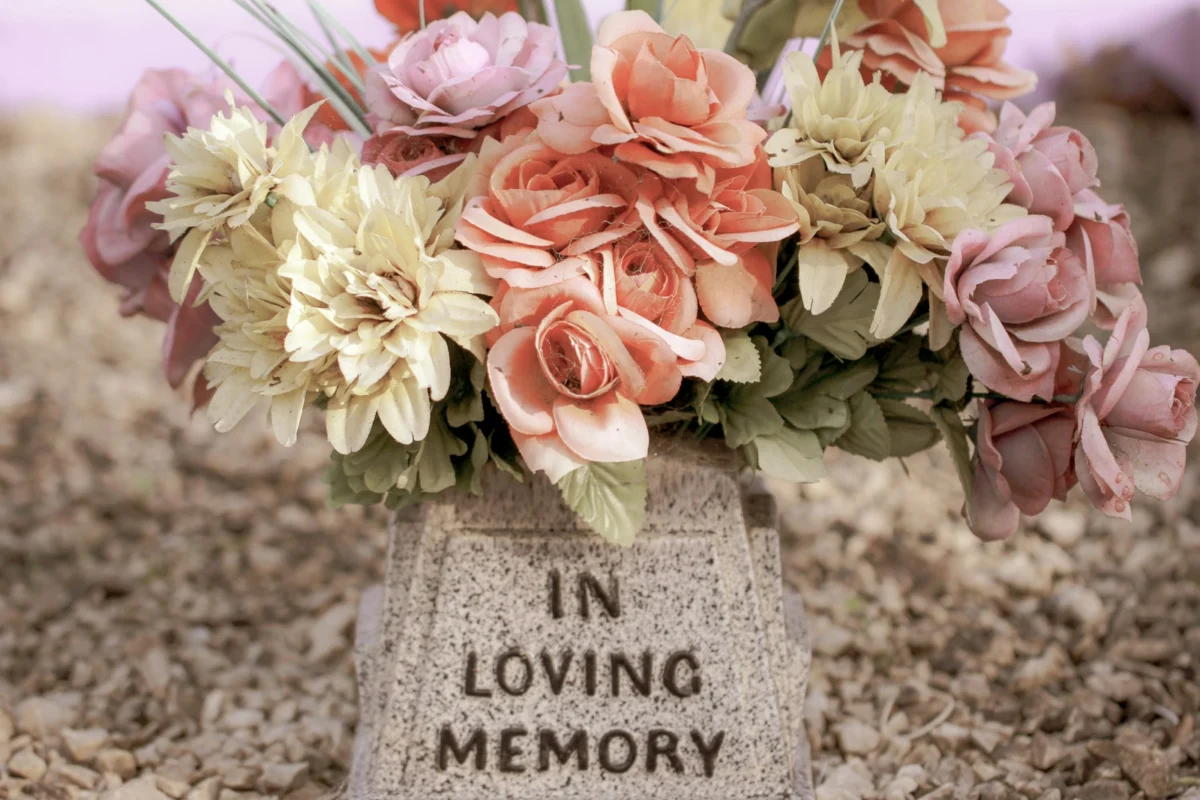
The solemn task of arranging a loved one’s final disposition often confronts families during a period of profound grief, making objective financial decisions particularly challenging. While traditional burial has historically been the prevailing choice for centuries, cremation has seen a dramatic surge in popularity in recent decades, driven by a complex interplay of economic, cultural, and environmental factors. This shift reflects a broader re-evaluation of end-of-life practices, with many opting for the perceived ease, flexibility, and significantly lower cost associated with cremation compared to the often extensive and multifaceted expenses of a conventional burial. Understanding the financial implications of each option is paramount for families seeking to honor their loved ones thoughtfully without incurring undue financial strain.
The Evolving Landscape of Final Disposition: A Historical Context
For millennia, burial has been the dominant method of final disposition across most cultures and religions. Rooted in ancient traditions and often imbued with deep spiritual significance, burial typically involved interring the deceased in consecrated ground, symbolizing a return to the earth or awaiting resurrection. This practice fostered the development of elaborate funeral rites, the establishment of cemeteries, and a well-defined funeral industry centered around embalming, viewing, and interment services.
However, the latter half of the 20th century, and particularly the early 21st century, has witnessed a remarkable shift. Modern societal changes, including increased geographic mobility, a rise in secularism, evolving environmental consciousness, and growing economic pressures, have collectively contributed to a significant increase in cremation rates. In countries like the United States, cremation rates have risen from a mere 3.5% in 1960 to over 59% in 2022, according to industry reports, and are projected to reach nearly 80% by 2045. Similar trends are observed globally, with nations such as Japan and the United Kingdom already demonstrating very high cremation prevalence. This chronological progression underscores a fundamental reorientation in how societies approach death and memorialization, moving away from rigid traditions towards more personalized and practical solutions.
Deconstructing the Costs of Traditional Burial
One of the primary drivers behind the rise of cremation is the often prohibitive cost associated with a traditional burial. Many families are initially unaware of the extensive list of expenses involved, which can collectively amount to a sum comparable to, or even exceeding, the purchase price of a new vehicle. The National Funeral Directors Association (NFDA) reported that the median cost of a funeral with viewing and burial in 2021 was approximately $7,848, excluding cemetery costs, monument or marker fees, and other cash advance items. When these additional expenses are factored in, the total can easily range from $10,000 to $20,000, and in some metropolitan areas, even higher.
The myriad components contributing to this total include:
- Funeral Home Basic Services Fee: This non-declinable fee covers the funeral director’s time, expertise, overhead, and arrangement of the funeral. It is a mandatory charge regardless of the services selected.
- Embalming and Other Preparation: Embalming, while not legally required in all cases (unless specific conditions like interstate transportation or a public viewing without refrigeration necessitate it), is often recommended by funeral homes for public viewings. Other preparation includes dressing, cosmetizing, and hairdressing.
- Use of Facilities and Staff: This covers the use of the funeral home for viewing, memorial services, and graveside ceremonies.
- Casket: Often the single most expensive item in a traditional burial package, caskets can range from a few hundred dollars for basic models to tens of thousands for high-end, custom-designed options made from exotic woods or precious metals. The average cost of a casket can be between $2,000 and $5,000, but funeral homes typically apply a significant markup. Consumer advocates frequently advise purchasing caskets from third-party retailers or manufacturers to mitigate this cost.
- Grave Liner or Burial Vault: Most cemeteries require a grave liner or burial vault to prevent the ground from sinking due to the weight of earth and maintenance equipment. These concrete or composite containers enclose the casket and can add another $1,000 to $3,000 to the total cost.
- Burial Plot: The cost of a burial plot varies dramatically based on location, demand, and cemetery type (public vs. private, standard vs. premium sections). A plot in a rural area might cost between $500 and $5,000, whereas in densely populated metropolitan areas, the price can skyrocket to $9,000, $15,000, or even $20,000 for a single plot. Factors like proximity to specific features, privacy, and landscaping can further inflate these prices.
- Opening and Closing of the Grave: This fee covers the labor involved in digging and refilling the grave, which can range from $1,000 to $2,000.
- Headstone or Grave Marker: Ranging from simple flat markers to elaborate upright monuments, headstones can cost anywhere from $1,000 to $10,000 or more, depending on material, size, engraving, and customization.
- Miscellaneous Expenses: Additional costs can include death certificates, floral arrangements, officiant fees, pallbearers, transportation (hearse, limousine), and obituaries.
The cumulative effect of these itemized charges often leads to sticker shock for grieving families, prompting many to seek more financially accessible alternatives.
The Financial Advantages of Cremation
In stark contrast to traditional burial, cremation offers a significantly more affordable option, even when additional services are included. This cost-effectiveness is a primary driver of its growing popularity. The median cost for a direct cremation, which typically involves the removal of the deceased, cremation, and return of the ashes to the family without embalming, viewing, or a formal service, was reported to be around $2,500 by the NFDA in 2021. This figure is drastically lower than even the simplest traditional burial, often ranging from $1,000 to $3,000, depending on the provider and region.
Even when families choose to incorporate elements that personalize the cremation process, the costs generally remain substantially lower than a full burial. For example:
- Cremation with a Memorial Service: If a family desires a formal gathering to honor the deceased, a memorial service can be held either before or after the cremation. If held before, it may involve a viewing (with or without embalming, depending on timing), which would increase funeral home fees. A memorial service held after cremation, with the urn present, offers greater flexibility in timing and location and typically incurs lower costs for facility use and staff. The total for a cremation with a memorial service might range from $3,000 to $7,000.
- Urns and Keepsakes: While a basic urn may be included with the cremation service, families often choose to purchase more personalized or decorative urns, which can range from under $100 to several thousand dollars for artisan-crafted or custom designs. Beyond full-sized urns, keepsake urns, cremation jewelry, or other memorial items offer unique ways to honor the deceased and can vary widely in price.
- Disposition of Ashes: Options for the disposition of cremated remains are diverse and often less expensive than traditional burial. These include scattering in a meaningful location (often with minimal or no fee), burial in a cemetery plot or columbarium niche (costs for which are significantly lower than full burial plots), or keeping the urn at home.
Susan Fraser, founder of In The Light Urns, a company specializing in memorial products, has observed this trend firsthand. "When a family chooses cremation, they’re not just choosing the lower-cost option; they’re choosing flexibility that lets them honor a life in a personal way," Fraser states. "I’ve worked with thousands of families balancing budgets with meaning. Cremation typically costs far less than a traditional burial. There’s no plot to purchase, no vault fees, none of the added expenses that drive burial costs so high. Families can put that difference toward a custom urn or keepsake that actually reflects the person. It doesn’t replace grief, but it removes the financial pressure so healing can start." Her perspective underscores the psychological relief that can accompany a more financially manageable end-of-life decision.
Beyond the Balance Sheet: Other Influencing Factors
While cost is a significant factor, the increasing preference for cremation is also shaped by several non-financial considerations:
- Environmental Impact: Growing environmental awareness has led many to consider the ecological footprint of their final disposition. Traditional burial involves land use, embalming chemicals that can leach into the soil, and the production of caskets and vaults from non-renewable resources. Cremation, while not without its own environmental considerations (energy consumption, emissions), is often perceived as a "greener" alternative, particularly with the rise of eco-friendly cremation technologies and natural burial options.
- Flexibility and Personalization: Cremation offers unparalleled flexibility in memorialization. Families are not bound by immediate timelines for a burial service; they can postpone memorial gatherings to allow distant relatives to travel, or to hold a service at a meaningful location. The ashes can be scattered, interred, kept at home, or even incorporated into art, jewelry, or coral reefs, allowing for highly personalized tributes that reflect the unique life of the deceased.
- Geographic Mobility: Modern families are often geographically dispersed. Cremation allows families to transport remains more easily, ensuring that a loved one can be memorialized closer to family members, regardless of where they passed away. This avoids the logistical and emotional complexities of burying someone far from their surviving kin.
- Changing Religious and Cultural Perspectives: While some religions traditionally discourage cremation, many have adapted their views over time. For instance, the Catholic Church, which once forbade cremation, now permits it, provided that the ashes are treated with reverence and ideally interred in a sacred place. This evolving acceptance across various faiths has broadened its appeal.
Consumer Rights and Prudent Financial Planning
Regardless of the chosen method of disposition, consumers possess important rights designed to ensure transparency and fair pricing. The Federal Trade Commission’s (FTC) Funeral Rule mandates that funeral homes provide an itemized General Price List (GPL) to consumers. This allows families to compare prices, decline services they do not want, and purchase goods (like caskets or urns) from third-party vendors without penalty. Shopping around and comparing prices from at least two or three funeral providers can lead to substantial savings.
Furthermore, proactive financial planning for end-of-life expenses is increasingly important. Options include:
- Pre-Need Funeral Arrangements: Planning and often pre-paying for funeral services can lock in prices, relieve future emotional and financial burdens on loved ones, and ensure wishes are honored. However, it’s crucial to understand the terms, portability, and financial solvency of the provider.
- Life Insurance: A life insurance policy can provide a lump sum benefit to beneficiaries, which can be used to cover funeral costs and other immediate expenses, offering peace of mind.
- Dedicated Savings: Establishing a specific savings account for funeral expenses can be a simple yet effective way to prepare for these inevitable costs.
Implications for the Funeral Industry and Society
The paradigm shift towards cremation has profound implications for the funeral industry. Traditional funeral homes are adapting by expanding their cremation service offerings, investing in crematories, and diversifying their memorialization products. The demand for elaborate caskets and large burial plots is diminishing, while the market for urns, keepsake jewelry, and unique memorial services is growing. This necessitates innovation and a focus on personalized experiences rather than standardized packages.
Societally, the embrace of cremation signifies a departure from rigid adherence to historical customs, reflecting a more individualistic approach to death and remembrance. It allows for greater creative expression in how lives are celebrated and mourned, fostering a culture where personal meaning and financial pragmatism can coexist.
Ultimately, the decision between burial and cremation is deeply personal, influenced by a confluence of cultural beliefs, emotional considerations, and financial realities. While traditional burial remains a cherished choice for many, the undeniable economic advantages, coupled with increasing flexibility and environmental awareness, have cemented cremation’s place as a dominant and increasingly preferred option for final disposition. Understanding these facets empowers individuals and families to make informed choices that honor their loved ones meaningfully, without sacrificing financial stability in a time of vulnerability.

