
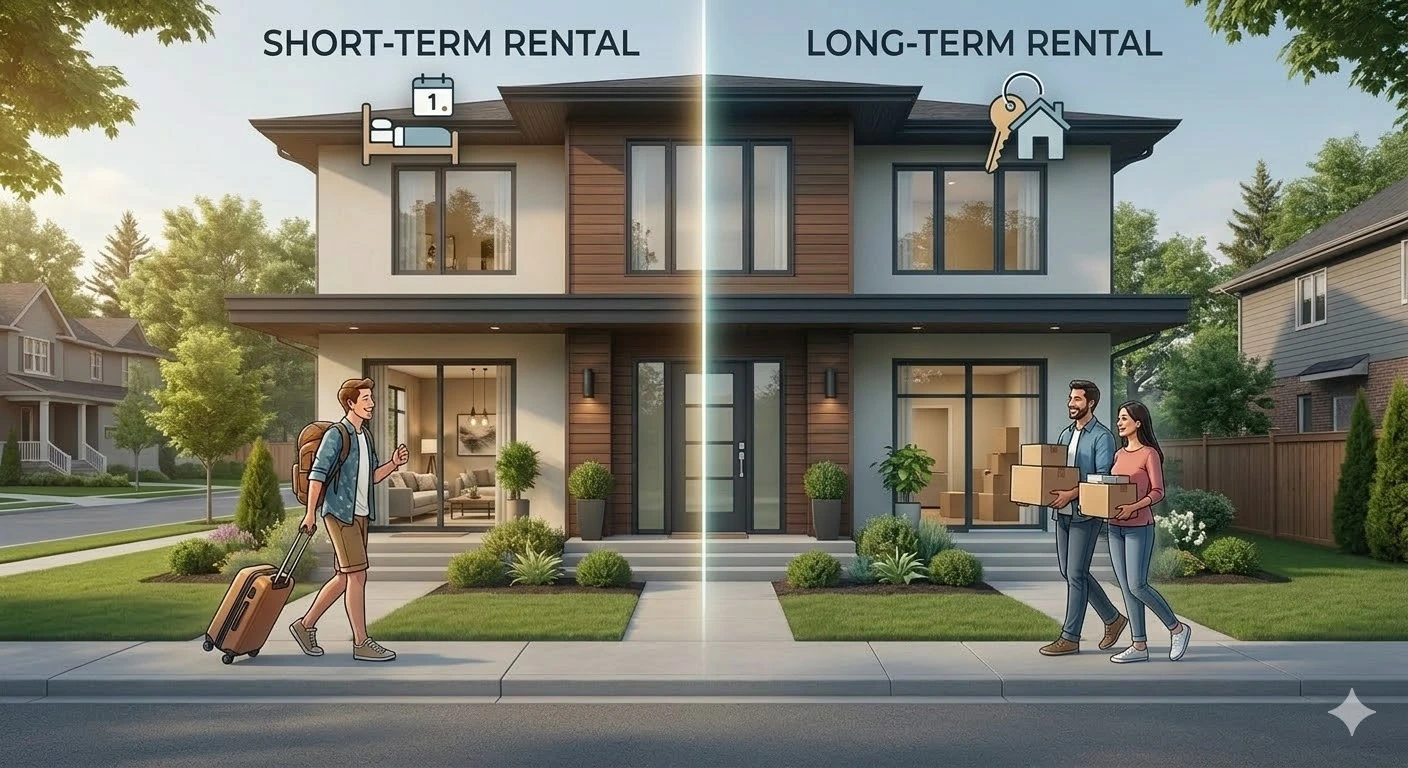
Just a few years ago, the allure of short-term rental properties, particularly those listed on platforms like Airbnb, painted a picture of effortless passive income. The narrative was simple: acquire a property, list it, and watch the cash flow in, a seemingly accessible strategy even for college students renting out spare rooms. This perception was amplified during the post-pandemic travel surge of 2021 and 2022, a period when the short-term rental market experienced unprecedented growth. Data from that era consistently showed short-term rentals outperforming their long-term counterparts in many U.S. markets, solidifying the idea that nearly any location could be a lucrative Airbnb investment.
However, as we enter 2026, the landscape has dramatically transformed. The once-booming occupancy rates and revenue growth for short-term rentals have decelerated in numerous markets, concurrently with a significant tightening of regulatory frameworks. The notion of short-term rental ownership as a passive income stream has largely dissolved, giving way to the reality that it is, in fact, a demanding business. Simultaneously, the traditional long-term rental market, while often perceived as a more stable alternative, is also presenting its own set of challenges. Emerging from this evolving environment is the mid-term rental, a hybrid model gaining traction and further complicating the decision-making process for real estate investors. The era of a clear-cut, universally superior rental strategy has passed, necessitating a more nuanced and data-driven approach for investors.
This fundamental shift compels real estate investors to meticulously re-evaluate their strategies, weighing the evolving dynamics of short-term versus long-term rentals. The decision-making process now demands a comprehensive understanding of legal intricacies, escalating costs, shifting location preferences, occupant behaviors, and the inherent operational demands of each model.
The Evolving Legal Terrain: Navigating a Complex Regulatory Environment
Historically, the short-term rental market operated in a regulatory gray area, with laws struggling to keep pace with the rapid expansion of platforms like Airbnb. This lack of stringent oversight contributed to its initial ease of entry. However, by 2026, this environment has matured, leading to a proliferation of regulations across most housing markets, especially in popular tourist destinations. Cities like New York City, Honolulu, Santa Monica, New Orleans, and San Francisco have, in effect, implemented de facto bans through such restrictive ordinances that they render short-term rentals practically unviable for many investors.
These regulations typically encompass a broad spectrum of requirements, often including:
- Licensing and Permit Fees: Annual fees to operate a short-term rental, often varying based on property type and location.
- Zoning Restrictions: Limitations on where short-term rentals can be operated, with some residential zones being entirely off-limits.
- Occupancy Limits: Caps on the number of guests allowed per rental, impacting revenue potential.
- Safety Standards: Mandates for smoke detectors, carbon monoxide detectors, fire extinguishers, and emergency exit plans, akin to hotel requirements.
- Tax Obligations: Collection and remittance of occupancy taxes, tourism taxes, and sales taxes, which can be complex and vary significantly by jurisdiction.
- Duration Limits: Restrictions on the number of days a property can be rented out on a short-term basis within a calendar year.
For investors considering vacation rental properties in 2026, a thorough assessment of their capacity to comply with these multifaceted legal requirements is paramount. Resources such as Mashvisor’s portal, which aggregates U.S.-wide short-term rental regulations, are becoming indispensable tools for this due diligence.
The increasing stringency of short-term rental laws and the palpable pushback from local communities in many areas have naturally steered some investors toward the more established long-term rental market. However, this sector is not immune to legislative evolution. While landlords have long been subject to location-specific rental laws dating back decades, 2026 is witnessing the emergence of new legislation that demonstrably favors tenants, consequently increasing costs and operational complexities for landlords.
Examples of these emerging tenant-friendly laws include:
- California: New rent control measures and stringent eviction moratoriums, alongside requirements for habitability standards and tenant protections during property sales.
- Washington: Legislation aimed at limiting rent increases and enhancing tenant security, including restrictions on late fees and requirements for longer notice periods for lease terminations.
The trend of states adopting such tenant-centric legislation is noteworthy. As laws enacted in major states like California and Washington gain traction and demonstrate perceived success, it is common for other states to follow suit. Consequently, real estate investors must undertake a comprehensive review and gain a thorough understanding of all applicable laws, regardless of whether they opt for short-term or long-term rental strategies.
The Escalating Costs of Ownership: A Higher Barrier to Entry
The financial equation for rental property investment has become significantly more complex in 2026. While short-term rentals have traditionally commanded higher per-night rates, they have also been associated with higher operating expenses. This fundamental disparity persists, but the overall cost of real estate investment has escalated across both short-term and long-term strategies. Inflated U.S. home prices, coupled with increased property taxes, higher mortgage rates, and rising insurance premiums, have collectively raised the barrier to entry.
For short-term rental properties, the evolving regulatory landscape directly translates into increased financial outlays. Investors now face:
- Annual Permit and Registration Fees: Costs associated with obtaining and maintaining necessary operating permits.
- Significant Fines for Violations: The risk of substantial financial penalties for non-compliance with regulations.
- Additional Taxes: The imposition of new or increased taxes specifically targeting short-term rental income.
- Platform Fees: In 2025, platforms like Airbnb introduced new fee structures that increased operational costs for hosts.
- Enhanced Guest Expectations: The market has become highly competitive, with guests now expecting premium amenities. For instance, in a market like Gatlinburg, Tennessee, a hot tub is no longer considered an optional amenity but a baseline expectation for an Airbnb, adding to the upfront investment and ongoing maintenance costs. Standing out in this crowded marketplace requires significant investment in property presentation and amenities.
These factors combine to make owning a vacation rental property substantially more expensive in 2026 than in preceding years.
Long-term rental properties are also experiencing increased overhead. New legislation often mandates upgrades to habitability standards, such as requiring working stoves and refrigerators. Furthermore, a growing tenant consciousness regarding energy consumption necessitates investments in energy-efficient appliances and insulation, further contributing to operational costs.
The start-up and ongoing expenses associated with both short-term and long-term rentals are no longer comparable to previous years. Real estate investors must move beyond generalized assumptions and obtain precise cost and income estimates to accurately determine which strategy offers the most favorable cash flow before committing to an investment.
Location, Location, Location: A Dynamic Market Analysis
The influence of location on rental property profitability has always been a cornerstone of real estate investment. However, in 2026, this factor is subject to even greater scrutiny due to evolving travel trends, population shifts, and market saturation. While some locations have become less amenable to short-term rentals due to regulatory pressures, others continue to present lucrative opportunities.
Beyond the legal aspects, investors must analyze broader market dynamics:
- Shifting Travel Trends: The post-pandemic era has seen a recalibration of travel patterns. While established tourist hubs remain popular, secondary destinations and unique experiences are also gaining prominence.
- Market Saturation: In previously booming short-term rental markets, oversaturation can lead to reduced occupancy rates and downward pressure on nightly rates, diminishing profitability.
- Population Migration: For traditional rentals, understanding demographic shifts is crucial. Recent data indicates a significant migration towards the Southeast and Mountain West regions of the U.S. (the Sunbelt), a notable contrast to the historical preference for larger, established metropolitan areas.
Daryl Fairweather, Chief Economist for Redfin, offers critical insights into these location-based decisions:
When questioned about markets likely to see conversions from short-term to long-term rentals, Fairweather noted, "Conversions are most likely where short-term economics weaken or regulations tighten." She elaborated that areas experiencing a decline in short-term rental revenue, coupled with robust long-term rental fundamentals, are prime candidates for this shift. Conversely, she identified markets that will continue to favor short-term rentals, stating, "Yes, some markets will still favor STRs." These include locations with strong, consistent demand for short-term stays, such as college towns with limited housing stock, popular vacation destinations with robust tourism, and areas experiencing significant temporary population influxes for events or projects. Fairweather’s bottom line is clear: "STR success depends on professional management, dynamic pricing, and consistent demand. Passive Airbnb investments in random towns are risky."
This analysis underscores the necessity for investors to conduct thorough, location-specific research, identifying markets where trends align with their chosen rental strategy.
The Occupant Dynamic: Shifting Perceptions of Tenant Behavior
A significant draw for early real estate investors into the short-term rental market was the perceived simplicity of dealing with temporary guests. The assumption was that short-term occupants would present fewer issues than long-term tenants, bypassing common landlord concerns such as:
- Tenant Evictions: The complex and often lengthy legal process of removing non-paying tenants.
- Property Damage: The potential for long-term wear and tear or deliberate damage to the property.
- Lease Violations: Dealing with tenants who break the terms of their lease agreements.
- Late Rent Payments: The recurring challenge of collecting rent on time.
The initial perception of the Airbnb guest as an ideal, low-maintenance occupant has been challenged by a growing volume of anecdotal evidence and documented incidents. The online sphere is replete with "Airbnb horror stories," detailing issues such as:
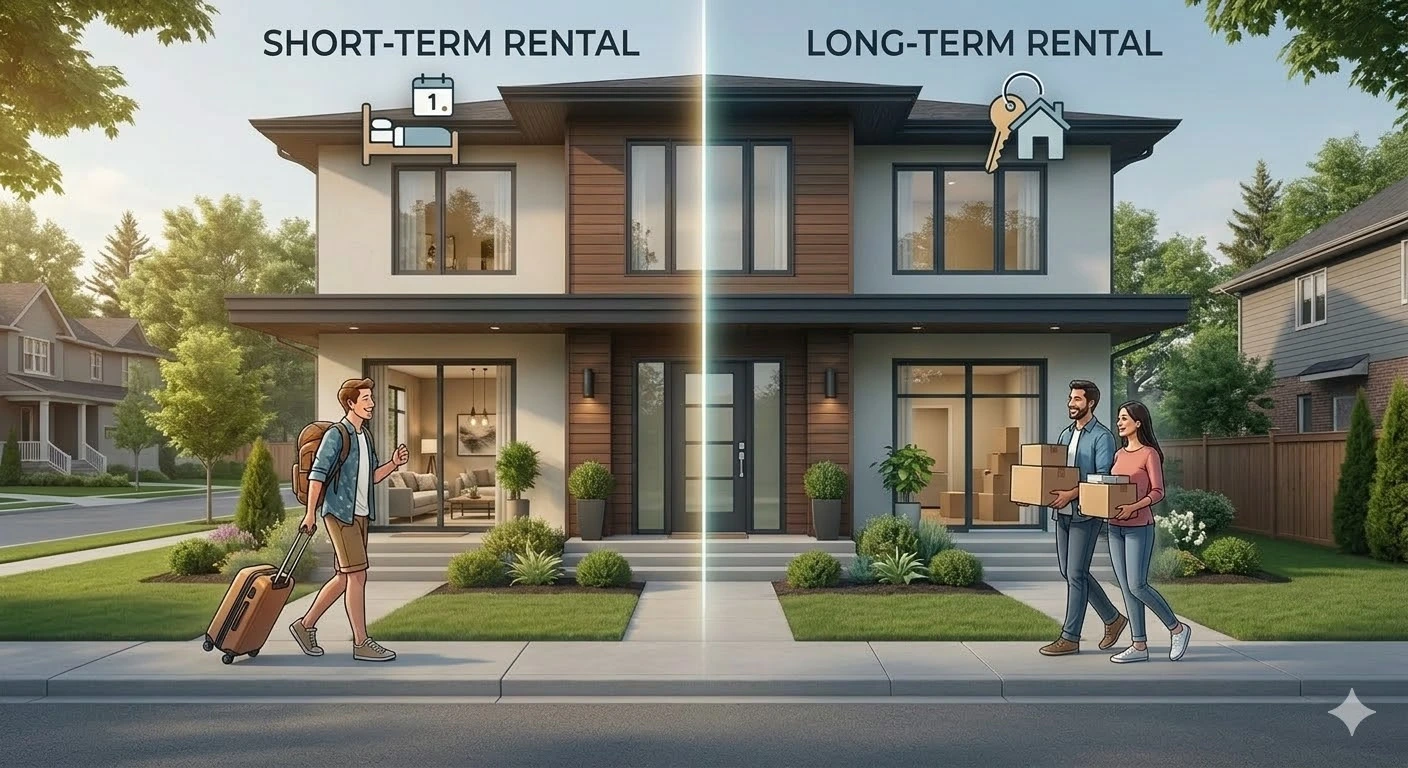
- Parties and Disruptive Behavior: Guests hosting unauthorized parties that damage property and disturb neighbors.
- Theft and Vandalism: Instances of guests stealing property or causing intentional damage.
- Illegal Activities: The discovery of illegal operations or substances within rental properties.
- Extended Stays Beyond Booking: Guests refusing to leave at the end of their reservation.
Beyond behavioral issues, the cost of accommodating short-term guests is considerable. This includes providing high-speed internet, hotel-like amenities (toiletries, linens, kitchenware), and, crucially, professional cleaning services between each guest turnover.
By 2026, the simplistic dichotomy of "better" occupants between short-term and long-term rentals has dissolved. Both require distinct management approaches and incur unique associated costs. Real estate investors must now critically assess their capacity to handle the specific challenges of each, implementing robust risk mitigation strategies and contingency plans for potential issues.
The Operational Divide: From Passive Dreams to Active Realities
A recurring theme in online forums and communities dedicated to short-term rental hosts is the revelation that the operation is far from passive. Many hosts who initially envisioned effortless income have discovered the significant effort required to run a hospitality business. When property management is not outsourced, a short-term rental becomes an active investment demanding constant attention.
Similarly, the role of a landlord for a long-term rental property, while often perceived differently, is also an active undertaking. Despite the perception of short-term rentals as passive, traditional rentals have always demanded considerable effort at specific junctures, including tenant evictions, managing tenant turnover, and addressing emergency maintenance issues.
Both investment types can transition to a more passive model through the engagement of a property manager. However, the feasibility of this depends on the income generated and the potential impact on cash flow. Property management fees typically range from 8% to 12% of monthly rental income for long-term rentals (single-family homes), whereas for short-term rentals, these fees are significantly higher, often falling between 15% and 25%.
The fundamental reality in 2026 is that neither hosting a short-term rental nor managing a long-term rental is inherently passive. Real estate investors must realistically assess their capacity for day-to-day operations and their available time commitment. Alternatively, integrating property management costs upfront into investment property analysis is essential for achieving a truly passive rental income stream.
The Emerging Contender: The Mid-Term Rental Property
The conversation around rental strategies is no longer confined to a simple short-term versus long-term binary. A compelling third option has emerged: the mid-term rental. These properties, typically rented for periods ranging from one month to six months, and sometimes extending up to a year, occupy a middle ground between the fleeting stays of short-term rentals and the extended commitments of long-term leases.
Mid-term rentals cater to a specific demographic, including traveling nurses and other healthcare professionals, individuals on extended business assignments or long vacations, digital nomads, and those in the process of relocating. This niche tenant base has created demand in particular locations:
- Areas with a strong healthcare presence: Proximity to hospitals and medical facilities.
- Cities with a significant corporate or business presence: Catering to traveling professionals.
- University towns: Accommodating visiting scholars, faculty, or students on internships.
- Areas undergoing economic development or large construction projects: Housing temporary workforces.
A significant advantage of mid-term rentals is their ability to largely circumvent the stringent regulations that often burden short-term rentals. While short-term rentals typically command higher Average Daily Rates (ADRs), mid-term rentals often achieve higher occupancy rates. This, coupled with reduced turnover costs and fewer cleaning fees compared to short-term rentals, can result in greater overall profitability within the same real estate market.
Compared to traditional long-term rental properties, mid-term rentals offer greater flexibility and are typically furnished. This convenience often translates into tenants being willing to pay a premium, with monthly rates potentially $600 to $800 higher than those for comparable long-term leases. For investors seeking a balance of consistent income and manageable operational demands, the mid-term rental presents a promising alternative that warrants careful consideration, particularly in markets where all three rental strategies are viable.
Strategic Realignment: Choosing the Right Rental Strategy in 2026
The selection of a rental strategy in 2026 is a multifaceted decision influenced by location, risk tolerance, and financial objectives. Ultimately, the most prudent choice is the strategy that promises the highest cash flow and return on investment. Utilizing reliable market data, including Airbnb occupancy rates, long-term rent estimates, and historical performance trends, is indispensable for investors to accurately assess profitability before acquiring a property. Platforms like Mashvisor offer tools that leverage extensive short-term and long-term rental data, enabling investors to immediately identify the most promising strategy for any given listing. For mid-term rentals, combining supplemental data with these analytical tools can provide a comprehensive picture of future earnings potential.
The Next Move: Re-evaluating Existing Portfolios
For many real estate investors, 2026 marks a critical juncture for re-evaluating their current rental property holdings. A once-thriving short-term rental might now be situated in an oversaturated market, leading to diminished profit margins. Alternatively, new regulations may have rendered the operation of such a business legally untenable.
If an investor decides to exit the short-term rental market, two primary paths emerge: converting the property to a long-term rental or selling it entirely. This decision hinges on a thorough examination of current real estate market trends and the investor’s financial circumstances. Key questions arise: Is it an opportune moment to sell, or might holding onto the property yield greater profits in the future? Can the investor afford to retain the property while awaiting a sale, or will carrying costs lead to negative cash flow? How are long-term rentals performing in the same housing market?
Daryl Fairweather of Redfin offers guidance on when an investor should consider selling a vacation property rather than converting it: "An investor should consider selling when the property no longer justifies the complexity and risk of short-term rentals or when the capital could be better used elsewhere." She further advises selling if "the property no longer provides strong returns, market prices are favorable, or regulations make your STR strategy unprofitable."
If the real estate market conditions support a successful conversion of a short-term rental to a long-term rental, Fairweather provides actionable advice: "If converting makes sense, focus on these four things: understand your long-term rental market, adjust your pricing and marketing, prepare the property for long-term tenants, and secure reliable property management." Her concluding remark emphasizes a strategic approach: "Long-term rentals offer predictability over upside. Treat the conversion as a strategic business decision."
Conclusion: Data-Driven Decisions in a Dynamic Market
The real estate investment landscape has undergone significant evolution, impacting both short-term and long-term rental markets. However, opportunities for profitable real estate investments remain abundant. The key differentiator in 2026 is the necessity for increased selectivity and a reliance on data to inform investment decisions. Whether an investor remains committed to a specific strategy or explores new avenues like mid-term rentals, identifying the right market and property for that strategy is paramount. Tools like Mashvisor are instrumental in providing the necessary data to navigate this complex environment and make informed choices that align with investment goals.
Frequently Asked Questions
Can short-term rentals still be profitable in 2026?
Yes, short-term rentals can still be profitable in 2026, but their success is contingent upon a careful evaluation of location, prevailing regulations, occupancy rates, and operating costs. In markets driven by tourism with robust demand, Airbnb rentals may indeed generate higher income than traditional long-term leases. However, investors must conduct thorough due diligence on local laws and competitive landscapes before committing capital.
What is the difference in profitability between short-term and long-term rentals?
Short-term rentals often yield higher revenue per night due to their premium pricing. However, long-term rentals offer more stable, predictable monthly income and typically incur lower management costs. The most profitable strategy is highly dependent on a confluence of factors, including local tourism demand, rental regulations, property acquisition costs, and anticipated occupancy rates.
What are the key differences between short-term, mid-term, and long-term rentals?
Short-term rentals are generally rented for a few nights or weeks via platforms like Airbnb. Mid-term rentals typically have a duration of one to six months and are popular with traveling professionals or digital nomads. Long-term rentals are traditional leases lasting six to twelve months or more, providing landlords with consistent and stable income streams.
Is Airbnb a better investment than a long-term rental property in 2026?
Airbnb can generate superior income in high-demand markets, particularly tourist destinations. However, it demands more active management, incurs higher operating expenses, and necessitates strict compliance with local regulations. Long-term rentals, conversely, tend to offer more predictable cash flow and require fewer day-to-day management responsibilities. The optimal choice depends on an investor’s risk tolerance and operational capacity.
How should investors decide between a short-term and long-term rental strategy?
Investors should compare projected rental income, anticipated occupancy rates, estimated operating costs, and local regulatory environments before committing to a specific rental strategy. Analyzing historical rental data and prevailing market trends is crucial for determining whether a property is likely to perform better as a short-term or long-term rental.

