
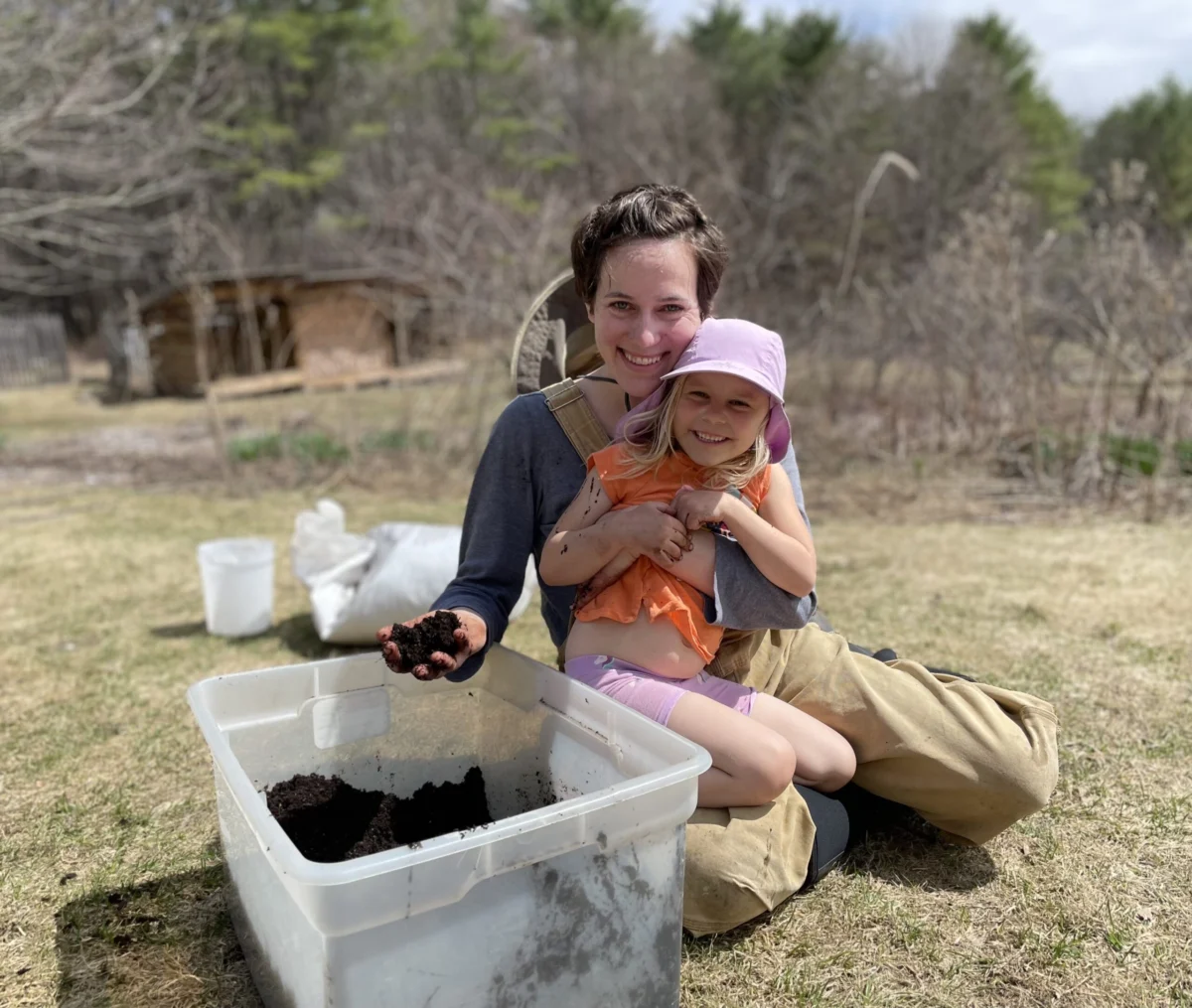
The transition from urban environments to rural self-sufficiency has long been a fixture of the American cultural zeitgeist, but the practicalities of such a lifestyle often diverge significantly from the initial ideological projections. In May 2016, the founders of the prominent personal finance and lifestyle platform Frugalwoods relocated from a metropolitan setting to a 66-acre homestead in rural Vermont. Now marking the seventh anniversary of this transition and the ninth anniversary of their platform, a comprehensive retrospective reveals a significant shift from the pursuit of total agricultural self-sufficiency to a more balanced, economically integrated model of rural living. This evolution highlights the labor-intensive nature of small-scale farming and the logistical complexities of food preservation that often challenge the viability of the "back-to-the-land" movement for modern families.
The Genesis of the Rural Transition and Initial Projections
The relocation to Vermont in 2016 was driven by a desire to exit the "city rat race" and establish a sustainable, independent lifestyle. The initial vision for the 66-acre property was rooted in the concept of a closed-loop homestead. This included plans for extensive vegetable gardens, orchards, and the potential integration of livestock, including meat chickens, pigs, goats, and a dairy cow. The overarching goal was to provide for all caloric and nutritional needs through manual labor and land management, effectively bypassing traditional commercial food supply chains.
The property, characterized by dense woodland and varied topography, offered the space required for such an ambitious undertaking. However, the first years of operation served as a period of intense infrastructure development. The transition involved setting up fencing, building raised beds, and establishing perennial fruit systems. During this phase, the homesteaders operated under the assumption that the "Little House on the Prairie" model of subsistence was not only desirable but achievable alongside modern comforts.
The 2018 Kale and Chard Apocalypse: A Case Study in Labor Saturation
A pivotal moment in the homestead’s history occurred in 2018, an event now categorized as the "Kale and Chard Apocalypse." This period serves as a critical data point for understanding the limits of domestic food production and preservation. During this season, the homesteaders successfully cultivated 80 individual kale and chard plants from seed. While the yield was agriculturally successful, it created a labor crisis during the harvest window.
The processing of this single crop required a multi-day commitment that overwhelmed the available labor force. Because the harvest matured simultaneously, the homesteaders were forced to utilize a child-sized swimming pool and multiple large industrial tubs as rinsing stations. The subsequent steps—de-stemming, blanching, cooling, and vacuum-sealing—demanded dozens of man-hours.

This event highlighted two major flaws in the total self-sufficiency model:
- Labor Opportunity Cost: The time required to process the harvest directly conflicted with the primary goal of the move, which was to gain time-freedom and leisure.
- Consumption Inaccuracy: Despite the intensive labor involved in preserving the greens, a significant portion of the preserved food reached its shelf-life expiration before it could be consumed, leading to post-production waste.
Technical Challenges: Wildlife, Weather, and Harvest Synchronization
The Vermont climate, categorized primarily under USDA Hardiness Zones 4 and 5, presents significant obstacles to consistent food production. The growing season is relatively short, typically spanning from late May to September, which necessitates a condensed period of high-intensity labor.

Furthermore, the homesteaders identified several biological and environmental factors that impede yield:
- The Clever Varmint Patrol (CVP): Local wildlife, including turkeys and smaller mammals, have proven to be a persistent threat to perennial crops. Despite the use of netting and fencing, wildlife often harvests fruit, such as cherries and plums, at the precise moment of peak ripeness.
- Weather Volatility: Production is subject to the whims of erratic frost cycles. Late spring frosts can destroy blossoms on fruit trees, while early autumn frosts can kill annual vegetable plants before they reach full maturity.
- Harvest Pressure: Unlike commercial operations that can stagger plantings or utilize mechanical harvesters, the small-scale homestead is at the mercy of natural ripening cycles. When a fruit tree reaches maturity, the entire yield must be harvested and processed within a 24-to-48-hour window to prevent rot or wildlife consumption.
Infrastructure and Current Agricultural Operations
As of May 2023, the homestead has moved away from the "all-consuming" model of farming in favor of a tiered system that prioritizes ease of access and manageable yields. The current agricultural footprint is divided into three primary zones:

1. Proximal Raised Beds
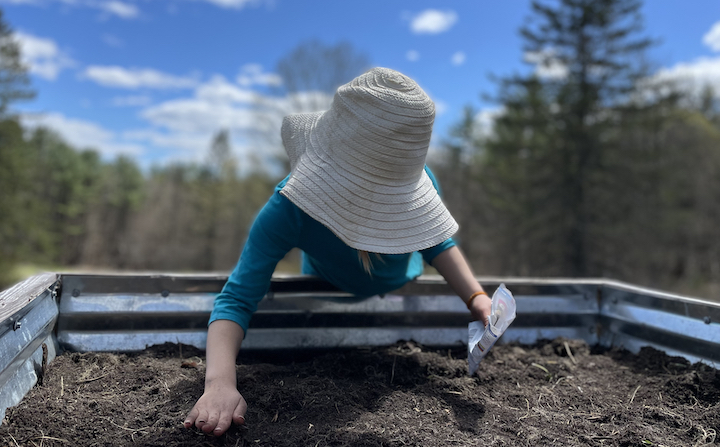
Four raised beds, constructed in 2020, are located adjacent to the primary residence. These beds are dedicated to high-frequency use items, such as strawberries, herbs (parsley, sage, rosemary, thyme, chives, oregano), and salad greens (lettuce, spinach, kale). The proximity to the kitchen reduces the "harvest friction," making these crops the most integrated into the family’s daily diet.
2. The Fenced Annual Garden
A larger, fenced-in area is utilized for annual vegetables that require vertical support. The installation of cattle panels has replaced individual trellising for crops like tomatoes, snap peas, beans, squash, and cucumbers. This area also serves an educational purpose, with specific rows allocated to the children to manage, fostering agricultural literacy without the pressure of subsistence.

3. Perennial Fruit Systems
The long-term investment in the land is most visible in the perennial plantings, which include:
- Orchards: Apple, pear, plum, and cherry trees.
- Berries: Blueberries, raspberries, elderberries, and currants.
- Specialty Crops: Rhubarb and asparagus.
While these systems require less annual labor than vegetables, they remain susceptible to the aforementioned wildlife and weather challenges. The time-to-yield for these plants is significant; for example, apple trees typically require approximately six years of growth before producing a viable harvest.

The Economic and Psychological Shift Toward Realism
After seven years of experimentation, the Frugalwoods homesteaders have reached a state of "homesteading acceptance." This involves a conscious decision to reject the guilt associated with not producing 100% of their food. Instead, they have integrated into the local rural economy by purchasing staples from neighboring professional farmers.
This shift is supported by a fact-based analysis of professional versus amateur farming. Professional farmers in the Vermont region possess the specialized equipment, industrial kitchens, and labor teams necessary to produce food efficiently. By supporting these local businesses, the homesteaders achieve three objectives:

- Economic Integration: They contribute to the sustainability of the local agricultural community.
- Quality Control: They gain access to high-quality produce that they may not have the expertise or time to grow themselves.
- Time Restoration: They reclaim hundreds of hours previously spent on low-yield, high-stress labor.
Broader Implications for the Modern Homesteading Movement
The experience of the Frugalwoods founders reflects a broader trend in the modern homesteading movement: the move from "subsistence dreaming" to "practical homesteading." The data suggests that while the desire for land and self-sufficiency remains high, the reality of the labor required to replace a modern grocery store is often incompatible with the lifestyle goals of those moving from urban centers.
The psychological impact of this transition is noteworthy. The founders noted that the stress of managing a massive garden was effectively a "transplantation" of the stress found in high-pressure office environments. By scaling back to a "moderation" model, they have preserved the joy of gardening while eliminating the systemic anxiety of potential crop failure or harvest waste.

Chronology of Key Events
- May 2016: Relocation to the 66-acre Vermont homestead. Initial infrastructure phase begins.
- 2017-2018: Rapid expansion of annual vegetable crops and the planting of extensive perennial orchards.
- August 2018: The "Kale and Chard Apocalypse" leads to a reevaluation of food preservation labor.
- 2020: Construction of proximal raised beds to prioritize "kitchen-garden" efficiency over field-crop volume.
- 2021: Installation of cattle panels in the large garden to streamline vertical crop management.
- May 2023: Seventh anniversary of rural life; adoption of a balanced agricultural model that supports local professional farmers over total self-sufficiency.
In conclusion, the seven-year journey of the Frugalwoods homestead demonstrates that modern rural life is most sustainable when it balances personal production with community integration. The transition from the idealized "Little House on the Prairie" vision to a realistic, moderated approach serves as a blueprint for others seeking to navigate the complexities of the urban-to-rural shift. The primary lesson remains that land ownership provides freedom only when the owner refuses to become a "servant to the soil," instead choosing a path of intentional, manageable cultivation.

