
The transition from urban centers to rural landscapes, often termed the "back-to-the-land" movement, has seen a resurgence over the last decade as families seek to escape the professional "rat race" in favor of self-sufficiency. However, the long-term viability of total caloric independence remains a complex challenge. A prominent case study in this lifestyle transition is the experience of the Thames family, creators of the Frugalwoods project, who relocated to a 66-acre homestead in rural Vermont in May 2016. Seven years into their tenure, their findings provide a data-driven look at the discrepancies between the idyllic vision of homesteading and the logistical realities of agricultural labor.
The Initial Thesis of Rural Self-Sufficiency
Upon their arrival in Vermont, the primary objective was to establish a lifestyle predicated on extreme frugality and land-based production. The central hypothesis was that a family could grow, harvest, and preserve the entirety of their fruit and vegetable requirements. This vision was rooted in the historical tradition of 19th-century subsistence farming, modernized through organic and sustainable practices.
Initial plans included not only extensive vegetable gardening but also the potential for animal husbandry, including meat chickens, pigs, goats, and dairy cows. The goal was to create a closed-loop system of food production that would bypass the traditional retail supply chain. However, as the project progressed, the labor requirements and environmental variables began to dictate a shift in strategy.
Chronology of a Homestead: From Idealism to Pragmatism
The timeline of the Frugalwoods homestead illustrates a common trajectory for modern rural settlers. The first phase, spanning from 2016 to 2017, was characterized by massive infrastructure investment. This included the clearing of land, the establishment of the "Big Garden," and the planting of perennial fruit trees and bushes.
The second phase, which peaked in 2018, served as the critical turning point for the family’s agricultural philosophy. During this season, the homesteaders attempted to scale their production to meet total consumption needs. This culminated in what has been described as the "Kale and Chard Apocalypse," an event where 80 individual plants reached peak maturity simultaneously. The resulting labor crisis highlighted the "time-bound pressure" of agricultural work, which often mirrors the stress of the corporate environments the family sought to leave.

By 2023, the third phase—Acceptance—has taken hold. The current operational model has shifted from subsistence farming to supplemental gardening. This transition acknowledges that the "all-consuming, full-time job" of food preservation is often incompatible with the desire for personal freedom and community engagement.
The Labor-Intensive Reality of Food Preservation
Data from the 2018 harvest provides a clear picture of the man-hours required for home-scale food preservation. To process a single crop—in this case, kale and chard—the family engaged in a multi-day operation. The workflow included:

- Harvesting: Manual collection of hundreds of oversized leaves.
- Cleaning: Utilizing large-scale rinsing stations, including a repurposed children’s pool and multiple industrial plastic tubs.
- Preparation: Manual removal of ribs and stems from every leaf.
- Processing: Blanching the greens in boiling water to stop enzymatic activity.
- Cooling and Drying: Utilizing ice baths and manual drying techniques to prevent spoilage.
- Storage: Vacuum sealing and freezing the final product.
The homesteaders reported that even with multiple adults working—including visiting relatives—the process was physically exhausting and mentally draining. Furthermore, a significant portion of the preserved food was eventually lost to spoilage or exceeded the family’s consumption rate, indicating a failure in the efficiency of the home-preservation model.
Infrastructure and Agricultural Assets
As of May 2023, the homestead maintains three distinct gardening zones, each serving a specific logistical purpose:

1. The Residential Raised Beds:
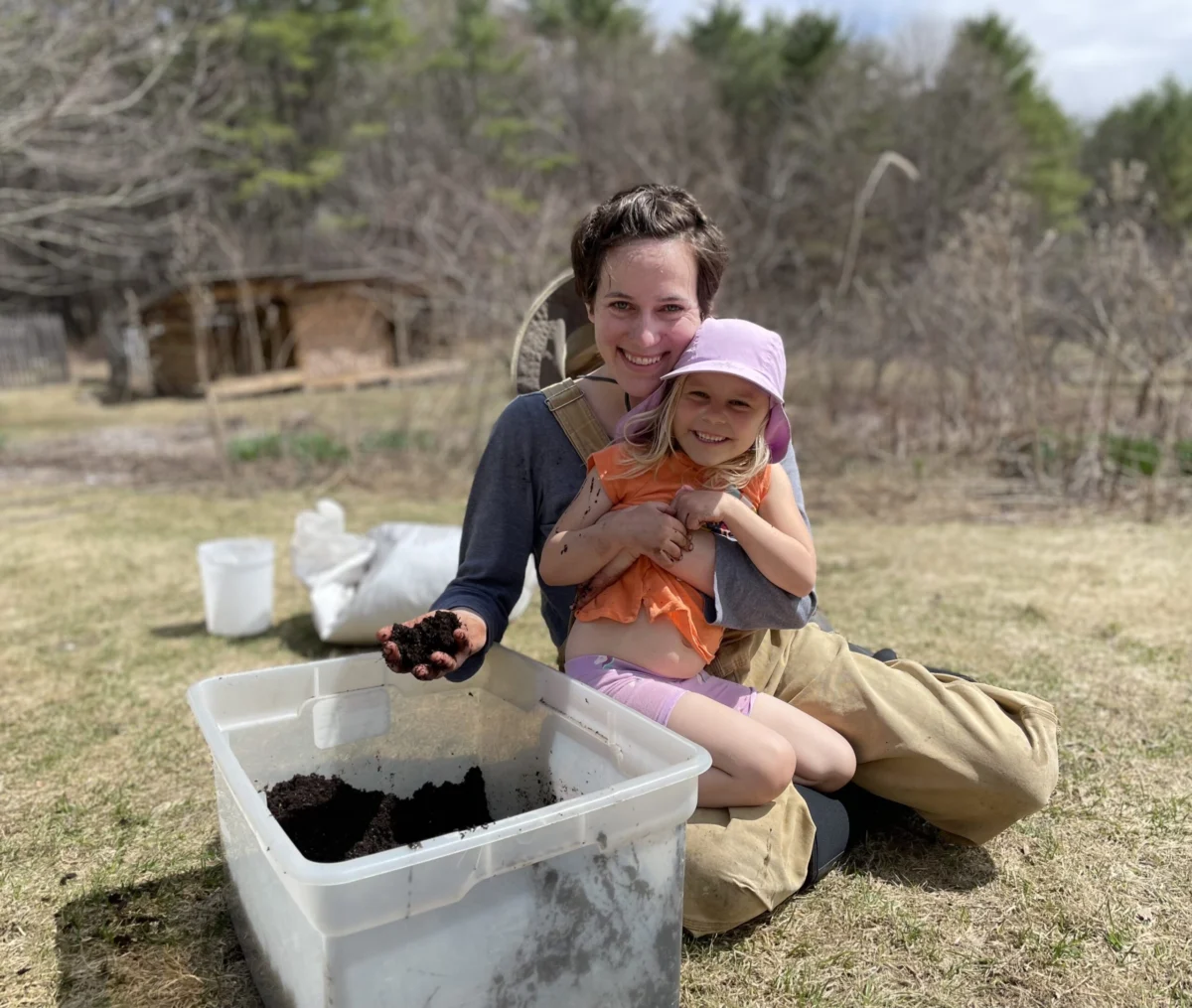
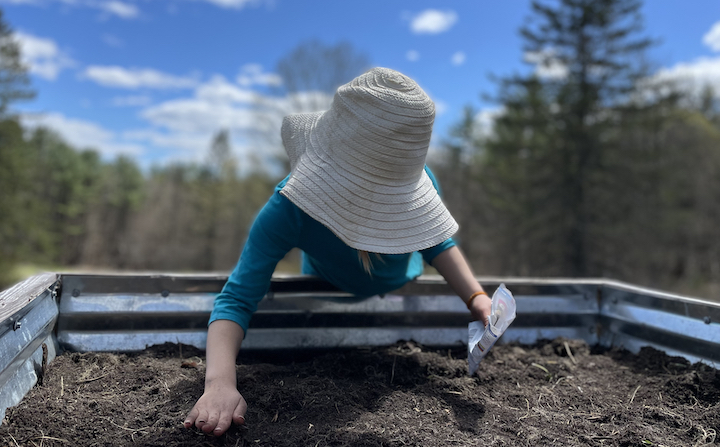
Located adjacent to the primary residence for ease of access, these four beds focus on high-rotation crops. Two beds are dedicated to strawberries, while the remaining two house kitchen herbs and salad greens (arugula, lettuce, spinach). This "kitchen garden" model reduces the labor of harvesting for daily meals.
2. The "Big" Vegetable Garden:
A fenced, large-scale area utilizing cattle panels for vertical growth. This zone focuses on annuals such as tomatoes, beans, squash, and pumpkins. By utilizing cattle panels as trellises, the family has reduced the time required for individual plant maintenance.

3. The Perennial Orchard:
The homestead features a significant investment in long-term food security, including:
- Apple and pear trees (6-year maturation period).
- Plum and cherry trees.
- High-bush blueberries (2-year maturation period).
- Elderberries, black currants, and raspberries.
- Asparagus and rhubarb.
Despite the volume of plants, the actual yield is frequently mitigated by environmental factors and local ecology.

Ecological Challenges and the "Clever Varmint Patrol"
A significant variable in rural food production is the competition from local wildlife, colloquially termed the "Clever Varmint Patrol" (CVP). The homesteaders have documented a consistent loss of high-value crops, such as plums and cherries, to predators that strike at the exact moment of ripeness.
The use of pesticides is rejected in favor of organic principles, but physical barriers have proven insufficient. For example, wild turkeys have been known to infiltrate fenced blueberry patches, requiring manual extraction. These ecological pressures create a high-risk environment for caloric production, where a year of labor can be negated by a single week of wildlife activity or an unseasonable frost.

Socio-Economic Implications of the Supplemental Model
The shift from total self-sufficiency to a supplemental model has broader implications for the modern homesteading movement. The Thames family has concluded that "chaining myself to my vegetable garden is really no different than chaining myself to my desk and computer." This realization addresses a common pitfall in lifestyle design: the replacement of one form of high-pressure labor with another.
By choosing to purchase a significant portion of their food from neighboring professional farmers, the homesteaders have moved toward a "community-supported" model. This approach offers several socio-economic benefits:

- Support for Local Economies: Direct financial support for full-time agricultural professionals who possess superior equipment and expertise.
- Time Wealth: Reclaiming hours previously lost to inefficient home processing, allowing for family activities and community participation.
- Waste Reduction: Professional farmers are better equipped to manage surplus, whereas home-scale surpluses often end in the compost bin.
Conclusion: Redefining the Rural Success Metric
After seven years on the land, the case of the Frugalwoods homestead suggests that the metric for a successful rural transition should not be total independence, but rather a balanced integration with the land and the local community. The "perfect homesteader" archetype—one who produces 100% of their sustenance—is increasingly viewed as an unrealistic and potentially detrimental goal for those seeking a higher quality of life.
The current reality for the 66-acre Vermont homestead is one of "acceptance." By scaling back production to a manageable level, the family has maintained the joy of gardening without the "stress and anxiety" of subsistence pressures. This pragmatic approach offers a more sustainable blueprint for those looking to relocate to rural environments: grow for pleasure, preserve for tradition, and rely on the community for the rest.

