
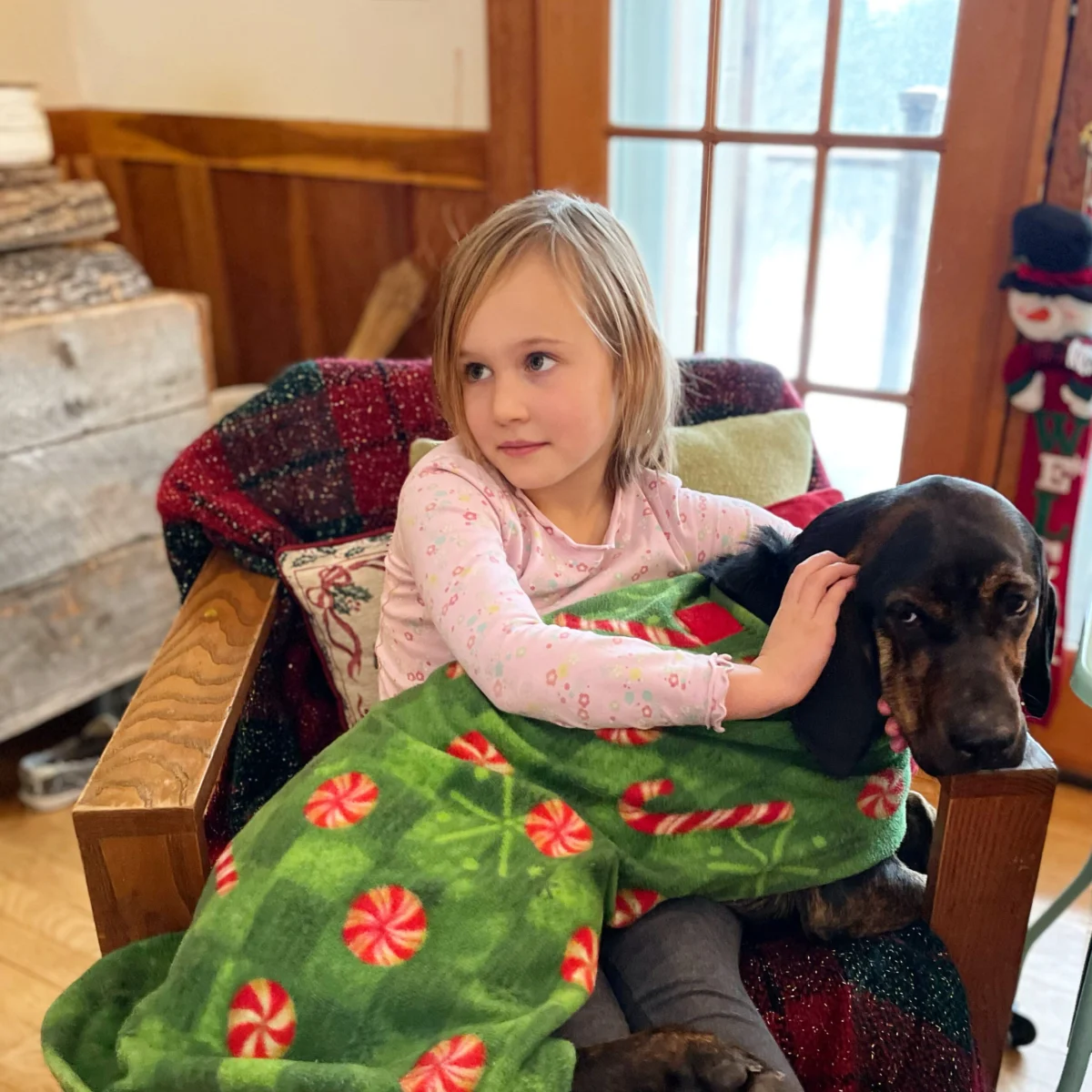
The complexities of animal rescue and the clinical challenges of canine separation anxiety were recently highlighted by the case of Genevieve, a hound discovered in rural Vermont. Known colloquially as Gigi, the dog was found emaciated and injured in late September 2022, leading to a four-month intensive effort by her adopters to integrate her into a domestic environment. Despite a total expenditure of $2,373.25 and the implementation of multiple behavioral and pharmacological interventions, the case ultimately resulted in the animal’s transfer to a specialized foster-based rescue. This development underscores a broader national conversation regarding the tenability of pet ownership when behavioral pathologies intersect with the logistical demands of modern family life.
Chronology of the Rescue and Adoption Effort
The timeline of Gigi’s case began in the final weeks of September 2022, when she was discovered in a state of advanced malnutrition on a private property in Vermont. Initial efforts to locate a registered owner were unsuccessful; the animal lacked identification tags, a microchip, and did not match any local reports of missing pets. Based on the animal’s breed and the regional context of rural Vermont, experts and the initial finders hypothesized that she was a bear-hunting dog that had become separated from her pack during a seasonal excursion.

On October 3, 2022, the family formally assumed ownership of the hound to prevent her from entering the municipal shelter system. While the animal demonstrated a docile temperament and high aptitude for social interaction with humans and children, a severe clinical pathology emerged almost immediately: profound separation anxiety. The owners reported that the dog was unable to remain alone for any duration exceeding five minutes without experiencing a systemic panic response, characterized by vocalization, pacing, and involuntary elimination.
Clinical Interventions and Behavioral Strategies
Over the subsequent four months, the owners engaged in a rigorous multi-tiered intervention strategy designed to desensitize the animal to human absence. This protocol was developed in consultation with professional canine trainers and veterinary staff.
The first tier of intervention involved standard behavioral modification. This included "graduated departure" exercises, where owners would leave the premises for increments as short as 30 seconds, returning to reward the animal for calm behavior. Despite consistent application, the dog remained unable to breach the five-minute threshold of isolation.
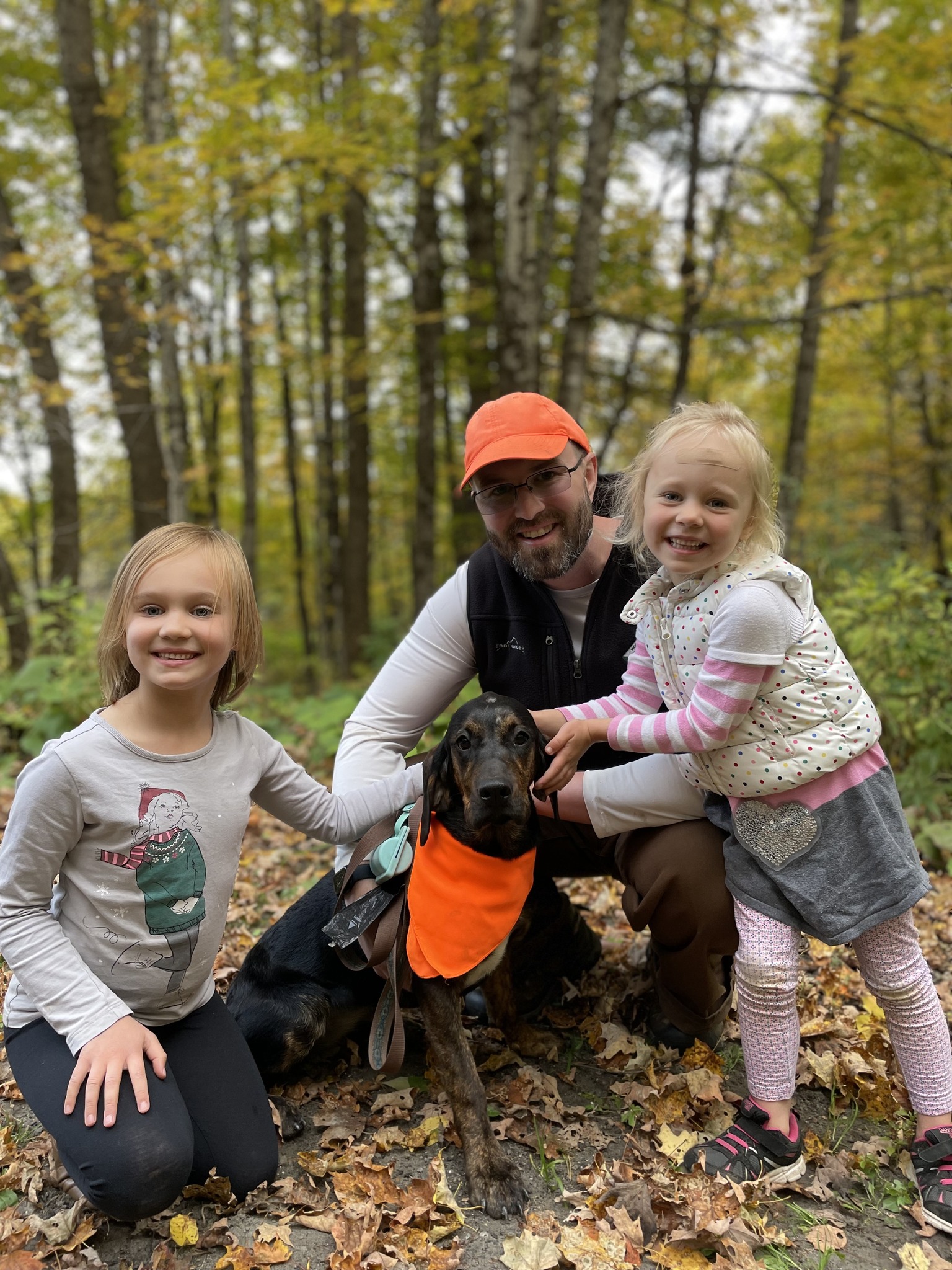
The second tier utilized technological aids to facilitate remote monitoring and positive reinforcement. The owners installed a high-definition camera system to observe the dog’s behavior in real-time. This was later upgraded to a remote-activated treat-dispensing system, allowing for the delivery of rewards from a distance. These measures, while providing data on the severity of the animal’s distress, failed to mitigate the underlying panic response.
The third tier was pharmacological. Under veterinary supervision, the dog was prescribed a sequence of medications of increasing potency. These included mild anti-anxiety agents, followed by sedatives, and eventually tranquilizers. The owners documented that even under the influence of these medications, the dog’s physiological response to isolation remained unchanged, presenting a significant challenge to the veterinary team.
Financial Expenditure Analysis
The Gigi case provides a detailed look at the "hidden" costs of pet rescue, particularly when dealing with animals that have unknown medical histories or specialized behavioral needs. The total cost of $2,373.25 over a 120-day period significantly exceeds the average annual cost of maintaining a healthy pet.

A categorical breakdown of the expenses reveals the following:
- Medical and Preventative Care: $911.98. This included the initial emergency vet visit, comprehensive vaccinations, de-worming, microchipping, and multiple follow-up consultations specifically for anxiety.
- Behavioral and Technological Support: $278.77. This covered professional training sessions, a monitoring camera, and a specialized remote treat dispenser.
- Direct Support and Adoption Costs: $600.00. This amount was paid to the foster-based rescue organization to cover the costs of spaying and future adoption preparation.
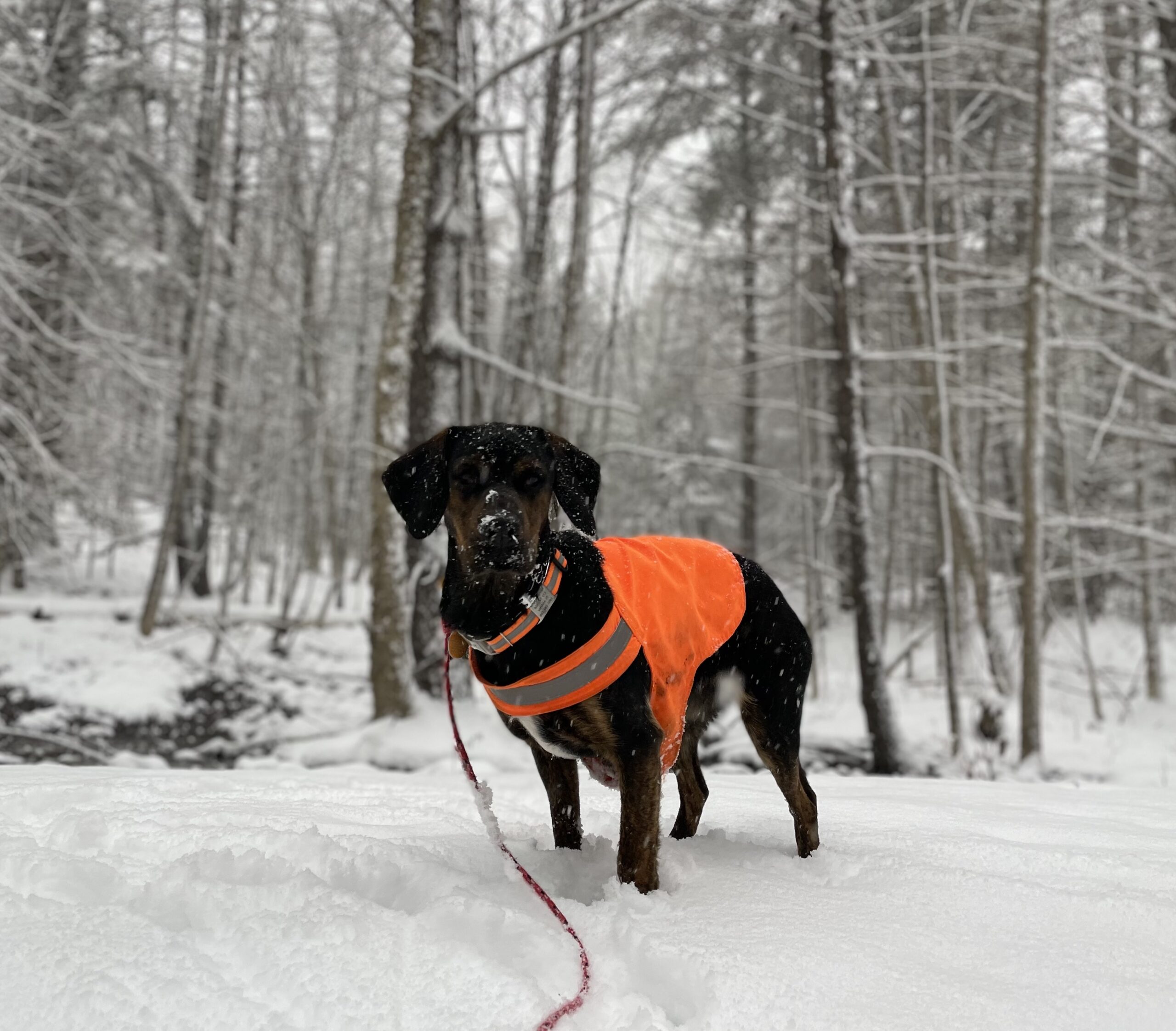
- Supplies and Nutrition: $582.50. This included high-calorie food for weight gain, bedding, toys, cold-weather gear (booties and an orange vest for hiking safety), and specific calming aids like extra-large Kong toys.
When compared to the owners’ previous experience with a retired racing greyhound—who cost approximately $930 annually—the Gigi case represents a nearly 700% increase in monthly maintenance costs. This data highlights the financial volatility inherent in adopting stray or high-needs animals, a factor that animal welfare organizations suggest prospective owners must consider during the "honeymoon phase" of adoption.
The Psychology of the Pack: Inferred Perspectives
While direct statements from the dog are impossible, behavioral observations by the foster-based rescue organization provided critical context for Gigi’s condition. Upon her return to a rescue environment, it was noted that the animal’s separation anxiety vanished when in the presence of other dogs.

This observation supports the "pack animal" theory. For dogs bred for group hunting, such as hounds, the presence of a canine pack is a fundamental requirement for psychological stability. In a domestic setting where she was the sole animal, the absence of humans was likely interpreted as total abandonment by her "pack." The rescue organization confirmed that Gigi was successfully rehomed into a household with multiple other dogs, where she reportedly thrives without the need for pharmacological intervention.
From a journalistic perspective, this outcome suggests that "failed adoptions" are often not failures of effort or compassion, but rather a mismatch between an animal’s innate biological needs and the environment of a specific household.
Broader Impact and Implications for the Rescue Community
The case of Gigi mirrors a growing trend in the post-pandemic era, where animal shelters have reported an increase in surrenders due to behavioral issues, specifically separation anxiety. According to data from the American Veterinary Medical Association (AVMA), separation anxiety is one of the most common reasons for the severance of the human-animal bond.
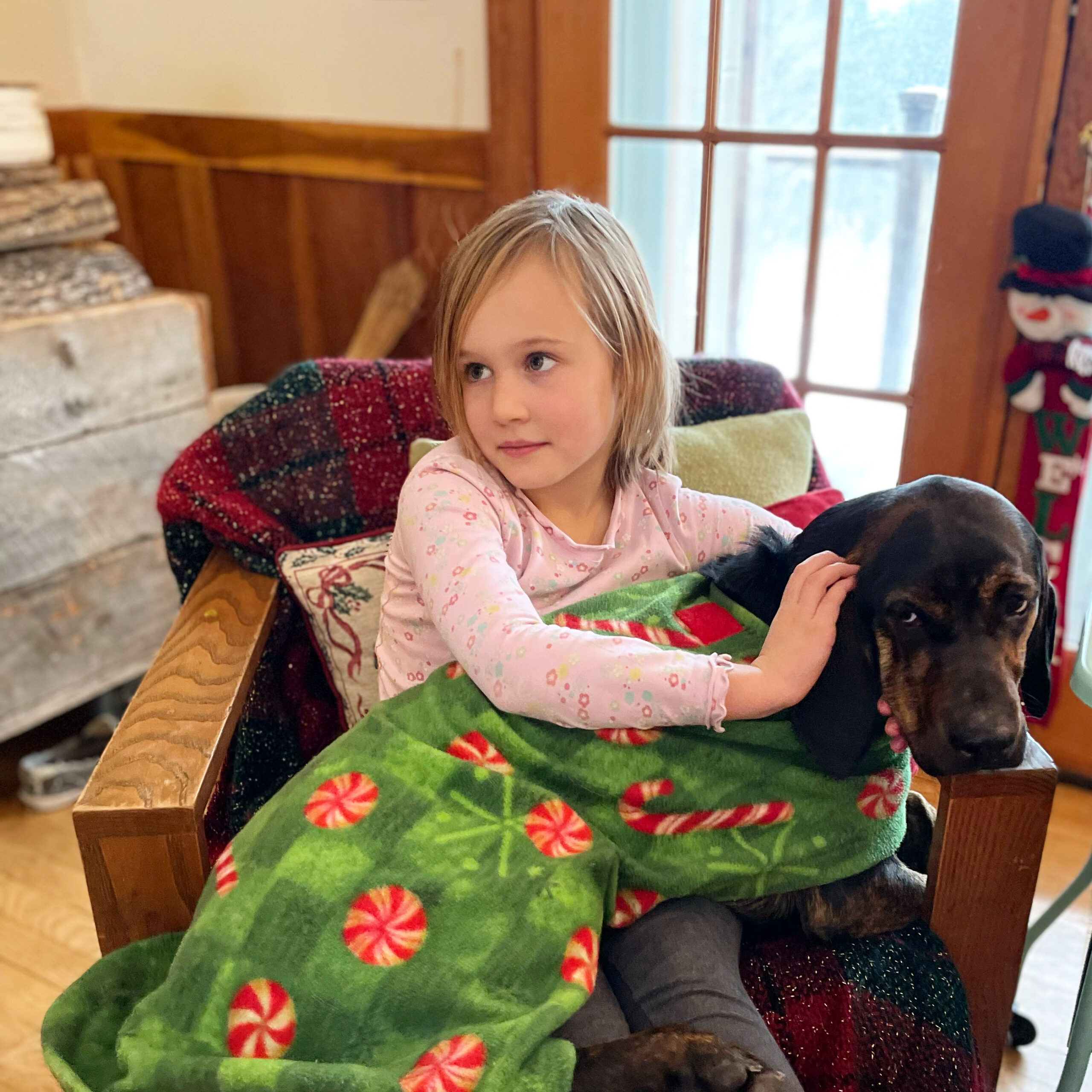
The broader implications of this case are twofold. First, it highlights the necessity of "breed-specific awareness" in rescue. Hounds, particularly those from working or hunting backgrounds, may possess social requirements that differ vastly from those of companion breeds. Second, it underscores the logistical strain on families. The owners in this case noted that the dog’s condition necessitated a "split-parent" strategy, where one adult was required to remain at the residence at all times, preventing family participation in communal activities such as church, school events, or recreational trips.
Veterinary behaviorists often point out that when a pet’s needs begin to negatively impact the mental health or functional capacity of the human family members, the situation becomes unsustainable. The decision to rehome, while emotionally taxing, is increasingly viewed by welfare professionals as a responsible act of "re-matching" rather than an admission of failure.
Environmental Context and Secondary Factors
The narrative of Gigi’s rescue was also set against the backdrop of significant environmental challenges in Vermont. The owners noted that during the period of Gigi’s residency, the region experienced severe weather events, including torrential rains that impacted local infrastructure. While the family’s residence remained secure, the recurring costs of property maintenance—such as the repair of a quarter-mile driveway damaged by flooding—compounded the financial and emotional stress of the period.
This context is vital for understanding the "total cost" of pet ownership. Pet owners do not live in a vacuum; unexpected veterinary or behavioral costs often coincide with other life stressors, creating a cumulative pressure that can force difficult decisions regarding pet retention.
Conclusion
The story of Genevieve the hound serves as a case study in the realities of the modern animal rescue movement. It illustrates the high financial stakes, the limits of medical science in treating complex behavioral pathologies, and the importance of environmental fit. While the family incurred significant financial loss and emotional distress, the intervention ultimately saved the animal’s life, provided necessary medical stabilization, and ensured her placement in an environment tailored to her specific psychological needs. For the broader public, the case serves as an illuminating example of the "return on investment" in pet ownership: one that is measured not in financial gain, but in the successful, if sometimes difficult, navigation of the responsibilities of stewardship.

