
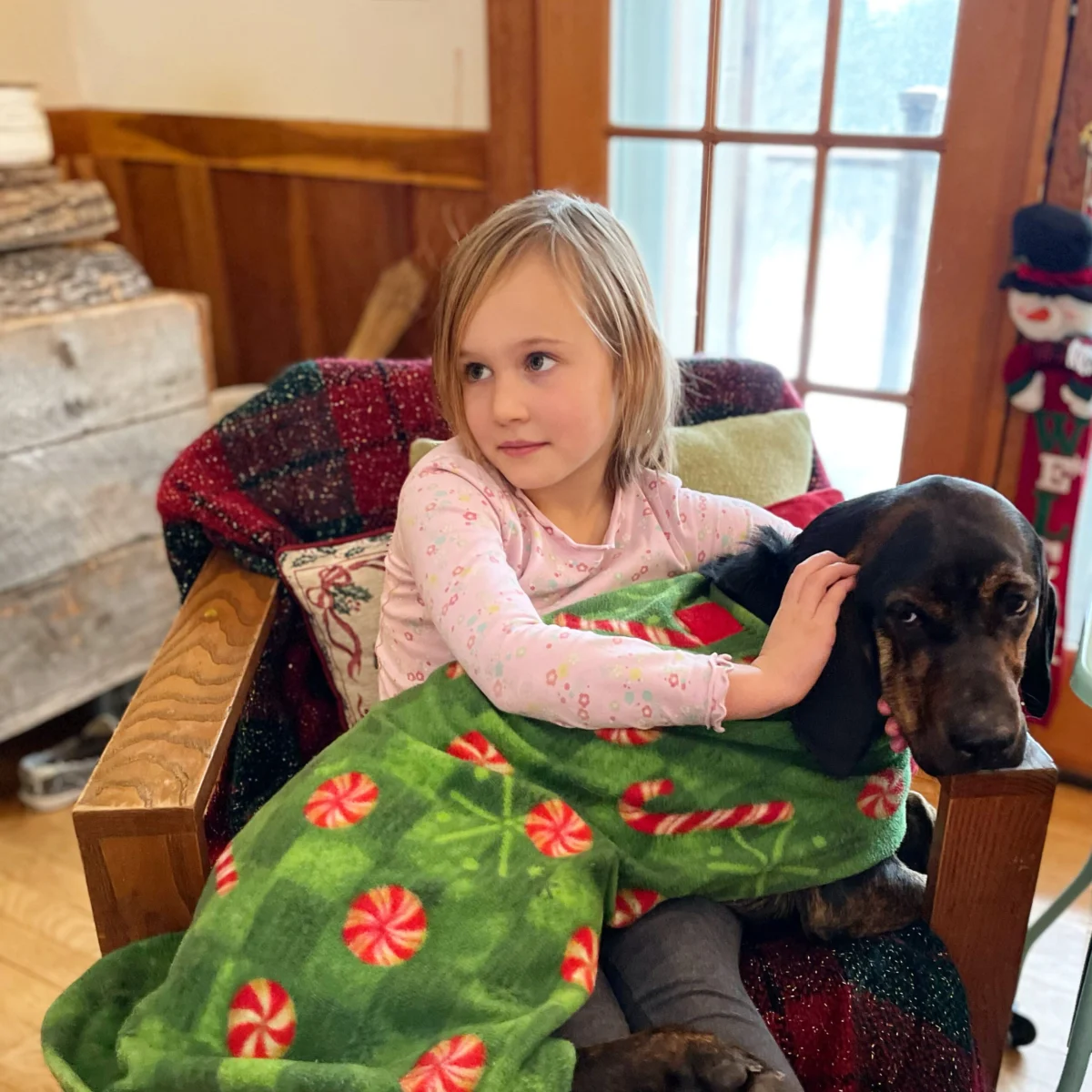
The decision to rehome a domestic pet is often fraught with emotional distress and social stigma, yet it remains a reality for many families who encounter insurmountable behavioral challenges. A recent case study involving a Vermont family and an abandoned hound named Genevieve, colloquially known as Gigi, highlights the intersection of animal welfare, financial transparency, and the logistical limitations of modern family life. After four months of intensive intervention and an expenditure exceeding $2,300, the family concluded that the dog’s severe separation anxiety necessitated a transition to a multi-dog environment. This report examines the chronology of the rescue, the clinical attempts to mitigate the animal’s distress, and the broader implications of pet ownership costs in the United States.
Chronology of the Genevieve Rescue and Adoption
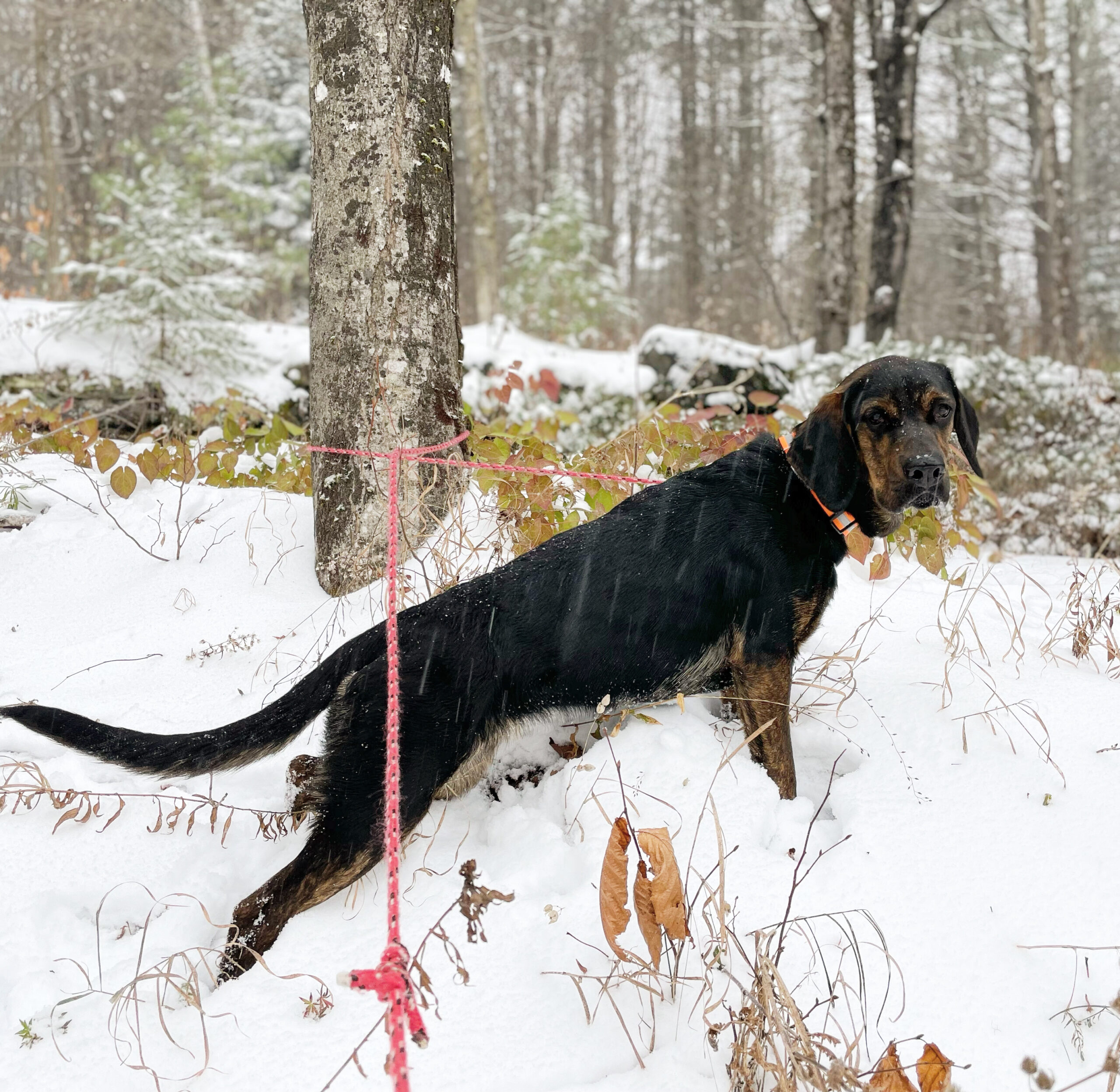
The narrative of Genevieve begins in late September 2022, when the animal was discovered in a state of physical neglect. Found in a rural Vermont yard, the hound was emaciated and covered in scratches, suggesting a period of prolonged exposure to the wilderness. Initial efforts to locate an owner were unsuccessful; the dog lacked identification tags and a microchip, and public advertisements yielded no claimants. Local observers and the eventual adopters theorized that Genevieve was a displaced bear hunting dog, a common occurrence in the Northeast where hounds are trained to work in packs and may become separated during a chase.
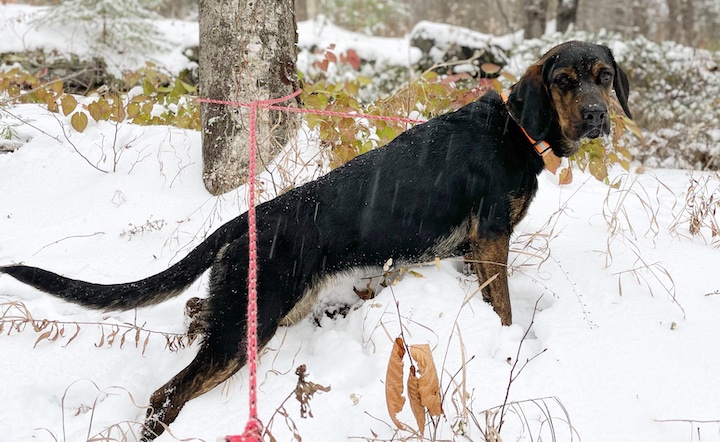
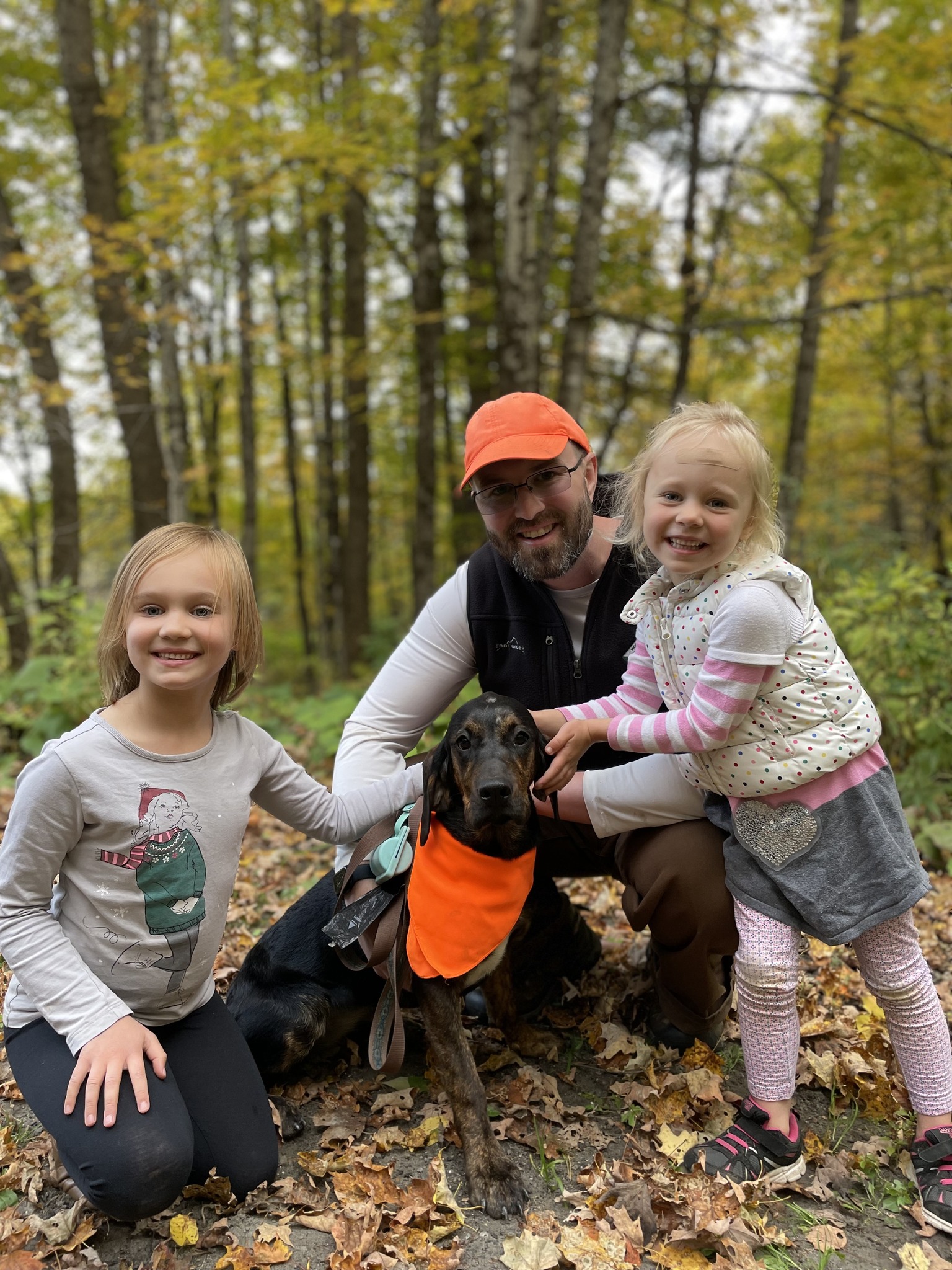
On October 3, 2022, the family formally took custody of the dog to prevent her placement in a municipal shelter. For the first several weeks, the animal, renamed Gigi, appeared to integrate successfully into the household, which included two young children and two adults. She demonstrated proficiency in basic commands and showed no aggression. However, a critical behavioral issue soon emerged: a profound inability to remain alone. This condition, clinically recognized as canine separation anxiety (CSA), manifested in panic attacks, vocalization, and the loss of bladder and bowel control within minutes of human departure.
Behavioral Interventions and Clinical Challenges
The family’s attempt to resolve Gigi’s separation anxiety followed a multi-disciplinary approach, encompassing behavioral modification, technological monitoring, and pharmacological support. According to veterinary experts, CSA affects an estimated 14% to 20% of the canine population in the United States, often stemming from past trauma or a genetic predisposition to pack-oriented social structures.
The Behavioral Regimen
Under the guidance of a professional dog trainer, the family implemented a systematic desensitization program. This process involved "threshold training," where the owners would exit the home for extremely brief intervals—starting at 30 seconds—and return to reward calm behavior. Despite consistent application, the animal was unable to surpass a five-minute threshold before escalating into a panic state. The trainer noted that while the dog was exceptionally well-adjusted in the presence of humans, the panic response to isolation was "flummoxing" and resistant to standard conditioning.
Technological and Environmental Strategies
In an effort to manage the situation remotely, the owners installed a series of surveillance and interactive tools. A standard indoor camera was initially used to monitor crate behavior. When observation alone failed to provide relief, the family upgraded to a remote-controlled treat dispenser. This device allowed the owners to observe the dog via a smartphone application and dispense treats to reinforce calm behavior from a distance. Furthermore, the family utilized high-value enrichment tools, such as extra-large Kong toys stuffed with food, to provide a distraction. These interventions proved ineffective, as the dog’s high-arousal state precluded interest in food or toys once the owners were out of sight.
Pharmacological Intervention
When behavioral and environmental modifications reached an impasse, the family turned to veterinary medicine. A tiered pharmacological strategy was employed, beginning with mild anti-anxiety medications. When these failed to suppress the panic response, the veterinarian prescribed mild sedatives, followed by tranquilizers. Despite this escalating medical intervention, the dog’s physiological response to being left alone remained unchanged. The inability of sedatives to override the "fight or flight" response is a documented phenomenon in severe CSA cases, where the neurological drive for social proximity outweighs the chemical effects of the medication.
A Financial Audit of Four Months of Pet Ownership
The financial burden of attempting to stabilize a high-needs pet is a significant factor in rehoming decisions. The family tracked their expenditures over the four-month period, revealing a total cost of $2,373.25. This figure stands in stark contrast to the national average for dog ownership, which the ASPCA estimates at approximately $1,391 annually for a medium-sized dog.
The breakdown of costs for Genevieve included:
- Medical and Preventative Care: $1,153.98 (Including initial vaccinations, de-worming, microchipping, two subsequent vet visits, and multiple courses of medication).
- Rescue and Rehoming Fees: $600.00 (Covering spaying and the costs associated with the transition to a foster-based rescue).
- Food and Supplies: $386.92 (Including high-quality kibble, beds, treats, and seasonal items like a hiking vest and snow booties).
- Training and Technology: $278.77 (Professional training sessions and two types of surveillance cameras).
- Administrative: $13.00 (Town licensing).
The data illustrates that the "sunk cost" of a rescue animal can rapidly exceed the budget of an average household. For comparison, the family’s previous dog, a retired racing greyhound, cost approximately $930 per year—less than half of what was spent on Genevieve in just one-third of a year.
The Sociological Impact of Pet Rehoming
The decision to relinquish Genevieve was precipitated by the realization that the family’s lifestyle was no longer sustainable. The requirement that one adult remain at home at all times led to the cessation of family activities, including church attendance, school events, and recreational excursions. In a journalistic interview or statement, the owners expressed that the stress of the situation was being internalized by their children, ages five and seven.

The family ultimately contacted a foster-based rescue organization. Upon assessment, the rescue discovered a vital piece of the behavioral puzzle: Genevieve showed no signs of anxiety when left alone if other dogs were present. This confirmed the theory that as a former hunting hound, her identity and security were tied to a "pack" rather than just human companionship. Genevieve was subsequently adopted by a household with multiple other dogs, where she is reported to be thriving.
Regional Context: The Hunting Dog Legacy in Vermont
The case of Genevieve is not an isolated incident in rural New England. Vermont’s hunting culture often involves the use of hounds for tracking bear and deer. These dogs are bred for stamina and social cohesion within a pack. When these dogs get lost or are abandoned after a hunting season, they often struggle to adapt to the "only dog" lifestyle of a suburban or rural family home. Rescue organizations in the region frequently highlight the difficulty of transitioning working hounds into domestic pets, noting that their biological drive for a canine hierarchy is often misinterpreted as a lack of training or general anxiety.
Broader Implications and Future Outlook
The experience of the Vermont family serves as a cautionary but informative tale regarding the realities of pet adoption. It underscores the importance of "fit" over "intent." While the family provided ample resources and affection, the dog’s specific psychological needs—namely, the presence of other canines—could not be met in their current household structure.
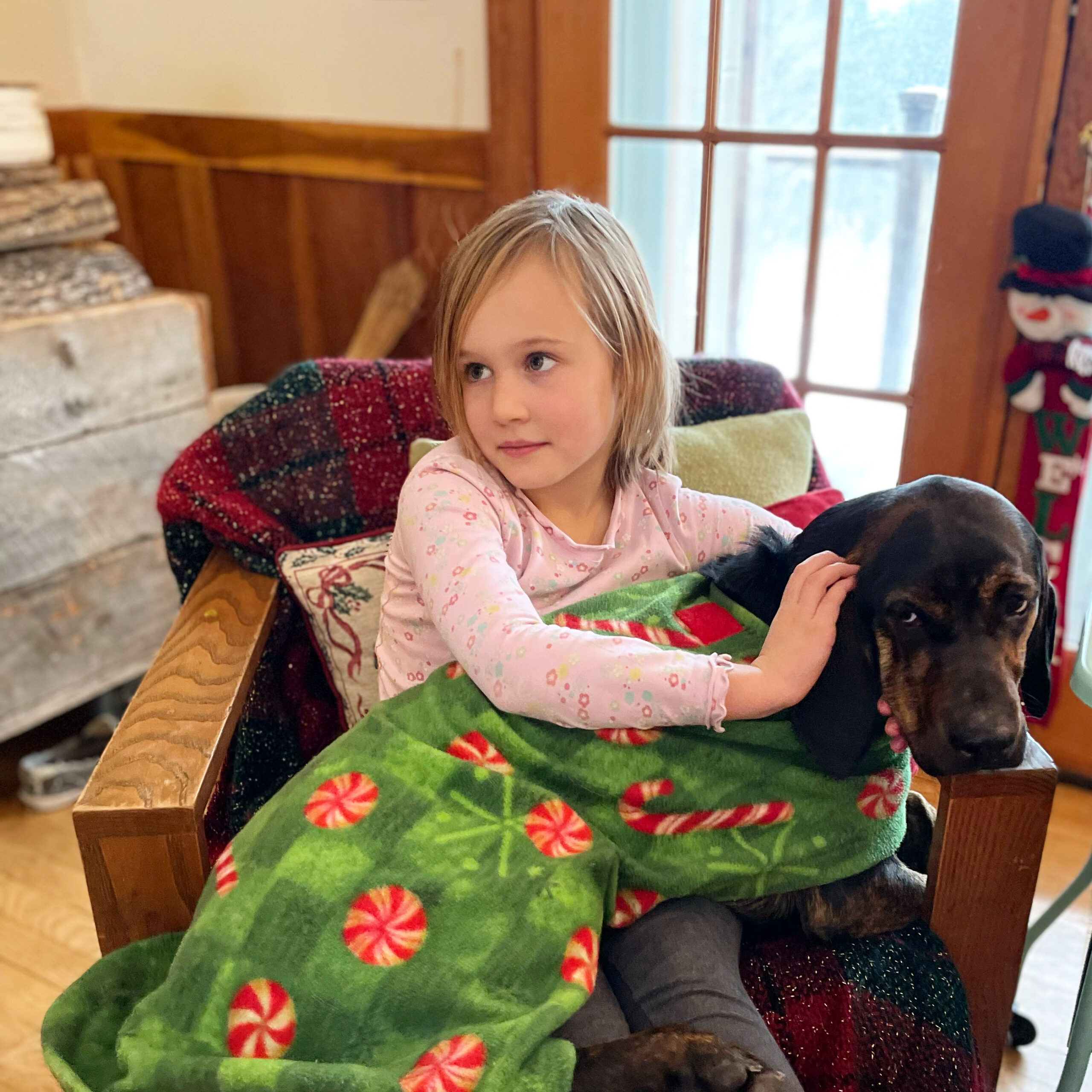
The family has since shifted to a "part-time" pet ownership model, providing dog-sitting services for friends. This allows the children to interact with animals without the long-term financial and logistical commitment of a high-needs pet. This model is gaining popularity among families who prioritize flexibility and the ability to travel or engage in community events without the constraints of pet management.
In a separate development, the family also noted the impact of recent environmental stressors in Vermont. Torrential rains and subsequent flooding in 2023 caused significant damage to local infrastructure, including the family’s quarter-mile driveway. While their residence remained dry, the cost of property repairs added another layer of financial complexity to a year already marked by the high costs of Genevieve’s care. These overlapping events highlight the unpredictable nature of rural living and the necessity of financial liquidity for both property and animal welfare.
Ultimately, the story of Genevieve the Hound is one of successful rehoming despite initial failure. It reframes rehoming not as a failure of the owner, but as a necessary pivot to ensure the welfare of the animal. Genevieve’s transition from a malnourished stray to a member of a canine pack in a permanent home represents a positive outcome for the animal, achieved through the transparency and persistence of her initial rescuers.

