
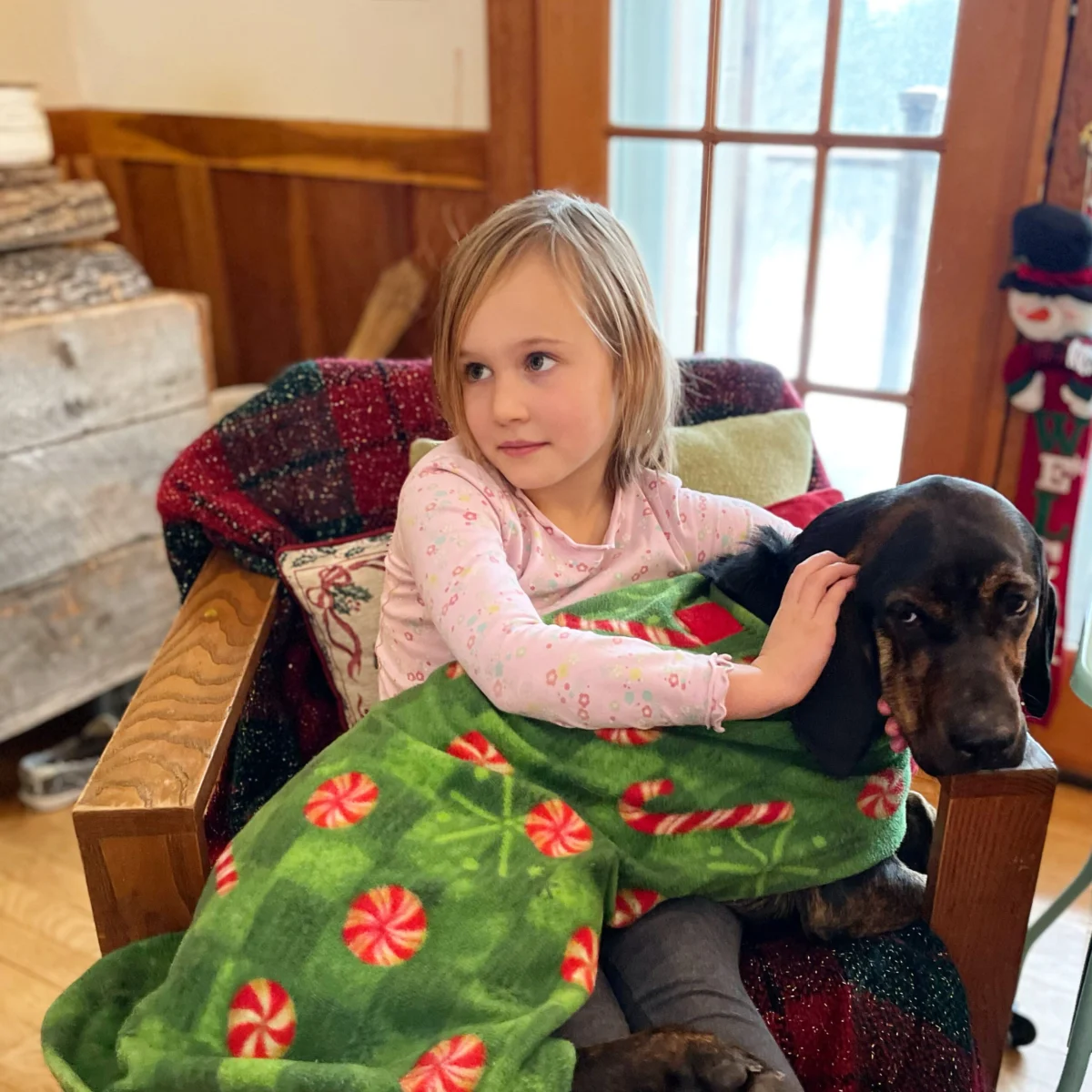
The adoption of a rescue animal is frequently framed as a singular act of altruism, yet the long-term reality often involves a complex intersection of behavioral science, significant financial investment, and difficult lifestyle adjustments. A recent case involving a hound named Genevieve, colloquially known as Gigi, provides a detailed look into the challenges faced by families who encounter severe canine separation anxiety. This case study explores the timeline of rescue, the multi-pronged approach to behavioral intervention, and the eventual realization that some domestic environments are fundamentally incompatible with specific animal needs.

The Discovery and Initial Integration of Genevieve
In late September 2022, a female hound was discovered in a state of physical distress in rural Vermont. The dog, later named Genevieve, appeared emaciated and covered in scratches, suggesting a period of prolonged exposure to the elements. Upon discovery, the finders conducted a standard search for the owner, including checking for identification tags, scanning for a microchip at a veterinary clinic, and placing advertisements with the animal’s photograph. No owner came forward, and no microchip was detected.
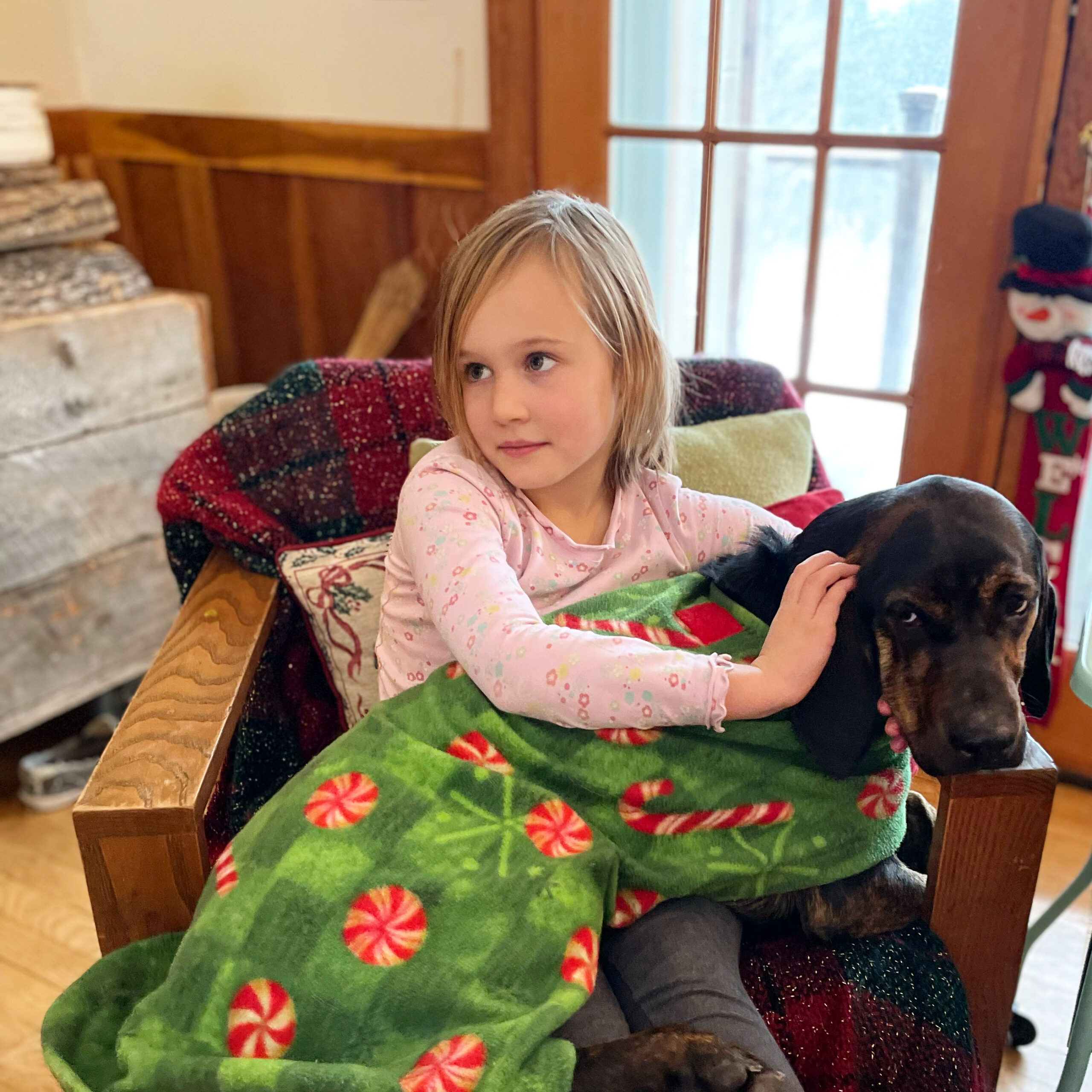
Veterinary experts and the rescue family hypothesized that Gigi was likely a bear-hunting dog who had become separated from her pack. Hunting hounds in rural regions are often bred for high-stamina outdoor work and typically live in pack environments. On October 3, 2022, the dog was officially integrated into a local family home. While Gigi initially demonstrated a calm temperament and an affinity for human interaction—specifically showing patience with young children and an aptitude for hiking—a critical behavioral deficit soon emerged: an inability to remain alone.
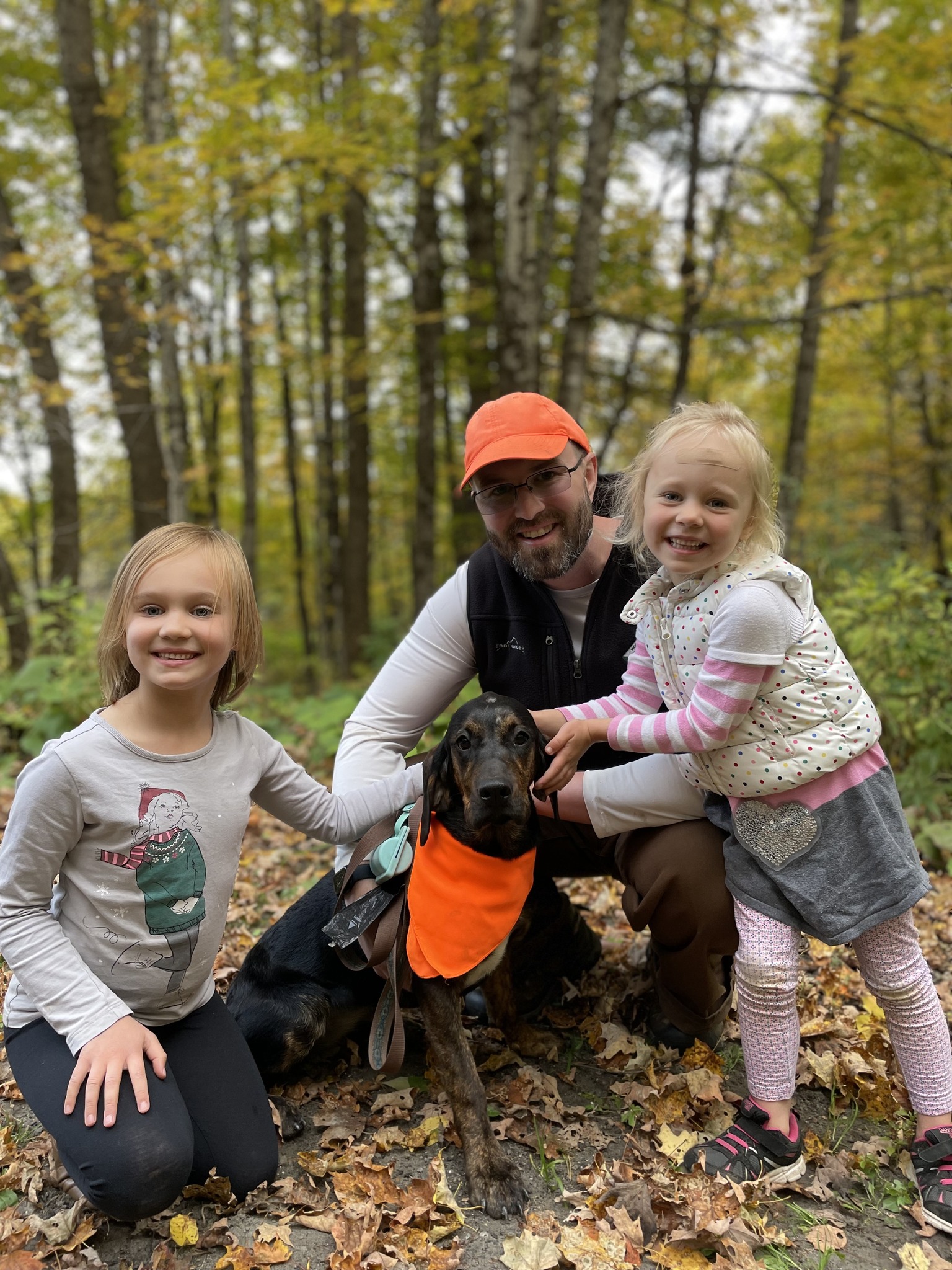
Chronology of Behavioral Intervention
The family’s attempt to stabilize Gigi’s behavior followed a logical progression from standard training to technological assistance and, finally, medical intervention. This chronology illustrates the exhaustive efforts often required when dealing with severe separation distress.
October 2022: Behavioral Conditioning
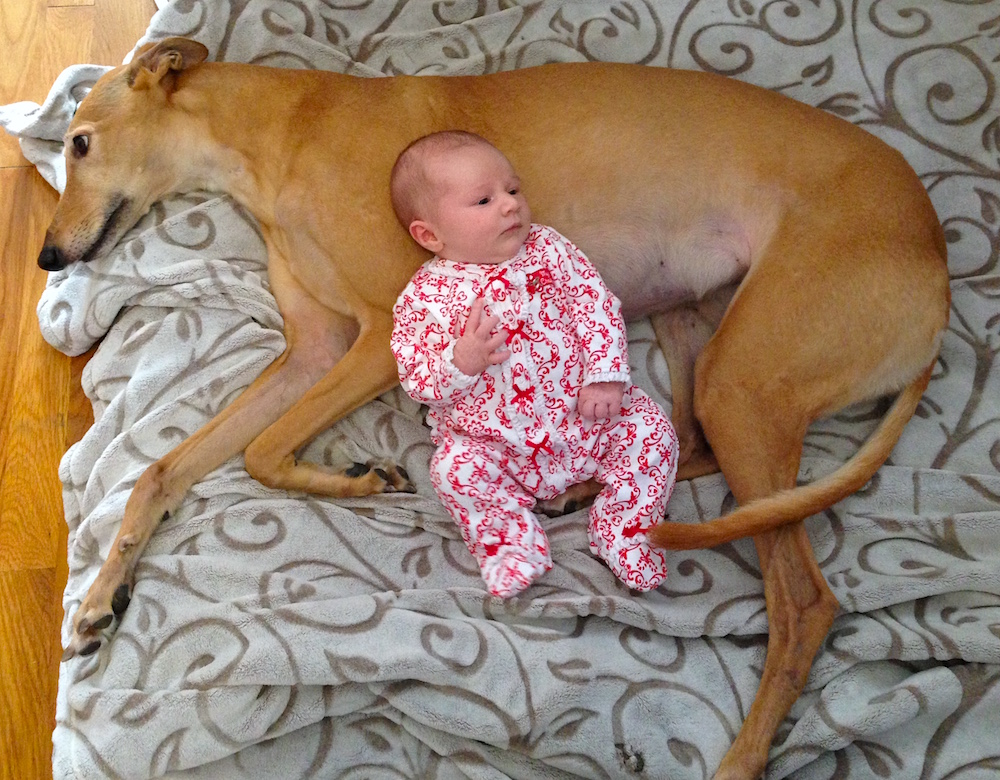
Initial efforts focused on crate training, a method that had proven successful with the family’s previous pet, a retired racing Greyhound. While Gigi utilized the crate voluntarily for sleeping and as a retreat from household activity while humans were present, the transition to "solitary crating" triggered immediate panic. The family engaged a professional dog trainer to implement a desensitization regimen. This involved the owners leaving the house for increments as short as 30 seconds, returning to reward calm behavior. Despite consistent application, Gigi was unable to remain calm for more than five minutes before manifesting symptoms of a panic attack.

November 2022: Technological Monitoring and Reinforcement
To better understand the dog’s behavior during absences, the owners installed a remote camera system. Observations revealed that Gigi would engage in "pacing, vocalization, and elimination" (urination and defecation) almost immediately upon the owners’ departure. In response, a remote-operated treat dispenser was integrated. This device allowed the owners to monitor the dog via a smartphone app and dispense high-value treats when she displayed moments of stillness. This technological intervention failed to mitigate the physiological response Gigi experienced when left alone.
December 2022 – January 2023: Pharmacological Intervention
Following the failure of behavioral and technological methods, the family turned to veterinary medicine. Over a two-month period, a series of medications were prescribed in an attempt to lower the dog’s anxiety threshold. This included mild anti-anxiety medications, followed by mild sedatives, and eventually, more potent tranquilizers. According to the family’s records, none of these pharmacological treatments effectively curbed the panic attacks or the subsequent "poop-covered" state of the dog and crate upon their return.

The Economic Impact of Specialized Care
The financial commitment required to support a high-needs rescue animal is often underestimated. While the average annual cost of a healthy dog typically ranges from $700 to $1,500 depending on breed and size, Gigi’s four-month residency resulted in an expenditure of $2,373.25.
A breakdown of these costs provides a granular look at the price of specialized intervention:
- Veterinary Care and Diagnostics: $911.98 (Including initial shots, de-worming, microchipping, and multiple follow-up visits for anxiety).
- Rehoming and Spaying Fees: $600.00 (Donated to the rescue organization to cover surgical and administrative costs).
- Behavioral Training and Technology: $278.77 (Including professional sessions, a Wyze camera, and a remote treat-dispensing camera).
- Maintenance and Enrichment: $582.50 (Including high-quality food, specialized toys like XL Kongs, winter gear such as snow booties and high-visibility vests, and Christmas-related items).
This data highlights a significant "cost-per-month" of approximately $593, which is nearly eight times the monthly cost of the family’s previous dog, who averaged $77.50 per month. These figures underscore the necessity of a financial "safety net" for those adopting rescue animals, as behavioral issues can lead to rapid capital depletion.
The Decision to Rehome: Analysis of Lifestyle Compatibility
The resolution of Gigi’s case came after four months of unsuccessful interventions. The family identified that their "active lifestyle"—which included school events, church attendance, and family excursions—was fundamentally at odds with a dog that required 24-hour human or canine presence. The psychological toll on the family, including the children, became a primary factor in the decision.

In early 2023, Gigi was surrendered to a foster-based rescue organization. The rescue’s subsequent assessment provided a critical piece of information: Gigi did not necessarily require human presence, but she did require the presence of other dogs. When placed in an environment with a "pack," her separation anxiety vanished. This confirmed the theory that her background as a hunting hound had hard-wired her for pack-based living. Gigi was eventually adopted by a household with multiple other dogs, where she is reportedly thriving without the need for medication.
Broader Implications for Pet Ownership and Rescue
The case of Genevieve the Hound serves as a cautionary but informative narrative for the broader public. It highlights several key takeaways for prospective pet owners and animal welfare advocates:
- The "Pack" Factor: For certain breeds, particularly those from working or hunting lineages, a single-dog household may be inherently stressful. Understanding the breed’s historical function is vital for a successful match.
- The Limits of Training: While positive reinforcement and desensitization are the gold standards for behavioral modification, some physiological responses to isolation are too deeply ingrained to be solved through standard owner-led training.
- The Ethics of Rehoming: This case challenges the stigma associated with returning or rehoming a pet. When a domestic environment causes an animal chronic physiological distress (panic attacks, self-soiling), finding a more compatible environment is a responsible act of animal welfare rather than a failure of ownership.
- Financial Resilience: The sudden onset of a $2,000+ expense within four months illustrates why financial stability is a prerequisite for responsible pet ownership.
Environmental Context: The Vermont Floods
The challenges of pet ownership for this family were further complicated by external environmental stressors. In the period following Gigi’s rehoming, the region of Vermont experienced catastrophic flooding. While the family’s residence remained dry, their infrastructure—specifically a quarter-mile driveway—was severely damaged by torrential rain. Such events serve as a reminder that the "unexpected expenses" of life, whether they be a high-needs pet or a natural disaster, require a robust approach to financial planning and household management.
Conclusion
The story of Gigi is a testament to the complexities of the human-animal bond. It demonstrates that love and financial resources are sometimes insufficient to overcome deep-seated behavioral mismatches. By placing Gigi in a multi-dog environment, the family ultimately prioritized the animal’s long-term health over their personal desire to keep her. For the veterinary and rescue communities, this case reinforces the importance of thorough behavioral assessments and the recognition that "success" in rescue sometimes means finding the right home, even if it is not the first home.

