
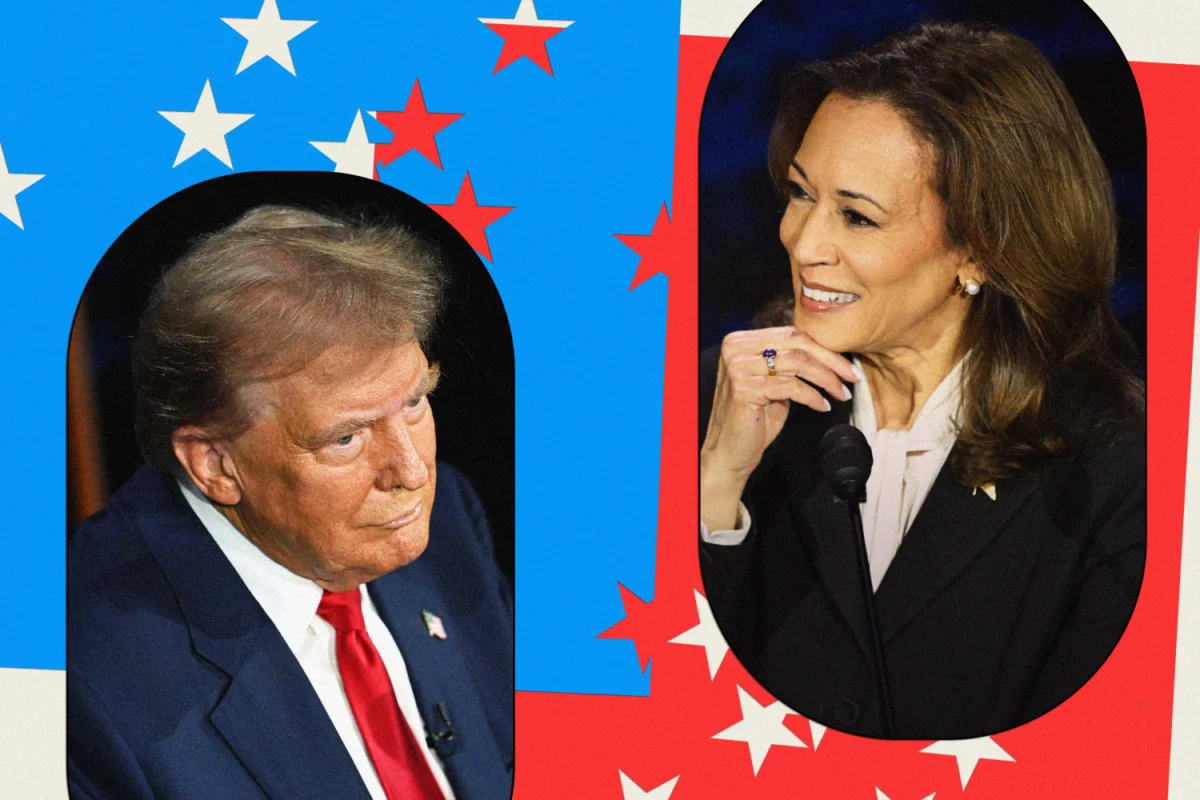
As the United States enters another pivotal election year, the national discourse is predictably dominated by political candidates vying for public support. While voters typically focus on a broad spectrum of issues, economic performance consistently emerges as a central theme. This year, the debate surrounding the U.S. economy, national wealth, and individual financial well-being has become particularly pronounced, often characterized by simplified or emotionally charged arguments rather than comprehensive economic analysis. For financially literate individuals, understanding the nuances of economic policy and performance is crucial to discerning political rhetoric from factual reality.
Political campaigns frequently employ economic narratives to sway undecided voters, particularly in swing states. These narratives, however, often prioritize emotional appeal over sound economic principles, leading to widespread misperceptions about the nation’s financial health. A notable example in the current cycle involves the incumbent administration being criticized by the opposing party for a "bad economy," despite numerous indicators suggesting robust economic health.
The Disconnect: Public Perception Versus Economic Data
Paradoxically, while the U.S. economy exhibits significant strength, public sentiment often lags or contradicts official data. The nation currently boasts historically low unemployment rates, a strong job market, and consistent GDP growth. For instance, the unemployment rate has hovered near 50-year lows, signifying a tight labor market where job opportunities are readily available. Gross Domestic Product (GDP) has shown resilience, demonstrating the economy’s capacity for sustained output and expansion. These metrics typically define a healthy economic environment.
The recent period of higher inflation, which peaked in mid-2022 and has since moderated significantly to approximately 2.4% year-over-year, is often cited as a sign of economic distress. However, from an economic perspective, moderate inflation can also be indicative of strong demand and a thriving economy that requires careful calibration through monetary policy adjustments, such as increased interest rates, to prevent overheating.
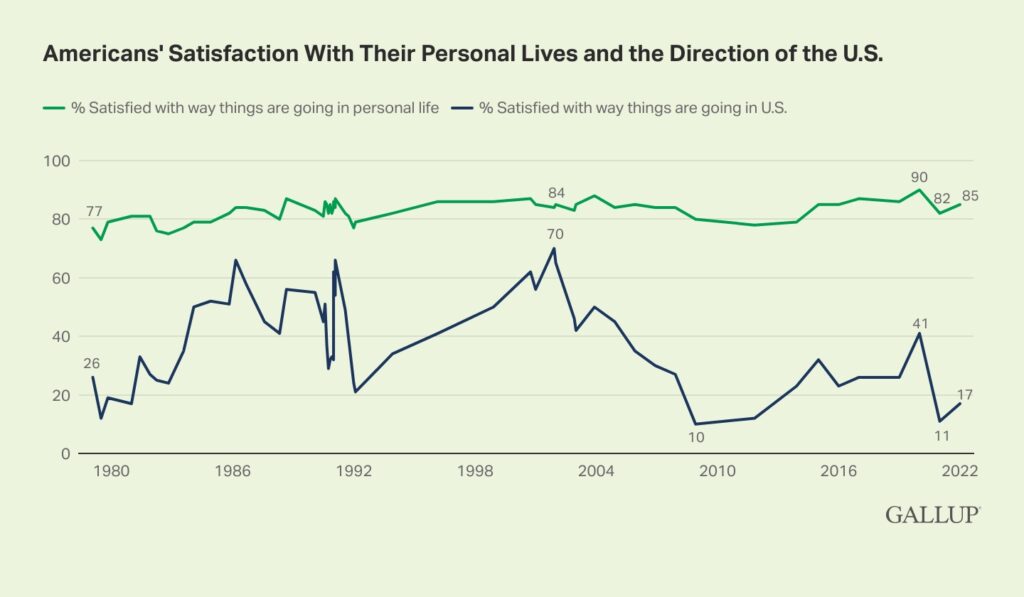
A Gallup poll illustrates this striking disconnect: while a substantial majority of Americans (around 85%) report personal financial well-being, only a small fraction (approximately 17%) believe the national economy is performing well. This divergence suggests that individuals recognize their own prosperity but attribute it to personal fortune rather than a broader positive economic climate. Such a statistical anomaly, where widespread individual success does not translate into a perception of collective economic health, raises questions about the influence of information channels, including social media, in shaping public opinion. Economic literacy is therefore not just an academic pursuit but a practical tool for empowering citizens to make informed decisions and understand the true state of their financial world.

Debunking Economic Myths: A Deeper Dive
To foster a more informed understanding, it is essential to critically examine some common economic myths perpetuated in political discourse:
Myth 1: The President Controls the Economy
A prevalent theme in election campaigns is the attribution of economic booms or busts directly to the sitting president. When the economy thrives, the president claims credit; during downturns, the opposition assigns blame. In reality, the U.S. economy is a vast and complex system, driven by billions of individual decisions, market forces, and global dynamics. With a GDP exceeding $27 trillion, representing approximately 26% of the global economy, its trajectory is influenced by a multitude of factors far beyond the immediate control of any single executive.
While presidential administrations and Congress can implement fiscal policies (e.g., tax rates, government spending) that influence economic activity, the effects are often delayed, indirect, and subject to numerous external variables. The economy also operates within natural business cycles of expansion and contraction, often triggered by market sentiment, technological innovation, or global events rather than specific presidential decrees. For example, periods of "irrational exuberance," like the 2007 housing boom, can lead to bubbles, while subsequent "extreme fear and pessimism," as seen during the 2008-2012 financial crisis, can precipitate sharp downturns. The government acts more like a helmsman adjusting the rudder of a colossal ship, attempting to navigate the inherent waves and storms of global markets, rather than directly controlling its speed or direction.
Myth 2: The President Controls Interest Rates
Another common misconception is that the president can unilaterally "fight to bring interest rates down" or manipulate them at will. This notion is particularly misleading, as it undermines the critical independence of the Federal Reserve (the Fed). The Fed, as the central bank of the United States, is responsible for monetary policy, with a dual mandate to achieve maximum employment and stable prices (i.e., control inflation).
The Federal Open Market Committee (FOMC), comprising Fed governors and regional bank presidents, sets the federal funds rate, which influences other interest rates throughout the economy, including those on mortgages, car loans, and credit cards. This process is deliberative and data-driven, insulated from direct political pressure to ensure long-term economic stability. Historically, nations where central banks lack independence often experience greater economic volatility and higher inflation, as monetary policy becomes susceptible to short-term political expediency. Therefore, any political promise to "take over the department" or directly reduce interest rates contradicts the established framework for sound monetary policy and risks significant economic destabilization.
Myth 3: Inflation Has Made Life Harder for Americans (and the President Can Magically Reverse It)
The recent bout of inflation following the COVID-19 pandemic became a significant point of contention. While it certainly impacted household budgets, the political narrative often oversimplified its causes and effects, and exaggerated presidential control over it. The inflation surge was a complex phenomenon, driven by a confluence of factors: global supply chain disruptions due to factory closures and remote work, robust consumer demand fueled by government stimulus measures, and historically low interest rates.
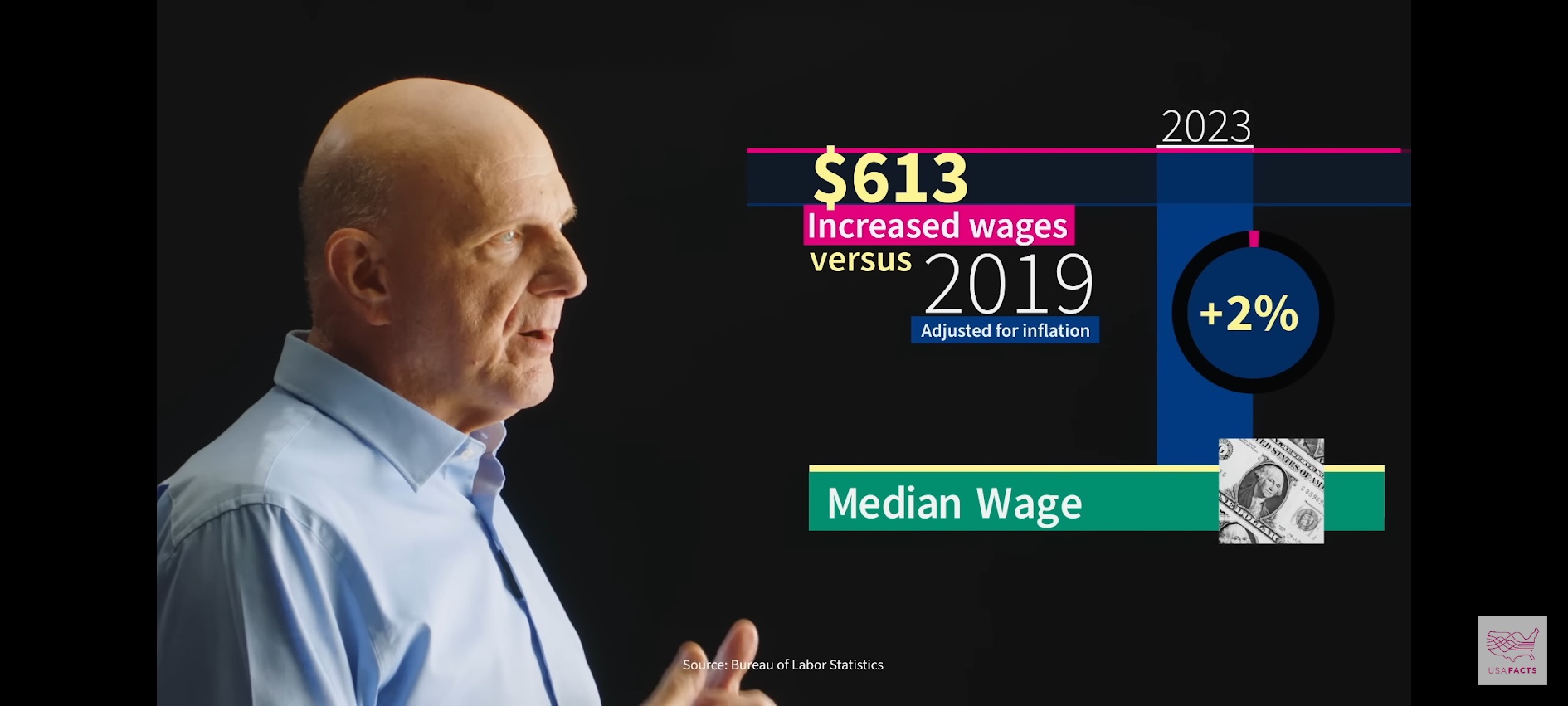
These factors have largely resolved, with inflation returning to near the Fed’s target of 2%. Crucially, a significant detail often overlooked in political rhetoric is the relationship between wages and prices. Since 2019, aggregate wages in the U.S. have risen by approximately 21%, outpacing the overall increase in prices, which stands at about 19%. This means that, on average, American workers have experienced real wage growth, leaving them better off than before the inflationary period. The idea that "higher wages and prices" automatically equate to a "bad economy" is a mischaracterization. Economic health is determined by the net effect, and when wages outpace inflation, purchasing power increases.
Furthermore, the "greedy corporations" argument, suggesting companies arbitrarily raise prices to hoard profits, often lacks empirical support. While businesses aim for profitability, competitive markets generally limit their ability to unilaterally impose price hikes without losing market share. Analyses, such as a recent NPR report on grocery prices, have shown that many sectors did not experience windfall profits directly attributable to "greedflation" during the post-COVID period. Price increases are more often a reflection of increased input costs, demand shifts, and broader economic conditions rather than predatory corporate behavior.
Myth 4: The President Controls Housing Prices
Housing affordability has emerged as a critical concern, with both house prices and rents rising significantly faster than general inflation and wages over the past decade. While higher interest rates, implemented by the Fed, are designed to cool the housing market by increasing borrowing costs, prices have remained elevated in many areas, creating a "double whammy" for prospective homeowners facing both high prices and expensive mortgages.
Political proposals often focus on demand-side interventions, such as subsidies for first-time homebuyers or schemes to reduce interest rates. However, economists widely agree that the fundamental solution to housing unaffordability lies in addressing the supply side. Decades of restrictive zoning laws, cumbersome permitting processes, escalating building codes, and community opposition (NIMBYism – "Not In My Backyard") have severely constrained the construction of new housing units.
Policies aimed at streamlining permits, reducing regulatory burdens, eliminating single-family-only zoning, and reforming setback and parking requirements could significantly reduce the cost of building new homes. Empowering builders to increase supply, rather than inflating demand through subsidies, is a more sustainable and effective long-term strategy to alleviate housing cost pressures. The impact of federal policy on highly localized housing markets is also often overstated, with state and local regulations playing a far more decisive role.
Myth 5: The President Controls Gas Prices, and They Are Currently "High" and We Want Them Lower
Gasoline prices are a perennial talking point in U.S. elections, often presented as a direct reflection of presidential policy. However, this simplifies a complex global commodity market. Crude oil prices, which dictate gasoline costs, are influenced by international supply and demand dynamics, geopolitical events (e.g., conflicts in oil-producing regions), OPEC decisions, and refinery capacity. A U.S. president has limited direct control over these global factors.
Moreover, the perception of "high" gas prices often lacks historical context. When adjusted for inflation, gasoline prices in the U.S. have hovered in the $3-4 per gallon range, a level comparable to the 1950s. Furthermore, for the average American household, gasoline expenditures typically constitute a relatively small portion of disposable income (around 2.5%), particularly when compared to other car ownership costs like depreciation, insurance, and maintenance.
Perhaps the most significant aspect often overlooked is the accelerating shift towards electric vehicles (EVs). EVs offer substantial savings on fuel and maintenance, often being cheaper to own over their lifespan than comparable gasoline-powered cars. The market has seen a surge in affordable used EVs, and new models are increasingly competitive in price, often coming with tax incentives. In an era where sustainable and economically advantageous alternatives exist, focusing campaign rhetoric solely on gasoline prices for internal combustion engines is akin to debating the price of obsolete technologies like Kodak film or typewriters. It distracts from the broader energy transition and the actual cost-saving opportunities available to consumers.
Myth 6: The Economy is Something We Should Even Worry About
While economic performance is undoubtedly important, the relentless focus on ever-increasing material wealth often overshadows a broader understanding of human well-being. For many in developed nations, the point of "enough" – where basic needs are comfortably met and additional wealth yields diminishing returns on happiness – was passed decades ago. The American middle class, despite expressing economic anxieties, often enjoys a standard of living that would be considered luxurious in many parts of the world and throughout history.
Indeed, issues like income and wealth inequality are legitimate concerns. A moderately progressive tax system and policies that aim for a more equitable distribution of wealth can contribute to a more stable, peaceful, and happy society. However, research consistently shows that beyond a certain income threshold, increased wealth does not correlate with increased happiness. Well-being is more profoundly shaped by factors such as strong social connections, good health, purpose, and personal fulfillment, rather than solely by financial accumulation.
If political leaders genuinely sought to enhance societal happiness and well-being, their platforms might emphasize principles that promote contentment, financial independence through thoughtful consumption, and skill-building – often aligned with concepts like "Mustachianism" (a philosophy advocating for extreme frugality and saving to achieve financial independence). Instead, the political landscape often features candidates pandering to specific interest groups or stoking anxieties about material deprivation, rather than fostering a more holistic vision of prosperity.
The Broader Implications of Economic Misinformation
The pervasive nature of economic misinformation in political campaigns has significant implications. It can lead to public cynicism, erode trust in institutions, and divert attention from effective, long-term policy solutions. When voters are swayed by inaccurate economic narratives, they may support policies that are counterproductive or fail to address underlying issues. Furthermore, a citizenry that struggles to distinguish between economic fact and political fiction is less equipped to hold elected officials accountable for genuine economic performance.
Fostering economic literacy is not merely an academic exercise; it is a civic imperative. An informed electorate is better positioned to demand data-driven policies, scrutinize political promises, and make decisions that truly serve their long-term financial and societal well-being.
Conclusion
In an election year saturated with economic claims and counter-claims, the ability to critically evaluate information is paramount. By understanding the true drivers of economic performance, the limitations of presidential power, and the distinction between perceived and actual economic conditions, citizens can move beyond the political noise. Casting a vote based on a clear, factual understanding of economic realities, rather than emotionally charged rhetoric, is fundamental to a healthy democracy and a truly prosperous society.
Further Resources:
For those interested in a data-driven approach to understanding the U.S. economy, initiatives like "USA Facts," spearheaded by former Microsoft CEO Steve Ballmer, offer a valuable resource. This project aims to provide unbiased, factual data on various aspects of the American experience, including economic indicators, without political spin, offering a model for more objective public discourse.

