
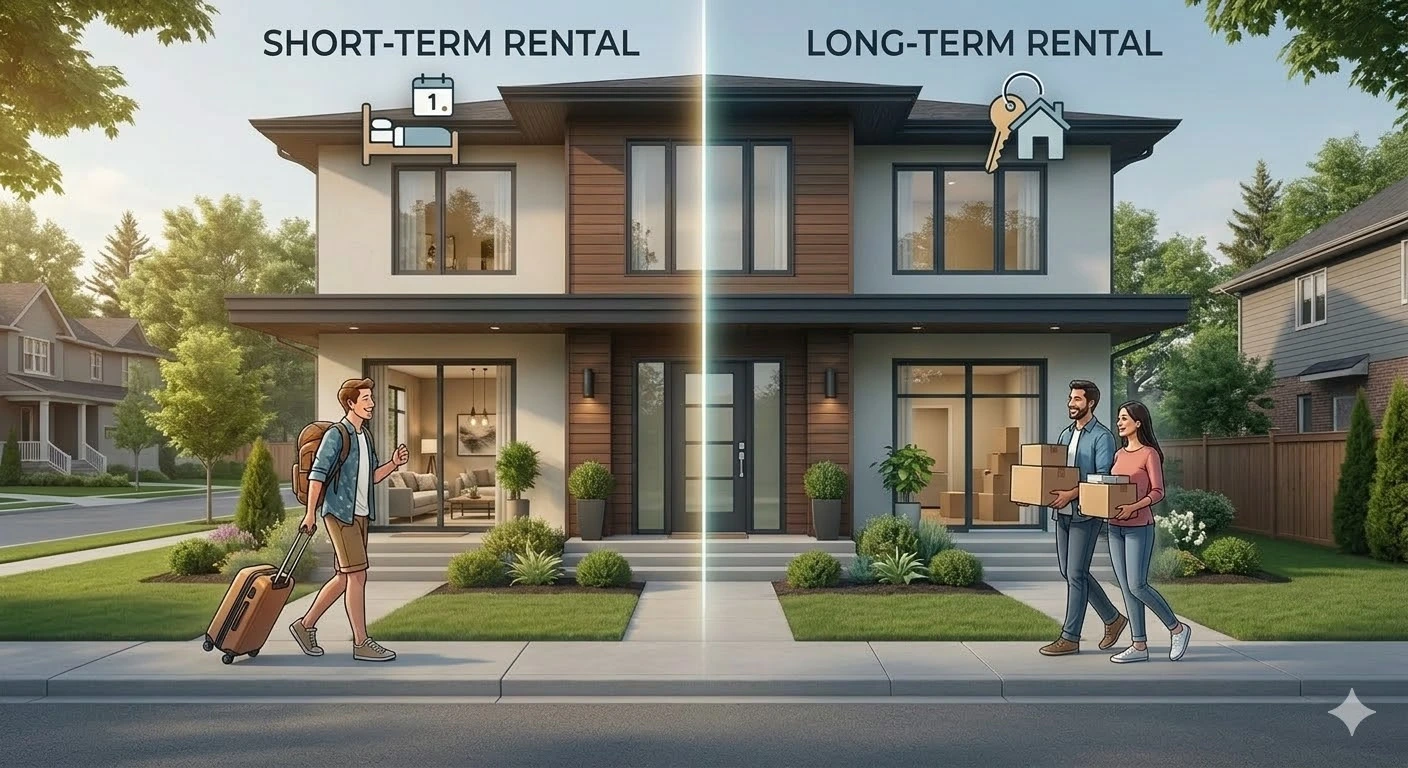
Just a few years ago, the allure of short-term rental properties, particularly through platforms like Airbnb, promised a seemingly effortless path to passive income. College students were reportedly maximizing their earnings by renting out spare bedrooms, a trend that quickly captured the imagination of real estate investors nationwide. This perception of low-barrier, high-return investment was significantly amplified during the post-pandemic travel surge of 2021 and 2022. During this period, the narrative was that acquiring a rental property almost anywhere and listing it on Airbnb could swiftly transform it into a lucrative cash-flow asset. Supporting this optimism, market analysis from that era consistently indicated that short-term rentals often outperformed their long-term counterparts in numerous U.S. markets.
However, by 2026, the landscape has dramatically shifted. A notable deceleration in Airbnb occupancy and revenue growth has coincided with a significant increase in regulatory scrutiny across many markets. The notion of short-term rental ownership as a purely passive income stream has largely dissolved, giving way to the reality that it is now a complex business operation requiring active management and strategic planning. Simultaneously, the traditional long-term rental market, while presenting its own set of challenges, is also undergoing evolution. Amidst this dynamic environment, a third significant player has emerged: the mid-term rental, offering a compelling alternative that further complicates the decision-making process for real estate investors. The era of a clear, universally superior rental strategy has given way to a more nuanced and data-driven approach, compelling investors to meticulously re-evaluate their options.
The Shifting Tides of Regulation: Laws and Their Impact
Historically, regulatory frameworks have often lagged behind burgeoning business models. The short-term rental market initially benefited from this lag, with fewer regulations making entry relatively straightforward. This is no longer the case. Today, a substantial number of housing markets, particularly those heavily reliant on tourism, have implemented stringent short-term rental regulations. Cities like New York City, Honolulu, Santa Monica, New Orleans, and San Francisco have, in effect, established “de-facto” bans, with regulations so restrictive that they approach outright prohibition. These rules can encompass a wide array of operational aspects, including but not limited to:
- Permitting and Licensing: Requirements for obtaining specific permits to operate short-term rentals, often involving annual fees and renewal processes.
- Zoning Restrictions: Limitations on where short-term rentals can be legally operated, often excluding residential zones or specific neighborhoods.
- Occupancy Limits: Regulations dictating the maximum number of guests allowed per property, impacting revenue potential.
- Safety Standards: Mandates for smoke detectors, carbon monoxide detectors, fire extinguishers, and adherence to building codes.
- Taxation: Implementation of occupancy taxes, hotel taxes, or specific short-term rental taxes, increasing the financial burden on hosts.
- Duration Limits: Restrictions on the number of days a property can be rented out on a short-term basis per year.
- Neighbor Notification: Requirements to inform nearby residents about the operation of short-term rentals.
For many investors, the complexity and stringency of these regulations, coupled with increasing local opposition to platforms like Airbnb, have naturally steered them away from short-term rentals. However, the legal landscape for traditional long-term rentals is also not static. While landlords have navigated location-specific rental laws in the U.S. for decades—laws that have historically included provisions such as:
- Lease Agreement Requirements: Standardized stipulations for written lease contracts.
- Eviction Procedures: Legal processes landlords must follow to remove non-compliant tenants.
- Habitability Standards: Requirements to maintain properties in a safe and livable condition.
- Rent Control: In some jurisdictions, limitations on how much rent can be increased.
- Security Deposit Rules: Regulations governing the collection, holding, and return of tenant security deposits.
In 2026, new legislation is emerging that significantly favors tenants and, consequently, increases costs and complexities for landlords. For instance, California has seen the introduction of laws such as:
- Tenant Protection Act of 2019 (AB 1482): While enacted earlier, its impact continues to shape rental markets by limiting rent increases and establishing just cause eviction protections.
- Just Cause Eviction Ordinances: Many cities within California have implemented or strengthened local ordinances requiring specific reasons for eviction, adding layers of procedural complexity.
Similarly, Washington State has seen legislative changes, including:
- Landlord-Tenant Act Updates: Periodic revisions to the Landlord-Tenant Act often introduce new tenant rights or landlord obligations, such as requirements for a minimum notice period before rent increases or lease terminations.
- Rent Control Measures: While not universally adopted, discussions and localized efforts around rent stabilization have gained traction in some Washington cities.
The trend of tenant-friendly legislation is not confined to these states. Once a law proves effective and popular in a major state, it often serves as a precedent, with other states subsequently adopting similar measures. Therefore, real estate investors must conduct thorough due diligence, understanding the comprehensive legal framework applicable to both short-term and long-term rental properties in their chosen market. Resources like Mashvisor’s portal for U.S.-wide short-term rental regulations can provide a valuable starting point for this crucial assessment.
The Rising Cost of Ownership: Financial Considerations in 2026
The financial equation of real estate investment has become considerably more challenging in 2026, impacting both short-term and long-term rental strategies. While short-term rentals have traditionally represented a more capital-intensive investment than long-term rentals, this cost differential has widened as overall expenses for both models have escalated. The general rise in U.S. home prices, coupled with increasing property taxes, mortgage rates, and insurance premiums, forms the foundational cost increase.
For short-term rental properties, the evolving regulatory environment introduces a new layer of expenses. Investors now face potential costs associated with:
- Annual Permit and Registration Fees: Many municipalities require ongoing fees to maintain operational permits.
- Fines for Violations: Non-compliance with the increasingly complex regulations can result in substantial penalties.
- Additional Taxes: The imposition of specific taxes levied on short-term rental income further impacts profitability.
- Platform Fees: In 2025, Airbnb implemented new platform fees, directly increasing the operational costs for hosts.
Beyond these regulatory-driven costs, heightened market competition necessitates greater investment in property appeal and amenities. What was once considered a basic offering may now be a prerequisite. For example, hosts in popular destinations like Gatlinburg, Tennessee, report that amenities such as hot tubs have become standard expectations, rather than optional upgrades. The drive to differentiate in a crowded marketplace adds to the overall cost of maintaining a competitive short-term rental. Consequently, the overall expense of operating a vacation rental in 2026 is substantially higher than it was just a few years prior.
Long-term rental properties are not immune to these rising costs. New tenant-focused laws often mandate upgrades, such as ensuring the presence of working stoves and refrigerators, thereby increasing initial setup and maintenance expenses. Furthermore, tenants’ growing awareness and demand for energy efficiency are compelling landlords to invest in making their properties more sustainable, which can involve significant upfront costs for insulation, efficient appliances, and smart home technology.
The cumulative effect of these increased start-up and ongoing costs necessitates a rigorous re-evaluation by real estate investors. A superficial understanding of potential expenses is no longer sufficient. Instead, investors must secure reliable cost estimates, alongside accurate income projections, to accurately determine the cash-flow potential of each rental strategy before committing capital.
The Crucial Factor of Location: Market Dynamics and Trends
The significance of location in real estate investment has always been paramount, but in 2026, its influence is amplified by shifting travel trends, demographic movements, and market saturation. While regulatory changes have already been discussed, a deeper dive into market dynamics reveals further considerations for investors.
Travel trends are notoriously volatile, and the current landscape is further complicated by the issue of oversaturation in certain short-term rental markets. For traditional long-term rentals, demographic shifts indicate a growing preference for the Southeast and Mountain West regions, often referred to as the Sunbelt. This contrasts with a decade ago when larger metropolitan areas held a stronger appeal for prospective renters. Understanding where people are moving is only part of the equation; effectively positioning an asset within those markets is the critical next step.
Daryl Fairweather, Chief Economist for Redfin, offers valuable insights into these evolving market dynamics:
When asked about potential conversions from short-term to long-term rentals, Fairweather noted, "Conversions are most likely where short-term economics weaken or regulations tighten. This typically occurs in markets where the profitability of short-term rentals is declining due to increased competition or stricter rules, but the underlying demand for long-term housing remains strong. For example, if a popular tourist town experiences a surge in short-term rental inventory, leading to lower occupancy rates and nightly prices, while simultaneously facing new local ordinances, investors might see a strategic advantage in converting these properties to long-term rentals. This shift would allow them to capitalize on a more stable rental income stream, albeit potentially at a lower yield per night, while avoiding the operational complexities and regulatory risks associated with short-term rentals." She added, "Bottom line: Conversions cluster where STR revenue softens but long-term fundamentals remain solid."
Regarding markets where short-term rentals might still outperform, Fairweather elaborated, "Yes, some markets will still favor STRs. These are typically areas with very strong and consistent tourist demand, often driven by unique attractions, major events, or a lack of traditional hotel inventory. Success in these markets is increasingly reliant on professional management, dynamic pricing strategies that adjust to demand fluctuations, and a deep understanding of the local tourism market. Investing in a short-term rental without these elements, essentially treating it as a passive income stream in a random town, carries significant risk." She concluded, "Bottom line: STR success depends on professional management, dynamic pricing, and consistent demand. Passive Airbnb investments in random towns are risky."
Therefore, a thorough review of which locations are most suitable for each rental strategy is imperative. Real estate investors must remain agile, adapting to evolving trends and market conditions to make informed decisions about where to deploy their capital.
The Occupant Factor: Understanding Tenant Profiles and Their Implications
A significant initial attraction of short-term rentals for investors was the perceived simplicity of dealing with temporary guests. The assumption was that transient occupants would present fewer issues compared to long-term tenants, thus avoiding common landlord headaches such as:
- Tenant Screening: The rigorous process of verifying a prospective tenant’s background, credit history, and rental record.
- Lease Enforcement: The ongoing effort required to ensure tenants adhere to the terms of their lease agreement.
- Rent Collection Challenges: Dealing with late payments or non-payment of rent.
- Eviction Proceedings: The legal and often protracted process of removing a tenant who violates lease terms or fails to pay rent.
- Property Damage: Addressing wear and tear or intentional damage caused by long-term occupants.
The Airbnb guest was often idealized as the "ideal occupant." However, the reality of short-term rental hosting has become more complex. The proliferation of online forums and social media has brought to light numerous "Airbnb horror stories," detailing experiences with:
- Parties and Disturbances: Guests hosting unauthorized large gatherings, leading to noise complaints and property damage.
- Theft and Vandalism: Incidents of guests stealing property or intentionally damaging the rental unit.
- Unusual Behavior: Guests engaging in activities that violate community rules or disturb neighbors.
- Extended Stays: Guests overstaying their agreed-upon rental period, creating legal complications.
- Damage Beyond Wear and Tear: Significant damage to furniture, fixtures, or the property structure.
Beyond the potential guest-related issues, the operational costs associated with housing short-term guests are substantial. These include the provision of high-speed internet, hotel-like amenities (toiletries, linens, kitchenware), and professional cleaning services between each guest turnover.
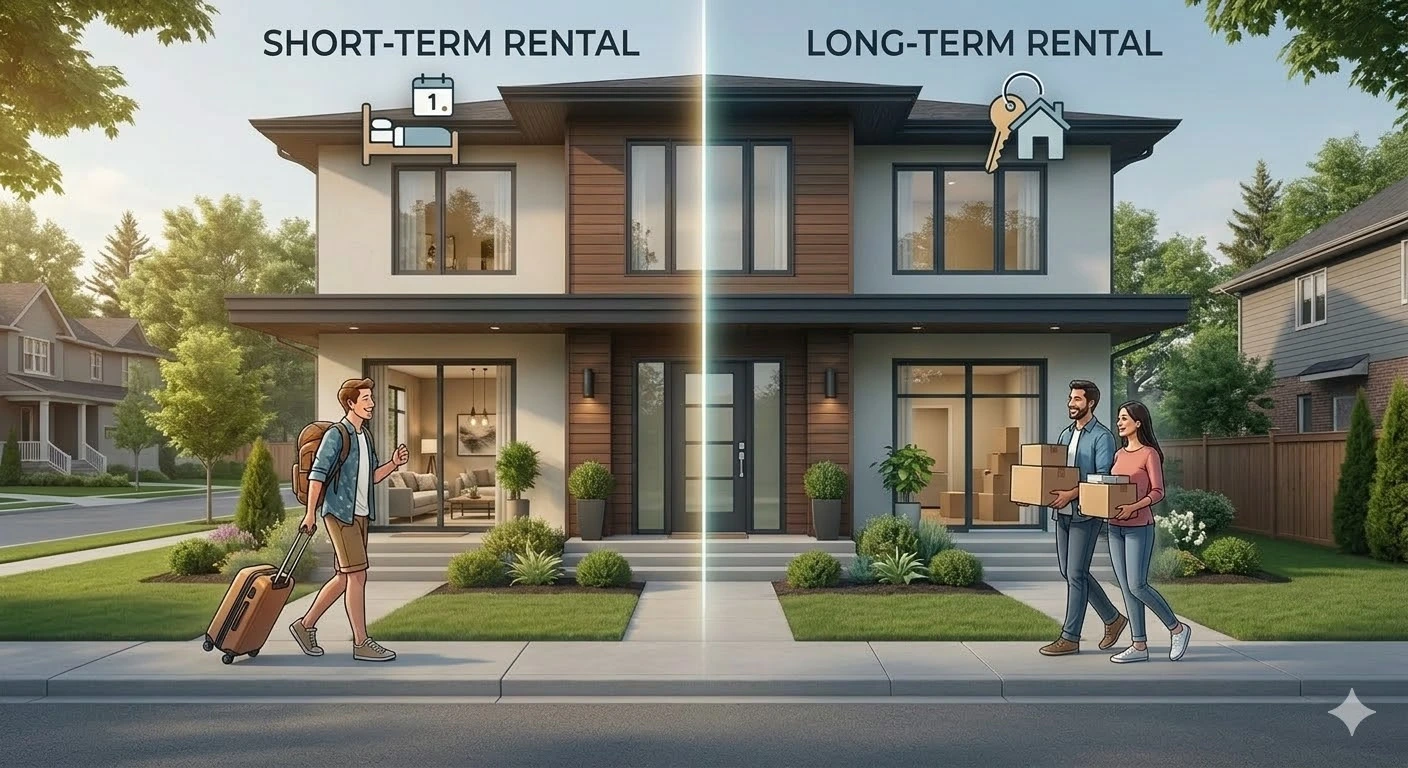
In 2026, it is no longer a straightforward matter of one occupant type being inherently superior. Both short-term guests and long-term tenants require distinct management approaches and incur specific costs. Real estate investors must carefully assess their capacity to handle the unique demands of each, including their risk tolerance and their strategies for mitigating potential issues.
The Effort Equation: Active vs. Passive Investment Reconsidered
The perceived ease of short-term rentals as a passive income stream has been a recurring theme, but the reality for many hosts has proven otherwise. Online communities for Airbnb and short-term rental hosts frequently highlight a primary complaint: the underestimated effort required to operate a hospitality business. For hosts who manage their properties directly, rather than outsourcing to a property management company, the investment is decidedly active.
Similarly, being a landlord of a long-term rental property is also considered an active endeavor. While often perceived as less hands-on than short-term rentals, traditional rentals necessitate significant effort during specific phases, such as:
- Tenant Turnover: The process of preparing a unit for a new tenant after a previous one vacates, including cleaning, repairs, and marketing.
- Evictions: The complex legal process of removing a tenant.
- Emergency Maintenance: Responding to urgent repair needs that arise at any time.
- Tenant Relations: Addressing tenant concerns and maintaining positive relationships.
Both short-term hosting and long-term landlord roles can be transformed into more passive investments through the engagement of a professional property manager. However, the decision to outsource management hinges on the potential impact on cash flow. Property management fees for long-term rentals typically range from 8% to 12% of the monthly rental income. For short-term rentals, these fees are considerably higher, often falling between 15% and 25% due to the increased complexity and frequency of services required.
Ultimately, neither being a short-term host nor a long-term landlord is inherently passive. Real estate investors must realistically assess their capacity for day-to-day operations and the time commitment involved. Alternatively, factoring in management costs accurately from the outset is crucial for achieving a truly passive rental income strategy when performing investment property analysis.
The Emerging Alternative: The Rise of Mid-Term Rental Properties
The decision-making process for rental property investors is no longer a simple dichotomy between short-term and long-term rentals. A compelling third option has gained significant traction: the mid-term rental. Defined as a rental agreement spanning one month to six months, and sometimes up to twelve months, mid-term rentals occupy a strategic middle ground. These properties are frequently sought after by traveling nurses and other healthcare professionals, individuals on extended business trips or vacations, digital nomads, and those in the process of relocating.
The unique demographic of mid-term renters makes these properties particularly successful in specific types of locations:
- Areas with a High Concentration of Hospitals and Medical Centers: Attracting traveling medical staff seeking temporary housing.
- Cities with Major Corporate Presence or Business Hubs: Catering to professionals on extended assignments.
- University Towns: Providing housing for visiting scholars, faculty, or students on internships.
- Areas Experiencing Population Growth or Relocation Trends: Serving individuals transitioning to a new city.
A significant advantage of mid-term rentals is that they often fall outside the stringent regulatory frameworks that govern short-term rentals in many markets. While short-term rentals typically command higher Average Daily Rates (ADRs), data indicates that mid-term rentals benefit from higher occupancy rates. This, combined with reduced turnover costs and fewer cleaning fees compared to short-term rentals, can lead to superior overall profitability within the same real estate market.
In comparison to traditional long-term rental properties, mid-term rentals offer greater flexibility and are typically furnished. This enhanced convenience and adaptability often lead tenants to pay a premium. Reports suggest that tenants are willing to pay between $600 and $800 more per month for a mid-term lease compared to a standard long-term lease. With this third viable rental strategy offering strong cash-flow potential, real estate investors are increasingly re-evaluating their options to determine which strategy best aligns with the opportunities present in their target markets.
Strategic Realignment: Choosing the Right Rental Strategy
The selection of a rental property strategy in 2026 hinges significantly on location and an investor’s individual risk tolerance. However, the overarching objective remains consistent: identifying the strategy that will yield the highest cash flow and return on investment. Leveraging reliable market data, including current Airbnb occupancy rates, long-term rent estimates, and historical performance trends, is indispensable for accurately assessing profitability before making any acquisition.
Tools like Mashvisor’s real estate investment platform are designed to provide investors with the necessary data to compare the performance of short-term and long-term rental properties for any given listing. For mid-term rentals, a combination of platform data and supplemental market research can aid in projecting future earnings.
The Next Strategic Move: Evaluating Existing Portfolios
For some real estate investors, 2026 may necessitate a comprehensive re-evaluation of their current rental property holdings. A short-term rental that was once highly profitable might now be operating in an oversaturated market, leading to diminished profit margins. Alternatively, new regulations may have rendered the operation of such a business legally untenable or economically unfeasible.
If an investor decides to exit the short-term rental market, two primary courses of action emerge: converting the property to a long-term rental or selling it entirely. This decision requires a meticulous examination of prevailing real estate market trends and the investor’s personal financial situation. Key questions include:
- Timing of Sale: Is the current market conducive to selling, or would holding the property potentially lead to greater future profits?
- Carrying Costs: Can the investor afford to hold the property while awaiting a sale, or would doing so result in negative cash flow due to ongoing expenses?
- Long-Term Rental Performance: How are long-term rentals performing in the same housing market?
Daryl Fairweather offers guidance on when an investor might consider selling a vacation property instead of converting it: "An investor should consider selling when the property no longer justifies the complexity and risk of short-term rentals or when the capital could be better used elsewhere. This might be the case if regulatory changes significantly increase operational costs and decrease potential revenue, making the profit margins too thin to warrant the effort. Furthermore, if market prices for properties have risen significantly, an investor might realize a substantial capital gain by selling, which could then be reinvested in a more stable or higher-yielding opportunity. Essentially, sell if the property no longer provides strong returns, market prices are favorable, or regulations make your STR strategy unprofitable."
If the real estate market conditions support a successful conversion to a long-term rental, Fairweather provides strategic advice: "If converting makes sense, focus on these four things. First, ensure the property meets the standards for long-term occupancy, which might involve updating appliances or making cosmetic improvements. Second, conduct thorough tenant screening to secure reliable renters. Third, understand and comply with all local landlord-tenant laws, which differ from short-term rental regulations. Fourth, be prepared for the different management demands of long-term tenants, which typically involve longer lease terms and less frequent turnovers." She concludes, "Bottom line: Long-term rentals offer predictability over upside. Treat the conversion as a strategic business decision."
Conclusion: Data-Driven Decisions in a Dynamic Market
The rental property market in 2026 is a complex ecosystem where both short-term and long-term strategies face evolving challenges and opportunities. The once clear-cut advantages of short-term rentals have been tempered by increased regulation and operational demands. Long-term rentals, while offering more stability, are also subject to changing tenant-centric laws and rising costs. Amidst this, the mid-term rental market presents a compelling alternative.
In this dynamic environment, the ability to make informed, data-driven decisions is more critical than ever. Investors must remain selective, leveraging comprehensive market data to identify the most profitable strategies for their specific circumstances. Whether focusing on a particular rental strategy or adapting to market shifts, utilizing advanced real estate investment tools can provide the insights necessary to navigate the complexities and capitalize on emerging opportunities.
Frequently Asked Questions
Can short-term rentals still be profitable in 2026?
Yes, short-term rentals can still be profitable in 2026, but profitability is highly dependent on location, prevailing regulations, occupancy rates, and operational costs. In tourism-driven markets with robust demand and favorable regulatory environments, Airbnb rentals may indeed generate higher income than traditional long-term leases. However, investors must conduct thorough due diligence, carefully analyzing local laws, competition, and potential operating expenses before committing to this strategy.
What is the difference between short-term and long-term rental profitability?
Short-term rentals often offer higher revenue per night due to premium pricing for shorter stays. However, this is frequently offset by higher operating costs, increased management intensity, and potential for variable occupancy. Long-term rentals, conversely, provide more stable, predictable monthly income with generally lower management overhead and fewer turnover expenses. The most profitable strategy is contingent upon a confluence of factors including local tourism demand, the stringency of rental regulations, property acquisition costs, and projected occupancy rates.
What is the difference between short-term, mid-term, and long-term rentals?
Short-term rentals are typically leased for durations ranging from a few nights to a few weeks, commonly facilitated through platforms like Airbnb. Mid-term rentals, also known as monthly rentals, generally span periods of one to six months and are popular among traveling professionals, digital nomads, or individuals undergoing relocation. Long-term rentals represent traditional leases, usually lasting six to twelve months or longer, providing a consistent and stable income stream for landlords.
Is Airbnb a good investment in 2026?
Airbnb can be a lucrative investment in high-demand markets, particularly in popular tourist destinations or areas experiencing significant event-driven tourism. However, it demands more active management, incurs higher operating costs (including cleaning, utilities, and amenities), and requires strict adherence to an increasing number of local regulations. Long-term rentals, on the other hand, tend to offer more predictable cash flow and require fewer day-to-day management responsibilities, making them a potentially more stable, albeit often less high-yield, investment.
How do investors choose between short-term and long-term rental strategies?
Investors typically compare projected rental income, anticipated occupancy rates, estimated operating costs, and the prevailing local regulatory landscape before selecting a rental strategy. Analyzing historical rental data, market trends, and utilizing predictive modeling tools are essential steps in determining whether a property is likely to perform better as a short-term or long-term rental.

