

In the rural landscape of Vermont, a burgeoning movement toward early childhood financial literacy is taking shape as parents seek to insulate their children from the pressures of modern consumerism while providing them with the practical skills necessary to navigate a complex economy. Utilizing local community events such as county fairs and school-sanctioned retail programs, educators and parents are implementing structured "family money philosophies" designed to transition children from passive consumers to active financial managers. This pedagogical approach, exemplified by the practices of families in the Vermont region, emphasizes the distinction between essential needs and discretionary wants, the value of labor-based compensation, and the psychological consequences of debt and asset management.
The Framework of the Family Money Philosophy
The foundational element of this educational model is a clearly defined division of financial responsibility. Under this system, the parental unit remains responsible for "needs," categorized as fundamental requirements for survival and development. These include housing, clothing, healthcare, educational materials, and basic nutrition. Furthermore, the cost of admission to cultural and community events, such as museum visits or county fairs, is covered by the household budget.

Conversely, the responsibility for "wants"—discretionary items that provide supplementary pleasure but are not vital—is shifted entirely to the child. This category typically encompasses three primary areas:
- Supplemental Food and Beverage: While standard meals are provided, luxury items such as desserts at restaurants or specialized snacks at fairs must be purchased with the child’s personal funds.
- Souvenirs and Trinkets: Non-essential items found at gift shops or fairgrounds, such as toys or jewelry, fall under the child’s financial jurisdiction.
- Elective Educational Purchases: While parents provide a steady supply of books through libraries and second-hand sales, new items from high-pressure marketing environments like the Scholastic Book Fair require child-funded capital.
By establishing these boundaries, parents create a low-stakes environment where children can experience the reality of scarcity and the necessity of prioritization before entering the adult economy.
The Labor Economy and Compensation Models
To facilitate this system, children are integrated into a household labor market. This "chore-based" economy is designed to mirror real-world employment, where compensation is tied to the successful completion of specific tasks. In the Vermont case study, chores are divided into two distinct categories: unpaid communal contributions and paid discretionary labor.

Unpaid chores are framed as "citizenship duties" within the family unit. These tasks include personal maintenance, such as making beds and organizing personal laundry, as well as communal maintenance
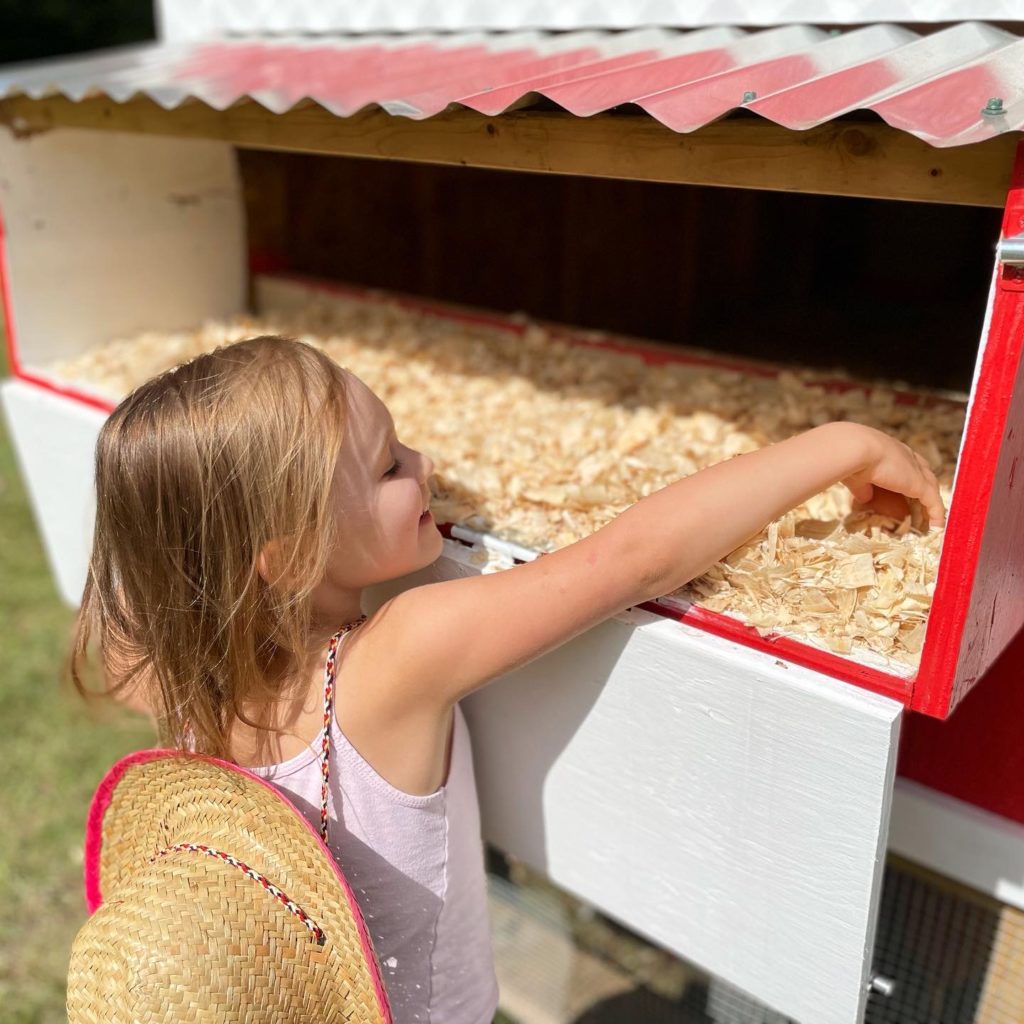
like collecting eggs from livestock, managing compost, and clearing shared dining spaces. These activities are viewed as the baseline expectation for membership in the household.
Paid chores, however, are treated as services rendered to the "firm" (the parents). These tasks often include:
- Deep cleaning of communal areas (baseboards, windows, kitchen cabinets).
- Seasonal maintenance (leaf raking, garden weeding, wood stacking).
- Organizational projects (sorting pantry items or filing systems).
Compensation is set at what is described as "fair market value," and notably, the system allows for collective bargaining. Children are encouraged to negotiate "chore bundles" or lump-sum payments for large-scale projects, such as a $10 fee for a comprehensive kitchen reorganization. This introduces the concept of labor value and the potential for increased earnings through efficiency and negotiation.
Chronology of Financial Development: The Unicorn Debt Crisis
The effectiveness of this model is often tested through real-world "economic shocks." A significant milestone in this developmental timeline occurred during a previous county fair cycle, involving a seven-year-old subject (identified by the pseudonym Kidwoods) and the pursuit of an inflatable unicorn.
The item in question was priced at $13, while the child’s liquid assets totaled only $9. To facilitate a learning opportunity, the parents extended a micro-loan of $4 to cover the deficit. This transaction marked the child’s entry into the credit market. Upon returning home, the child was informed that all future "paid chores" were no longer optional but mandatory until the debt was serviced.
The child’s subsequent observation—that working to pay for an item already in one’s possession is "not fun"—represented a critical shift in financial understanding. This "visceral understanding of debt" serves as a preventative measure against future credit reliance. Following this incident, data suggests a marked change in behavior; neither child in the study has opted to enter into a debt contract in the subsequent twelve-month period, demonstrating the long-term impact of early experiential learning.
Supporting Data on Early Childhood Financial Habits
The strategies employed by these Vermont families align with broader psychological and economic research regarding the formation of financial habits. According to a landmark study by researchers at the University of Cambridge, most children have formed their basic approach to money—including the ability to plan ahead and delay gratification—by the age of seven.
Further data from the T. Rowe Price "Parents, Kids & Money" survey indicates that 57% of parents feel they do not have the right tools to talk to their children about financial matters, yet 83% of parents who do discuss money find that their children are more likely to have a savings account in adulthood. The Vermont model addresses this "tools gap" by simplifying the narrative: money is presented not as a measure of self-worth or status, but as a neutral tool for resource allocation.

The Role of Independent Transaction Management
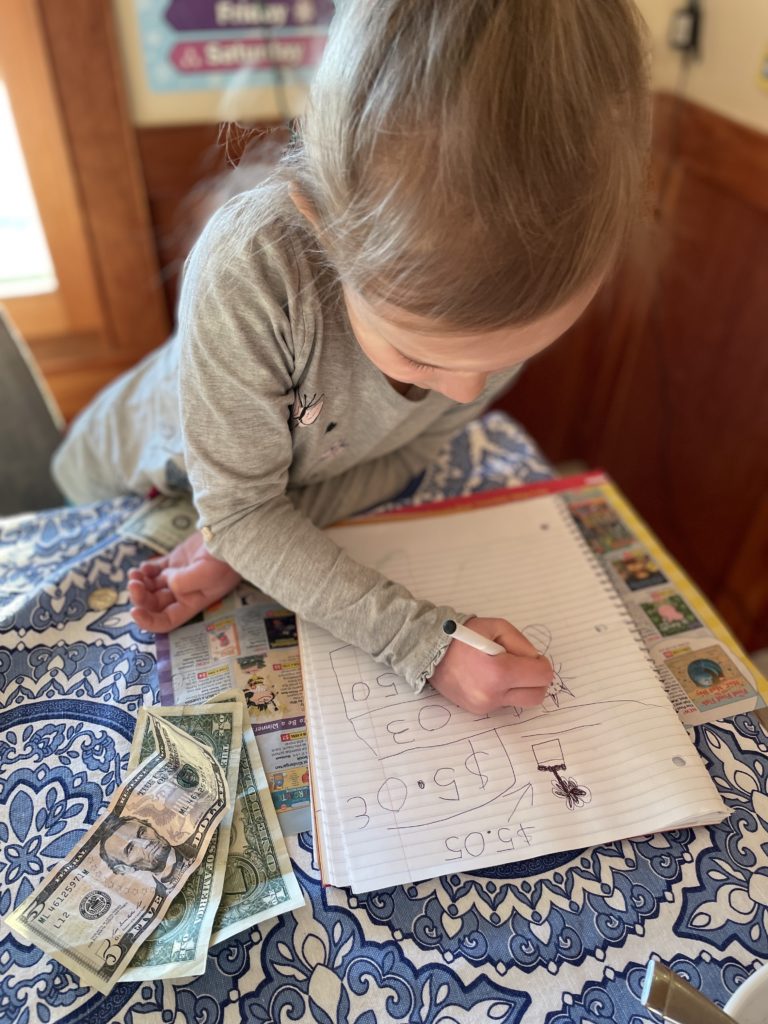
A key component of the enfranchisement process is the physical management of assets. Children are required to maintain their own wallets and purses and are responsible for the physical security of their cash. This has led to "near-crisis" events, such as the temporary loss of a wallet at a science museum, which serves to teach the importance of asset protection and the finality of lost currency.
Furthermore, children are encouraged to manage the "front-end" of transactions. This includes:
- Comparison Shopping: Analyzing prices in marketing flyers (such as Scholastic brochures) to determine the best use of limited funds.
- Independent Purchasing: Approaching vendors, placing orders, and handling currency exchange without direct parental intervention.
- Cost Sharing: In instances where a purchase benefits multiple parties—such as a shared dessert—children are taught to calculate equitable splits. In one instance, a $7 dessert led to a lesson in coin denominations when the children realized the total could not be divided evenly into whole dollar amounts.
Broader Impact and Future Implications
As these children mature, the educational scaffold is designed to become increasingly complex. The next phase of the program involves the transition from cash-on-hand to institutionalized savings. Plans are currently underway to establish a "Bank of Parental Units," which will introduce the concept of compound interest. By offering a high interest rate on saved funds, parents aim to incentivize long-term capital accumulation over immediate consumption.

The broader implications of this localized approach to financial literacy are significant. In an era of "invisible money"—where credit cards and digital payments obscure the physical reality of spending—teaching children to handle physical currency and associate it with manual labor provides a necessary cognitive anchor.
Experts in developmental psychology suggest that this level of financial transparency reduces "money anxiety" in children. By demystifying how adults earn income and how that income is distributed toward household needs, parents provide a sense of security and a clear roadmap for the child’s own eventual independence.
Ultimately, the Vermont model suggests that financial literacy is not merely about mathematics; it is about the development of character, the discipline of delayed gratification, and the understanding of one’s agency within a market economy. As these children move toward adolescence, they do so not as passive observers of their parents’ wealth, but as active participants in their own economic destiny.

