
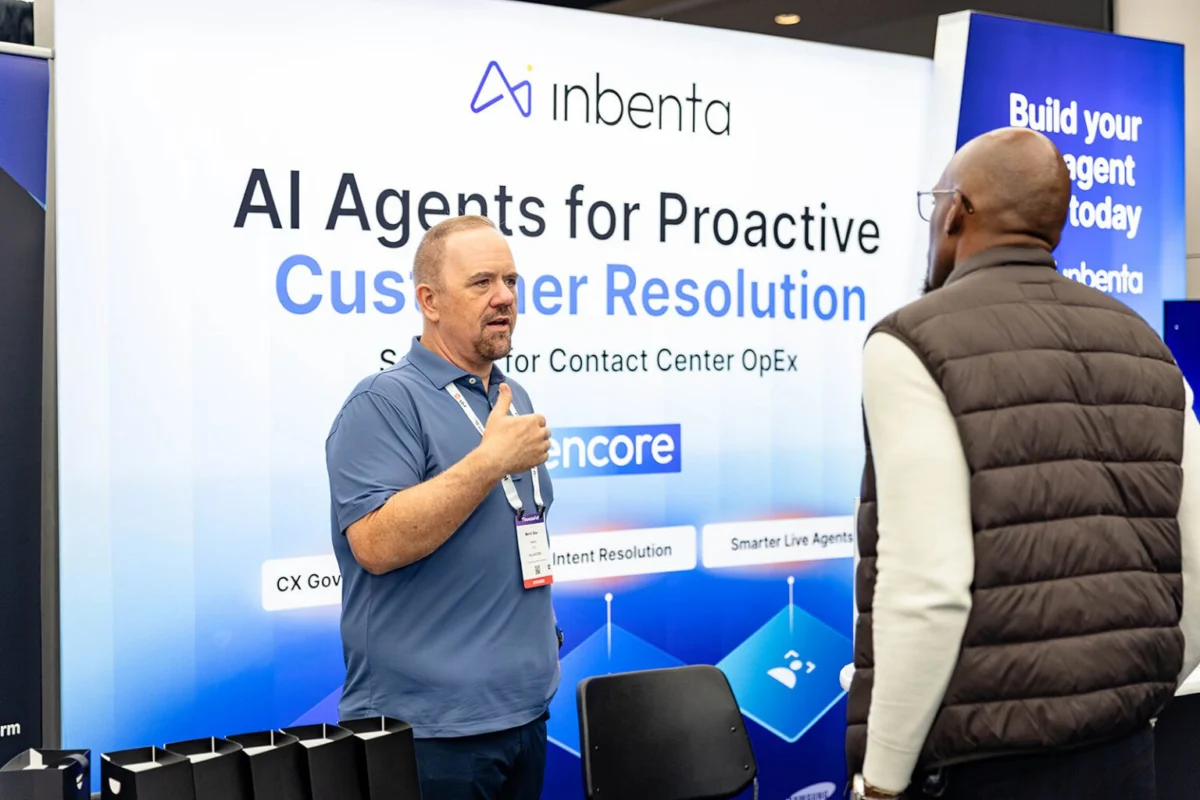
The financial services landscape is currently navigating a pivotal transition in its relationship with artificial intelligence, moving away from a period of unbridled experimentation toward a more disciplined, results-oriented era of implementation. This shift was the central focus of a recent episode of the Finovate Podcast, where host Greg Palmer engaged in a detailed discussion with Melissa Solis, the Chief Executive Officer of Inbenta. The conversation highlighted a growing trend among banks and credit unions: a demand for tangible ROI and a rejection of the "black box" AI solutions that characterized earlier adoption cycles. As financial institutions (FIs) grapple with the complexities of digital transformation, the discourse is no longer centered on the theoretical potential of AI, but rather on its practical reliability, governance, and ability to meet stringent regulatory requirements.
The Shift from Pilot Projects to Practical Performance
For several years, the banking sector’s approach to AI was defined by "innovation theater"—a series of Proof of Concepts (PoCs) and pilot projects designed more to signal technological forwardness than to solve core operational inefficiencies. However, as Solis observed during the FinovateFall 2026 conference, the industry has reached a point of "hard knocks." Many organizations that rushed into agreements with AI vendors are now returning with significant grievances, citing failed deployments and performance that fell drastically short of marketing promises. This frustration has catalyzed a new level of skepticism, which Solis views as a necessary and healthy development for the ecosystem.
The current environment is characterized by a "show me, don’t tell me" attitude. Banks are increasingly asking the "hard questions" regarding data lineage, model transparency, and the specific mechanisms used to prevent hallucinations—a phenomenon where AI generates false or misleading information. This skepticism is backed by industry data; according to various market research reports, including those from Gartner and IDC, while global spending on AI in the financial sector is projected to exceed $100 billion by 2027, a significant percentage of these projects have historically failed to move beyond the pilot stage. The primary culprits for these failures include poor data quality, lack of clear objectives, and an inability to integrate AI into existing legacy infrastructures.
Technical Integrity: Addressing the Hallucination Problem
One of the most critical hurdles for AI in banking is the requirement for absolute accuracy. In a retail environment, a chatbot’s minor error might result in a slight customer inconvenience; in a financial environment, an incorrect answer regarding interest rates, loan terms, or account balances can lead to regulatory fines, legal liability, and a total loss of consumer trust. Solis emphasized that Inbenta’s platform, Encore, was designed specifically to address these high-stakes requirements.
Inbenta claims a 98% accuracy rate with "near-zero" hallucinations, a metric that is particularly relevant given the inherent risks of Large Language Models (LLMs). Most generic LLMs are probabilistic, meaning they predict the next likely word in a sequence rather than retrieving facts from a verified database. In contrast, Inbenta utilizes an AI orchestration approach that combines symbolic AI (which uses logic and rules) with machine learning. This hybrid model allows for full auditability—a feature that allows a bank’s compliance team to trace exactly why the AI provided a specific answer. This level of transparency is no longer optional; as the Consumer Financial Protection Bureau (CFPB) and other global regulators increase their scrutiny of automated decision-making, the ability to audit AI outputs has become a foundational requirement for any deployment.
A Chronology of AI in Banking: 2022 to 2026
To understand the current state of the market, it is essential to look at the timeline of AI adoption within the financial services sector over the last four years:
- 2022–2023: The Generative AI Explosion. Following the public release of advanced generative models, banks felt immense pressure from boards and shareholders to "do something with AI." This led to a flurry of small-scale experiments, mostly in low-risk areas like internal employee wikis or creative marketing assistance.
- 2024: The Year of the PoC. Financial institutions began signing agreements for more customer-facing pilots. However, many of these projects were built on generic frameworks that lacked the "financial fluency" required to handle complex banking queries.
- 2025: The Reality Check. As these pilots moved toward full-scale production, the limitations of generic AI became apparent. Issues with data privacy, "hallucinations," and the high cost of computing (GPU costs) led many institutions to pause their rollouts.
- 2026: The Era of Orchestration and Accountability. As reflected in Solis’s observations at FinovateFall 2026, the market has matured. FIs are now seeking specialized vendors who offer "orchestration" rather than just a model. They are looking for platforms that can integrate with over 850 different legacy systems (preventing vendor lock-in) and provide a "trusted, self-service" experience that can be deployed in days rather than months.
Case Study: The Scious Partnership and Governance
The podcast highlighted a specific partnership between Inbenta and Scious, an organization founded by an industry veteran who spent years searching for an AI solution that met the rigorous demands of the financial sector. The Scious founder’s search underscores a broader industry pain point: the difficulty of finding a partner that balances innovation with conservative governance.

The Scious experience serves as a template for modern AI procurement. The criteria were not based on the "flashiness" of the interface, but on governance, transparency, and performance. For Scious, and for many of Inbenta’s clients, the priority is ensuring that the AI operates within a "walled garden" of the institution’s own verified data. This prevents the model from being "poisoned" by external internet data and ensures that the responses remain compliant with internal policies and external regulations.
Supporting Data and Market Analysis
The demand for specialized AI solutions is reflected in the growth of the AI orchestration market. Analysts suggest that the shift from "General AI" to "Applied AI" is the most significant trend of the decade. A 2025 report by McKinsey & Company noted that while generative AI could add between $200 billion and $340 billion in value to the global banking sector annually, that value is only unlockable if institutions can solve the "last mile" problem—integrating AI into customer-facing workflows without increasing operational risk.
Furthermore, the issue of "vendor lock-in" has become a top-tier concern for Chief Information Officers (CIOs). Inbenta’s strategy of providing 850+ integrations is a direct response to this. Banks are wary of becoming too dependent on a single cloud provider or a single model developer (like OpenAI or Google). By using an orchestration platform, banks can swap out underlying models as technology evolves while keeping their core business logic and customer interface intact.
Official Responses and Industry Implications
The reactions from the banking community at events like Finovate indicate a narrowing of the gap between the IT department and the C-suite. Previously, AI was a project for the "innovation lab." Today, it is a priority for the CEO and the Chief Risk Officer. The consensus among industry leaders is that the "honeymoon phase" of AI is over.
Melissa Solis’s leadership at Inbenta, which was founded in 2005 and is headquartered in Allen, Texas, positions the company as a veteran in a field often dominated by "fly-by-night" startups. This longevity provides a level of institutional knowledge that is highly valued by banks. Solis’s focus on "real and effective" solutions resonates because it addresses the primary fear of banking executives: that they are investing millions into a technology that will ultimately be a liability rather than an asset.
Future Outlook: The Path Forward for AI in Finance
As the financial services industry moves forward, the success of AI will be measured by its ability to disappear into the background of a seamless customer experience. The goal is no longer to have a "cool chatbot," but to provide a frictionless self-service environment where customers can resolve complex issues—such as disputing a charge, applying for a mortgage, or managing investments—without needing to speak to a human agent, yet with the same level of accuracy and nuance.
The implications for the workforce are also profound. By automating routine inquiries with 98% accuracy, banks can redirect their human capital toward high-value advisory roles. This transition, however, requires a "high-risk, high-reward" partnership model where both the vendor and the bank are held accountable for the outcome.
In conclusion, the insights shared by Melissa Solis on the Finovate Podcast serve as a roadmap for the next phase of fintech evolution. The industry is moving toward a standard of "trusted AI," where governance is not an afterthought but the foundation of the technology itself. For banks, the message is clear: the time for asking hard questions is now, and the vendors who survive will be those who can prove their worth through transparency, integration, and unyielding accuracy. As Inbenta demonstrated in its FinovateFall 2026 debut, the future of banking AI belongs to those who can bridge the gap between the promise of technology and the reality of the balance sheet.

