
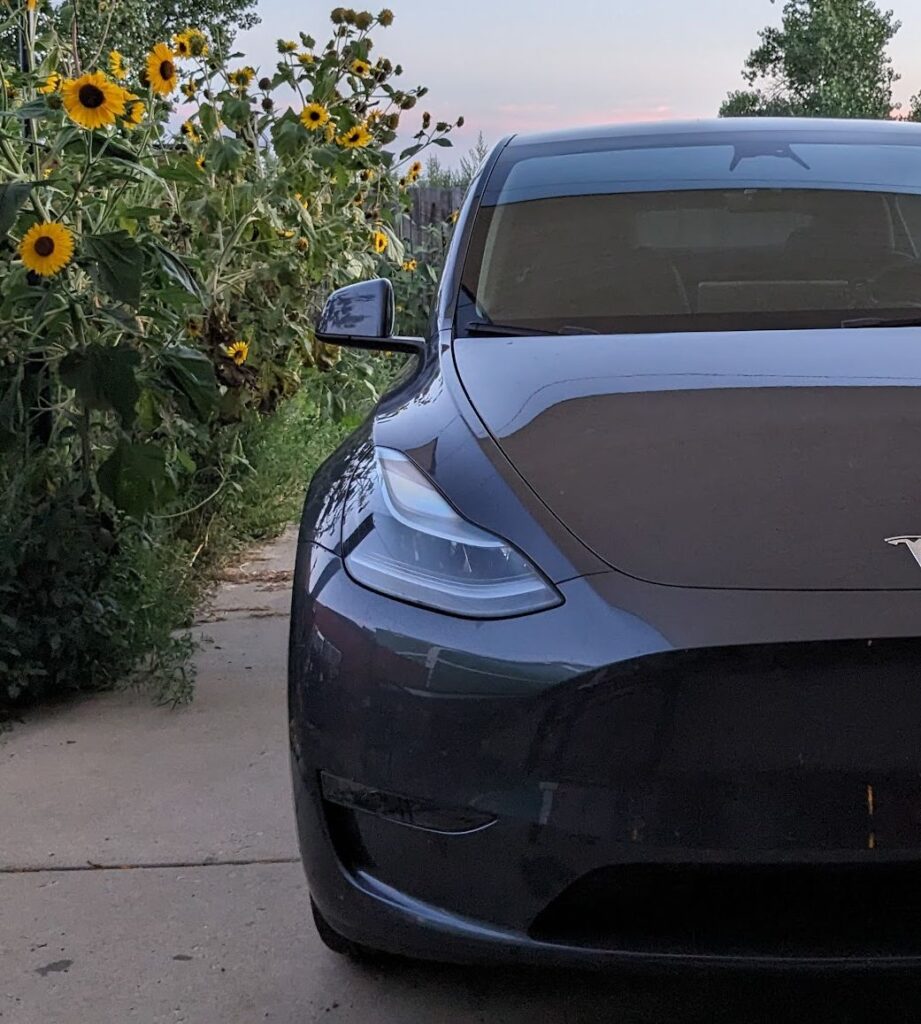
Two years ago, Mr. Money Mustache, a prominent figure in the Financial Independence, Retire Early (FIRE) movement, embarked on a deliberate spending experiment that momentarily tested the fidelity of his ardent followers. Known for his rigorous advocacy of extreme frugality and early retirement, his decision to purchase a Tesla Model Y and intentionally increase his discretionary spending marked a significant departure from his established ethos. This shift, detailed in a 2023 blog post, was framed as an exploration of an "abundance mindset" – a conscious effort to enjoy the fruits of his financial freedom by embracing greater expenditures after decades of disciplined saving and minimal consumption. The recent revelation of his annual spending for the past year, however, presents a nuanced picture: despite a concerted effort to spend more lavishly, his total outlays remained remarkably constrained, underscoring the deep-seated habits of frugality and the surprising sustainability of a financially independent lifestyle.
The Genesis of a Paradigm Shift
Mr. Money Mustache, whose real name is Pete Adeney, gained widespread recognition through his influential blog, launched in 2011. He chronicled his journey to early retirement at age 30, advocating for a lifestyle characterized by high savings rates, mindful consumption, and DIY solutions to minimize expenses. His philosophy resonated with millions seeking an alternative to the conventional 40-year career path, making him a quasi-guru for the FIRE community. For years, his articles provided practical advice on everything from optimizing grocery bills to undertaking home repairs, all aimed at accelerating financial independence.
It was against this backdrop that his announcement in April 2023, outlining his intention to "try to spend a bit more money," sent ripples through his dedicated readership. The purchase of a Tesla, a vehicle often perceived as a luxury item despite its environmental benefits, was the initial tangible step in this new "program." This move prompted both curiosity and concern among his followers, with some questioning whether their frugal champion was abandoning the very principles he espoused. Adeney, however, framed it as an evolved perspective – an acknowledgment that once financial independence is achieved, the goal shifts from accumulation to optimal living, which might include strategic increases in spending to enhance quality of life.
A Two-Year Dive into Intentional Abundance
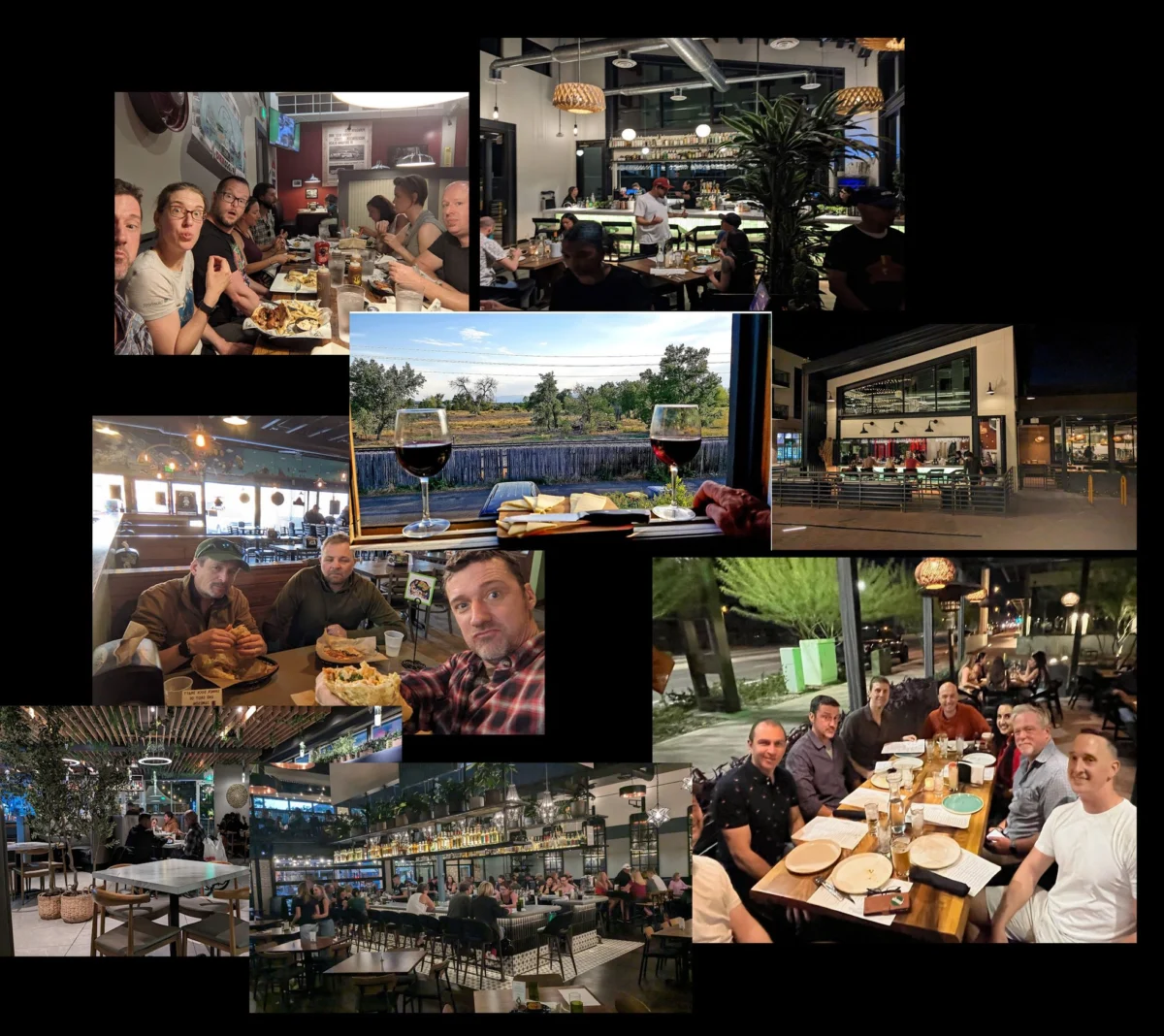
Following the acquisition of the Tesla, the subsequent two years saw Adeney consciously engaging in activities and purchases that contrasted sharply with his previous, ultra-frugal habits. His personal reflections reveal a period of "marvelous time traveling everywhere and spending money like I thought a proper wealthy person would do." This included frequent dining at "stylish restaurants," selecting hotels based on "niceness rather than cheapness," and opting for "reduced torture" seats on airplanes – a direct investment in comfort over cost. Even his grocery shopping habits evolved, with less concern for price disparities between premium retailers like Whole Foods and traditional bulk stores like Sam’s Club and Costco, where he maintains memberships at both.
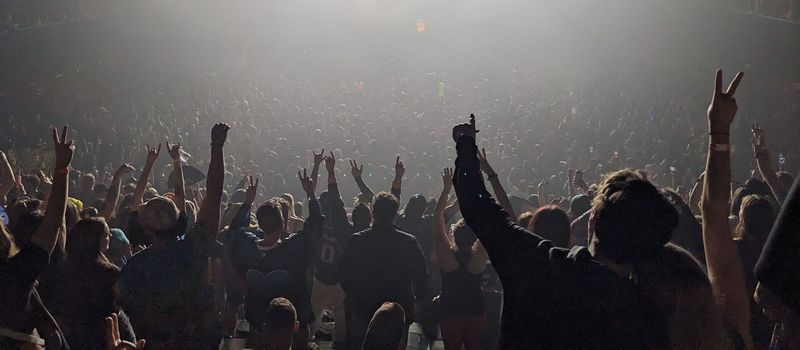
Experiential spending also saw a significant uptick. Highlights included attending multiple late-night EDM concerts with his son and visiting three Meowwolf immersive art venues, including a memorable Christmas Day road trip from Tempe, Arizona, to Las Vegas. The year also presented unique circumstances, as Adeney spent a significant portion of it as a single man, affording him an "wide open schedule to just meet up with friends, explore new places and meet new people as opportunities came up." This period, he noted, felt like "a year of adventurous transition," expanding his perceptions beyond a typical twelve-month cycle.
The Unveiling of the Budget: A Surprising Constraint
Despite this conscious embrace of increased spending and a feeling of "abundance," Adeney initially resisted the urge to meticulously track his expenditures, preferring to enjoy the experience without the immediate scrutiny of a spreadsheet. The catalyst for a formal review came recently during an informal coaching session with a friend, where they both decided to tally their past year’s spending for comparison.
The results, once all transactions were categorized and summed, proved to be remarkably insightful, even surprising to Adeney himself. While his overall spending had indeed increased, particularly in travel-related categories, the "big-picture effect was still pretty minimal." His annual spending, depending on how business expenses and the car are accounted for, rose from approximately $20,000 in previous years to about $30,000. This figure, notably, does not include a mortgage payment, as his house was paid off long ago – a significant "hidden subsidy" that underpins his low cost of living.
This spending level, even at the higher end, remains well within the sustainable withdrawal rate for a $1 million investment nest egg, typically estimated at 3-4% annually. Given that Adeney’s investments are "quite a bit higher than that," especially following "recent years of crazy economic growth and the never-ending stock market rally," his annual outlays represent a mere fraction of his passive income potential. This outcome suggests that even when intentionally loosening the purse strings, deeply ingrained frugal habits and a foundational understanding of value can keep spending far below typical wealthy consumer levels.
Detailed Financial Breakdown: A Glimpse into the $30,000 Life
The detailed budget table provided a transparent look into how the $30,026.76 was allocated across various categories, blending personal and business expenditures:
- Groceries: $5,960.39 (for himself, young adult son part-time, and guests). This represents a substantial portion of his budget, reflecting a commitment to quality food, albeit without the extreme cost-cutting of his earlier years.
- Restaurants: $2,243.59. This category, explicitly for "special fun rather than just getting food," highlights the shift towards dining as an experience rather than a necessity. This is still considerably lower than the average American household, which spent approximately $3,526 on food away from home in 2022, according to the Bureau of Labor Statistics (BLS).
- Travel: $6,158.77. This category saw the most significant increase, reflecting his adventures, including business travel to events like Camp Fi and other conferences. The blended personal and business travel expenses showcase a lifestyle rich in exploration.
- Utilities: $1,909.51. A relatively modest figure, indicating efficient home management.
- Amazon/House: $3,554.10. A notable portion of this ($2,604.46 from the business card) was for construction materials, often reimbursed for client work (friends), indicating his continued engagement in practical, hands-on projects.
- Booze: $250.67. A very low figure, primarily for entertaining, reflecting moderate consumption.
- Healthcare: $3,536.66. This figure covers a unique, cost-effective health coverage strategy.
- Automobile: $2,425.21. This covers car insurance and registration, notably excluding depreciation, which would typically be a significant cost for a new vehicle like a Tesla.
- Phone+Internet: $1,410.56. This includes a $50 Gigabit Internet plan and a Google Fi mobile bill of $25-30/month, reflecting a balance of high-quality service and cost-efficiency.
- Property Taxes: $2,577.30. Described as "surprisingly reasonable given the $500-600k value of houses in my neighborhood," this is the primary ongoing cost for his housing.
Comparing this total to his 2019 spending of roughly $20,000, the increase to $30,000 is noteworthy, particularly when considering the significant inflation rates observed in recent years. The U.S. consumer price index (CPI) increased by approximately 19% between January 2019 and January 2025 (extrapolating from known data up to 2024), meaning that a $20,000 budget in 2019 would require roughly $23,800 to maintain the same purchasing power today. His actual increase to $30,000 thus represents a real increase in lifestyle spending, primarily driven by travel and experiences, rather than merely keeping pace with inflation.
Pillars of Sustainable Low Spending
Several fundamental strategies underpin Mr. Money Mustache’s ability to maintain such a lean budget, even with increased discretionary spending:
- Elimination of Housing Debt: The absence of a mortgage payment is the single most impactful factor. For many Americans, housing costs (mortgage/rent, utilities, insurance) constitute the largest portion of their budget, often exceeding 30-40% of income. By eliminating this expense years ago, Adeney dramatically reduced his fixed costs. While acknowledging that investing the capital from a mortgage at low 2021 interest rates might have been "optimum financial" strategy, the "peace of mind" from being debt-free and the additional savings on house insurance (estimated $2,000/year) provide a significant psychological and financial benefit.
- DIY Ethos: His continued commitment to self-sufficiency in home maintenance means he incurs "no bills for lawn mowing, plumbers, tree pruning or handyman services." This hands-on approach directly translates into thousands of dollars saved annually, reinforcing the core tenets of his original philosophy.
- Innovative Healthcare Strategy: Instead of traditional health insurance, Adeney utilizes a two-pronged approach: a Direct Primary Care (DPC) medical clinic membership ($107/month) and a high-deductible plan ($201/month) with Sedera Health Sharing. The combined cost of $308 per month is notably less than even the cheapest Bronze plans available on the market, while offering personalized primary care with zero deductible for typical needs and catastrophic coverage. This strategy, while not suitable for everyone, highlights creative solutions for managing one of the most unpredictable and costly expenses in American life. His focus on preventative health further reduces the likelihood of needing extensive medical intervention.
Optimizing for Happiness: Beyond Financial Metrics
Beyond the numbers, Adeney’s experiment delves into the deeper philosophical question of how money serves as a tool for "survival and if we’re lucky, self-actualization." He employs a principle of happiness that suggests "fixing your persistent problems is more effective than just doubling down on things that are already good in your life."
Upon self-assessment, he finds that many core aspects of his life—family, friends, relationships, health, food, and daily activities—are "pretty much as good as I could imagine." His primary "annoyance" is "physical chaos" stemming from his space-intensive hobbies (construction and music) in a "pretty small house" with a "maxed out" 2-car, 440 square foot garage. He expresses a desire for a workshop doubling in size, yet remains reluctant to leave his current home due to cherished views, neighbors, and community.
Longer-term aspirations, like a "mountain compound with its own cliffs and stream," remain on a "maybe" list. However, he critically evaluates whether adding another property would truly increase happiness, given his already "overbooked with joyful things" schedule and existing commitments to his house and HQ Coworking space. This introspection reveals a mature understanding that increased assets or space do not automatically equate to increased well-being, particularly when balanced against the responsibilities they entail.
Implications for the FIRE Movement and Modern Wealth
Mr. Money Mustache’s spending experiment offers several significant implications for the FIRE community and broader discussions on wealth and consumption:
- Frugality’s Enduring Power: The experiment demonstrates that deeply ingrained frugal habits, cultivated over years, can be surprisingly resilient. Even with a conscious intention to spend more, the underlying value system and efficient lifestyle choices can prevent spending from spiraling into typical consumer patterns.
- Redefining Abundance: For many, "abundance" implies lavish spending and material accumulation. Adeney’s experience suggests that true abundance, post-financial independence, can manifest as the freedom to choose, to experience, and to invest in personal well-being and relationships, without necessarily incurring exorbitant costs. It’s about agency, not extravagance.
- The Role of Experiential Spending: The increased allocation to travel, concerts, and unique art venues highlights a common trend among financially independent individuals: a shift from material consumption to experiential consumption, which often delivers greater long-term satisfaction.
- Continuous Optimization: The concept of an "Optimization Council," previously introduced by Adeney, remains relevant. His annual budget review, even after two decades of early retirement, underscores the ongoing need to evaluate spending, assess value, and align financial decisions with evolving life goals and happiness metrics.
- Challenging Consumerism: Even with an "abundance mindset," the experiment provides a powerful counter-narrative to mainstream consumer culture, demonstrating that a highly fulfilling and adventurous life can be sustained on a fraction of the average American household income (which stood at $72,967 in 2022, per the BLS).
A Note on Electric Vehicles

In a timely observation appended to his reflections, Adeney also noted current market conditions for electric vehicles. With rumors circulating about the potential disappearance of the $7,500 EV tax credit, he highlighted that current used and new prices for models like the Tesla Model Y and Model 3 are at "record lows." This insight serves as a practical example of how even in a period of intentional spending, a discerning eye for value and market timing remains a core component of his financial philosophy.
As Mr. Money Mustache looks ahead to 2025, his journey continues to evolve. His latest financial review not only reinforces the profound impact of foundational frugality but also offers a compelling blueprint for how financial independence can truly unlock a life of abundance, not necessarily through lavish spending, but through conscious choice, optimized living, and an ongoing quest for self-actualization.

