
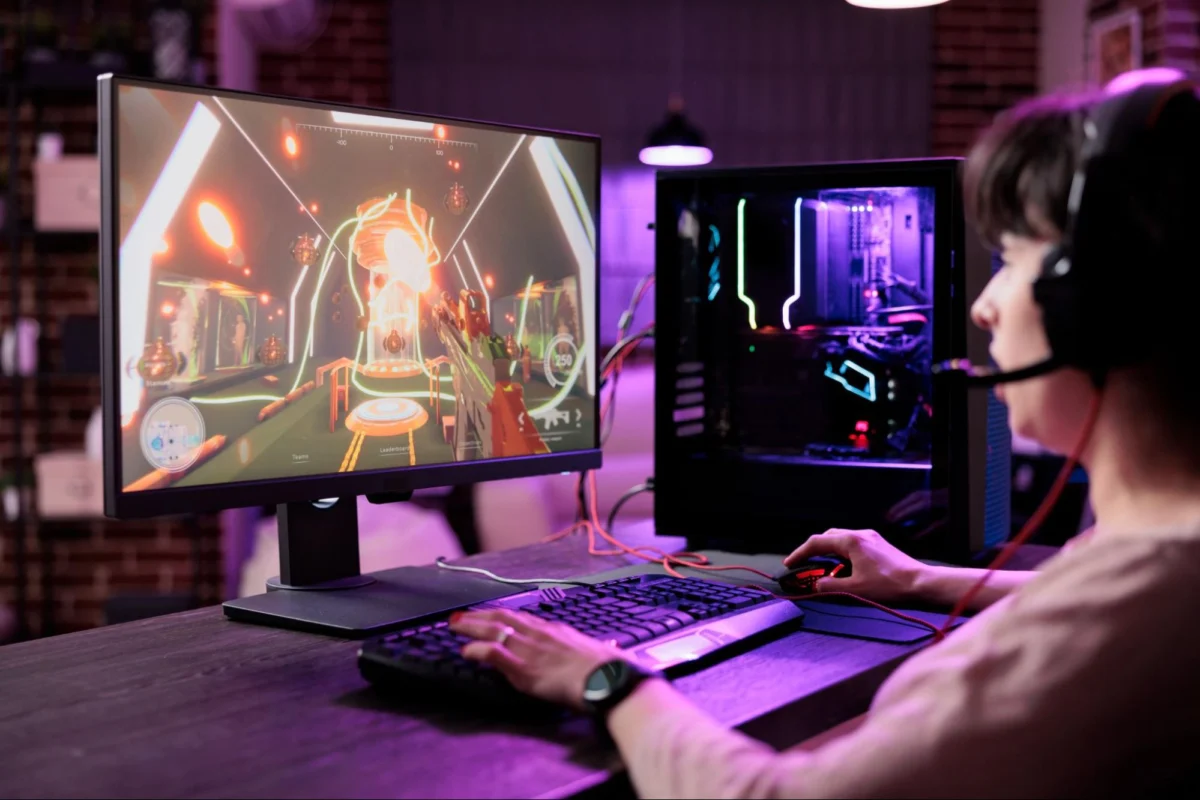
The landscape of video gaming has undergone a profound metamorphosis, evolving from a niche pastime confined to living rooms and arcades into a multifaceted global industry that redefines social interaction, entertainment consumption, economic models, and community building. This dramatic shift, fueled by technological advancements and widespread internet adoption, has reshaped how individuals connect, compete, and even earn a living, blurring the lines between player, spectator, and creator. While the nostalgia for shared controllers and couch co-op endures, modern gaming now offers an expansive digital realm where friends meet online across continents, compete against strangers in high-stakes tournaments, or simply unwind by watching others play, all while presenting novel opportunities for engagement and, in some cases, financial reward. The persistent nature of online communities ensures that connections forged through gaming can endure for years, transcending the lifespan of any single title.
The Evolution of Social Interaction: From Local Play to Global Connectivity
Prior to the widespread availability of home internet access, the essence of multiplayer gaming resided in physical proximity. Players gathered in the same room, sharing screens and controllers, with interactions largely limited to the immediate environment. This era, characterized by split-screen action and local area network (LAN) parties, fostered a unique brand of camaraderie and competition. However, the advent of broadband internet fundamentally altered this dynamic, ushering in an age where geographical barriers became irrelevant, and the concept of a "gaming friend" expanded exponentially.
The transition began tentatively with early online multiplayer titles, often requiring technical prowess to set up connections. As internet infrastructure matured and game development embraced online functionality, Massively Multiplayer Online (MMO) games like EverQuest and World of Warcraft pioneered persistent online worlds where thousands of players could interact simultaneously, forming guilds, embarking on quests, and forging enduring bonds. This laid the groundwork for the modern online multiplayer experience, which has become a staple across genres.
Today, games like Minecraft exemplify this global collaboration, allowing friends living hundreds or even thousands of miles apart to collaboratively build intricate worlds over extended periods. One player might dedicate an evening to constructing an elaborate house, while another explores distant biomes for rare materials; neither needs to be online concurrently for the project to advance. Similarly, the fast-paced, team-based combat of Fortnite fosters intense, real-time social dynamics. Players often develop deep understandings of their teammates’ playstyles—identifying the aggressive frontline rusher, the cautious sniper, or the unpredictable wild card. These ad-hoc alliances frequently evolve into sustained friendships, with random teammates becoming regular companions for nightly sessions.
Supporting this trend, a 2024 Pew Research Center study highlighted the profound impact of online gaming on youth socialization, revealing that 47% of teenage gamers in the U.S. had made a friend online through gaming. Furthermore, the study indicated that a significant 89% of these teens played with other people, whether online or in person, underscoring the inherently social nature of contemporary gaming. This data reflects a shift in social paradigms, where digital platforms are increasingly vital spaces for relationship building, sometimes even surpassing traditional face-to-face interactions in frequency for certain demographics. Industry analysts suggest that these online friendships, often based on shared interests and collaborative experiences, can be as meaningful and supportive as those formed offline, providing a sense of belonging and community.
Gaming as Spectacle: The Rise of Streaming and Esports
Beyond playing, gaming has cultivated an entirely new form of entertainment: watching. The proliferation of streaming platforms and the professionalization of competitive gaming (esports) have transformed video games into a spectator sport, captivating millions globally. This phenomenon began subtly with early online videos but exploded with dedicated platforms like Twitch and YouTube Gaming.
The journey of a game from obscurity to global sensation can often be traced back to a popular streamer. Among Us, for instance, had been available for two years before prominent streamers adopted it in 2020. Its unique social deduction gameplay, combined with the unpredictable and often humorous reactions of content creators, propelled it into a massive cultural phenomenon, demonstrating the immense power of influencer marketing within the gaming ecosystem. A single viral clip can now generate thousands, if not millions, of new players for a previously unknown title.
Watching games has solidified its place as a legitimate pastime. Millions tune into Twitch or YouTube daily, not necessarily to play the games themselves, but to follow their favorite creators. Viewers engage with the personality, the witty commentary, the interactive chat, or the sheer entertainment of witnessing a player overcome an impossible challenge after hours of perseverance. The dynamic interaction between streamers and their audience creates a unique, communal viewing experience, fostering parasocial relationships and building dedicated fan bases. Market research firms estimate that the global live streaming market, heavily influenced by gaming content, is projected to reach tens of billions of dollars annually, indicating its significant economic and cultural footprint.
Parallel to streaming, esports has emerged as a professional competitive arena with massive fan bases and substantial financial backing. Titles like Rocket League, Valorant, League of Legends, and Dota 2 boast highly organized competitive scenes featuring professional teams, dedicated coaching staff, multi-million dollar prize pools, and major international tournaments filling vast arenas. Fans avidly follow their favorite players and teams, engaging in spirited debates about roster changes, strategic decisions, and long-standing rivalries that can span years. The investment from major corporations, including endemic gaming brands and non-endemic sponsors like Coca-Cola and Red Bull, underscores the mainstream acceptance and commercial viability of esports.
Local initiatives further cement this trend. In December 2021, the South Bend Tribune extensively covered the PWR Up South Bend gaming conference held at Indiana’s Bendix Arena. This event served as a hub for the local gaming community, offering opportunities for visitors to meet game developers, participate in competitive tournaments, and collaboratively try new games. The conference also featured discussions on game development, highlighting the growing academic and professional interest in the industry. Such regional events underscore the grassroots growth of gaming culture, blending competitive play with educational and community-building aspects.
The Power of Community: Learning, Creativity, and Collaboration
Beyond competition and entertainment, modern gaming has fostered vibrant, expansive communities that serve as powerful platforms for learning, creativity, and collaboration. The days of deciphering cryptic instruction manuals or relying solely on word-of-mouth tips are long past. Today, if a player is stuck on a particular level or puzzled by a game mechanic, the answer is almost certainly available online, often within minutes. Platforms like Reddit host dedicated subreddits for virtually every game, where players share discoveries, ask questions, and offer solutions. YouTube is replete with comprehensive walkthroughs and tutorial videos, while Discord servers provide real-time communication channels for active communities, sometimes years after a game’s initial release.
These communities are not merely repositories of information; they are dynamic ecosystems of knowledge generation. Discussions often delve into surprisingly technical depths, with players spending countless hours theorycrafting different character builds, meticulously comparing weapon statistics, dissecting game updates for subtle changes, and optimizing strategies for maximum efficiency. Collaborative guides, frequently hosted on wikis or community forums, can evolve into monumental projects, with hundreds of individuals contributing corrections, high-quality screenshots, advanced tactics, and new discoveries long after the initial version was published. This collective intelligence significantly extends the longevity and depth of many games, offering a constantly evolving body of knowledge for players to tap into.
Moreover, a significant segment of the gaming community is driven by creative impulses rather than just competitive or informational needs. These creators leverage game engines and modding tools to produce original content, ranging from custom maps and levels that offer fresh challenges to elaborate modifications ("mods") that fundamentally alter gameplay mechanics, introduce new characters, or enhance graphics. Beyond direct game modification, artists and designers inspired by their favorite characters and narratives create stunning fan art, animations, and elaborate cosplay, sharing their work across social media and specialized art platforms. These creations are circulated, iterated upon, and occasionally achieve such popularity that they attract new audiences who may not have even played the original game, illustrating the powerful ripple effect of community-driven creativity. The open-source nature of many modding communities fosters a culture of sharing and improvement, democratizing aspects of game development and empowering players to become active contributors to the very games they love.
The Evolving Economics of Gaming: New Models and Monetization
The financial landscape of gaming has undergone a radical transformation, moving far beyond the traditional one-time purchase model. While a significant portion of games still adhere to an initial download or retail price, the industry has embraced diverse monetization strategies that generate continuous revenue streams and introduce novel economic dynamics. These include in-game purchases (IAPs) for character outfits, cosmetic items, expansion packs, and seasonal content. The rise of free-to-play (F2P) games has been particularly impactful, offering hours of entertainment without an upfront cost, yet generating substantial revenue through optional purchases that can quickly accumulate.
Players often invest heavily in customizing their experience, whether it’s acquiring a rare "skin" to personalize a character’s appearance or purchasing a limited-edition item available only for a short period. The emotional and social value attached to these digital assets can drive significant spending, even for items that offer no competitive advantage. Industry reports indicate that in-game purchases now account for billions of dollars annually, demonstrating their central role in the modern gaming economy. Some games also incorporate marketplaces where players can trade or even resell certain in-game items, creating a secondary digital economy. However, the value of these items is highly volatile, subject to demand fluctuations and platform-specific marketplace rules; an item highly sought after last month might struggle to find a buyer today.
On the other side of this economic coin lies the potential for players to earn money through gaming, though this path is often challenging and highly competitive. Winning prize money at esports tournaments is one avenue, rewarding elite skill and dedication with substantial payouts. However, becoming a professional esports player requires extraordinary talent, relentless practice, and often, a degree of luck. Similarly, making a living from streaming, as detailed by MoneyUnder30, requires immense commitment. Building an audience large enough to generate meaningful income through subscriptions, donations, and advertisements can take months or even years of consistent content creation and audience engagement.
For those seeking more modest returns on their gaming time, rewards programs offer another option. These programs, often linked to specific platforms or gaming apps, allow players to accumulate points that can be redeemed for gift cards, merchandise, or small cash payouts. While accessible, the payouts from such programs tend to be relatively small, and players often need to accrue a significant number of points over an extended period before they can redeem anything substantial, as highlighted by MoneyUnder30 regarding paid gaming apps. These micro-economic models represent a fundamental shift in how games are financed and how players perceive the value of their time and digital assets.
Navigating the Challenges: The Dark Side of Connectivity
While connected gaming offers unparalleled opportunities for social interaction, entertainment, and economic engagement, it also presents a significant array of challenges and risks. The very connectivity that fosters global communities can also expose players to harassment, scams, and account theft, particularly when interacting with strangers through voice chat or direct messages. The anonymity afforded by online platforms can embolden individuals to engage in toxic behavior, ranging from verbal abuse and cyberbullying to hate speech and targeted harassment.
These problems are not confined to adult interactions. The 2024 Pew Research survey revealed that a concerning 41% of teenage gamers reported being called an offensive name while playing, underscoring the prevalence of negative online experiences among younger demographics. Beyond direct harassment, the immersive nature of gaming can lead to other issues. The same survey found that just as many teenage gamers reported that gaming had interfered with their sleep, highlighting potential impacts on physical health and academic performance. Psychologists and child development experts increasingly warn about the risks of excessive screen time and the potential for gaming addiction, which can disrupt daily life, relationships, and responsibilities.
Financial exploitation, especially targeting younger players, is another serious concern. Children, often lacking a full understanding of real-world monetary value, can inadvertently accumulate substantial charges through in-game purchases that require only a few clicks. The Federal Trade Commission (FTC) issued a consumer alert in 2025, specifically warning parents about unexpected gaming charges and advising them to review game ratings, enable parental controls, and set strict purchasing restrictions on devices and accounts. Scams, phishing attempts, and account hacking are also persistent threats, with malicious actors constantly seeking to exploit vulnerabilities or trick players into divulging sensitive information. Game developers and platform providers are continuously implementing new security features, moderation tools, and reporting mechanisms, but the onus also falls on players and parents to exercise caution and digital literacy.
The Horizon of Gaming: What Comes Next?
The trajectory of gaming is one of relentless innovation and expansion. The profound shifts witnessed over the past two decades—from localized entertainment to a global, interconnected phenomenon with complex social, economic, and cultural dimensions—suggest that the industry’s evolution is far from over. Future transformations are likely to be driven by emerging technologies that are currently in nascent stages or even yet to be conceived.
Virtual Reality (VR) and Augmented Reality (AR) technologies, though still maturing, promise to deliver unprecedented levels of immersion and interaction, potentially redefining how players experience game worlds and engage with digital content. Artificial Intelligence (AI) is poised to create more dynamic, responsive, and personalized gaming experiences, from sophisticated non-player characters (NPCs) to adaptive game environments. Cloud gaming platforms are steadily gaining traction, offering the promise of high-fidelity gaming without the need for expensive local hardware, making advanced gaming more accessible to a broader global audience. The conceptual framework of the "metaverse," a persistent, interconnected virtual universe, further hints at a future where gaming seamlessly integrates with social interaction, commerce, and digital identity.
Twenty years ago, few could have predicted that watching strangers play video games would become a full-time hobby for millions, much less a lucrative career path for thousands. The gaming industry’s remarkable capacity for innovation and adaptation guarantees that the experiences, interactions, and opportunities it offers will continue to evolve in fascinating and unpredictable ways. The ongoing transformation underscores not just the resilience of the gaming sector but its profound and growing impact on global culture, economy, and human connectivity. It will be genuinely intriguing to observe the new forms of play, community, and engagement that players will embrace in the next two decades.

