

The commencement of a new bullet journal, often referred to as a "bujo," is a moment brimming with potential. While the prospect of a blank notebook can be both exhilarating and slightly daunting, the initial pages, particularly the cover page, hold significant power. This foundational element sets the entire tone for the journal, offering a prime opportunity for personal expression, creative flair, and motivational reinforcement. Whether one leans towards a minimalist aesthetic, a powerful quote, or an elaborate illustration, the possibilities for crafting a unique and meaningful introduction are virtually limitless. This exploration delves into a curated selection of bullet journal cover page concepts designed to empower individuals to embark on their journaling journey with confidence and purpose.
The Significance of a Personalized Identity: Naming Your Bullet Journal

Giving a bullet journal a distinct name is a fundamental step in fostering a personal connection and elevating its status from a mere notebook to a valued companion. This act imbues the journal with an identity, transforming it into a personalized repository of thoughts, plans, and aspirations. The nomenclature can range from the straightforward, such as "My Daily Planner" or "Yearly Reflections," to more creative and evocative titles that encapsulate the user’s personality or the journal’s intended purpose.
The presentation of this name is equally important. It can be rendered in bold, impactful lettering, adorned with intricate doodles, or highlighted with carefully selected stickers to ensure it commands attention. This seemingly minor detail serves as a daily invitation, making the act of opening the journal each day a more engaging and inspiring experience. The practice of naming personal tools is not new; historically, artisans named their prized instruments, and authors often developed distinct personas for their creative outlets. Applying this to a bullet journal reinforces its role as a tool for self-discovery and personal development.
Conceptualizing the Cover: Diverse Approaches to the Initial Page

The first page of a bullet journal acts as a visual gateway, a prelude to the contents within. Its design can serve multiple purposes, from setting a clear intention for the journaling period to providing immediate inspiration.
A Catchy Tagline: Defining the Journal’s Essence
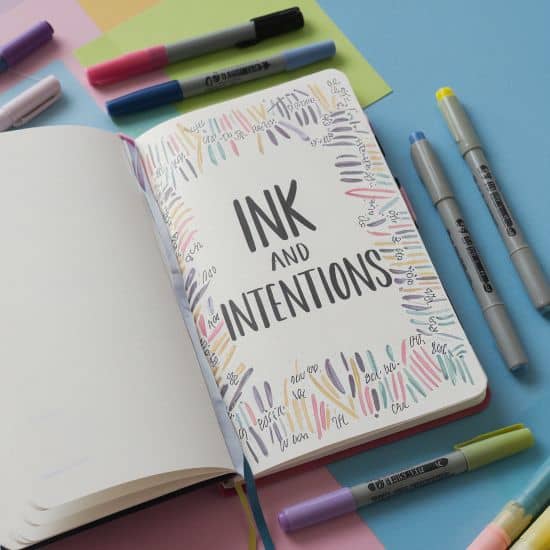
A well-chosen tagline can encapsulate the overarching theme or aspiration for the bullet journal. For instance, "Ink and Intentions" suggests a blend of creative writing and purposeful planning. Such a phrase, when artfully presented, immediately communicates the journal’s function and philosophical underpinnings. This approach draws parallels with branding in marketing, where a concise slogan defines a product’s core value proposition.
A Motivational Statement: Fueling Forward Momentum
Beyond a simple title, a motivational statement can serve as a constant reminder of one’s driving forces. Phrases like "Make it Happen" or "Embrace the Journey" are powerful declarations of intent. The visual execution of these statements, whether through elegant calligraphy or bold typography, amplifies their impact. The psychological principle of self-affirmation suggests that repeated exposure to positive statements can influence mindset and behavior, making this a potent strategy for cover page design.
The Welcome Mat: Setting the Tone for Engagement
The welcome page, often the very first page encountered, is designed to invite the user into the journal’s world. It’s an opportunity to create a warm and encouraging atmosphere, setting a positive precedent for the journaling sessions that will follow.
Encouraging Your Thoughts: A Gentle Invitation
A simple yet effective welcome message, such as "Welcome Back," can foster a sense of continuity and anticipation. This sentiment is particularly relevant for individuals who might have taken breaks from journaling, offering a non-judgmental reentry point. This mirrors the hospitality industry’s practice of personalized greetings to make guests feel valued and at ease.

Establishing the Temporal Framework: The Current Year
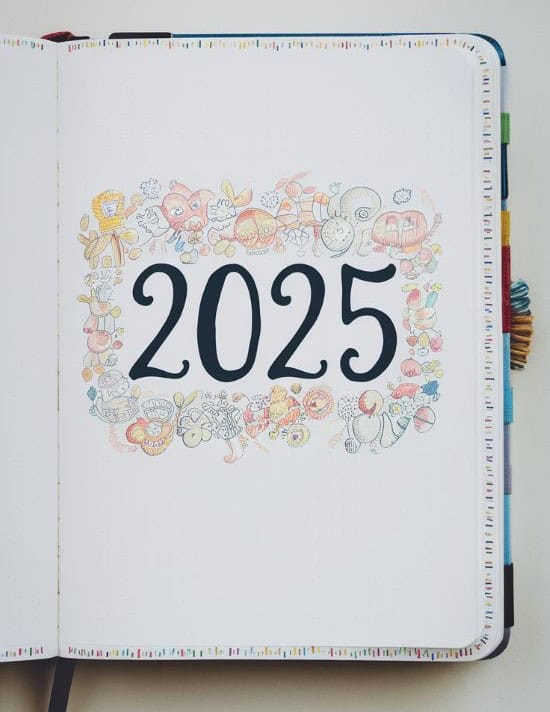
Dedication of a page to the current year provides a clear temporal anchor for the bullet journal. This serves as a visual marker, grounding the contents within a specific timeframe and facilitating future reference. The presentation can range from simple numerical entries to more elaborate artistic interpretations.
Make This Year Your Year: A Declaration of Ambition
This approach emphasizes personal agency and the potential inherent in a new year. By inscribing "This Year is Mine" or a similar declaration, the user actively claims ownership of their time and experiences. This resonates with goal-setting methodologies that encourage a proactive mindset from the outset. The practice of marking significant temporal boundaries, such as New Year’s Day, is deeply ingrained in human culture, and this application within a personal journal amplifies that sentiment.

The Guiding Star: Embracing a Word of the Year
Selecting a "word of the year" has gained considerable traction as a personal development practice. This singular word acts as a guiding principle, a thematic focus for the entire year. It should reflect an individual’s core goals, desired mindset, or areas they wish to cultivate.
Consistent and Present: Cultivating Mindful Habits
Words like "Growth," "Balance," "Courage," or "Presence" can serve as powerful touchstones. Writing the chosen word prominently, perhaps accompanied by a brief explanation of its personal significance, transforms the cover page into a constant reminder of one’s intentions. This practice aligns with the principles of habit formation, where a clear and consistent focus can lead to tangible behavioral changes. The emphasis on consistency is a cornerstone of many productivity and self-improvement systems, underscoring its importance.
Achieving Greatness: Aspiring to Higher Standards
For those with ambitious goals, a word like "Success" or "Excellence" can serve as a potent motivator. The visual repetition of such words, as seen in some designs, can create a powerful mantra-like effect. Research in positive psychology highlights the impact of goal-directed language on motivation and achievement.
Inspirational Anchors: Motivational Quotes and Phrases
A curated motivational quote or phrase can serve as a daily dose of inspiration, providing encouragement and perspective whenever the journal is opened. The selection of such a quote is deeply personal, drawing from favorite literature, song lyrics, or personal mantras.

Focused and Proactive: Driving Action and Momentum
Statements such as "I will get focused and take action now" serve as direct calls to action. These phrases are designed to cut through procrastination and propel the user towards their objectives. The effectiveness of such direct commands is rooted in behavioral psychology, which suggests that clear instructions can elicit immediate responses.
Organized and Productive: Streamlining Efforts
Conversely, phrases like "Get organized and be productive" offer a more strategic reminder of desired outcomes. This approach acknowledges the foundational importance of structure and efficiency in achieving goals. The connection between organization and productivity is well-documented in time management literature.
Cultivating Positivity: The Power of Affirmations

A page dedicated to positive affirmations can be instrumental in shifting one’s mindset and bolstering self-confidence. These are empowering statements that, when repeated, can foster a more optimistic outlook.
Expression of Gratitude: Fostering Appreciation
Affirmations such as "I am grateful for the abundance in my life" or "I choose kindness and empathy today" are designed to cultivate a positive emotional state. The practice of gratitude journaling has been widely studied and shown to have numerous benefits, including increased happiness and reduced stress. This application on the cover page ensures that this positive focus is present from the very beginning of each journaling session.
Artistic Expression: Doodles and Personal Touches

Beyond text-based elements, artistic doodles offer a vibrant and personal way to adorn the bullet journal’s cover. These can range from simple decorative borders to intricate illustrations, adding a unique visual flair.
My Bujo – My Year: A Personal Manifesto
This approach combines the personal naming of the journal with a broader statement of intent for the year. It suggests a comprehensive and personal engagement with the journaling process. The use of vibrant colors and dynamic lettering can further enhance the energetic feel of such a page. This reflects the growing trend of bullet journaling as a form of creative self-expression, moving beyond purely functional applications.
Foundational Elements: The Bujo Basics

For individuals who primarily utilize their bullet journal for planning and organization, the key and index pages serve as critical foundational elements. These can also be effectively repurposed as cover pages, blending functionality with the initial impression.
Index Page: Navigating Your Journal’s Landscape
The index page acts as a vital navigational tool, providing a roadmap to the journal’s contents. By listing sections and their corresponding page numbers, it allows for quick and efficient retrieval of information. This mirrors the organizational structure of books and reports, where an index is essential for usability.
Key Page: Decoding the Symbols of Productivity
The key page defines the system of symbols used throughout the bullet journal to denote tasks, events, notes, and their statuses. A well-defined key ensures consistency and clarity, enabling users to quickly scan and interpret their entries. This is the core of the original bullet journal methodology, developed by Ryder Carroll, emphasizing efficiency and adaptability.

Conclusion: Crafting an Inspiring Beginning
The initial pages of a bullet journal are more than just paper; they are a canvas for personal intention, creativity, and motivation. By thoughtfully designing the cover page—whether through personalized titles, inspiring quotes, affirmations, artistic doodles, or essential organizational elements—individuals can create a welcoming and empowering introduction to their journaling practice. This first impression profoundly influences how one interacts with their journal, transforming it into a dynamic tool for self-reflection, goal achievement, and personal growth. The beauty of the bullet journal lies in its adaptability; there is no single "correct" way to begin. The most effective approach is to start, experiment, and allow the journal to evolve organically alongside the user’s journey.
The Broader Impact of Bullet Journaling

The rise in popularity of bullet journaling can be attributed to several factors. In an increasingly digital world, the tactile nature of physical journaling offers a welcome respite and a more mindful engagement with information. Furthermore, the inherent flexibility of the bullet journal system allows individuals to tailor it to their unique needs, whether for academic planning, professional organization, personal development, or creative expression. Studies have indicated that journaling can lead to improved mental well-being, enhanced self-awareness, and increased productivity. The personalization of the cover page, as highlighted in this exploration, plays a crucial role in fostering this engagement, making the journal a more appealing and motivating tool. The visual examples provided, such as the "Ink and Intentions" cover or the "Make This Year Your Year" declaration, illustrate how these elements can serve as powerful psychological anchors, guiding users towards their desired outcomes. The trend also reflects a broader societal interest in mindfulness, self-care, and personal growth, with bullet journaling emerging as a popular and accessible method for pursuing these aspirations.

