
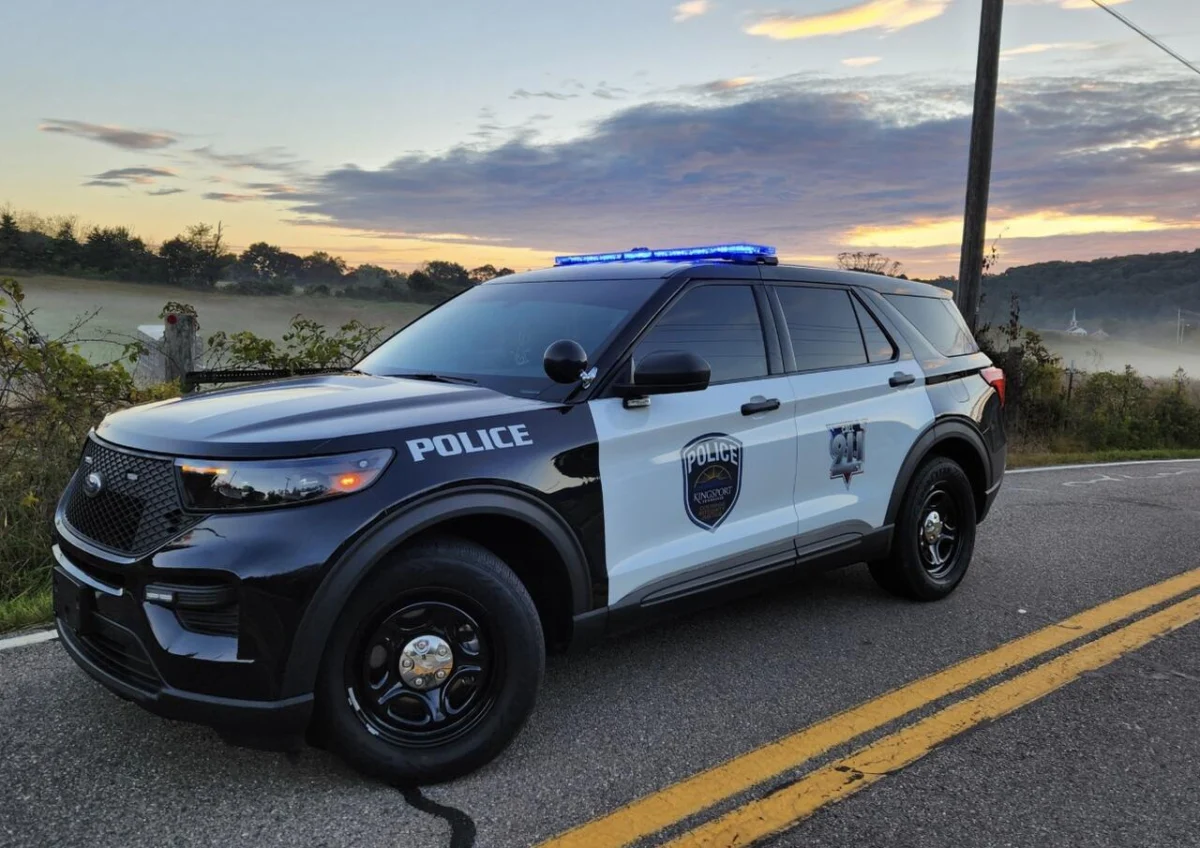
A Tennessee man, Joshua Gibbons, has initiated a civil lawsuit against the Kingsport Police Department, the city of Kingsport, its police chief, and several individual officers, asserting that law enforcement officials targeted and retaliated against him for exercising his First Amendment right to record and publicly criticize an officer’s conduct. This legal action follows a protracted criminal case that spanned nearly four years, culminating in a state appellate court unanimously overturning his disorderly conduct conviction, thereby vindicating his original contention of protected speech. The Foundation for Individual Rights and Expression (FIRE), a non-profit organization dedicated to defending free speech, is supporting Gibbons in his pursuit of accountability, highlighting the critical importance of citizen oversight of police and the constitutional protections afforded to such actions.
The Genesis of a Conflict: An Officer, a Camera, and a Public Critique
The saga began in October 2022, when Joshua Gibbons observed a Kingsport Police Department SUV traveling at a high rate of speed during nighttime hours, notably without its emergency lights activated. Concerned by what he perceived as potentially reckless driving by a public servant, Gibbons, who routinely records police activity and publishes his observations online, decided to document the incident. He recorded the vehicle as it proceeded, eventually catching up with the officer at a local fast-food establishment. At this point, Gibbons engaged the officer, questioning him directly about his driving behavior. According to Gibbons, the initial interaction concluded without incident; the officer simply continued on his way, seemingly unperturbed by the verbal challenge or the recording.
However, the situation took a significant turn after Gibbons uploaded the footage of this encounter to his YouTube channel. Gibbons has established a public presence through his online videos, which frequently feature his interactions with and observations of law enforcement. FIRE contends that it was this public dissemination of the video, bringing attention to the department, that triggered a punitive response from the Kingsport Police.
Escalation: Scrutiny, a Questionable Warrant, and a Pre-Dawn Raid
The narrative supplied by FIRE and Gibbons’s lawsuit suggests that the Kingsport Police Department began scrutinizing his YouTube account following a separate complaint. This complaint reportedly stemmed from another piece of footage Gibbons had published, in which an officer appeared to make an obscene gesture towards him. It was in the wake of this heightened attention, the lawsuit alleges, that police then turned their focus to the earlier video involving the speeding officer.
Authorities subsequently sought and obtained a warrant for Gibbons’s arrest. The warrant accused him of disorderly conduct, along with several traffic violations purportedly related to his own driving while recording the officer. A critical detail emphasized by FIRE is that this warrant was allegedly secured through a court clerk rather than being presented before a judge for review and approval. This procedural bypass raises questions about the level of judicial scrutiny applied to the charges and whether probable cause was adequately established before the warrant’s issuance.
The response to this warrant was swift and, according to Gibbons, disproportionately aggressive. Nine days after his initial encounter with the officer, before sunrise, a contingent of eight armed officers descended upon Gibbons’s residence. He was taken into custody in front of his young daughter and elderly mother, an event he describes as profoundly traumatic and designed to instill fear and silence him. Gibbons has publicly stated that the raid had a lasting, detrimental impact on his family, leaving them feeling insecure in their own home. He views the lawsuit as not just a quest for personal justice, but a necessary step to prevent similar intimidation tactics from being used against other citizens who dare to hold law enforcement accountable.
A Four-Year Legal Gauntlet: From Conviction to Unanimous Vindication
What followed the pre-dawn arrest was a protracted and arduous legal battle that stretched across nearly four years, testing Gibbons’s resolve and draining his resources. During his first trial, he successfully defended himself against the traffic-related accusations, securing an acquittal on those charges. However, he was convicted of disorderly conduct, a charge he vehemently disputed as an infringement on his First Amendment rights.
Undeterred, Gibbons challenged this conviction, leading to a second trial in circuit court. Despite his efforts, a jury in this subsequent proceeding again found him guilty of disorderly conduct. The persistence of the legal system in pursuing the charge, even after initial setbacks for the prosecution, underscores the perceived seriousness of his alleged offense from the perspective of the Kingsport authorities.
The turning point came when Gibbons appealed his case to the Tennessee Court of Criminal Appeals. In a unanimous decision rendered in June, the appellate court delivered a decisive victory for Gibbons, reversing his conviction and dismissing the remaining disorderly conduct charge entirely. The court’s ruling served as a powerful affirmation of his constitutional rights and a rebuke of the lower court’s findings.
The Appellate Court’s Decisive Ruling: Upholding Free Speech and Limiting Disorderly Conduct
The Tennessee Court of Criminal Appeals’ unanimous decision was meticulous in its reasoning, dismantling the prosecution’s case against Gibbons. The judges specifically found that the evidence presented did not establish the elements necessary for a conviction of disorderly conduct. Their ruling highlighted several key points:

- No Threat or Violence: The court noted that Gibbons had neither threatened anyone nor engaged in violent behavior during his interaction with the officer. His actions were limited to questioning and recording.
- No Obstruction of Lawful Activity: His comments and actions did not impede the officer from carrying out any lawful duty or activity. The officer was able to continue on his way after the brief exchange.
- Offensive Language Alone Not Criminal: Crucially, the ruling underscored a fundamental principle of First Amendment jurisprudence: offensive or insulting language directed toward a police officer does not, by itself, constitute criminal conduct. While such language might be deemed disrespectful or inappropriate, it falls within the realm of protected speech unless it incites immediate violence or poses a true threat.
This judicial clarification reinforces the high bar for prosecuting individuals for speech-related offenses, particularly when directed at public officials in public spaces. It emphasizes that the mere discomfort or offense taken by an officer to criticism does not equate to a criminal act, safeguarding citizens’ ability to express dissent.
The Role of FIRE and the Broader Context of Citizen Oversight
The Foundation for Individual Rights and Expression (FIRE) has been a vocal advocate for Gibbons throughout his ordeal, providing legal support and amplifying his case. Adam Steinbaugh, an attorney with FIRE, emphasized the critical timing of the events, arguing that the officer initially encountered by Gibbons did not perceive his criticism as criminal behavior. It was only after Gibbons published the encounter online, drawing public attention to the department, that police allegedly decided to pursue charges. This sequence of events, FIRE contends, strongly indicates a retaliatory motive rather than a legitimate concern for public order or safety.
The case of Joshua Gibbons resonates with a broader national conversation regarding citizen oversight of law enforcement and the First Amendment right to record police. In an era of widespread smartphone ownership, citizens are increasingly documenting their interactions with law enforcement. Numerous court decisions across the United States have affirmed the constitutional right to record police officers performing their duties in public spaces, recognizing it as a vital component of free speech and a mechanism for government transparency and accountability. Organizations like the American Civil Liberties Union (ACLU) and FIRE routinely champion these rights, often litigating cases where they believe this fundamental freedom has been infringed upon.
Data from various legal and civil rights organizations indicates a rising trend in citizen recordings of police encounters, often leading to increased scrutiny of law enforcement practices. While some departments have embraced body cameras and transparency, others have shown resistance to external oversight, leading to confrontations like the one experienced by Gibbons. Legal experts note the increasing frequency of First Amendment challenges in cases where citizens are charged with offenses like disorderly conduct or obstruction after recording police, highlighting a tension between police authority and individual liberties.
The Civil Lawsuit: Seeking Accountability and Systemic Change
With his criminal conviction overturned, Joshua Gibbons is now seeking redress through the civil justice system. His lawsuit aims to hold the city of Kingsport and its police department officials accountable for what he alleges was a deliberate act of retaliation against constitutionally protected activity. The suit seeks not only compensation for the damages he and his family have suffered—including the emotional distress from the pre-dawn raid and the prolonged legal battle—but also to force systemic changes within the Kingsport Police Department.
Gibbons has expressed a clear desire for the lawsuit to serve a purpose beyond his individual case. He hopes it will compel Kingsport police to re-evaluate and reform their policies and practices regarding how they respond to citizens who record or criticize officers. This includes ensuring that department protocols align with established First Amendment rights and that officers are properly trained to de-escalate rather than retaliate against public criticism. The lawsuit could potentially lead to mandated training, revised departmental guidelines, or even independent oversight mechanisms designed to prevent similar incidents in the future.
Implications and Future Outlook
The Gibbons lawsuit carries significant implications, both locally for Kingsport and potentially more broadly for police-community relations and First Amendment jurisprudence in Tennessee.
For the Kingsport Police Department, the lawsuit presents a formidable challenge. While law enforcement agencies typically defend their officers’ actions and investigative processes, the unanimous appellate court ruling in Gibbons’s favor significantly weakens their position regarding the initial charges. The department will likely argue that officers acted within the scope of their duties and that the arrest was based on a valid warrant, irrespective of how it was obtained. However, the court’s clear finding that Gibbons’s actions did not constitute disorderly conduct directly undermines the legal basis for his arrest and subsequent prosecution. The department has not yet issued a public statement regarding the specifics of the civil lawsuit, adhering to standard practice during ongoing litigation. Nevertheless, the legal and public relations challenges are substantial.
The case could set a precedent in Tennessee, further solidifying the rights of citizens to record and criticize police without fear of retaliatory prosecution. It highlights the potential for misuse of charges like "disorderly conduct" to silence dissent, a concern frequently raised by civil liberties advocates. Should Gibbons prevail, it would send a strong message to law enforcement agencies across the state about the boundaries of their authority when interacting with critical citizens.
Beyond the immediate legal outcomes, the lawsuit’s impact on police-community trust in Kingsport could be profound. Incidents involving aggressive arrests for what are later deemed protected activities can erode public confidence in law enforcement fairness and impartiality. A successful outcome for Gibbons, particularly one that mandates policy changes, could be a step towards rebuilding that trust by demonstrating a commitment to constitutional rights and accountability. Conversely, a prolonged and contentious legal battle could further strain relations.
Ultimately, Joshua Gibbons’s pursuit of justice represents a crucial test of First Amendment protections in the face of perceived official overreach. It underscores the ongoing struggle to balance law enforcement’s need to maintain order with citizens’ fundamental rights to free speech and oversight of government actions. The resolution of this civil lawsuit will be closely watched by civil liberties advocates, legal scholars, and citizens alike, as it will inevitably shape the landscape of police accountability and free speech rights for years to come.

