

The digital marketing landscape is currently witnessing a high-stakes leadership transition as Smart Passive Income (SPI), a pioneering brand in the online business education sector, navigates a significant reduction in its core audience metrics. Following the recent acquisition and leadership handover from founder Pat Flynn to a new principal owner, the organization has reported a cumulative loss of approximately 18,000 email subscribers. This reduction stems from a combination of anticipated audience churn during the transition and the discovery of a long-standing technical failure in the company’s automated list maintenance protocols. The new leadership has responded by announcing a strategic pivot toward radical transparency and the revival of legacy content formats to re-establish brand trust and stabilize the community.
The loss of subscribers occurred in two distinct phases. Initially, the brand recorded over 1,000 voluntary unsubscribes following the dispatch of two introductory emails from the new owner. This churn was largely attributed to the "personal brand" nature of SPI, where a significant portion of the audience remains deeply loyal to the founder, Pat Flynn. However, a more substantial impact was felt when an internal audit revealed that the platform’s "cold scrub" automation—a process designed to remove inactive users to maintain high deliverability rates—had been malfunctioning for several years. This discovery resulted in the immediate removal of 17,000 inactive accounts, revealing that a large segment of the perceived audience had not engaged with the brand’s digital communications for an extended period.
The Evolution of a Digital Marketing Landmark
To understand the gravity of these developments, one must look at the historical significance of Smart Passive Income within the creator economy. Founded by Pat Flynn in 2008 following his layoff from an architecture firm, SPI became a cornerstone of the "make money online" (MMO) industry. Flynn’s approach was built on the pillars of transparency, ethical marketing, and "the servant’s heart," a philosophy that stood in stark contrast to the aggressive sales tactics common in the late 2000s. Over the subsequent decade, SPI evolved from a personal blog into a multi-million dollar media entity, encompassing top-tier podcasts, best-selling books such as Superfans, and a comprehensive suite of professional courses.
The transition of leadership in such a personality-driven enterprise represents a significant case study in business continuity. Personal brands are notoriously difficult to sell or transition because the value proposition is often inextricably linked to the founder’s persona. The current owner’s mission to maintain the "spirit of Pat Flynn" while introducing a new operational era is a delicate balancing act that requires not only technical proficiency but also a high degree of emotional intelligence to retain a community built over 15 years.
Quantifying the Audience Attrition: Churn versus Technical Realignment
The reported loss of 18,000 subscribers represents a notable percentage of the brand’s reach, yet the distinction between the two types of losses is critical for a factual analysis of the company’s health. The first 1,000 unsubscribes represent "active churn." These were individuals who opened the emails, processed the change in leadership, and decided the new direction did not align with their interests. In the context of a major brand acquisition, a 1% to 5% churn rate is often considered standard, as the new leadership establishes its own voice and priorities.
The 17,000-subscriber "cold scrub" discrepancy, however, points to a deeper operational issue. In email marketing, a "cold scrub" is a vital maintenance task. When an email list contains thousands of "dead" accounts—users who do not open or click on content—it signals to Internet Service Providers (ISPs) like Gmail and Outlook that the sender may be distributing spam. This can lead to the brand’s emails being diverted to spam folders even for active, engaged users. The revelation that 17,000 individuals had been inactive for years without being purged suggests that SPI’s perceived reach was inflated by "vanity metrics." While the sudden drop in numbers may appear negative on a balance sheet, marketing analysts suggest that such a "scrub" is a necessary step for improving the long-term deliverability and engagement rates of the remaining list.
The Mechanics of List Hygiene and the Cold Scrub Discrepancy
The failure of automated systems in large-scale digital businesses is a common but rarely discussed reality. In this instance, the SPI leadership noted that the automation intended to identify and remove unengaged subscribers had been dormant or misconfigured. This led to a false sense of security regarding the total reach of the brand. The industry-standard definition of a "cold" subscriber is typically someone who has not opened an email in 60 to 90 days. For a brand as old as SPI, the accumulation of 17,000 such users over several years indicates a breakdown in the data-cleaning pipeline.

This technical correction is particularly relevant in the current privacy-centric digital environment. With the implementation of Apple’s Mail Privacy Protection (MPP) and other data-masking technologies, accurately tracking "opens" has become increasingly difficult. Organizations must now rely on more sophisticated engagement signals, such as link clicks and reply rates. The decision by the new owner to acknowledge this failure publicly serves as a strategic move to align with the brand’s historical commitment to "radical transparency," a hallmark of Pat Flynn’s original success.
Strategic Continuity: The Relaunch of The Income Stream
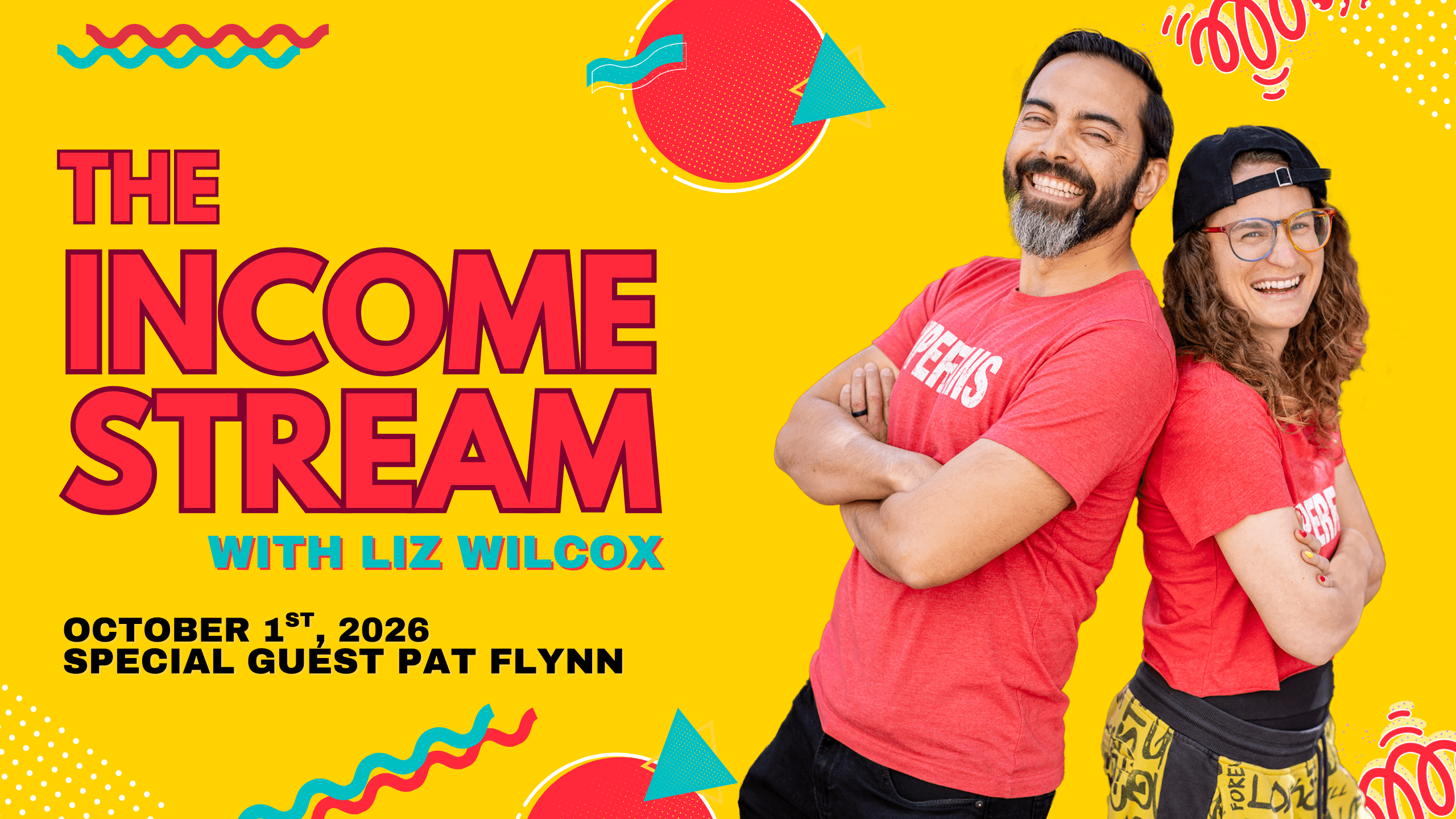
In an effort to recover the lost audience and foster direct engagement, the new leadership has announced the return of The Income Stream. Originally launched by Pat Flynn in March 2020 at the onset of the COVID-19 pandemic, The Income Stream was a daily live-streaming show designed to provide community support and business guidance during a time of global uncertainty. The show ran for 365 consecutive days, cementing Flynn’s status as a leader who showed up for his audience during a crisis.
The relaunch, scheduled for October 1st, will initially follow a three-day-a-week schedule. In a move designed to facilitate a smoother transition, Pat Flynn will return to co-host the inaugural episode. This collaboration is intended to signal to the "Pat superfans" that the foundational values of the brand remain intact, even as the ownership changes. By utilizing a live format, the new owner is placing herself in a position of vulnerability and direct accountability, allowing the audience to interact with her in real-time. This tactic is aimed at shortening the "trust cycle" that typically accompanies a change in leadership.
Navigating the Challenges of Personal Brand Succession
The transition at Smart Passive Income highlights the broader challenges of the "Creator Economy" as it matures. Many first-generation creators who built businesses around their names and faces are now looking for exit strategies or ways to move into advisory roles. However, the market for "faceless" versions of personal brands is still developing.
Observers of the SPI transition note several key factors that will determine its success:
- Trust Equity: The new owner must prove that she can deliver the same level of value that Flynn did, without simply mimicking his style.
- Operational Transparency: By sharing the "cruddy" news of the subscriber loss, the new owner is attempting to build "trust equity" through honesty, a move that resonates with the existing SPI culture.
- Community Feedback: The invitation for the audience to suggest topics for the live show indicates a "bottom-up" approach to content creation, ensuring the brand remains relevant to the current needs of its users.
The Superfans Framework as a Stabilizing Asset
Central to the brand’s strategy for recovery is the "Superfans" framework, popularized by Flynn’s 2019 book of the same name. The framework posits that a business does not need a massive audience to succeed; rather, it needs a dedicated core of followers who are deeply invested in the brand’s mission. The current leadership’s focus on "gaining the trust of someone else’s personal brand" is a direct application of this theory.
The organization is also leveraging existing assets, such as the "Superfans Content Calendar" and the "Superfans System," to provide immediate value to subscribers. These tools are designed to help other content creators build their own loyal audiences, effectively positioning SPI as a mentor brand for the next generation of entrepreneurs. By focusing on the success of the students rather than just the persona of the teacher, the new leadership hopes to shift the brand’s value proposition from "following Pat" to "achieving results through SPI’s systems."
Future Outlook for the Smart Passive Income Ecosystem
As the October 1st relaunch approaches, the industry will be watching closely to see if the "transparency-first" approach can reverse the trend of audience attrition. The new owner’s mission to "grow the audience back up" is not merely a numbers game; it is a test of whether a legacy digital brand can survive and thrive after its founder steps back.

The implications of this transition extend beyond SPI. If successful, it will provide a blueprint for other creators looking to sell their businesses or transition to new leadership. If the brand continues to see significant churn, it may serve as a cautionary tale about the limitations of personal brand longevity. For now, the leadership remains optimistic, citing the "mission" to preserve the SPI legacy for the benefit of their own family and the wider community of entrepreneurs. The forthcoming live broadcasts will likely serve as the primary barometer for the brand’s health in this new era.

