
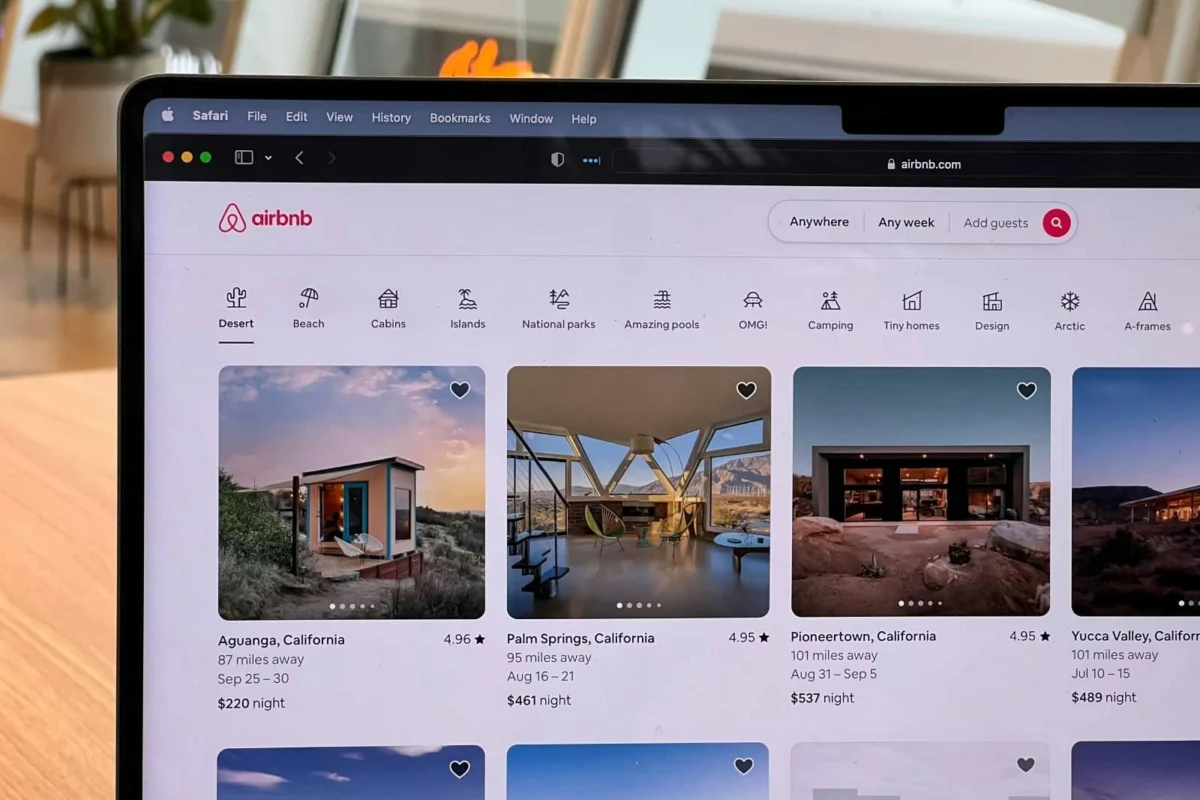
When Brian Chesky, CEO of Airbnb, concluded his presentation at the company’s Summer 2026 release event, the immediate media spotlight focused on the platform’s foray into car rentals, the expansion of its boutique hotel offerings, and its new grocery delivery service. While these guest-facing additions represent significant strategic moves for the travel giant, they have largely overshadowed a more profound and potentially disruptive shift occurring within the core booking experience: the quiet integration of four advanced AI features. These under-the-radar advancements are poised to fundamentally alter how properties secure bookings and redefine the competitive landscape for hosts and property managers worldwide.
The pivotal change lies in Airbnb’s deployment of artificial intelligence at the individual listing level. This is not a broad platform-wide enhancement, nor a category-specific adjustment. Instead, Airbnb is now leveraging AI to dynamically personalize the content a specific guest encounters on a property listing page. This means that the photos highlighted, the reviews surfaced, and the persuasive elements designed to encourage a booking will now vary significantly from one visitor to another, even for the same property. This granular personalization, driven by Airbnb’s growing understanding of individual guest preferences and travel intent, represents a significant departure from traditional listing optimization strategies and signals a new era where data-driven presentation is paramount.
The AI-Powered Transformation: Four Key Features
Airbnb’s Summer 2026 release quietly introduced four AI-driven features that will directly impact how properties are presented and ultimately booked. Understanding these changes is crucial for any host or property manager seeking to maintain or enhance their booking performance in the evolving platform environment.
Feature 1: Personalized Listing Highlights
The most immediate impact for hosts will be Airbnb’s ability to dynamically emphasize different aspects of a listing based on a guest’s perceived trip purpose and known preferences. For instance, a family traveling with young children might see the listing’s extra bedroom, child-friendly amenities, or backyard space prioritized. Conversely, a remote worker seeking a getaway might be shown details about high-speed Wi-Fi, dedicated workspaces, or the proximity to co-working facilities. This AI-driven curation means that a single listing description and set of amenities are being presented with varying emphasis to different users. The implication is clear: every attribute of a property, no matter how minor it may seem, now holds the potential to be a key selling point for a specific guest. This elevates the importance of comprehensive listing descriptions, complete amenity lists, and detailed information, as any omissions now represent potential blind spots for a segment of potential bookers.
Feature 2: AI-Curated Review Highlights
With a database exceeding one billion reviews, Airbnb is now harnessing AI to intelligently surface specific guest testimonials and even particular phrases within those reviews that directly address a guest’s expressed needs or interests. This moves beyond generic review summaries to offer highly targeted social proof. The AI will organize and present reviews that align with a property’s strongest attributes, tailoring the displayed feedback to each individual visitor. The consequence of this feature is that the quality and depth of a property’s review portfolio have become active conversion assets. Listings with sparse reviews on critical attributes, or those lacking detailed commentary on specific features, will not only appear less desirable but may become effectively invisible on those particular dimensions for interested guests.
Feature 3: "Ask About the Home" – Content-Driven Answers
Guests can now pose natural-language questions about a property, and Airbnb’s AI will endeavor to answer them by drawing information from the listing’s reviews, photos, and even map data. Questions such as "Is there a hiking trail nearby?", "Does the backyard offer ample shade?", or "Is the kitchen sufficiently spacious for a group of six?" will now be addressed directly within the platform. Previously, such queries might have led guests to external search engines or resulted in unanswered questions, potentially hindering booking decisions. By providing immediate, content-derived answers, Airbnb aims to keep potential bookers engaged. However, if the relevant information—whether a specific photo, a detail in the description, or a mention in a review—is not present or easily discoverable by the AI, the question may go unanswered, leading to a lost booking opportunity.
Feature 4: AI-Generated Listing Comparisons
When a guest saves multiple properties to a wishlist, they will now receive an AI-generated comparison. This is not a static table of amenities, but rather a personalized case made for each property, highlighting key differentiators based on the guest’s inferred preferences, prominent review themes, and other relevant distinctions. This means that competition on Airbnb is no longer solely about price or a general star rating. Instead, hosts are now competing on their ability to have Airbnb’s AI effectively advocate for their listing. Properties that offer richer, more comprehensive data—through detailed descriptions, diverse amenities, and robust reviews—will be better positioned to win these AI-driven comparative arguments.
The Strategic Imperative for Hosts and Property Managers
The fundamental shift introduced by Airbnb’s AI integration is a clear move away from passive listing management. Properties that will thrive under this new system are those that proactively provide the AI with abundant, high-quality data to work with.
For individual hosts, this redefines the purpose of their listing content. Descriptions, photo captions, amenity details, and even house manuals are no longer merely informational documents for guests; they are critical training data for the booking engine. Vague or superficial content will likely result in generic or missed opportunities, while specific, rich, and multi-dimensional content is more likely to be surfaced to the right guests at the opportune moment.
Property managers will need to re-evaluate their review strategies. The focus must shift from simply accumulating positive star ratings to encouraging detailed, attribute-specific reviews. Testimonials that mention particular features like "lightning-fast Wi-Fi," "exceptionally quiet street," or "convenient proximity to the beach" are now invaluable, indexable content that the AI can leverage. Post-checkout guest communication should be strategically designed to elicit these specifics.
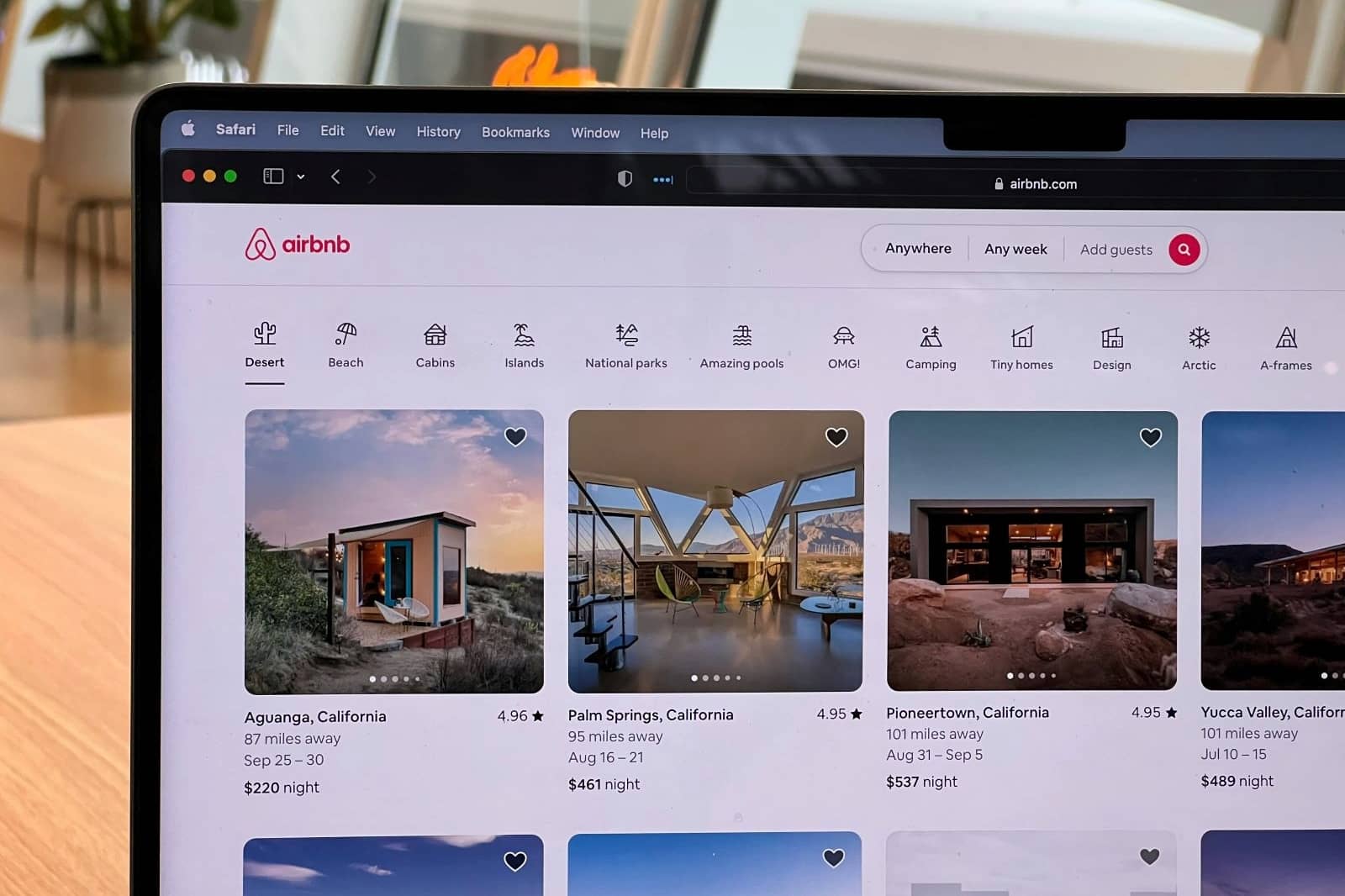
Furthermore, the approach to photography is also being upended. Beyond aesthetic appeal, photos must now serve a functional purpose. Images that visually answer common guest questions—such as the setup of a home office, the specifics of a backyard view, or the availability and nature of parking—will become increasingly important. Airbnb’s AI can now reference these visual elements in real-time responses to guest inquiries, making the functional informativeness of photography a competitive advantage.
Background and Context: A Years-Long Strategy Unfolding
The advancements revealed in Airbnb’s Summer 2026 release are not a sudden pivot, but rather the culmination of a long-term strategy meticulously developed by CEO Brian Chesky. For years, Airbnb has focused on amassing the most comprehensive profile data available on both guests and hosts within the travel industry. This data density, encompassing booking patterns, guest preferences, and property characteristics, has now reached a critical mass, enabling the platform to personalize the user experience in ways that were previously impossible for individual hosts or property managers to replicate manually.
The Summer 2026 release marks the activation of this vast data reservoir. By integrating AI at this granular level, Airbnb is leveraging its unique position to create a hyper-personalized booking journey. This represents a significant evolution from its earlier days, where a well-written description and appealing photos were the primary drivers of bookings. Now, the underlying data and its intelligent presentation are the key differentiators.
Broader Implications for the Short-Term Rental Market
The good news for hosts and property managers is that the data advantage Airbnb is building upon is, in essence, their own data—their reviews, their photos, their listing details. Hosts who have diligently invested in creating rich, detailed, and honest listings over the years are now sitting on a significant competitive asset. Conversely, those who treated their listings as a mere transactional necessity may find themselves at a disadvantage.
This moment necessitates a thorough audit of existing listings, not just for visual appeal but for informational depth. Hosts should critically assess which attributes remain undescribed, which common guest questions their current photos fail to address, and which crucial review themes lack adequate coverage. As the booking algorithm becomes significantly more sophisticated, the content within listings must evolve to match its advanced capabilities.
For example, consider the impact on pricing strategies. While AI personalizes the guest experience, understanding market dynamics remains crucial. Mashvisor’s Data API, for instance, provides occupancy rates and average daily rates for comparable properties in a given market. This data allows hosts to determine whether pricing, rather than listing content, is the primary impediment to bookings before investing time in content optimization. With access to data on over 11 million short-term rentals across the US, Mashvisor offers granular insights into occupancy rates, cap rates, cash flow estimates, and neighborhood-level comparisons, empowering hosts with the factual basis for informed decision-making.
Conclusion: The Algorithm is Now Selling
Airbnb has fundamentally transformed the booking process into a fully personalized experience. The platform now actively utilizes a property’s reviews, photos, and listing data to construct a real-time, tailored case—either for or against—that property in the eyes of every potential guest.
The hosts and property managers who recognize their listing content as a strategic asset will undoubtedly gain a competitive edge and secure more bookings. Those who fail to adapt will find themselves increasingly marginalized, not necessarily due to inferior properties, but because their data is less robust and therefore less compelling to the AI.
The algorithm has effectively taken on the role of a sales agent. The crucial takeaway for the short-term rental industry is the imperative to ensure that listings provide the AI with sufficient, high-quality fuel to effectively make the sale. This means a continuous commitment to enriching and optimizing listing content, informed by a deep understanding of market performance data. By doing so, hosts can ensure their properties are not just visible, but compelling to the discerning eye of Airbnb’s increasingly sophisticated booking engine.

