
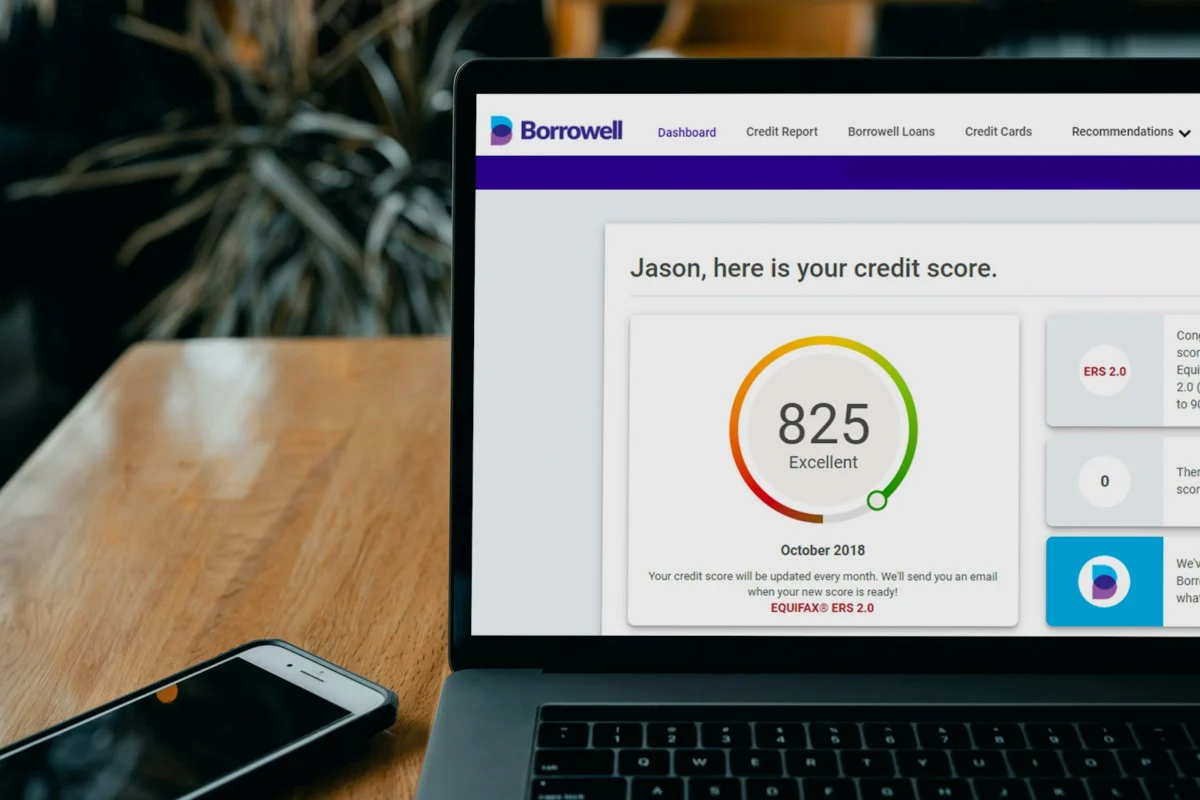
The three-digit credit score stands as a pivotal metric in an individual’s financial life, often determining access to critical financial products, dictating interest rates, and influencing opportunities from housing to insurance. Far from being a mere abstract number, it is a succinct summary of one’s money management history, meticulously evaluated by prospective lenders, landlords, and service providers to assess creditworthiness. Understanding this score, its intricate components, and its profound implications is therefore not just beneficial, but an essential endeavor for economic well-being and strategic financial planning in the modern financial landscape.
The Foundational Role of Credit Scores in Modern Finance
Credit scores emerged as a standardized, objective method for lenders to quickly assess the risk associated with lending money to an individual. Prior to their widespread adoption, lending decisions often relied on more subjective evaluations, which could be inconsistent and prone to biases. The introduction of credit scoring models aimed to streamline this process, making it more equitable and efficient by focusing on an individual’s demonstrated financial behavior. This system, while not without its critics, has become deeply embedded in the fabric of global finance, influencing everything from the cost of a mortgage to the ability to secure a mobile phone contract.

Demystifying the Credit Score Spectrum and Its Categories
An individual’s credit score typically ranges from 300 to 850. While the term "good credit score" is frequently used, its precise definition is nuanced, varying slightly across different scoring models and the specific risk profiles sought by various lenders. However, a general framework categorizes scores into distinct tiers, providing a common understanding of creditworthiness. As of early 2024, the average FICO Score 8 in the United States stood at approximately 718, reflecting a steady increase over the past decade and indicating general improvements in consumer financial health.
The generally accepted categories for credit scores are:
| Credit Score Category | Credit Score Range (General) | Implications |
|---|---|---|
| Very Poor | 300 to 579 | Significant challenges in obtaining credit. If approved, terms will be highly unfavorable with very high interest rates and fees. Often requires secured products or co-signers. |
| Fair | 580 to 669 | Limited access to conventional credit. May qualify for subprime loans or secured credit products. Interest rates will be considerably higher than for those with good credit. |
| Good | 670 to 739 | Considered a healthy score by most mainstream lenders. Individuals in this range typically qualify for a wide range of credit products with reasonable interest rates and terms. |
| Very Good | 740 to 799 | Excellent standing. Qualifies for highly competitive interest rates and loan terms. Often preferred by lenders seeking low-risk borrowers. |
| Exceptional or Excellent | 800 to 850 | Top-tier creditworthiness. Access to the best possible interest rates, highest credit limits, and most exclusive financial products and rewards programs. Indicates a history of exemplary financial management. |
It is crucial to note that while these ranges provide a guide, the specific threshold for approval and the corresponding interest rates can vary significantly among different lenders and product types.

The Architects of Your Score: FICO and VantageScore
The credit scoring landscape is primarily shaped by two dominant models: the FICO Score and VantageScore. While both models draw data from the same credit bureaus (Experian, Equifax, TransUnion), their proprietary algorithms weigh different aspects of an individual’s credit history with varying emphasis, leading to potentially different scores.
FICO Score: The Enduring Standard
The FICO score, introduced in 1958 by the Fair Isaac Corporation, has been the industry benchmark for decades. Its widespread adoption means that approximately 90% of lenders, from mortgage providers to auto financiers and credit card issuers, rely on FICO scores when making lending decisions. The FICO model attributes specific weightings to five key factors:

- Payment History (35%): This is the most critical component, reflecting an individual’s track record of making payments on time. Late payments, defaults, bankruptcies, and collections significantly impact this factor, signaling higher risk to lenders. A consistent history of on-time payments is the most effective way to build and maintain a strong FICO score.
- Amounts Owed (30%): Also known as credit utilization, this factor measures the proportion of available credit currently being used. For revolving accounts like credit cards, maintaining a low utilization ratio (ideally below 30%, and optimally below 10%) demonstrates responsible credit management and is favored by the FICO algorithm. High utilization can suggest financial strain.
- Length of Credit History (15%): This factor assesses the age of an individual’s oldest credit account, the age of their newest account, and the average age of all accounts. A longer history of managing credit responsibly provides more data for lenders to evaluate and generally results in a higher score.
- New Credit (10%): This includes recent applications for new credit and newly opened accounts. A sudden increase in new credit inquiries (known as "hard inquiries") within a short period can indicate a higher risk profile or an individual potentially struggling financially. While each hard inquiry causes a small, temporary dip, FICO models often treat multiple inquiries for the same type of loan (e.g., mortgage shopping) within a specific window as a single event.
- Credit Mix (10%): This factor evaluates the diversity of an individual’s credit accounts. Demonstrating the ability to manage both revolving credit (like credit cards) and installment loans (such as mortgages, auto loans, or student loans) can positively influence this component, signaling broad financial responsibility.
For FICO scores, a range of 670-739 is generally considered "Good," 740-799 "Very Good," and 800-850 "Exceptional." Many financial institutions offer free FICO score access to their customers, or consumers can subscribe to services like myFICO for detailed reports and monitoring.
VantageScore: The Evolving Competitor
VantageScore was collaboratively developed in 2006 by the three major credit bureaus (Experian, Equifax, and TransUnion) as a direct competitor to FICO. Initially, it used a different scoring scale, but with the introduction of VantageScore 3.0 in 2013, it adopted the familiar 300-850 range, making it easier for consumers to compare with FICO.
The latest iteration, VantageScore 4.0, incorporates several methodological distinctions. Notably, it places less emphasis on medical debt in its calculations and utilizes "trended data." This means it analyzes credit utilization over time, observing patterns of spending and repayment, rather than just a single snapshot. This approach aims to provide a more dynamic and potentially more forgiving view of a borrower’s financial habits. VantageScore is widely used by many consumer credit monitoring services, such as Credit Karma, making it a common score that individuals encounter when checking their credit for

