
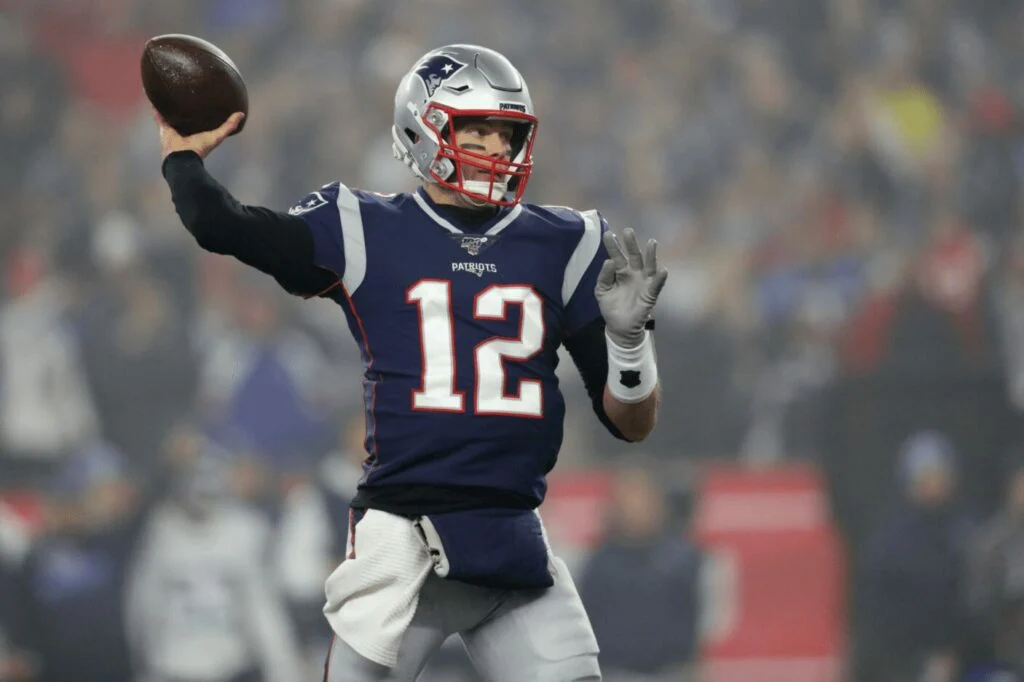
The departure of a figure as monumental as Tom Brady from the National Football League (NFL) offers a compelling case study, extending far beyond the realm of professional sports. While the quarterback’s unparalleled success, considerable wealth, and high-profile personal life might seem distant from the everyday experiences of most individuals, the underlying principles guiding his retirement decision hold significant universal relevance. Examining the strategic choices and considerations that informed Brady’s exit from professional football can provide valuable insights for anyone contemplating their own career transitions and future life stages. This analysis delves into the multifaceted lessons that can be gleaned from Brady’s retirement, offering a framework for personal reflection and proactive planning.
The Strategic Timing of Departure: Knowing When to Step Away
Tom Brady, a seven-time Super Bowl champion and widely regarded as the greatest quarterback in NFL history, had publicly expressed a long-held ambition to play until the age of 45, and potentially beyond. This aspiration, seemingly etched in stone, underscored his extraordinary commitment to his craft and his remarkable physical longevity. However, in February 2022, after a career spanning 22 seasons, Brady announced his retirement, ultimately stepping away one year shy of his stated goal. This decision, though seemingly abrupt to some, highlights a crucial principle: the importance of recognizing when it is the right time to transition, even if it deviates from a pre-determined target.
This concept of "knowing when it’s time" is not exclusive to elite athletes. For individuals in any profession, reflecting on one’s feelings about work and the prospect of retirement is paramount. While a specific retirement date might serve as a benchmark, a continuous self-assessment of one’s passion, energy levels, and overall satisfaction with their current professional role is essential. The ability to recognize these internal cues and act upon them, even if it means adjusting timelines, is a hallmark of thoughtful life planning.
It is also critical to acknowledge the realities of the modern workforce. Unlike the aspirational narrative of Brady’s voluntary departure, a significant portion of the population faces involuntary retirement. Data from organizations like the U.S. Bureau of Labor Statistics consistently indicates that economic factors, health issues, or company-driven restructuring often necessitate earlier exits from the workforce than individuals might have planned. Therefore, attunement to both personal readiness and external circumstances is vital. Being prepared to move on when the opportunity arises, or when circumstances dictate, rather than rigidly adhering to a distant goal, can lead to a more fulfilling and less disruptive transition. Brady’s decision, while at the pinnacle of his career, underscores the value of proactive agency in shaping one’s exit, even if it means recalibrating long-held objectives.
The Art of Exiting at the Zenith: Leaving on a High Note
A defining characteristic of Tom Brady’s retirement announcement was its timing relative to his performance. In his final NFL season, at the age of 44, Brady led the league in passing yards with an impressive 5,316 yards. He was a prominent candidate for the league’s Most Valuable Player (MVP) award, an honor he had previously won three times. This statistical dominance provided a powerful testament to his enduring skill and physical prowess.
For years, Brady had articulated a philosophy of retiring when his performance began to decline, rather than lingering in a role where he could no longer compete at the highest level. His decision to step away while still performing at an elite capacity exemplifies the ideal of "going out on top." This approach stands in contrast to the more common trajectory in professional sports and business, where individuals may continue in their roles past their peak, sometimes due to financial necessity, a reluctance to relinquish status, or a lack of alternative plans.
The implications of this strategy extend to all professionals. The aspiration to leave one’s career on one’s own terms, and at a point of continued competence and respect, is a powerful motivator for strategic career management. It encourages individuals to maintain their skills, stay relevant in their fields, and cultivate a mindset that prioritizes quality of contribution over sheer longevity. By choosing to retire while still a top performer, Brady preserved his legacy and reinforced the narrative of his unparalleled career, setting a benchmark for how individuals might aspire to conclude their professional journeys.
Architecting the Next Chapter: Proactive Planning for Post-Career Life
Tom Brady’s retirement was not a sudden abandonment of his professional identity but rather a carefully orchestrated transition towards new endeavors. Long before officially announcing his departure from the NFL, Brady had been actively building the foundations for his "next act." This proactive approach involved venturing into diverse business sectors, including establishing a health and fitness company (TB12), launching a clothing line, and co-founding a production company (199 Productions). These initiatives represent a strategic diversification of his professional interests and a deliberate effort to create a robust post-playing career.
This foresight serves as a critical lesson for individuals contemplating their own career transitions. The wisdom lies in beginning to conceptualize and develop future aspirations while still deeply engaged in full-time work. Whether these post-career pursuits involve part-time employment, volunteer work, consulting, writing a book, or embarking on extensive travel, envisioning these possibilities in advance is invaluable. This proactive planning allows for thorough research into potential options, a realistic assessment of what these endeavors truly entail, and the identification of the necessary steps to achieve them.
A practical application of this principle involves actively seeking out individuals who have already made similar transitions. Engaging in regular conversations—perhaps over lunch or coffee once a month—with retired professionals who are actively pursuing passions similar to one’s own can provide invaluable firsthand insights. These discussions offer a glimpse into the realities, challenges, and rewards of post-career life, helping to refine personal aspirations and identify potential pathways. Brady’s multi-faceted business ventures demonstrate that the transition from a primary career can be a period of renewed purpose and entrepreneurial spirit, provided that the groundwork is laid well in advance.
The Indispensable Role of Family in Retirement Decisions
Speculation surrounding Tom Brady’s retirement frequently pointed to family considerations as a significant influencing factor. As a husband and father, Brady’s decision to step away from the demanding schedule of an NFL quarterback was undoubtedly influenced by a desire to prioritize his personal life and spend more time with his loved ones. This aspect of his retirement resonates deeply with a vast majority of the population, where family commitments play a central role in life choices.
This underscores the crucial importance of open and ongoing communication with one’s spouse or partner regarding retirement. A surprising statistic from a Fidelity survey of 1,600 individuals revealed that 57 percent of respondents were incorrect when asked about their significant other’s anticipated retirement timeline. This data highlights a widespread disconnect in understanding and planning around retirement within couples.
Approaching retirement as a shared journey, rather than an individual one, necessitates dedicated time for in-depth conversations. It requires active listening, an understanding of each partner’s desires, fears, and expectations, and a willingness to compromise. Assuming knowledge of a partner’s thoughts on retirement can lead to significant misunderstandings and potential conflict. Brady’s situation, while seemingly distant, serves as a poignant reminder that major life transitions, including retirement, are often best navigated as a united front, with family well-being at the forefront of consideration.
Navigating the Exit with Grace: The Importance of Professionalism
Tom Brady’s retirement announcement drew some criticism for its perceived omission of the New England Patriots, the franchise for which he played for two decades and achieved unprecedented success. While the nature of his announcement sparked debate, the underlying principle it brings to light is the value of maintaining professionalism and grace during one’s departure from an organization.
The broader implication is the importance of "staying above the fray" and exiting with dignity. This means avoiding the temptation to engage in pettiness, spitefulness, or vindictive actions as one leaves a role or organization. Such behavior rarely serves an individual’s long-term interests and can damage professional relationships and reputation.
An anecdote illustrating the negative consequences of a scorched-earth exit was shared by the author. In this instance, a former employee, previously terminated by the author, sent a "scorched earth style" resignation letter to their subsequent employer, harshly criticizing management, colleagues, and the organization as a whole. This letter, which went viral, ultimately reflected poorly on the individual and did not contribute to their career advancement. The lesson is clear: burning bridges during a departure can have lasting repercussions. Brady’s situation, though more nuanced, reinforces the idea that a measured and respectful exit, even when subject to scrutiny, is ultimately more beneficial.
Keeping the Door Ajar: The Possibility of Unretirement
A significant trend emerging from retirement studies, even prior to the global pandemic, indicated that a notable percentage of individuals who retire eventually return to the workforce. Research in the U.S. and UK has shown that over 20% of retirees unretired within five years, with financial reasons often being secondary to other motivating factors. Common drivers for this "unretirement" include a yearning for the sense of purpose that work provides, a desire to maintain cognitive sharpness, or a longing for the social camaraderie of the workplace.
The possibility of unretirement is a pragmatic consideration for anyone planning their future. In Tom Brady’s case, speculation has already arisen about a potential return to the NFL, drawing parallels to the career of Brett Favre, another quarterback who famously retired and unretired multiple times. Such scenarios suggest that a definitive "never say never" attitude towards one’s professional life can be a prudent approach.
The underlying lesson is that retirement does not necessarily represent a permanent closure of a professional chapter. Life circumstances, evolving personal priorities, and the inherent human need for engagement and contribution can all lead individuals to reconsider their post-career plans. Maintaining flexibility, keeping professional networks active, and staying open to new opportunities can allow for a smoother reintegration into the workforce if desired, ensuring that the door to meaningful engagement remains ajar.
Joe Casey, an executive coach and consultant specializing in career transitions and post-primary career life design, offers expertise in guiding individuals through these complex phases. As the host of "The Retirement Wisdom Podcast," recognized globally for its popularity, and the author of the forthcoming book "Win the Retirement Game: Outsmart the 9 Forces Trying to Steal Your Joy," Casey provides a wealth of knowledge for those seeking to navigate their retirement years with purpose and fulfillment. His insights, drawn from extensive experience and analysis of successful transitions, underscore the profound lessons that can be learned from even the most extraordinary public figures, making them applicable to the personal journeys of individuals from all walks of life.

