
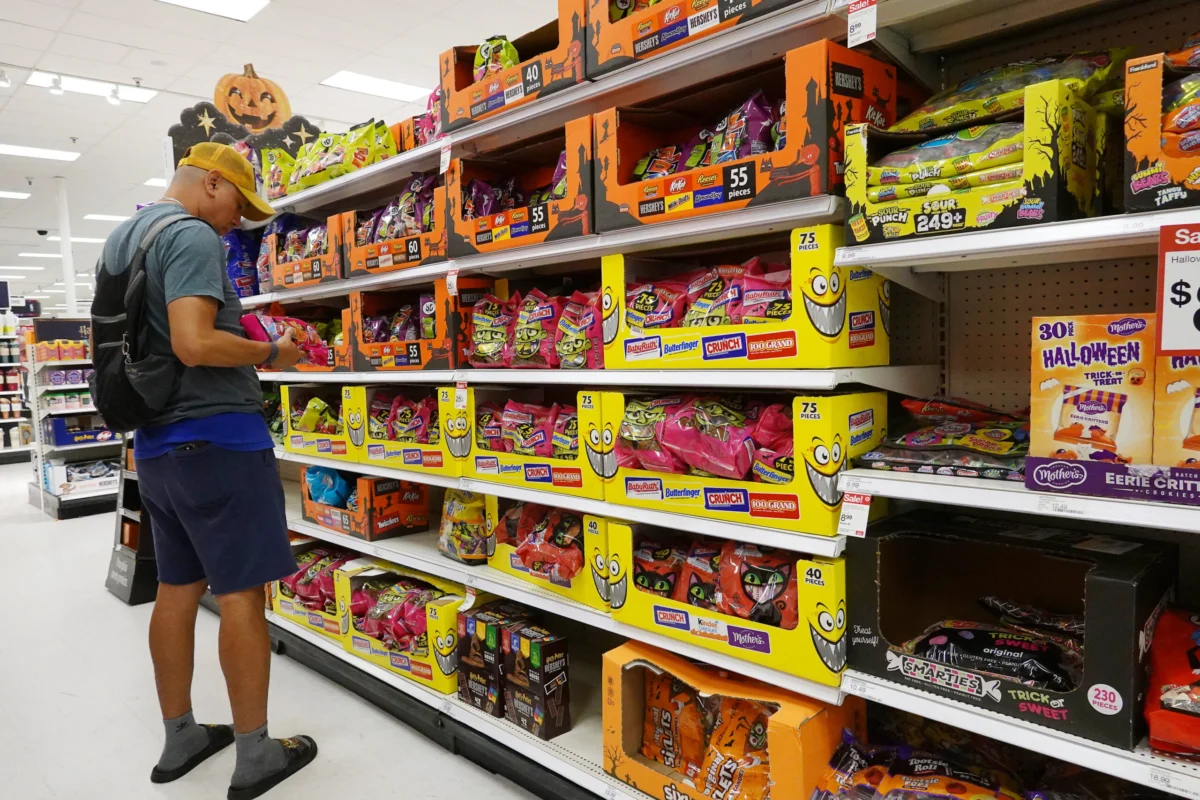
The festive spirit of Halloween this year has been shadowed by a significant increase in consumer costs, transforming traditional holiday preparations into a more budget-conscious exercise for many American households. From the quintessential candy bowl to the decorative pumpkin gracing front porches, prices have climbed across the board, presenting a dual challenge: consumers are grappling with tighter budgets, while major companies like Hershey face mounting pressure on their sales forecasts and profit margins. This economic squeeze on a beloved cultural event underscores broader inflationary trends that continue to ripple through the U.S. economy, affecting everything from raw material costs to supply chain logistics.
The Economic Landscape of Halloween 2026
Despite the rising costs, consumer enthusiasm for Halloween remains robust. Americans are projected to spend a record $13.5 billion on the holiday this year, a notable increase from last year’s then-record of $13.1 billion, according to data released by the National Retail Federation (NRF). This upward trend in total spending, however, masks a more nuanced reality on the ground. Allison Zeller, NRF vice president of industry and consumer insights, highlighted this dichotomy, stating, "Consumers continue to make Halloween a spending priority, but they are also approaching the season with affordability in mind." This sentiment suggests that while overall spending is up, individual purchasing decisions are increasingly influenced by price points, value propositions, and a willingness to scale back on certain items. The average American household might be spending more collectively, but doing so by making different choices – perhaps fewer, but more expensive, costumes, or prioritizing candy in smaller, more economical packages.
The surge in Halloween-related expenditures can be attributed to several interconnected economic factors that have characterized the past year. Persistent inflationary pressures have permeated various sectors, driven by a combination of elevated energy prices, increased labor costs, and lingering supply chain bottlenecks. While the overall rate of inflation has shown signs of moderation in some areas, essential goods and seasonal items continue to see significant price hikes, impacting household budgets disproportionately. This has created a challenging environment for both consumers striving to maintain holiday traditions and retailers attempting to balance sales volumes with profit margins.
The Sweet Strain: Candy and Chocolate Face Unprecedented Headwinds
Candy, the undisputed king of Halloween treats, has emerged as one of the biggest financial burdens for shoppers this season. Price increases in the candy sector have outpaced broader food inflation, though the rate of acceleration has recently tapered. According to the latest Consumer Price Index (CPI) data, prices for candy and chewing gum were up 7.7% in September compared to a year earlier. The broader sugar-and-sweets category also saw a significant increase of 5.5% over the same period. This escalation is largely attributable to volatility in global sugar markets. Adverse weather conditions, particularly the pervasive influence of El Niño, have tightened the global outlook for sugar supply. Unusually wet conditions severely disrupted Brazil’s sugarcane harvest, a critical global supplier, while prolonged droughts and other weather extremes have hampered production in other major growing regions across Asia and Europe. This confluence of environmental challenges has led to a noticeable spike in raw sugar prices, directly impacting the manufacturing costs for confectioners.
Food economist Richard Volpe, in a recent LinkedIn post, underscored the immediate impact on consumers. "As Halloween swiftly approaches, candy stands out in the grocery store as one of the more expensive categories, relative to prices last year," he observed. Volpe lamented the personal effect, adding, "In past years, this has left me swimming with candy. As I write this, Halloween is days away and I have a paltry three bags of candy sitting on my desk." This anecdotal evidence mirrors broader market trends. Nielsen IQ Early Market data revealed a sharp decline in Halloween candy sales, down 11.7% through September 19. While this decline narrowed to 6.7% four weeks later, with chocolate down 7.2% and other confections down 5.3%, it still signals a clear pullback in consumer purchasing volume. This data suggests that even as overall spending climbs, consumers are buying fewer units of candy, likely opting for smaller packages or less expensive alternatives to manage their budgets.
The Cocoa Crisis: A Bitter Pill for Chocolate Lovers
Within the confectionery category, chocolate has been particularly vulnerable to price hikes, primarily due to a severe disruption in cocoa supply originating from West Africa. This region, encompassing Côte d’Ivoire and Ghana, accounts for approximately 70% of the world’s cocoa production, making it incredibly sensitive to agricultural and climate variations. Poor growing conditions in these key nations, exacerbated by unpredictable rainfall patterns and disease outbreaks, have significantly curtailed yields. Compounding these issues, the specter of a potential El Niño event and the anticipated onset of dry Harmattan trade winds pose a significant threat to the upcoming 2026-27 West African cocoa crop, suggesting that relief in cocoa prices may not be immediate.
While commodity markets have seen some recent relief, with cocoa prices falling sharply from their historic highs, this downward trend has yet to translate into cheaper chocolates on store shelves. David Branch, sector manager at the Wells Fargo Agri-Food Institute, explained this critical lag. Much of the chocolate currently available for Halloween was manufactured using cocoa beans purchased six to twelve months prior, when prices were at their peak. This inventory cycle means that manufacturers are still processing high-cost raw materials, and promotional strategies must account for these embedded expenses. Wells Fargo Agri-Food estimates that chocolate prices for this Halloween are about 8% higher than last year, with effective transaction prices rising roughly 5% to 8% even after promotions are factored in.
Branch elaborated on the complex dynamics facing chocolate manufacturers: "The worst of the cocoa crisis has passed, but price relief hasn’t reached store shelves yet. For chocolate manufacturers, the principal 2026 issue is no longer simply cocoa availability. It is the timing mismatch between falling futures, high-cost inventories, retailer negotiations, and consumer elasticity." This delicate balance requires strategic pricing, careful inventory management, and effective communication with retailers to navigate the current economic landscape. The impact is visible in sales figures: NIQ reported that Halloween chocolate dollar sales were down 7.2% from a year earlier through the nine weeks ended October 17. Milk chocolate, a perennial favorite, led this decline with a $34.4 million reduction in sales, while dark chocolate surprisingly gained $2.3 million, possibly indicating a shift in consumer preference or a relatively stable price point for premium options. Overall Halloween candy, gum, and mint sales were down 6.7%, reinforcing the trend of reduced unit purchases.
The Pumpkin Patch Predicament: Drought and Rising Costs
Beyond the candy aisle, another iconic Halloween staple, the pumpkin, has also become significantly costlier. The average retail price for a pumpkin reached $5.36 this year, marking an 11% increase from September 2020, according to data from the U.S. Department of Agriculture (USDA). This price surge is directly linked to adverse agricultural conditions in key growing regions. Texas, a major pumpkin-producing state, experienced severe drought, which reduced yields by an estimated 30% to 40% in affected areas. This significant crop loss created a supply deficit, driving up prices for both farmers and consumers.
The challenges for pumpkin growers extend beyond Texas. Other major pumpkin-producing states, such as Illinois, California, Pennsylvania, and New York, have also faced their own unique weather-related difficulties, ranging from unseasonably heavy rains to unexpected frosts. These environmental stressors require farmers to invest more in irrigation, disease control, and protective measures, all of which contribute to increased production costs. The ripple effect of these agricultural setbacks is felt throughout the supply chain, from local farm stands to large grocery chains, ultimately translating into higher prices for consumers eager to adorn their homes with festive gourds. For many families, the annual tradition of visiting a pumpkin patch or selecting the perfect jack-o’-lantern canvas has become a more expensive outing, forcing some to opt for smaller pumpkins or even artificial alternatives.
Retailers Respond: Discounts and Shifting Consumer Habits
In response to these inflationary pressures and the evolving consumer landscape, major retailers are strategically deploying discounts and promotions to attract shoppers and stimulate sales. Giants like Walmart and Target have launched "flash deals" and substantial discounts on a wide array of Halloween merchandise, from candy to costumes and decorations. These aggressive promotional tactics are designed to alleviate some of the financial burden on consumers, maintain market share in a competitive environment, and clear seasonal inventory. Retailers understand that while consumers want to celebrate, they are highly sensitive to price, and a compelling discount can be the deciding factor in a purchase.
Beyond promotions, retailers are also adapting to observed shifts in consumer purchasing behavior. A notable trend is the move towards smaller candy packages. Data indicates that small candy packs of nine ounces or less have seen a 24% increase in dollar terms and a 14% increase in units sold, while every larger package size is experiencing declines. This suggests that consumers are either opting for portion control, making impulse purchases, or consciously choosing smaller, more affordable options to stay within their budgets rather than foregoing candy entirely.
Wells Fargo experts anticipate this trend will continue, with shoppers increasingly favoring "value packs" and alternatives that use less cocoa. David Branch of Wells Fargo noted, "Consumers will continue buying candy, but shopping baskets are likely to contain fewer chocolate pieces, more value packs, and a greater share of gummies, sour products, wafers, caramel, and other lower-cocoa alternatives." This shift highlights consumer elasticity and a willingness to explore different confectionery options when their preferred choices become too expensive. It also signals a potential long-term change in the market, pushing manufacturers to innovate with new product lines that offer a better price-to-value ratio.
Hershey’s Haunted Outlook: A Bellwether for the Industry
The ripple effects of these market dynamics are clearly visible in the performance and outlook of major confectionery manufacturers, with Hershey serving as a prominent example. While Hershey’s stock saw a modest rise on Friday, potentially benefiting from investors seeking safer consumer staples amidst broader market volatility, analysts are increasingly flagging concerns for the candy maker’s near-term future.
Following its third-quarter earnings report, Hershey revised its 2026 organic sales growth forecast downward to 3%, a reduction from its previous projection of 3%-3.5%. This adjustment implies a "flattish" organic growth in the critical fourth quarter, a period that includes the tail end of Halloween and the entirety of the lucrative holiday season. Jefferies analyst Scott Marks characterized Hershey’s commentary as "incrementally cautious," specifically citing "consumer and cost pressures" as significant factors weighing on the company’s immediate outlook.
During the earnings call, Hershey CEO Kirk Tanner elaborated on the company’s strategy in this challenging environment: "We’re looking at areas like in convenience as you see a consumer that’s under pressure to give more value and drive pricing through bespoke promotions versus overall price decreases." This indicates a strategic shift away from broad price reductions, which could erode profit margins, towards targeted, channel-specific promotions designed to offer value where consumers are most sensitive to price, such as in convenience stores or through specific retail partnerships. This nuanced approach aims to maintain brand perception and pricing power while still addressing consumer affordability concerns.
The cautious outlook from Hershey has prompted a wave of downgrades from financial analysts. Scott Marks, for instance, cut his price target on Hershey stock to $170, joining similar actions taken by brokerages such as DA Davidson, BNP Paribas, Bernstein, and Deutsche Bank. This collective sentiment reflects a shared concern among financial experts regarding the impact of sustained inflation on consumer purchasing power, the elevated cost of raw materials (especially cocoa and sugar), and the potential for reduced sales volumes or thinner margins. The consensus estimates for Hershey’s 2027 earnings have consequently fallen by 3.7% to $9.49 per share, according to FactSet, signaling a more conservative view on the company’s future profitability.
Broader Implications and Future Outlook
The challenging Halloween season serves as a microcosm of broader economic trends and their impact on consumer discretionary spending. The elevated costs for seasonal goods like candy and pumpkins are not isolated incidents but rather symptoms of persistent inflationary pressures affecting various aspects of daily life. For the confectionery industry, the reliance on volatile agricultural commodities like sugar and cocoa means that manufacturers must increasingly prioritize supply chain resilience, explore hedging strategies, and potentially diversify their product portfolios to include lower-cost alternatives. The shift in consumer preference towards smaller packages and non-chocolate candies could also signal a long-term change in market demand, requiring manufacturers to adapt their production and marketing strategies.
Looking ahead, the experience of Halloween 2026 offers a critical insight into consumer behavior for upcoming holiday seasons. If inflation persists, or if economic uncertainties deepen, similar patterns of budget-conscious spending, a preference for value, and a willingness to substitute will likely extend to Thanksgiving, Christmas, and other celebratory events. Retailers and manufacturers will need to remain agile, leveraging data to understand evolving consumer needs and deploying targeted strategies to maintain engagement and sales volume. The ability to offer perceived value, whether through strategic promotions, innovative product offerings, or efficient supply chain management, will be paramount in navigating this new economic landscape. The Halloween season, while a time for frights and fun, has also become a stark reminder of the ongoing economic challenges that continue to shape the American consumer experience.

