
The global financial services sector is currently undergoing a fundamental paradigm shift, moving away from traditional demographic-based marketing toward a sophisticated model of "segment-of-one" engagement. While the concept of personalization has been a cornerstone of banking strategy for over a decade, the industry is now transcending the era of simple name-insertion in email templates. Today, the convergence of generative artificial intelligence (GenAI), real-time behavioral data, and contextual transaction intelligence is allowing institutions to anticipate consumer needs with unprecedented accuracy. This evolution will be the central focus of FinovateFall 2026, scheduled to take place from September 9 through 11 in New York City. The event serves as a premier showcase for the technologies that are redefining how banks, credit unions, and fintechs interact with their customers, turning every digital touchpoint into a value-driven conversation.
The Strategic Context of FinovateFall 2026
FinovateFall has long established itself as the critical barometer for the financial technology sector, utilizing a high-pressure, seven-minute live demo format that strips away marketing fluff to focus on core functionality. As the 2026 edition approaches, the industry context is one of intense competition for primary financial relationships. Traditional institutions are no longer just competing with each other; they are vying for attention against "super-apps" and agile neobanks that have mastered the art of digital friction reduction.

Data from recent industry reports suggest that consumers now expect their financial service providers to act as proactive partners rather than passive repositories for capital. According to 2025-2026 consumer sentiment surveys, over 70% of banking customers expressed a preference for institutions that provide automated insights into their spending habits and offer proactive solutions for debt management. In response, the companies slated to present at FinovateFall 2026 are pivoting toward "intent-based" banking—systems that can identify when a customer is about to make a major purchase or experience a life event before the customer even articulates the need.
Chronology of Innovation: From Data Collection to Intent Prediction
The journey toward the technologies being showcased this September has followed a distinct chronological path. In the early 2010s, the focus was on digitization—moving paper processes to mobile screens. By 2020, the emphasis shifted to "Big Data," where institutions focused on amassing vast quantities of information without always having the tools to interpret it. By 2024, the integration of Large Language Models (LLMs) began to bridge the gap between data and action.
FinovateFall 2026 represents the "Actionable Intelligence" phase. The nine companies highlighted for the upcoming event demonstrate a move toward privacy-preserving AI and behavioral economics. These firms are not merely presenting tools for efficiency; they are presenting engines for growth that leverage the "moments of truth" in a customer’s financial life.
Deep Dive into the 2026 Innovators: Reshaping the Customer Journey
The following organizations represent the vanguard of this behavioral shift, each addressing a specific friction point in the modern financial ecosystem:
1. BankUniverse: GenAI and Privacy-First Conversion
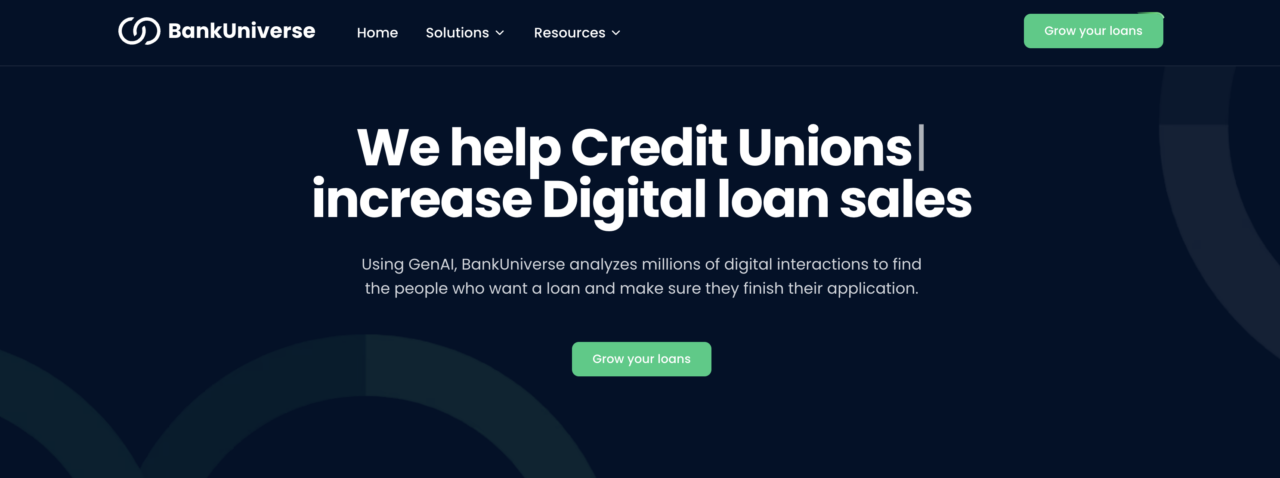
BankUniverse addresses the "last mile" of the digital sales funnel. While many banks successfully attract traffic to their websites, abandonment rates for digital applications remain high. By utilizing GenAI to analyze digital interactions in real time, BankUniverse identifies users showing a high intent to purchase. Crucially, the platform operates on a privacy-first basis, ensuring that sensitive personal data is not leaked to third-party trackers. The company’s internal benchmarks indicate that this hyper-targeted approach can increase digital sales by more than 20%, a significant margin for institutions looking to optimize their marketing spend.
2. Tapix by Dateio: Turning Raw Data into Intelligence
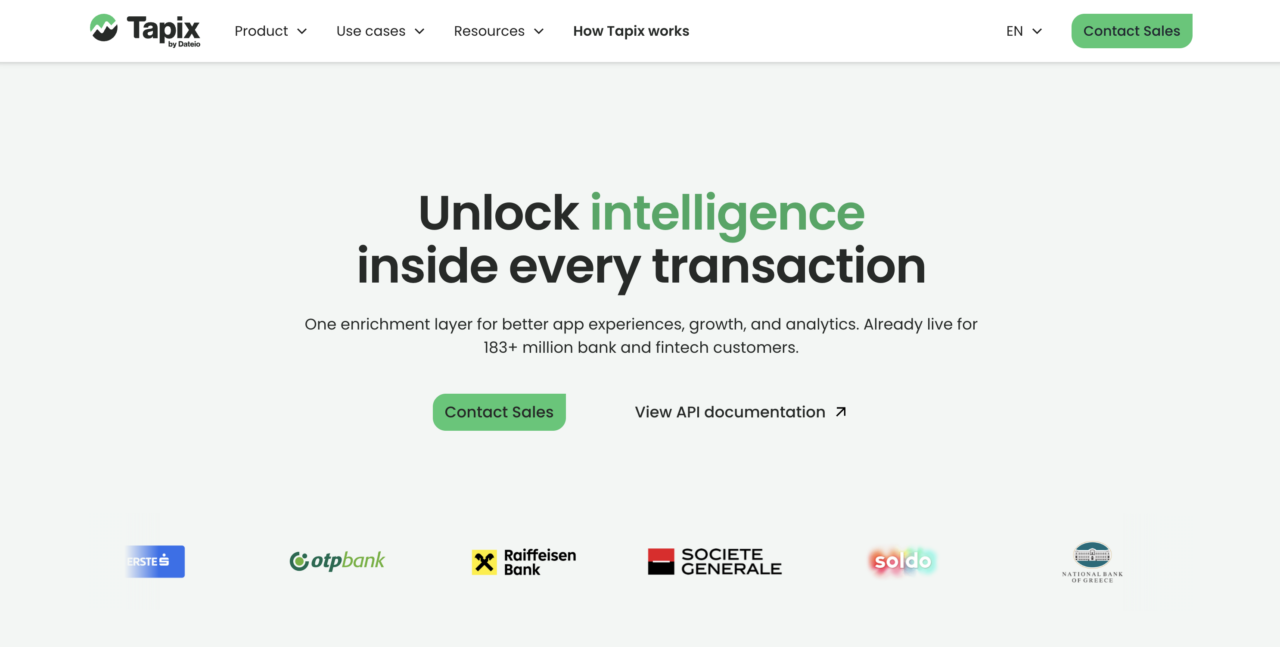
One of the most persistent hurdles in personal financial management is the "gibberish" found in raw transaction strings. Tapix solves this by enriching payment data with merchant names, logos, and precise geographical categories. This clarity does more than just improve the user experience; it reduces the volume of customer service calls related to unrecognized transactions and provides the clean data foundation necessary for AI to make accurate spending recommendations.
3. Doshi: The Gamification of Financial Wellness
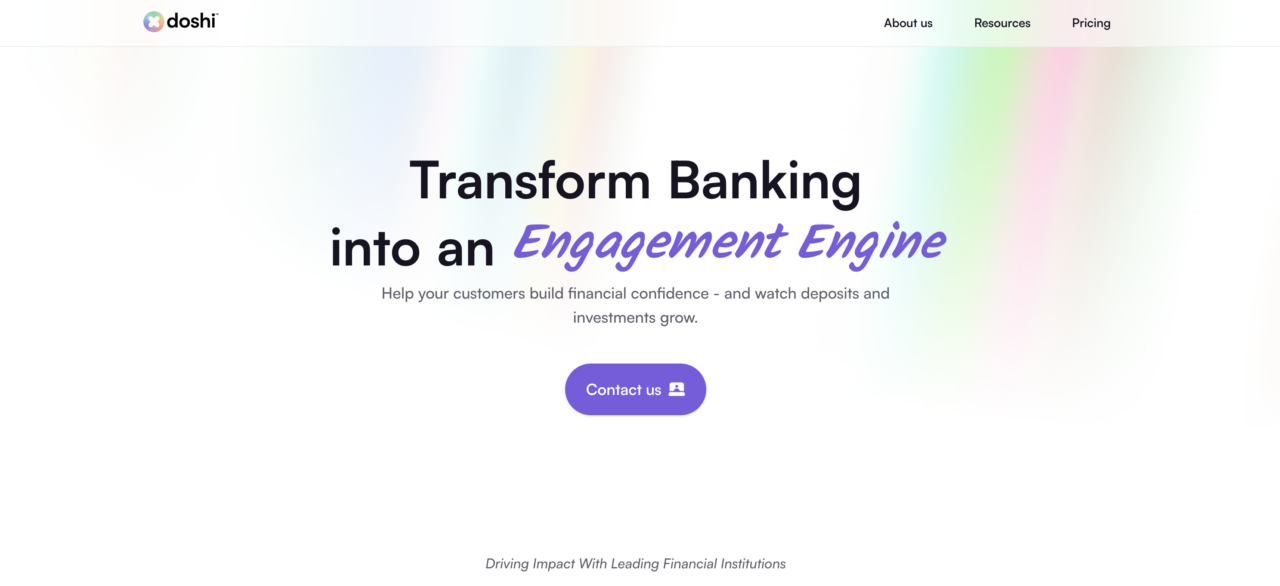
Doshi represents the shift toward "education-as-a-service." By creating an AI-native engagement layer that uses gamification, Doshi encourages users to interact with financial literacy content. These interactions generate behavioral signals that indicate when a customer is "product-ready"—for example, moving from a basic savings module to an investment module. This allows banks to offer products like IRAs or brokerage accounts exactly when the customer has demonstrated the requisite knowledge and interest.
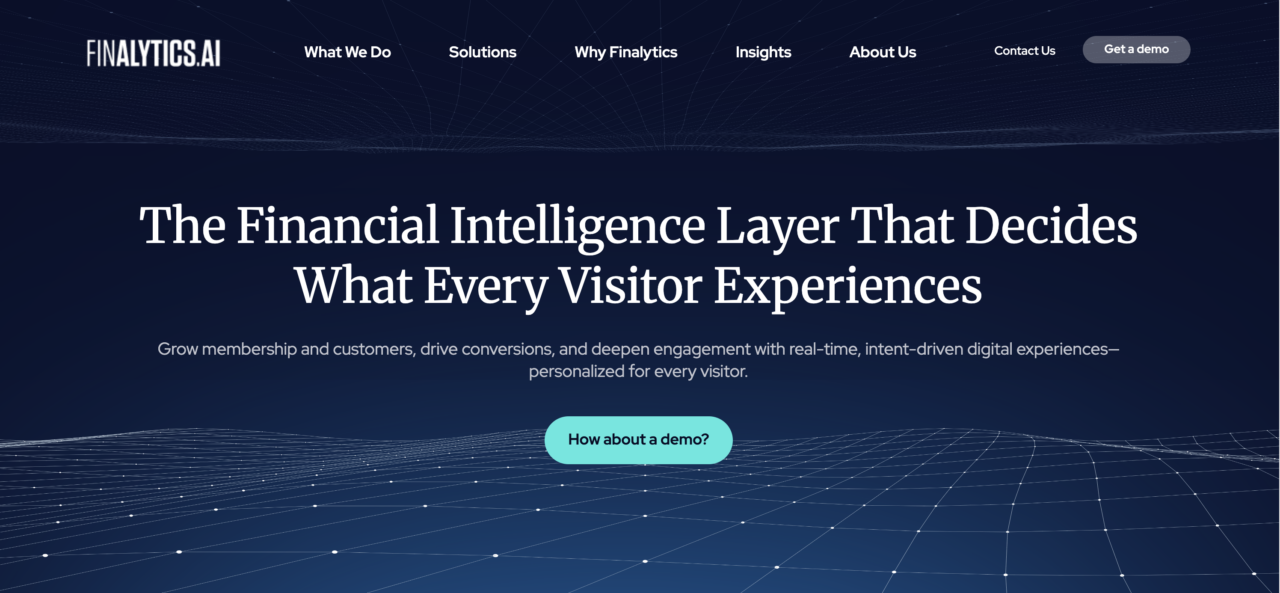
4. Finalytics.ai: The Segment-of-One Digital Experience
Finalytics.ai moves away from the "average user" profile. Their AI models continuously ingest behavioral and transactional data to rewrite the digital banking interface for the individual visitor. If a user’s data suggests they are currently focused on home buying, the interface prioritizes mortgage tools and educational content rather than credit card offers. This real-time adaptation ensures that the digital experience is always aligned with individual intent.
5. GenAspire: Securing the Next Generation
Credit unions and community banks face an existential threat as younger demographics gravitate toward national megabanks. GenAspire provides a white-labeled teen banking app that combines parent-controlled spending with a school-integrated financial literacy program. By establishing these relationships during the teenage years, community institutions can secure the "primary financial institution" status before the customer enters the workforce.
6. Goodbuy: Community Commerce as a Growth Engine
Goodbuy leverages the cooperative spirit of credit unions to drive local economic growth. Their marketplace connects members with local small businesses, offering rewards for shopping within the community. This creates a virtuous cycle: small businesses see increased traffic and are more likely to maintain their commercial accounts with the credit union, while individual members receive tangible value for their loyalty.
7. Nextvestment: The Hybrid Wealth Management Model
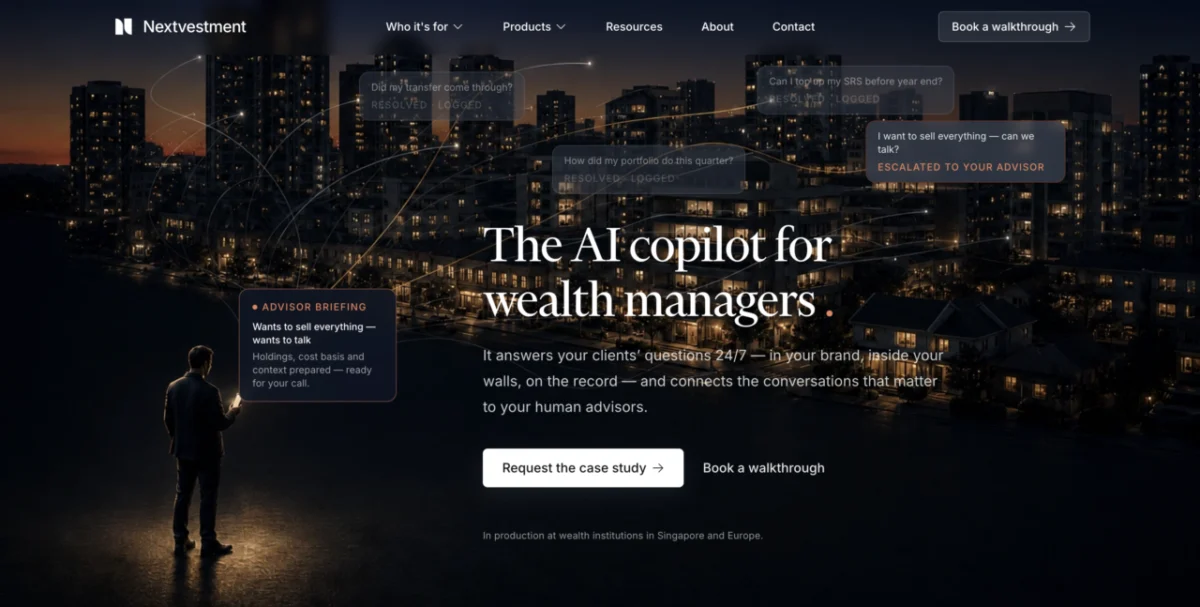
As the "Great Wealth Transfer" continues, wealth management firms are struggling to scale their services. Nextvestment offers an AI-powered self-service platform that allows clients to explore investment hypotheses independently. The system then alerts human advisors when a client’s queries suggest they need professional intervention, ensuring that high-value human time is spent on the most complex and profitable tasks.
8. Perqia: Behavioral Economics in Debt Management
Loan delinquency is a major cost center for lenders. Perqia uses cash-flow-timed incentives to encourage positive repayment behavior. By rewarding borrowers for making payments on time or early, Perqia shifts the perception of debt repayment from a stressful obligation to an engaging, rewarded activity. This proactive approach significantly lowers collection costs and improves the overall health of the lender’s portfolio.
9. Young Early Starters (YES): Investing for the Alpha Generation
Targeting the 8-to-18 age bracket, YES provides a platform for hands-on investment education. Unlike "paper trading" apps, YES allows for real-world investing in stocks and ETFs under strict parental supervision. This early exposure to market mechanics builds long-term brand loyalty for the sponsoring financial institution, positioning them as the trusted partner for a lifetime of wealth building.
Industry Implications and Expert Perspectives
The shift toward behavioral intelligence has drawn significant attention from industry analysts. "The era of the ‘dumb’ bank account is over," notes one leading fintech consultant. "The institutions that will survive the next decade are those that can transform from a utility into a coach. The data presented by firms like BankUniverse and Finalytics.ai suggests that the ROI on hyper-personalization is no longer theoretical—it is a measurable driver of deposit growth and loan volume."
Furthermore, the emphasis on teen banking and early-stage investing (GenAspire and YES) highlights a strategic pivot in customer acquisition costs (CAC). By engaging customers at age 13 rather than age 23, institutions can significantly lower their long-term CAC and increase the "lifetime value" of the customer.

Supporting Data and Market Trends
The technologies showcased at FinovateFall 2026 are arriving at a time of significant capital reallocation. Global investment in AI-driven financial services is projected to reach $450 billion by 2027. Moreover, the focus on "clean data" (Tapix) is driven by the regulatory push toward Open Banking, where the ability to port data between institutions makes the quality of the user experience a primary differentiator.
Market data from the first half of 2026 indicates that banks utilizing AI for contextual engagement have seen a 15% increase in cross-sell effectiveness and a 12% reduction in customer churn. These figures underscore the economic imperative behind the innovations being demonstrated in New York.
Conclusion: The Future of the Financial Relationship
As FinovateFall 2026 commences, the overarching theme is clear: technology is finally enabling the "humanization" of digital banking. By using AI to understand the nuances of individual behavior, financial institutions can move past the limitations of traditional banking and provide a service that feels personal, timely, and genuinely helpful.

For the executives and developers attending the New York event, the challenge is no longer just about choosing the right technology, but about integrating these tools into a cohesive strategy that prioritizes the customer’s financial wellness. The nine companies highlighted here provide a roadmap for that integration, demonstrating that in the modern financial landscape, data is not just a resource—it is the bridge to a deeper, more valuable relationship with the consumer. In 2026, engagement is defined not by how often a customer logs in, but by how effectively the bank can help that customer navigate their financial life.

